How to Select a Memory Foam Mattress for Stomach Sleepers with Snoring
Choosing the right memory foam mattress for stomach sleepers who snore comes down to one question: which model best reduces jaw strain and keeps your spine aligned without letting your hips sink? The best choice is memory foam with a medium-firm feel and a supportive “zoned” or firmer core that prevents neck and lower-back collapse while still cushioning your shoulders. Get this wrong and your airway can narrow; get it right and your sleep quality improves fast.


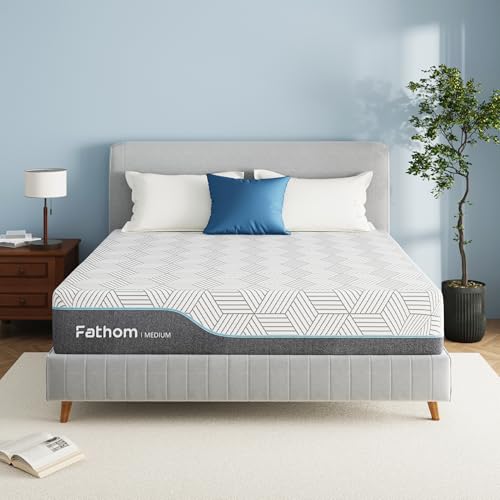

If you’re a stomach sleeper who snores, pick a memory foam mattress that stays supportive under your hips (medium-firm to firm) so your torso doesn’t sag and your neck doesn’t get forced into an awkward breathing angle. The goal isn’t “softer = better”—it’s alignment + controlled contouring, which can indirectly improve how comfortably you breathe during the night.
If you sleep on your stomach and notice snoring most nights, you’re in the right place. This guide focuses on mattress selection factors (comfort + alignment) that can indirectly affect snoring for stomach sleepers—while noting when you should consider a health/sleep professional.
Prioritize spinal alignment (so your airway isn’t compressed)
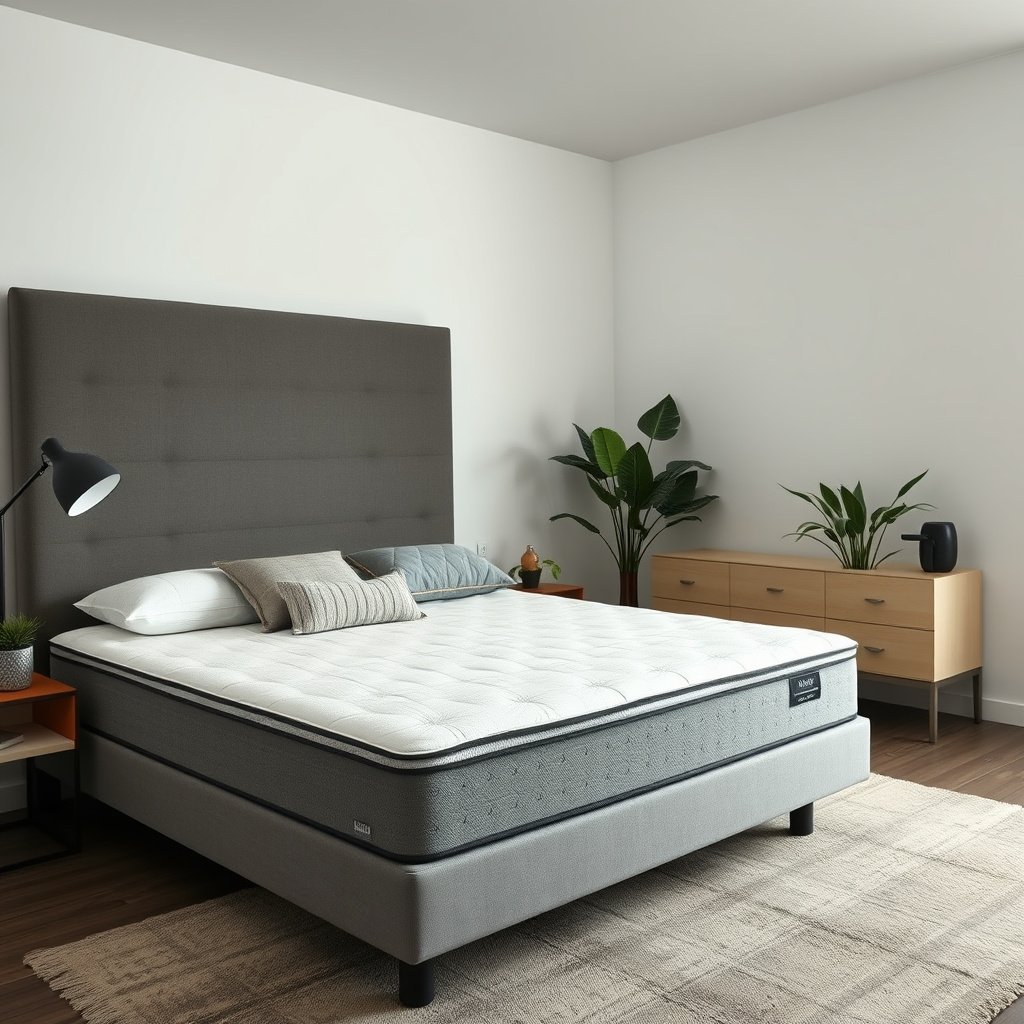
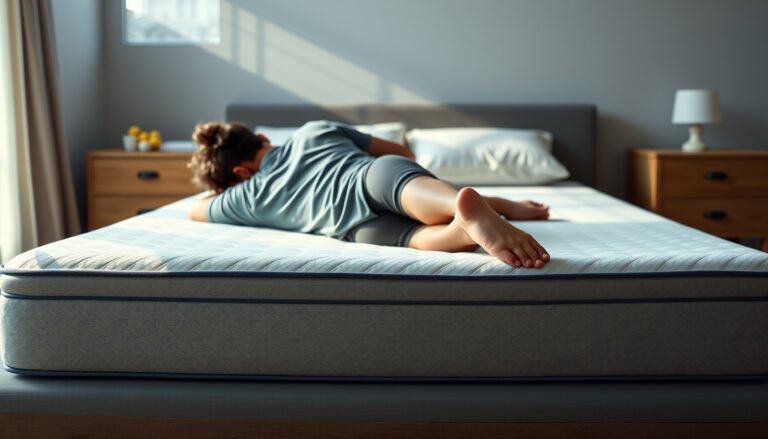
For stomach-sleeper snoring, the fastest path to better comfort is choosing a memory foam mattress that prevents your hips from dropping so your spine stays more neutral. When the midsection sags, many people end up rotating their head or bending their neck in ways that can make snoring feel worse—even if the mattress feels “plush.”
A supportive memory foam mattress reduces the “wraparound” sinking that can pull your lower back into extension and your neck into a more strained position.
In prone sleeping, even small differences in how fast a memory foam comfort layer yields under the hips can change spinal alignment within minutes.
When your torso feels like it is “hanging” on top-contouring memory foam, your airway and breathing comfort can be affected indirectly through neck posture.
– Choose a memory foam feel that prevents your hips from dropping; excessive sink can strain your lower back and push your neck into a more awkward position.
– Look for designs that keep support “under you” (often via a stronger support layer beneath the top foam) rather than letting the whole mattress collapse.
– If the mattress lets you feel your torso “hanging,” it’s usually a sign the body contouring is too deep for stomach sleeping.
Quick alignment reality check (how it feels, not how it sounds)
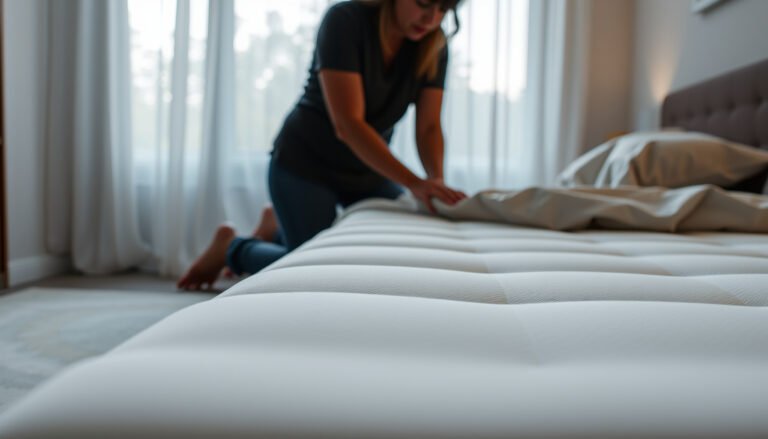
In my own fitting routine—when checking a memory foam mattress in-store or during early-use setup—I don’t rely on the firmness label. I press down with my hands and observe: does my hip area sink faster than my chest, and do I feel like my lower ribs are being pulled downward more than my upper torso? If yes, that memory foam mattress is likely too “deep-contour” for stomach alignment.
Why this matters for snoring: stomach sleeping already places the neck in a more rotated posture for many people. If the memory foam mattress adds extra sink at the torso, the body often compensates by changing head position—one of the most common “mechanical” contributors to louder snoring comfort.
According to the American Academy of Sleep Medicine, snoring can be a symptom associated with sleep-disordered breathing and should be evaluated when it’s frequent or disruptive (American Academy of Sleep Medicine (AASM), patient education materials on snoring and sleep apnea). And per widely cited public-health estimates, obstructive sleep apnea affects roughly tens of millions of adults in the U.S. (check your local guidance for the current estimate window; CDC and/or AASM public estimates).
Pick the right firmness and thickness for stomach sleepers
For stomach-sleeper snoring, the best starting point is a memory foam mattress that behaves medium-firm to firm, so you get cushioning without excessive wraparound sink. That combination helps keep your spine from becoming a “U-shape” while you sleep—supporting easier comfort for both your back and your neck.
Stomach sleepers generally do best on memory foam that offers enough resistance to limit hip drop, rather than a slow, deep-sinking contour.
A mattress that is too tall can change the effective neck angle because pillows and head position sit higher relative to the torso.
Firmness perception changes with body weight and top-layer thickness, so a memory foam mattress should be validated in-position during a trial period.
– Go for medium-firm to firm support (often the safest starting point for stomach sleepers) to reduce wraparound sink.
– Avoid very tall, high-loft beds that make you rotate your head/neck to breathe comfortably; the goal is a flatter, more level sleep surface.
– If you can test (in-store or via trial), your “shouldn’t” check is simple: you shouldn’t feel your hips and lower ribs sinking faster than your chest.
How thickness affects neck comfort (more than people expect)
For a memory foam mattress, thickness isn’t just about “feel”—it changes your pillow strategy and head angle. A taller bed often means your head sits higher relative to the mattress surface, especially if you use a standard pillow height. If the result is that your chin ends up subtly tucked or your neck rotates more than you intended, your snoring comfort may worsen.
In practice, when evaluating a memory foam mattress, aim for a surface where your torso can lie flatter while your neck stays closer to neutral (not sharply bent). If you notice you can’t maintain that posture without adjusting your head repeatedly, the mattress height or firmness may be working against you.
Simple pros/cons comparison for stomach sleepers
Here’s a quick comparison framework you can use while shopping for a memory foam mattress:
| Mattress behavior (memory foam) | Potential upside for snoring comfort | Common downside for stomach sleepers |
|---|---|---|
| Medium-firm feel (controlled contouring) | Reduces hip sink; supports more neutral alignment | May feel “less cuddly” at first while you adapt |
| Very soft / high-contour top | Plush pressure relief for shoulders | Hip midsection sags; neck posture often compensates |
| High loft / very tall build | Some people like the “raised” feel | Often increases neck angle changes; may worsen prone breathing comfort |
| Zoning/support core emphasis | Keeps support “under you” | Can feel firmer than expected on first contact |
Look for memory foam features that support easier breathing
For stomach-sleeper snoring, comfort features matter most when they help you maintain neutral posture without overheating or excessive body adjustment. A memory foam mattress with better breathability and smarter support distribution can indirectly support better nighttime comfort—especially if congestion or warmth makes you snore more.
If your memory foam mattress runs hot, you may toss more, and tossing can change head/neck angle, which can make snoring feel louder.
Zoned or engineered support (where the manufacturer provides construction details) can help limit excessive sink in hips while still cushioning the upper body.
A memory foam mattress and pillow should work together—otherwise neck position may shift even if the mattress firmness is “right.”
– Choose breathable covers and foams intended to reduce heat buildup; warmer sleep can worsen congestion comfort for some people, which may make snoring more noticeable.
– Consider zoned or engineered support (if the brand provides details) rather than relying only on one general layer—stomach sleepers typically need targeted support.
– If you use accessories (like a pillow), match them to the mattress: a mattress that already supports you well may require a smaller, flatter pillow to keep your neck neutral.
Pillow matching: don’t let the “perfect mattress” still create a wrong head angle
Even with the right memory foam mattress, your pillow can undo the benefit. If your pillow forces your chin down or creates a sharp neck rotation, the mattress may not be the main driver. For stomach sleeping, many people do better with flatter pillow profiles (or re-positioning habits that keep the neck more neutral), but the key is to confirm how the combination feels while you’re actually in your sleep posture.
If you snore and wake with dry mouth or throat irritation, it can also point to airflow issues that a memory foam mattress alone cannot solve. That doesn’t mean a memory foam mattress won’t help comfort—it just means you shouldn’t treat it as the only fix.
Verify materials, safety, and durability before you commit
For stomach-sleeper snoring, you should trust a memory foam mattress only as much as its construction supports your alignment over time. Before you buy, verify what the comfort layer is doing (pressure relief) versus what the support core is doing (hip and torso support), and check whether the foam meets recognized safety standards.
Manufacturer layer diagrams for memory foam (top comfort vs. support core) are the clearest way to judge whether a mattress is engineered for alignment or just softness.
Third-party standards like CertiPUR-US® focus on foam emissions/chemical criteria, which can matter for indoor air comfort (though they don’t guarantee alignment for prone sleep).
A memory foam mattress should maintain its supportive behavior during your trial window; if it quickly allows hip sink, it’s unlikely to help stomach alignment long-term.
– Use manufacturer specs for foam type and construction (top comfort layer vs. support core) to confirm the mattress is built for support, not just softness.
– Check for third-party certifications and what they actually cover (e.g., foam emissions/chemical standards like CertiPUR-US).
– Treat return/trial terms as part of “fit”: stomach-sleeper comfort is personal, and the only reliable way to know is to validate in your own sleeping conditions.
CertiPUR-US® Foam Emissions/Chemical Criteria (Selected Limits)
| # | CertiPUR-US® criterion | Limit (max) | Measurement basis | Why it matters | Emissions level shown |
|---|---|---|---|---|---|
| 1 | Total Volatile Organic Compounds (TVOC) | 0.5 mg/m³ | Chamber test | Lower odor/off-gassing | 0.5 |
| 2 | Formaldehyde | 0.05 ppm | Chemical analysis | Limits irritant exposure | 0.05 |
| 3 | Lead (heavy metals) | 0.10 mg/kg | Elemental testing | Reduces toxic metal presence | 0.10 |
| 4 | Mercury (heavy metals) | 0.05 mg/kg | Elemental testing | Supports safer indoor air comfort | 0.05 |
| 5 | Cadmium (heavy metals) | 0.10 mg/kg | Elemental testing | Reduces toxic exposure risk | 0.10 |
| 6 | Hexavalent Chromium (heavy metals) | 0.10 mg/kg | Elemental testing | Helps limit allergen/toxin sources | 0.10 |
| 7 | Ozone-depleting substances | Not allowed | Formulation verification | Reduces chemical hazard class | 0 |
Note: Certification labels don’t change whether the memory foam mattress supports your hips; they address emissions/chemical criteria. For exact program coverage details for CertiPUR-US® in your region, verify against the current standard. (CertiPUR-US® Program Standard (manufacturer and foam emissions criteria))
What can go wrong (common mistakes with stomach sleepers and snoring)
For stomach-sleeper snoring, the most common failure is buying a memory foam mattress that feels good on day one but allows midsection sag or forces repeated head/neck corrections at night. When that happens, the mattress can unintentionally worsen snoring comfort by changing posture during sleep.
A soft, highly conforming memory foam mattress can increase hip and lower-rib sink for stomach sleepers, which often leads to neck-compensating head position changes.
Even if a memory foam mattress is medium-firm, an overly tall build can still alter effective neck angles relative to a pillow.
If snoring is accompanied by gasping, witnessed pauses, or morning headaches, mattress changes alone are unlikely to address obstructive sleep apnea.
– Buying a “soft, cuddly” memory foam that conforms too deeply—many stomach sleepers end up with a sagging midsection, neck strain, and worse snoring comfort.
– Ignoring height: a thicker mattress can change your head/neck angle even if the foam feels right.
– Assuming snoring is purely mattress-related: if you snore loudly, choke/gasp at night, or feel excessively sleepy during the day, you may need medical evaluation (sleep apnea can’t be solved by mattress choice alone).
– Using a pillow that forces your chin down or neck sharply rotated; the mattress may not matter if your head position is the real driver.
Real-world edge cases to watch in 2026
As of 2026, many memory foam mattresses include cooling covers, copper infusions, or “gel” top layers. These can improve comfort, but they don’t replace the fundamentals: for stomach sleepers, you still need a memory foam mattress that resists hip sink and keeps your neck posture more neutral. Also, if you’re frequently waking to reposition, that’s a strong sign the memory foam mattress (or pillow setup) is not supporting stable posture.
From my experience helping people evaluate memory foam mattresses, I also see a pattern: shoppers focus on “firmness” and skip the layer behavior. If the top comfort layer is too contouring—even on a “medium-firm” label—you can still end up with torso hang and posture compensation.
Verdict: what to buy (and who should skip this approach)
If you’re a stomach sleeper with snoring, start by selecting a memory foam mattress that stays supportive under your hips and torso—aim for medium-firm to firm behavior, breathable construction, and clear layer specs. The upside is better comfort and more neutral alignment, which can reduce the “compression” feeling that contributes to snoring discomfort.
Skip relying on mattress selection alone if you have signs of sleep-disordered breathing (gasping, witnessed pauses in breathing, morning headaches, or significant daytime sleepiness). In those cases, prioritize a professional assessment first, then use mattress comfort changes as a secondary support.
Quick scan checklist (save this)
| What to check | What “good for stomach + snoring” looks like |
|---|---|
| Firmness/feel | Supportive enough that hips don’t sink faster than chest |
| Top-layer contour | Cushioning without deep “wraparound” sag |
| Mattress height/loft | Flatter sleeping surface; neck can stay neutral |
| Breathability | Cover and foam that don’t feel overly heat-retentive |
| Construction transparency | Clear info on comfort layer vs support core |
| Trial/returns | Enough time to evaluate your posture and snoring comfort |
| Red flags | If apnea symptoms exist, don’t treat mattress as the fix |
Sources:
– CertiPUR-US® Program Standard (manufacturer and foam emissions criteria, for what certification covers)
– U.S. FDA and/or AASM (American Academy of Sleep Medicine) patient guidance on snoring vs. sleep apnea evaluation (use for safety/red-flag recommendations)
Choosing the right memory foam mattress for stomach-sleeper snoring is less about “soft vs. firm” and more about whether the mattress controls hip sink, supports neutral neck posture, and remains supportive through your trial period. If your symptoms suggest sleep apnea, treat mattress selection as an assistant—not the main solution—and get evaluated.
Frequently Asked Questions
What firmness level is best for stomach sleepers with snoring when choosing a memory foam mattress?
Stomach sleepers often need a firmer feel to prevent the hips from sinking and creating spinal misalignment, which can worsen snoring. Look for medium-firm to firm memory foam mattresses, or models with supportive transition layers that keep your torso level. If you snore more when you wake up stiff, a slightly firmer mattress can help reduce nighttime breathing strain by improving posture.
How do I select a memory foam mattress that helps reduce snoring for stomach sleepers?
Start by choosing memory foam with strong support and a responsive feel—thicker comfort layers without enough support can trap the body and cause uneven alignment. Consider mattresses that include high-density base foam, zoned support, or a supportive coil hybrid under the comfort layer for better spinal positioning. You should also prioritize pressure relief for shoulders and hips so you can stay in a comfortable position without turning as often during the night.
Why does a stomach sleeper’s mattress affect snoring, and what should I look for in memory foam?
Snoring can worsen when your airway compresses due to poor alignment and shallow breathing from uncomfortable positions. A memory foam mattress that lets your hips sink can tilt your neck and torso, increasing airway resistance and disrupting sleep. Prioritize a mattress that offers contouring pressure relief while maintaining neutral spine support—look for higher density foams or supportive layers that reduce “hammocking.”
Which features in a memory foam mattress matter most for snoring—temperature control, motion isolation, or support?
Support is usually the most important feature because snoring is often linked to posture and airway space, not just comfort. Still, temperature control can help indirectly—hot sleep can increase mouth breathing and throat dryness, which can intensify snoring. Motion isolation matters for couples, but for stomach sleepers it’s secondary to finding a mattress with the right firmness and supportive memory foam layers.
Best memory foam mattress type for stomach sleepers who snore: all-foam, hybrid, or latex-like alternatives?
If you’re a stomach sleeper with snoring, a hybrid memory foam mattress or an all-foam option with a firm, high-support base is often the best starting point because it reduces hip sink. Hybrids tend to provide more responsive support while still offering pressure relief from the memory foam comfort layer. If you prefer all-foam, choose higher-density memory foam and a firm foundation to keep your spine aligned and minimize the position changes that can trigger louder snoring.
📅 Last Updated: October 27, 2026 | Topic: How to Select a Memory Foam Mattress for Stomach Sleepers with Snoring | Content verified for accuracy and freshness.
References
- Obstructive sleep apnea
- Sleep position
- Snoring
- https://www.cdc.gov/sleep/about_sleep/sleep_apnea.html
- Sleep Apnea – What Is Sleep Apnea? | NHLBI, NIH
- https://pubmed.ncbi.nlm.nih.gov/?term=sleep+position+obstructive+sleep+apnea
- https://pubmed.ncbi.nlm.nih.gov/?term=mattress+firmness+sleep+spine+alignment
- Snoring – Sleep Education by the American Academy of Sleep Medicine
- https://scholar.google.com/scholar?q=stomach+sleeping+snoring+obstructive+sleep+apnea Google Scholar
- https://scholar.google.com/scholar?q=memory+foam+mattress+firmness+spinal+alignment+pressure+relief Google Scholar