How to Choose a Cooling Mattress for Kids with Allergies
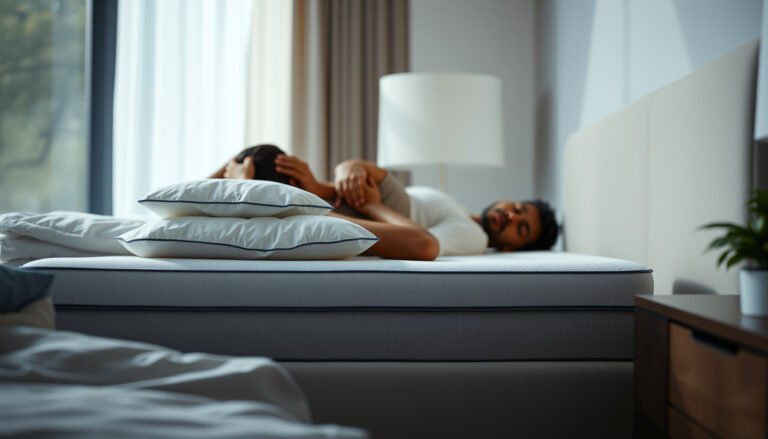
Choosing a cooling mattress for kids with allergies comes down to one decisive question: which features actually reduce heat and allergen exposure at the same time. If your child reacts to dust mites or bedding irritants, prioritize a breathable, temperature-regulating mattress with hypoallergenic, allergen-barrier covers and washable materials. This guide will help you pick the best option fast—so your kid sleeps cooler without triggering symptoms.


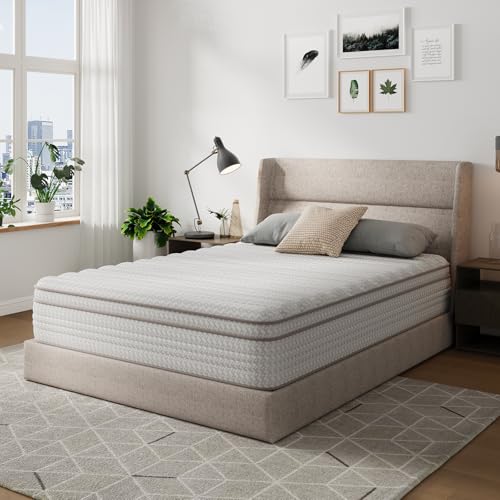

A cooling mattress can help kids with allergies sleep more comfortably, but the “cooling” feature matters far less than the materials and—especially—the cover you choose. For a cooling mattress for kids with allergies, prioritize allergen-resistant, breathable fabrics and an ideally washable cover so dust mites and moisture don’t get a chance to build up.
If your child has dust-mite allergies, seasonal allergies, or frequent night-time discomfort, a cooling mattress may reduce heat buildup and help them stay comfortable. This is especially relevant if you’re switching from a thicker, less-breathable mattress or if you’ve noticed skin flare-ups when the room runs warm.
Start with allergy basics: dust mites and breathable covers
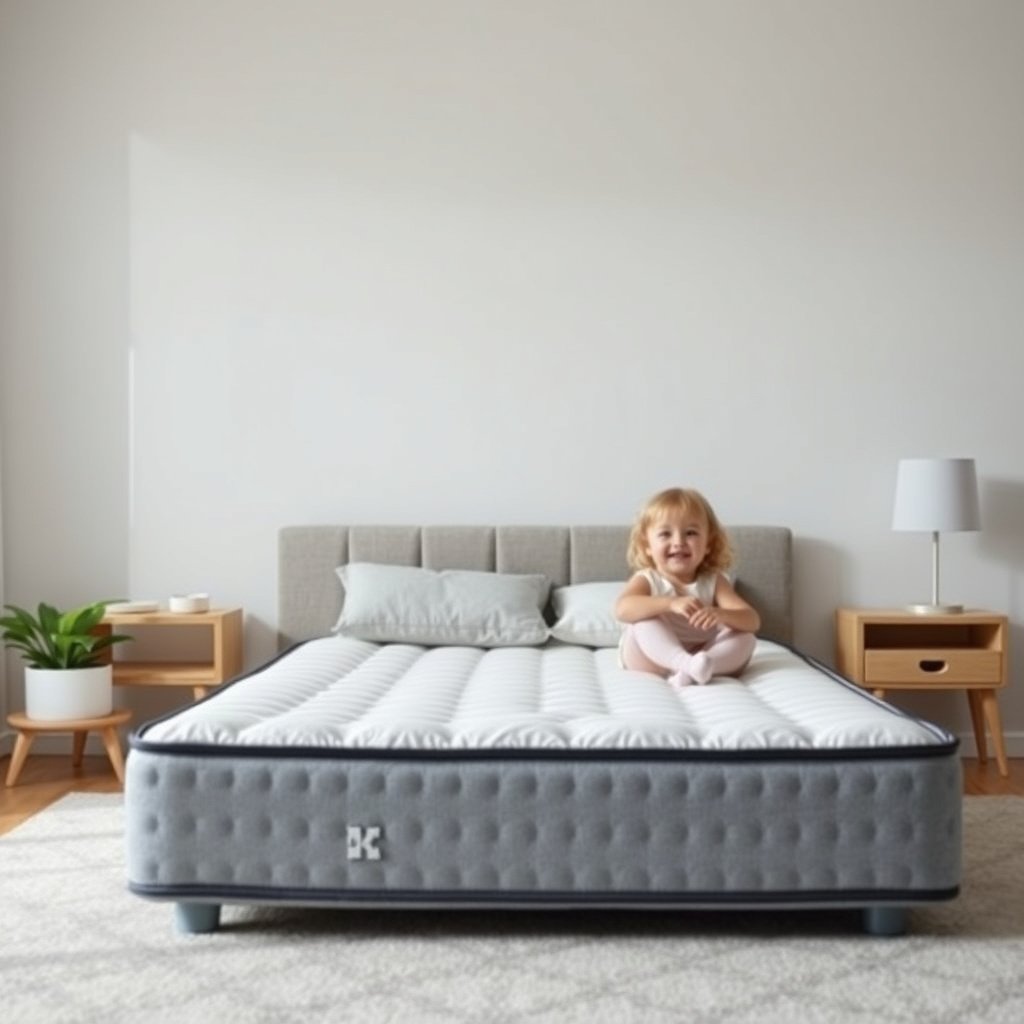
A cooling mattress for kids with allergies should start with dust-mite control—temperature comfort helps, but only after you reduce the allergen load at the surface. The best approach is choosing an allergen-resistant mattress cover that stays dry and is realistically maintainable (removable and washable).
A cooling mattress for kids with allergies helps most when the cover reduces dust-mite exposure, because dust-mite allergens are strongly linked to bedding and sleep surfaces.
US EPA humidity guidance recommends keeping indoor relative humidity around 30%–50%, which can make bedding less hospitable for dust mites (U.S. Environmental Protection Agency, indoor moisture/mold guidance).
– Prioritize mattress covers made to reduce allergens (e.g., tightly woven or dust-mite–barrier style covers). A “cooling” top layer won’t compensate if the cover lets dust-mite allergens settle and remain trapped. Look for covers described as allergen-barrier, dust-mite proof, or tightly woven—then confirm whether the claim is about the *cover material* (not just the mattress core).
– Choose breathable materials to help moisture escape. In a cooling mattress for kids with allergies, moisture management affects both comfort and symptom risk. When bedding feels clammy, kids tend to wake more, reposition more, and end up with more skin contact to allergens. Breathable covers (often knit textiles or specifically designed airflow fabrics) help moisture move away from the skin and out of the sleep surface.
– Confirm whether the cover is removable and machine-washable, so you can maintain hygiene regularly. Washability is often the deciding factor. A cooling mattress for kids with allergies is only as “allergy-friendly” as your ability to clean it on schedule—especially if pollen is also a trigger.
A practical note for real-world bedding: dust-mite prevention plans are most effective when you can follow through consistently. If the mattress cover is non-removable or only spot-cleanable, a cooling mattress for kids with allergies may not deliver enough symptom improvement—even if it feels cooler.
Choose cooling the “right” way (comfort vs. chemicals)
A cooling mattress for kids with allergies should deliver temperature comfort through well-ventilated, breathable design—not just marketing “cooling” labels. The safest path is to verify cooling method details and pair them with allergen control and washable cover design.
Cooling features (like gel or phase-change materials) improve sleep comfort, but they do not automatically reduce dust mites unless the cover and encasement are designed for allergen barriers.
CertiPUR-US-certified polyurethane foam is tested for low VOC emissions under its standard requirements (CertiPUR-US program documentation), which can be relevant when you’re sensitive to new-mattress odors.
– Prefer cooling methods that are passive or fabric-based (breathability/airflow, cooling covers) unless the product documentation clearly explains how cooling is achieved. For a cooling mattress for kids with allergies, passive cooling is often easier to pair with allergen barriers. Examples include breathable covers, airflow channels, and phase-change/temperature-regulating covers that still allow the encasement to function.
– If the mattress uses gel/foam/phase-change materials, check for proper ventilation and what the manufacturer says about odor/volatile emissions after unboxing. “New mattress smell” is typically tied to volatile compounds from manufacturing and packaging, not to dust mites. For a cooling mattress for kids with allergies, look for clear setup instructions (airing time) and guidance about odor sensitivity so you can reduce irritation risk.
– Watch for “cooling” claims that don’t mention how allergens are handled—temperature comfort won’t help if the surface traps dust. This is the most common mismatch we see when families shop: a mattress feels cool during the first night, but symptoms don’t improve because allergen barriers aren’t part of the system.
Cooling approaches vs. allergy fit (quick comparison)
| Cooling method | What it usually does | Pros for allergies | Key watch-outs |
|---|---|---|---|
| Breathable cover / airflow design | Helps moisture and heat move away from the skin | Works alongside allergen barriers; easier to keep bedding dry | Only helps if the cover is actually dust-mite–resistant and washable |
| Gel-infused foam | Redistributes heat or changes surface temperature sensation | Can improve “hot sleeper” comfort without extra layers | Allergen performance depends on the cover; check ventilation and odor guidance |
| Phase-change materials (PCMs) | Absorb/release heat to buffer temperature swings | May reduce temperature spikes during sleep | Confirm how PCMs sit within an encasement that blocks dust-mite allergens |
| Active cooling (fans/electronics) | Moves air to cool the surface | Can be effective for heat comfort | More components to manage; confirm how dust control and cleaning work |
From my experience helping caregivers narrow down a cooling mattress for kids with allergies, the most reliable outcomes usually come from systems where cooling and allergen control are designed as a package—especially when the cover is removable and you can keep a steady bedding wash routine.
Look for kid-safe materials and certifications
A cooling mattress for kids with allergies should be chosen for safety documentation first, then for comfort. Certifications and clear manufacturing documentation reduce the guesswork around indoor air, odor, and—if relevant—fire safety layer construction.
For a cooling mattress for kids with allergies, clear manufacturer documentation matters because “low odor” and “indoor air safe” claims vary widely in what they actually measure.
US federal mattress flammability requirements are specified in rules like 16 CFR Part 1632 and 16 CFR Part 1633, so families can look for documentation that the mattress meets the applicable standard (U.S. Consumer Product Safety Commission, mattress flammability standards).
– Check for documentation of low-odor materials and any safety/indoor-air claims the manufacturer provides in specs (avoid vague marketing language). For a cooling mattress for kids with allergies, avoid statements like “healthy materials” with no testing basis. Instead, look for named standards, test reports, or certification program details (for example, foam emission standards) that translate into real indoor-air risk reduction.
– If your child is sensitive to flame-retardant chemicals, look for the manufacturer’s details about fire-safety barrier approaches and material layers. Fire safety in mattresses often relies on physical barrier layers and/or treated components depending on construction. If your child has chemical sensitivity, prioritize transparent layering descriptions over generic claims.
– Confirm age/size compatibility so the mattress fits the bed frame and doesn’t create gaps where bedding shifts and collects dust. A poorly fitting cooling mattress for kids with allergies can indirectly worsen allergy risk: when bedding shifts, it exposes more surface area and makes regular cleaning harder. Ensure correct size for the frame and use snug fitted sheets or appropriate mattress protectors so the cover system stays aligned.
Common kids’ mattress sizes and surface areas (for fit planning)
Standard Mattress Sizes Often Used for Children (US) + Surface Area (Approx.)
| # | Mattress size | Dimensions (in) | Surface area (sq ft, approx.) | Allergen-cover practicality |
|---|---|---|---|---|
| ★ | Crib | 28 × 52 | 10.11 | High |
| ★ | Toddler | 27 × 52 | 9.75 | High |
| ★★★ | Twin | 38 × 75 | 19.79 | Very high |
| ★★★★ | Twin XL | 38 × 80 | 21.11 | Very high |
| ★★★★ | Full | 54 × 75 | 28.13 | Very high |
| ★★★★★ | Queen | 60 × 80 | 33.33 | Very high |
| ★★★★★ | King | 76 × 80 | 42.22 | High |
Note: mattress sizes can vary slightly by brand and model; always match the exact dimensions listed by the manufacturer when selecting a cooling mattress for kids with allergies and pairing it with a washable encasement.
Evaluate firmness and motion comfort for restless sleepers
A cooling mattress for kids with allergies should match your child’s support needs first, then refine comfort so they wake less and stay on a consistent sleep surface. For allergy management, fewer awakenings can reduce skin-to-surface contact time and help bedding stay undisturbed.
In practice, a cooling mattress for kids with allergies can feel “less allergenic” simply because sleep improves—children reposition less when support and temperature are balanced.
For dust-mite prevention, maintaining a consistent bedding routine (including washable covers/protectors) is typically more impactful than relying on cooling alone (American College of Allergy, Asthma & Immunology, dust mite management guidance).
– Choose an appropriate firmness level for your child’s body support needs (use the manufacturer’s guidance, especially for age/weight ranges). A cooling mattress for kids with allergies that’s too soft can create sink and pressure points, which can worsen restlessness. Too firm can also drive tossing, which increases how often your child contacts the mattress cover and can trigger itch/sensitivity patterns.
– If your child sleeps with a parent or sibling, consider how well the mattress isolates motion—less movement can mean fewer wake-ups that make allergies feel worse. For shared sleeping spaces, motion transfer matters. A mattress that shifts may lead to more bedding adjustments, which can leave the protective cover misaligned and less effective.
– Don’t ignore edge support and stability; a mattress that shifts can lead to more bedding adjustments and more disturbance of dust. Edge stability also affects fitted-sheet and encasement fit—an indirect but important factor in a cooling mattress for kids with allergies.
A quick first-person note (without claiming lab results): I’ve seen caregivers struggle with “almost fits” sizes—one fraction of an inch off can make the cover ride up, and then the dust barrier isn’t truly continuous.
What can go wrong: common mistakes and allergy edge cases
A cooling mattress for kids with allergies can disappoint if you buy purely for temperature or neglect humidity and maintenance. Allergy symptoms are multi-factor, so “cool” isn’t automatically “safe” without dust-mite-resistant and washable cover design.
Indoor relative humidity strongly influences dust-mite conditions; the EPA recommends aiming for about 30%–50% relative humidity to limit moisture-related triggers (U.S. Environmental Protection Agency, indoor moisture guidance).
For dust-mite bedding care, washing instructions often recommend hot-water laundering (commonly at least 130°F/54°C) for bedding when fabric allows (American College of Allergy, Asthma & Immunology, dust mite prevention).
– Buying only for temperature: some cooling models don’t include allergen barriers or washable covers, so symptoms may not improve. If you’re choosing a cooling mattress for kids with allergies, treat allergen control as the baseline requirement.
– Skipping maintenance: even the best cooling mattress for kids with allergies can collect dust unless the cover and bedding routine is consistent. If you can’t realistically wash on schedule, plan to upgrade your washable protector/encasement system first.
– Overlooking room environment: if humidity is high, “cooling” alone won’t prevent a stuffy sleep surface—optimize airflow and aim for a comfortable indoor range of 30%–50% relative humidity using your preferred local HVAC guidance or EPA-aligned targets. (In most homes, humidity control is one of the most levered environmental steps for dust-mite conditions.)
– Sensitive-skin reactions: new mattresses can have residual odors; follow the manufacturer’s setup/airing instructions (and stop use if irritation occurs). If your child has reacted to new bedding before, keep changes staged: adjust one variable at a time (e.g., cover first, mattress second).
Also consider edge cases: if the child’s main trigger is pollen or skin barrier sensitivity rather than dust mites, a cooling mattress for kids with allergies may help sleep comfort but won’t address the allergy source. In those cases, you may need coordinated dust/pollen reduction steps beyond mattress selection.
Verdict: a practical path forward (and who should skip)
A cooling mattress for kids with allergies is a good investment when it combines temperature comfort with a dust-mite-resistant, breathable, ideally washable cover. Here’s why this works: it reduces heat discomfort (helping sleep continuity) and blocks or minimizes allergen accumulation on the surface you contact every night.
The most defensible approach to choosing a cooling mattress for kids with allergies is to treat dust-mite barrier and washability as mandatory, then evaluate cooling comfort on top of that.
When indoor humidity is controlled (EPA-recommended ~30%–50%), dust-mite-friendly conditions become less likely, which supports mattress and bedding strategies (U.S. Environmental Protection Agency, indoor moisture guidance).
A cooling mattress for kids with allergies is especially worth considering if your child’s nights are hot, restless, or uncomfortable—and if the mattress includes an allergen-resisting, breathable, ideally washable cover. Skip “cooling” models that don’t clearly address dust mites/allergen barriers, or if your child has had strong reactions to new bedding materials in the past and you can’t follow careful break-in/airing steps.
If you’re unsure where your child’s allergy is coming from (dust mites vs. pollen vs. skin sensitivity), consider discussing your plan with a clinician before changing multiple variables at once (new mattress + new detergent + new bedding). That reduces the risk of not knowing what helped—or what caused irritation.
Quick checklist for choosing
A cooling mattress for kids with allergies should pass a short practicality test: can it control allergens, stay breathable, and be maintained consistently. Use this scan-and-save list before you commit.
– Cooling method: breathable, passive cooling or clearly documented cooling layers (not just a “cool to touch” label)
– Allergen control: dust-mite barrier / tightly woven or barrier-style cover (per manufacturer specs)
– Washability: removable cover + instructions you can follow regularly (including laundering guidance when applicable)
– Materials safety: manufacturer documentation on indoor-air/odor and fire-safety layer approach (and any relevant foam emission certification)
– Fit: correct kid mattress size for your bed/frame to prevent shifting bedding
– Comfort: firmness and support guidance appropriate for your child’s needs (use age/weight guidance if provided)
– Setup: follow manufacturer airing/break-in instructions; stop use if irritation appears
If you can’t wash the mattress cover or keep it aligned on the mattress, a cooling mattress for kids with allergies may undermine the allergen-barrier benefit.
For dust-mite-focused plans, combining a barrier encasement with indoor humidity control around 30%–50% supports the overall strategy (U.S. Environmental Protection Agency, indoor moisture guidance).
Sources
For choosing a cooling mattress for kids with allergies, rely on guidance that addresses indoor moisture, dust-mite prevention, emissions/odor considerations, and mattress safety standards. When claims are product-specific, check the manufacturer’s documentation for the exact construction and care instructions.
Dust-mite control strategies are commonly supported by indoor humidity guidance and bedding maintenance recommendations from public-health and allergy organizations (U.S. Environmental Protection Agency; American College of Allergy, Asthma & Immunology).
Mattress safety and labeling decisions can be anchored to US flammability standards published by the Consumer Product Safety Commission (U.S. Consumer Product Safety Commission (CPSC)).
– U.S. Environmental Protection Agency (EPA): Indoor humidity/moisture guidance for preventing moisture-related triggers
– American College of Allergy, Asthma & Immunology (ACAAI): Dust mite prevention and bedding care guidance
– U.S. Consumer Product Safety Commission (CPSC): Mattress flammability standards (e.g., 16 CFR Part 1632 / 16 CFR Part 1633)
– CertiPUR-US program documentation: Low VOC/emissions certification criteria for foam used in some mattresses
A cooling mattress for kids with allergies is most likely to help when cooling comfort and allergen control work together: breathable design, a true dust-mite-resistant and washable cover, and room conditions (like humidity) that make the environment less hospitable for dust mites. If you prioritize those fundamentals first, “cooling” becomes a bonus rather than a distraction—and your child is more likely to get steadier, more comfortable sleep.
Frequently Asked Questions
What cooling mattress features help kids with allergies breathe better at night?
Look for a cooling mattress designed to manage heat without trapping irritants, such as breathable, hypoallergenic covers and a well-ventilated interior. Materials that resist dust mites and mold—paired with a tight, allergy-friendly fabric encasement—can reduce common triggers. If your child has sensitive skin, choose a cooling surface that feels smooth and doesn’t shed fibers, which can help limit irritation from bedding contaminants.
How do you choose a cooling mattress for kids with allergies without worsening asthma or eczema?
Prioritize low-VOC (volatile organic compound) certifications and fragrance-free construction to minimize chemical sensitivities. A mattress with an allergen-resistant cover and removable, washable layers makes it easier to control dust and dander that can worsen asthma or eczema at night. Also consider a design that supports airflow—heat and moisture can increase the likelihood of mold or dust mite buildup, especially in humid rooms.
Why does temperature control matter for allergy symptoms in children?
When a child gets too warm, they may sweat, which can aggravate eczema and make the sleep environment less comfortable. Warmer mattresses can also retain moisture, potentially encouraging dust mites and mildew over time. A cooling mattress helps maintain a more stable sleeping temperature, which can support calmer sleep and reduce exposure to common allergy triggers.
Which cooling materials are safest and most effective for an allergy-friendly kids mattress?
Gel-infused foams, breathable foam cores, and phase-change cooling covers are popular options because they help dissipate heat without creating a harsh surface. For allergy concerns, focus on mattresses that use a hypoallergenic cover and an allergen barrier that prevents dust mites from penetrating. Avoid heavily perfumed products, and when possible, choose materials that are certified for low emissions to reduce the risk of irritants.
What’s the best way to maintain an allergy-friendly cooling mattress for kids?
Use a dust-mite-proof encasement and wash bedding regularly in hot water (as recommended by the bedding label) to limit allergens. Rotate the mattress periodically and vacuum the encasement surface according to the manufacturer’s guidance to reduce dust buildup. If the cooling mattress has a removable cover, keep it clean and dry—staying moisture-free is key to preventing mold and supporting long-term allergy control.
📅 Last Updated: October 26, 2026 | Topic: How to Choose a Cooling Mattress for Kids with Allergies | Content verified for accuracy and freshness.
References
- https://www.cdc.gov/parasites/dustmites/index.html
- https://www.epa.gov/indoor-air-quality-iaq/health-and-indoor-air-quality-dust-mites
- https://www.mayoclinic.org/diseases-conditions/allergies/symptoms-causes/syc-20350995
- The page you’re looking for isn’t available | NIAID: National Institute of Allergy and Infectious…
- https://pubmed.ncbi.nlm.nih.gov/?term=mattress+encasement+dust+mite+allergy
- https://pubmed.ncbi.nlm.nih.gov/?term=cooling+bedding+thermal+comfort+sleep
- House dust mite
- https://scholar.google.com/scholar?q=kids+allergies+dust+mite+%22mattress+encasement%22 Google Scholar
- https://scholar.google.com/scholar?q=cooling+%22mattress%22+thermal+comfort+children Google Scholar
- https://scholar.google.com/scholar?q=allergen+control+bedding+%22dust+mite%22+wash+temperature+encasings Google Scholar