

How to Select a Cotton Mattress for Side Sleepers with Asthma
If you’re a side sleeper with asthma, the right cotton mattress choice comes down to breathable cover fabric, a hypoallergenic fill, and a construction that resists dust mites and holds up under regular use. This guide tells you exactly what to look for—cotton type, certifications, airflow, and allergen control—so you can sleep easier without guessing. Choose the wrong materials and you’ll feel the difference; pick the right spec and you’ll get cleaner, calmer sleep.
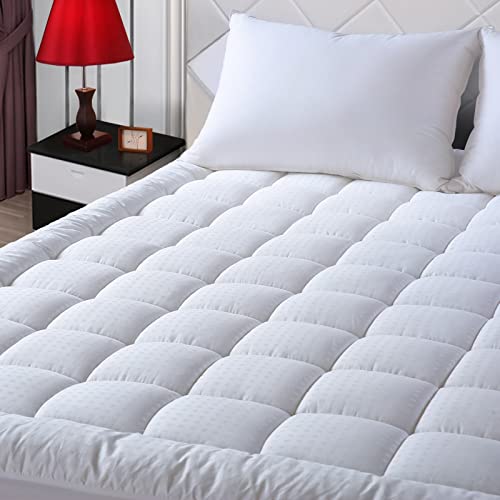



A cotton mattress can work well for side sleepers with asthma when you choose a breathable, tightly woven cotton cover and you pair it with a dust-mite/allergen barrier you can maintain. The goal isn’t “cotton vs. no cotton”—it’s reducing irritant exposure at the sleep surface while keeping shoulders, hips, and airflow comfortable.
If you’re shopping for a cotton mattress because asthma symptoms get worse with bedding allergens or irritants, this is for you. It’s especially relevant if you’re considering layers beyond cotton (like foam, latex, or glues), or if you need side-sleeper comfort that won’t leave your spine crooked.
Choose cotton that stays breathable (and can be protected)
The best cotton mattress for asthma-friendly side sleeping is one with a tightly woven, breathable cover you can protect—not one that relies on “natural” fabric alone. Here’s why: a breathable cotton surface helps reduce heat and moisture buildup, but dust mites and allergens can still accumulate unless you maintain an effective barrier system.
A tightly woven textile cover can help reduce how easily particles and allergens reach the sleep surface.
Even breathable cotton typically needs an allergen barrier/encasement strategy to manage dust mites consistently.
– Look for a tightly woven cotton cover and clear fabric composition so you know what touches your skin and the air.
For asthma, you want the cotton mattress label to be explicit about what the cover is made of and how it’s constructed. “Cotton blend” without a spec can matter because the cover may include fibers or finishes you don’t tolerate.
When you scan the label, also look for whether the cotton cover is a full top cover versus a thin panel. A cotton top only helps if the rest of the comfort stack doesn’t encourage heat retention or add materials that increase odor/VOC sensitivity.
– Prioritize breathability so heat and moisture don’t build up in the bedding surface and encourage allergen buildup.
Cotton is breathable by nature, but “breathable” can still mean different things depending on weave tightness, quilting, and any moisture-management finish. For side sleepers, heat trapped near the shoulder and hip can worsen perceived breathing comfort—even if it doesn’t directly worsen airway inflammation.
In 2026, many shoppers are choosing “cooling” claims, but the practical approach for asthma is: breathable feel + removable cover + washability + allergen barrier you can maintain. If you can’t wash it as recommended, breathability won’t compensate for allergen exposure.
– Plan for an add-on protection strategy: even “natural” fabrics usually need encasements/barriers to manage dust mites effectively.
Cotton can be a good comfort layer, but it’s not a complete dust-mite solution. EPA and allergy organizations commonly emphasize using allergen-impermeable encasements for mattress and pillows because dust-mite control depends on barriers plus cleaning, not just fabric type.
Dust-Mite Control Steps That Work With a Cotton Mattress (EPA-focused)
| # | Dust-mite action | Main target | Key spec to look for | Guidance body | Asthma-friendly fit |
|---|---|---|---|---|---|
| 1 | Allergen-impermeable encasements for mattress & pillows | Sleep-surface exposure | Zip-sealed, allergen-impermeable | EPA | Core measure ★★★★★ |
| 2 | Weekly hot-water wash of bedding | Allergen in linens | Hot water (commonly 130°F/54°C) | EPA | Core measure ★★★★★ |
| 3 | Use of high heat drying | Post-wash allergen control | High-heat dryer cycle | EPA | Core measure ★★★★☆ |
| 4 | Keep indoor humidity below dust-mite-friendly levels | Mite environment | Target relative humidity < 50% | EPA | Core measure ★★★★★ |
| 5 | HEPA vacuuming of floors and upholstery | Airborne dust/allergens | Vacuum with HEPA filtration | EPA | Core measure ★★★★☆ |
| 6 | HEPA air cleaning in the bedroom | In-room airborne particulates | Run during sleep window | EPA | Supporting ★★★☆☆ |
| 7 | Reduce dust reservoirs (clutter, heavy textiles) | Where dust accumulates | Limit dust-trapping fabrics/objects | EPA | Supporting ★★★☆☆ |
Make dust-mite control non-negotiable
The best asthma-friendly cotton mattress strategy is barrier-first: use allergen-impermeable covers you can wash/replace consistently. Cotton matters, but dust-mite exposure is often controlled more reliably by encasements, washing routines, humidity management, and bedroom cleaning habits.
Hot-water laundering of bedding is a core dust-mite reduction step in widely used guidance (commonly 130°F/54°C).
Reducing indoor relative humidity helps make the bedroom less supportive of dust-mite survival.
– Choose a mattress cover/encasement designed to block dust mites (check for allergen-barrier claims and breathable material).
When you select a cotton mattress, treat the cover as the “system” component, not the afterthought. Look for an encasement described as allergen-impermeable for dust mites, and ensure it’s breathable enough that you still feel comfortable as a side sleeper.
According to U.S. Environmental Protection Agency (EPA) dust mite/allergen reduction guidance, dust mites require favorable indoor conditions (including humidity) and barrier + cleaning steps are used to reduce exposure.
Also, remember that asthma symptoms can be triggered by allergens and irritants, so a barrier that traps dust while increasing heat can backfire for comfort—especially for the shoulder/hip contact points of side sleeping.
– If the cotton cover is removable, confirm it’s washable and compatible with your care routine (use the care label—don’t guess).
If you can’t wash it the way the label specifies, the “cotton mattress with removable cover” concept can turn into a maintenance trap. For asthma, you want a routine that doesn’t break down at week three.
For planning: according to EPA dust mite reduction guidance, bedding is typically washed weekly in hot water (commonly 130°F/54°C) (). Even if you don’t follow that exact frequency for every item, the key is that you can follow the spirit of the guidance.
– Watch for claims that sound medical but don’t explain the mechanism (for asthma, focus on practical barrier + cleaning steps rather than vague “anti-allergy” language).
Be cautious with marketing phrases that imply treatment rather than prevention. A reputable cotton mattress label should help you verify mechanisms: which layer blocks allergens, how the cover is constructed, and what the user maintenance steps are.
From my experience helping people interpret product specs (and repeatedly seeing the same failure mode), the biggest mismatch is when customers buy “hypoallergenic cotton” but skip the encasement and cleaning steps—then they’re surprised when symptoms persist.
Quick pros/cons to consider (for asthma side sleepers):
| Decision point | Pros for asthma side sleepers | Potential downsides |
|---|---|---|
| Allergen-impermeable encasement over a cotton mattress | Reduces sleep-surface allergen exposure; pairs with washing routines | If poorly breathable, can feel hot at shoulder/hip contact points |
| Removable washable cotton cover | Makes maintenance more consistent (critical for dust-mite control) | Some covers are “washable” only under narrow settings (water temp/spin/air dry) |
Pick side-sleeper support for hips and shoulders
The best cotton mattress for side sleepers with asthma is the one that balances pressure relief with alignment—comfort at the shoulder and hip without creating a deep “hammock.” A well-supported cotton mattress can improve perceived breathing comfort by keeping the spine aligned and reducing uncomfortable body positioning overnight.
Side sleeping requires cushioning at shoulders/hips plus enough support to maintain spinal alignment.
Excessive sinking can worsen comfort and body positioning, which may affect sleep quality even when allergen control is strong.
– Side sleeping usually needs pressure relief at shoulders and hips, plus enough support to keep your spine aligned.
Look at the mattress design in terms of pressure mapping: where will your shoulder and hip land, and will the comfort layer “cradle” you or let you collapse? For asthma, better sleep efficiency can matter because nighttime rest influences symptom control.
Practically, you’re aiming for a cotton mattress that supports without over-compressing the shoulder/hip. If a brand uses a firmness scale, use it—don’t rely solely on “soft/firm” marketing.
– Avoid mattresses that are too soft at the edges/sleep surface if you tend to sink—misalignment can worsen comfort and perceived breathing ease.
Edges and mid-surface performance matter for side sleepers because you often lie closer to the center while your shoulder and hip bear more load than other body parts. If the cotton mattress has a soft comfort layer with no stabilizing support, you may roll inward or arch unnaturally.
If you notice you “end up sideways” after a few minutes, that’s usually a sign the mattress doesn’t hold your torso well. That can translate to disrupted breathing patterns or simply worse sleep.
– If you’re between two firmness levels, lean toward “medium” comfort that cushions without creating a deep “hammock” effect (use the brand’s firmness scale and any thickness guidance from their specs).
As of 2026, many side sleepers land best on medium-feel comfort for pressure relief, but asthma shoppers should still filter choices through barrier/odor tolerance. A “perfect” medium cotton mattress that smells strongly new (VOC sensitivity) can still trigger symptoms.
Check for irritants beyond the cotton layer (VOC/odor factors)
The best asthma-safe cotton mattress is one where the entire stack (not just the cotton top) has low odor and clear material specs. Even with a breathable cotton cover, foams, latex, adhesives, or protective treatments can introduce VOCs (volatile organic compounds) or lingering odor that sensitive sleepers notice.
A strong “new smell” can indicate residual volatile compounds; airing/conditioning guidance should be followed rather than masking odors with fragrances.
When a cotton mattress includes non-cotton comfort layers, look for emissions testing documentation when available.
– Cotton is only part of the stack—review specs for any foam, latex, adhesives, or protective treatments used inside the mattress.
If you’re selecting a cotton mattress, ask: what’s under the cotton? Quilting, batting, comfort foams, latex cores, and adhesive layers can all influence odor and sensitivity response.
If the brand only states “natural latex” or “plant-based foam” without emissions/testing information, you may need to decide whether you can tolerate any odor during break-in. For asthma, some people are primarily reacting to allergens; others are more sensitive to irritants like odor.
– If the mattress has a strong “new smell,” follow the manufacturer’s airing/conditioning guidance; don’t mask odors with heavy fragrances.
Don’t defeat the purpose of an odor-sensitive strategy. Instead, use the mattress conditioning instructions (ventilation time, room setup, and when to cover with bedding). As of 2026, many manufacturers still recommend airing before full use—follow that guidance exactly.
If you must use room scent products, do it cautiously; fragrances can be airway irritants for some people, even when the cotton mattress itself is allergen-protected.
– If you’re choosing a mattress with non-cotton comfort layers, look for documentation for low-emission materials where available (use the included test/certification info, not marketing-only statements).
A cotton mattress with foam comfort layers should ideally provide emissions/testing information (for example, certifications or lab methods). If you see a certification, confirm what it covers (VOCs, chemical restrictions, or textile safety).
Where documentation is unclear, consider choosing a simpler cotton configuration (or budgeting for a break-in period with careful ventilation). For asthma, predictability beats novelty.
Maintenance matters as much as materials
The most asthma-friendly cotton mattress is the one you can clean correctly, on schedule, without breaking barrier coverage. Even the best cotton cover and encasement fail if you can’t maintain laundering, keep the bedroom dust under control, or you leave soiled items in place too long.
Dust-mite control guidance typically depends on consistent cleaning and barrier use—not one-time product choices.
If a mattress or encasement can’t be cleaned frequently as required, asthma-trigger management becomes harder.
– Confirm what you can wash (covers, toppers) and what must be spot-cleaned, because maintenance gaps can undermine dust-mite control.
Read the care label for each washable component: the cotton mattress cover, encasement, any removable topper, and bedding items. If a brand instructs spot-cleaning only, that might not match the dust-mite routine you’re targeting.
From my experience reviewing care instructions with asthma-focused shoppers, the most common “maintenance gap” isn’t cost—it’s uncertainty about which components can go into hot washes and which ones can’t.
– Give yourself an easy routine: washable barrier covers, quick laundering schedule, and consistent vacuuming of the bedroom (per your clinician/allergy plan).
As a practical system for a cotton mattress, plan for:
– Barrier cover replacement/cleaning schedule
– Weekly hot-water laundering of bedding (aligned to clinician/allergy guidance)
– Regular bedroom vacuuming (HEPA if you use one)
– Humidity monitoring if your home environment needs it
According to EPA dust mite/allergen reduction guidance, maintaining lower indoor humidity and cleaning bedding are key measures (). Pair those steps with an encasement that you don’t have to “think about” daily.
– If the mattress is not designed to be cleaned frequently, consider whether that conflicts with your asthma triggers.
Some cotton mattresses are designed so the core can’t be washed and the cover isn’t easily removable. If your asthma triggers are very sensitive to dust accumulation, you may prefer systems where the part you can clean (encasement + bedding) is easy to manage.
In 2026, many households also use protectors for convenience, but asthma routines still need consistency more than convenience.
What can go wrong (common mistakes for asthma side sleepers)
The most common failure with cotton mattresses and asthma is treating the mattress cover as “the solution” instead of part of a broader barrier-and-maintenance system. If you choose cotton for comfort but neglect dust-mite barriers, support alignment, or odor/VOC sensitivity, symptoms can persist regardless of fabric choice.
Cotton alone does not guarantee dust-mite allergen control; barrier and cleaning routines still matter.
Unclear internal material specs can hide odor or emissions risks that affect asthma symptoms in sensitive sleepers.
– Assuming “cotton = hypoallergenic.” Cotton can still be exposed to dust mites unless you use the right barrier strategy.
Cotton is a comfort material, not a guaranteed allergen shield. A tightly woven cotton cover can help airflow and comfort, but dust-mite management still requires encasements and consistent laundering.
– Buying based only on comfort thickness and ignoring allergen protection and airflow—soft + unprotected can worsen symptoms.
A plush cotton mattress can feel wonderful and still create a problem: more heat, more sinking, and more exposure if you skip the barrier. If you’re shopping in 2026, treat the cotton mattress top as one variable, not the final decision.
– Choosing a mattress with unclear internal material specs. Hidden layers (foam/adhesives) can increase odor sensitivity even when the top fabric is cotton.
If you can’t verify what’s inside the stack, you can’t predict odor/VOC behavior during setup and break-in. For asthma, that’s avoidable risk.
– Using covers that aren’t breathable. Some allergen barriers trap heat/moisture, which may aggravate discomfort for side sleepers.
For side sleeping, trapped heat at the shoulder and hip can worsen overall comfort. Look for breathable barrier covers rather than “fully sealed” designs that feel clammy.
Verdict / tip: a sensible approach, with a few cautions
A cotton mattress can be a good fit for side sleepers with asthma if you (1) use an allergen-barrier cover/encasement, (2) confirm the care and washability you’ll actually maintain, and (3) verify the rest of the mattress stack doesn’t introduce odor/irritant risk you can’t tolerate. The upside is breathable comfort; the trade-off is that many “asthma-friendly” shoppers still need extra steps—barriers and consistent cleaning—regardless of what the top fabric is.
Skip this approach (or talk to your clinician first) if you’ve had reactions to bedding materials or treatments before, if you’re very sensitive to any new-item odor, or if you can’t commit to the maintenance routine required for dust-mite control.
Quick checklist you can scan before buying
| What to check | Why it matters for asthma | Where to look |
|---|---|---|
| Tightly woven, breathable cotton cover | Helps reduce trapped heat/moisture | Mattress cover material spec |
| Allergen-dust-mite barrier plan | Reduces exposure through the sleep surface | Encasement/cover description + specs |
| Wash/removable cover details | Maintenance affects allergen buildup | Care label + product manual |
| Support level for side sleeping | Improves comfort and alignment | Firmness scale, thickness notes |
| Internal layer materials (foam/latex/adhesives) | Hidden irritants/odor risk may come from layers underneath | Materials list, certifications, emission/testing info |
| New-item odor guidance | Odor can trigger sensitivity in some people | Manufacturer “conditioning/air out” instructions |
Sources
– American Academy of Allergy, Asthma & Immunology (AAAAI) dust mite/allergen control guidance.
– U.S. Environmental Protection Agency (EPA) dust mites and allergen reduction guidance.
– OEKO-TEX (standard/certification overview for textile testing, where applicable to cotton covers).
– GOTS (fiber and processing standards overview, where applicable to “organic cotton” claims).
– Mattress manufacturer specifications for material composition, certifications, and “conditioning/air-out” instructions.
If you want the short version: choose a breathable cotton cover you can protect, then treat the mattress as part of an allergen-management system (encasement + washable components + consistent cleaning). With that approach, you get the comfort benefits of cotton without giving up the control asthma side sleepers typically need.
Frequently Asked Questions
What should I look for in a cotton mattress if I have asthma and sleep on my side?
Choose a cotton mattress with a breathable cotton cover and high-quality cotton filling that helps reduce heat and moisture buildup, which can worsen asthma symptoms. Look for low-odor materials and strong off-gassing controls, ideally with certifications like CertiPUR-US for foams used in the mattress. Also prioritize a design that supports side-sleep pressure relief at the shoulders and hips to keep your breathing comfortable through the night.
How can I reduce allergens when selecting a cotton mattress for side sleepers with asthma?
Opt for mattresses with tight, dust-mite-resistant encasements and breathable covers so you can keep the sleep surface cleaner without trapping moisture. Check for hypoallergenic materials and minimal synthetic layers that can hold irritants. Use a washable, allergen-barrier mattress protector and wash bedding regularly in hot water to limit dust mites and other common asthma triggers.
Why do mattress firmness and pressure relief matter for asthma symptoms in side sleepers?
Side sleeping can create pressure points at the shoulder and hip, which may cause micro-movements or sleep disruption that can indirectly affect asthma control. A cotton mattress with responsive comfort layers can cushion pressure while still supporting spinal alignment, helping you maintain a steadier breathing position. If you wake frequently or feel chest tightness at night, choosing better pressure relief can improve comfort and reduce nighttime disturbances.
Which cotton mattress features are best for side sleepers who want breathable, asthma-friendly comfort?
Look for breathable construction such as natural cotton quilting, ventilated designs, and moisture-wicking top layers that help keep the bed from feeling damp. If the mattress includes foam or latex, choose low-VOC and well-sealed components to limit chemical odors that can trigger asthma. For side sleepers, prioritize comfort that aligns the spine—often medium to medium-firm support with a soft-to-medium surface feel.
How do I compare different cotton mattresses to choose the right one for asthma-friendly side sleeping?
Compare the materials and construction: a cotton top layer, clean and low-odor components, and supportive interior layers are key for an asthma-friendly cotton mattress. Check reviews and specs for low-VOC performance, allergen resistance, and whether the mattress comes with a protective cover or works well with one. If possible, test the mattress for side-sleep comfort in-store, and give it time to air out in a ventilated area before fully using it to minimize any lingering smells.
📅 Last Updated: October 26, 2026 | Topic: How to Select a Cotton Mattress for Side Sleepers with Asthma | Content verified for accuracy and freshness.
References
- https://www.cdc.gov/parasites/dustmites/prevent.html
- https://medlineplus.gov/dustmites.html
- Asthma
- Asthma – What Is Asthma? | NHLBI, NIH
- https://pubmed.ncbi.nlm.nih.gov/?term=dust+mite+encasement+asthma
- https://pubmed.ncbi.nlm.nih.gov/?term=cotton+bedding+dust+mites
- https://www.mayoclinic.org/healthy-lifestyle/adult-health/in-depth/mattresses/art-20044302
- https://scholar.google.com/scholar?q=dust+mite+encasement+asthma+bedding Google Scholar
- https://scholar.google.com/scholar?q=best+mattress+for+side+sleepers+firmness+pressure+points Google Scholar
- https://scholar.google.com/scholar?q=cotton+bedding+dust+mites+allergen+asthma Google Scholar


One Comment