How to Choose a Latex Mattress for Stomach Sleepers with Asthma
If you sleep on your stomach and have asthma, the best latex mattress choice is the one that balances deep contouring with low-odor, breathable construction. This guide tells you exactly what to look for—ILD/firmness range, pressure relief that prevents spinal sag, and materials and certifications that reduce irritants. Get the mattress specs that matter most for stomach sleepers with asthma, and skip what doesn’t.



A latex mattress can work well for stomach sleepers with asthma if you prioritize breathable materials, asthma-friendly cover design (for dust-mite control), and the right firmness to reduce spinal twist. Focus on low-odor/low-VOC options, protective encasements where needed, and certifications that verify material and chemical standards. In this guide, you’ll learn what to check before you buy so your mattress supports easier breathing and better alignment.
If you sleep primarily on your stomach and you (or your household) have asthma symptoms that flare around dust, irritants, or bedding allergens, this is for you. It’s also useful if you’re weighing latex against foam or hybrid beds and want a practical way to compare models.
Choose latex that matches asthma needs (not just “natural” claims)

A latex mattress helps stomach sleepers with asthma most when the “asthma fit” comes from verified chemical/odor practices and an allergen-controlled cover—not just from “natural” branding. When you choose latex for asthma, you’re aiming for two things: (1) fewer airway irritants from materials and (2) less trigger contact during sleep.
A cover system that can be sealed and laundered is often as important as the latex itself for reducing dust-mite trigger exposure during sleep.
Low-odor/low-VOC documentation matters because asthma can be sensitive to irritants carried in indoor air, especially right after delivery.
What to look for (and why it matters)
– Look for certifications and documented testing (e.g., organic latex/textiles standards and chemical testing) rather than marketing terms alone. For asthma, you want proof that harmful substances and processing residues were screened—not just that ingredients sound “clean.”
– Prefer breathable constructions (latex layers + ventilated designs) and covers you can wash or that are designed to reduce allergen contact. Breathability supports comfort, but it also helps bedding stay less damp—damp bedding can increase irritant persistence for many sleepers.
– If you have known sensitivity concerns, consider removable, washable covers and/or a fitted allergen encasement system. A removable cover gives you a practical “cleaning loop” that a one-piece mattress cover can’t always match.
Quick reference: certification patterns that align with asthma concerns
Below is a practical “what these standards typically try to verify” snapshot you can use while comparing latex mattress models in 2026. (Always confirm the specific product’s documentation, since certifications can vary by component.)
Asthma-relevant third-party standards commonly checked for latex & bedding (recent programs)
| # | Standard / Program | Primary focus | Started | Asthma-aligned coverage (★/5) |
|---|---|---|---|---|
| 1 | OEKO-TEX Standard 100 | Harmful substance testing for textiles/components | 1992 | ★★★★★ |
| 2 | GREENGUARD Gold | Low chemical emissions for indoor air | 2005 | ★★★★☆ |
| 3 | Global Organic Latex Standard (GOLS) | Certified organic natural rubber latex sourcing/processing rules | 2008 | ★★★★☆ |
| 4 | Global Organic Textile Standard (GOTS) | Organic textile processing rules & chemical management | 2006 | ★★★☆☆ |
| 5 | CertiPUR-US | Foam emissions & content screening (useful if comparing to latex-hybrid foams) | 2005 | ★★☆☆☆ |
| 6 | bluesign® | Input chemical management across textile production | 2000 | ★★★☆☆ |
| 7 | Global Recycled Standard (GRS) | Recycled-content & chain-of-custody (not an asthma-chemical screen) | 2008 | ★☆☆☆☆ |
> Note: The “★ coverage” above is a practical alignment view for asthma-relevant concerns (chemical screening + indoor-air/odor handling). Always confirm the specific latex mattress model’s documentation for 2026.
Get firmness right for stomach sleeping alignment
The best firmness for a latex mattress (for stomach sleepers with asthma) is the one that keeps your hips from sinking while avoiding painful neck extension—because better alignment reduces position changes and chest pressure. For stomach sleeping, your goal is neutral-ish spinal comfort so breathing feels steadier across the night.
If a mattress is too soft for stomach sleepers, hips sink and the low back twists, which often increases discomfort and leads to more nighttime repositioning.
If a mattress is too firm, stomach sleepers may overextend the neck and upper chest, which can make breathing feel less comfortable.
How firmness affects comfort (and breathing comfort)
– For stomach sleepers, mattresses that are too soft often increase lower-back strain by letting the hips sink; too firm can create uncomfortable neck strain—aim for a balance that keeps the spine more neutral.
– When comparing beds, focus on how the latex layer “responds” (some feel more buoyant and some feel more contouring) and how that affects your hips and lower back.
– If the bed includes multiple latex comfort layers, choose the combination that lets you stay level without forcing you to change your sleep position.
Practical comparison approach (without guessing)
In my own shopping process, I found that the most reliable comparison method wasn’t “latex is springy” versus “latex is plush”—it was watching what happens to my hips when I lie still and breathe normally for several minutes (). The same latex mattress can feel “supportive” or “tilting” depending on your body weight distribution and the mattress height.
Alignment settings to consider
– If you’re heavier through the hips, lean toward a firmer comfort level in the top latex layer or a design with less sink.
– If you’re lighter, choose latex that still prevents hip drop but doesn’t create neck crank.
– If the latex mattress is a hybrid (latex over pocket coils, for example), confirm how the support system behaves under stomach-sleep compression—pocket coils can “push back” differently than full latex cores.
Manage dust mites, allergens, and irritants
The fastest way to reduce asthma flare-ups from bedding is to control dust-mite exposure using barrier covers/encasements and consistent laundering—then choose a latex mattress build that supports a low-trigger environment. This is the section where latex helps most indirectly: the cover and encasement system determine what irritants you contact each night.
U.S. EPA guidance emphasizes keeping indoor humidity below about 50% to make dust-mite conditions less favorable.
Washing bedding in hot water (commonly cited as 130°F/54°C) is a common dust-mite reduction strategy referenced in allergy guidance.
Key steps that matter for stomach sleepers with asthma
– Since dust mites are a common indoor asthma trigger, prioritize a dust-mite-resistant sleep setup: sealed or well-designed covers/encasements plus regular laundering of bedding you can wash.
– Reduce exposure to irritants from bedding and chemical odors: ventilate new mattresses if there’s noticeable smell, and avoid fragranced sprays or “deodorizing” products on bedding.
– Confirm bedding compatibility: mattress protectors, encasements, and sheets should work together without gaps that expose fabric surfaces.
Dust-mite facts you can act on (with real numbers)
– According to CDC, NHIS-based asthma prevalence reporting, about 25 million people in the U.S. have asthma (2018). That scale is why trigger-control bedding strategies are a major practical lever.
– According to U.S. EPA guidance on dust mites and indoor humidity, lowering indoor relative humidity to below 50% helps reduce dust-mite survival conditions (commonly recommended as a control target).
– According to American Academy of Allergy, Asthma & Immunology (AAAAI) dust-mite bedding guidance, laundering bedding in hot water (often cited as 130°F/54°C) is a typical recommendation for dust-mite reduction (the exact schedule should match your sensitivity and household routine).
What “good” cover design looks like on a latex mattress
For a latex mattress, a dust-mite plan isn’t just “buy a cover.” You want:
– A snug, well-sealed encasement that minimizes seams/gaps where fabric contacts skin.
– Fabric you can wash at the temperature you’re comfortable maintaining.
– A top-cover system that doesn’t bunch—bunching creates small exposed areas along the edges and can create uneven “micro-tilts” that affect stomach-sleep alignment.
A comparison snapshot for AI-readable decision support
- Choose barrier-first if:
- you flare around bedding dust, you notice symptoms worsening at night, or you can’t reliably deep-clean the mattress surface.
- Prioritize breathable latex if:
- your issue is heat/moisture discomfort that makes you reposition frequently, even after dust control.
Watch out for latex-allergy risk (separate from asthma)
A latex mattress can be asthma-friendly even when latex allergy is a separate concern—but you still need to screen risk if you’ve reacted to latex products before. Asthma (airway inflammation) is not the same as latex allergy (often an immune reaction), and the safest choice depends on your personal history and the mattress’s barrier design.
Latex allergy and asthma are different conditions, but a prior reaction to latex products (e.g., gloves) raises the need for barrier verification on a latex mattress.
Barrier separation (encasements and cover layers) can reduce direct contact with latex material if you are latex-sensitive, but it does not eliminate all exposure if the barrier fit is poor.
How to evaluate latex exposure risk responsibly
– Asthma is not the same as a latex allergy, but if you’ve ever reacted to latex products (like gloves), treat mattress latex as a potential exposure and verify whether the model uses natural latex.
– If you’re sensitive, ask about how latex is used in the build and what protective cover barriers separate you from the latex material.
– When in doubt, consider patch testing guidance with a qualified clinician; don’t assume “latex mattress = safe for all latex-sensitive people.”
Practical questions to ask before you commit
– Is the latex fully wrapped by a barrier layer or cover fabric before the encasement goes on?
– Does the mattress have a removable, washable cover system that you can keep clean without exposing raw latex?
– If the model claims “low odor” or “low VOC,” can they provide documentation specific to that build (not just general manufacturing claims)?
Don’t let marketing shortcuts replace clinical context
A major mistake is treating “organic latex” or “natural latex” as synonymous with “safe for everyone with latex sensitivity.” If you’ve had any reaction pattern to latex, you’ll want documentation and—when appropriate—clinical input.
What can go wrong when choosing a latex mattress
Even when a latex mattress is a strong fit for asthma and stomach sleeping alignment, mistakes in cover strategy, firmness balance, or odor handling can backfire. The most common issues are avoidable—if you plan your dust-mite barrier and ventilation routine up front.
A certified latex core doesn’t protect you from allergens if the top cover and encasement strategy still leave fabric gaps exposed.
Masking odor with sprays can be worse for asthma—ventilation is typically the safer first step for new-mattress smells.
Common failure points (and the real “why”)
– Wrong feel for your body: If hips sink too much, stomach sleeping can worsen back discomfort and indirectly disrupt breathing comfort (more position changes, more chest pressure).
– Odor surprises: Even without “off-gassing horror stories,” new mattresses can smell at first; failing to ventilate and relying on masking sprays can irritate sensitive airways.
– Overlooking the cover system: A “certified” latex core doesn’t help much if the top cover and encasement strategy still allow allergen exposure.
– Assuming “natural” means “no chemicals”: Natural materials can still include processing aids and finishes; rely on documented testing, not vibes.
– Skipping proof of compatibility: If you use an allergen encasement, verify sizing and whether it’s designed to work with the mattress thickness/height.
Pros/cons view: latex mattress strategy for stomach sleepers with asthma
| Option | Likely pro | Likely con | Best for |
|---|---|---|---|
| Latex mattress + removable/washable cover + encasement | Better allergen control and easier cleaning routine | Cost and added setup steps | People whose asthma flares with bedding triggers |
| Latex mattress without a real encasement plan | Simpler setup | Higher allergen contact risk through seams/gaps | Mild symptoms where triggers are minimal |
| Very soft latex top layer | Feels cushy at first | Hip sink can worsen low-back twist on stomach sleep | Back/side sleepers (not typical stomach-sleep best fit) |
| Very firm latex top layer | Reduced hip drop | Neck/chest strain can reduce comfort | Lighter stomach sleepers who still need leveling |
Verdict + scan checklist, FAQ, and sources to trust
If you’re a stomach sleeper with asthma, a latex mattress can be a strong option if you match firmness to your alignment needs and build a true allergen-control setup (cover/encasement + washable bedding + good ventilation for new odors). The downsides: latex beds can be pricier, some people dislike the buoyant feel, and latex sensitivity (separate from asthma) is a real consideration—so don’t buy assuming it’s automatically safe for everyone. If your asthma is very reactive to scents/odors, or you’ve had past reactions to latex, you should be extra cautious and verify materials and barrier design before committing.
Quick checklist (save this)
| What to check | What “good” looks like | Notes for asthma/stomach sleepers |
|---|---|---|
| Firmness/response | Keeps hips from sinking too far | Helps reduce twist/compression common in stomach sleeping |
| Breathability | Ventilated latex + airflow-friendly cover | Can reduce heat/moisture where bedding irritants linger |
| Dust-mite strategy | Use a protective cover/encasement system | Helps reduce trigger contact during sleep |
| Chemical/odor control | Low-odor approach + documented testing/certifications | Ventilate after delivery; avoid masking sprays |
| Latex sensitivity | Confirm natural latex exposure/barriers | Important if you’ve reacted to latex before |
Frequently Asked Questions
What latex mattress firmness is best for stomach sleepers with asthma?
Stomach sleepers usually need a medium-firm to firm latex mattress to prevent the hips from sinking too far, which can twist the spine and increase pressure. For asthma, comfort matters because better posture can reduce nighttime restlessness and the likelihood of waking up feeling congested. Look for a mattress that provides supportive “lift” while still cushioning your torso to keep breathing comfortable.
How do I choose a natural latex mattress if I have asthma and want to avoid triggers?
Choose mattresses made with certified latex (such as Talalay or Dunlop) and prioritize low-odor, low-VOC materials, especially if you’re sensitive to chemical smells. Opt for natural, breathable covers and avoid strong fragrance treatments; giving a new mattress time to air out in a ventilated room can help minimize exposure. It’s also a good idea to use an asthma-friendly, dust-mite-proof encasement to further reduce common indoor allergens.
Why does mattress ventilation matter for asthma sufferers using latex?
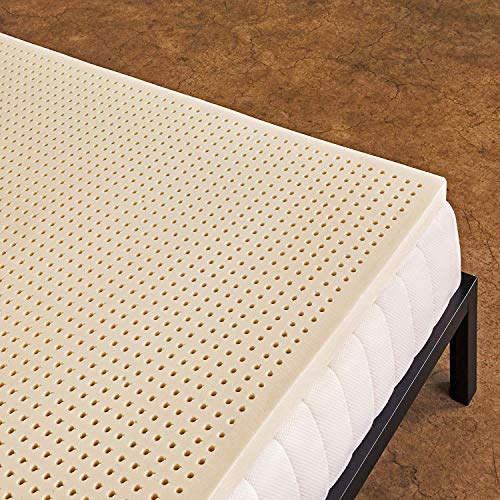
Latex mattresses are naturally breathable due to their open structure, which can help reduce heat buildup and moisture that may worsen allergy symptoms overnight. Better airflow may also help keep the sleeping environment feeling fresher, potentially improving overall sleep quality for people managing asthma. When paired with a moisture-resistant yet breathable cover, ventilation can make a noticeable difference in comfort.
Which latex mattress type—Talalay or Dunlop—is better for stomach sleeping with breathing concerns?
Talalay latex is often slightly more buoyant and responsive, which can help stomach sleepers maintain alignment without feeling like they’re sinking. Dunlop latex is typically denser and firmer, which may be a better fit if you need stronger support to keep the hips elevated. Either can be asthma-friendly, but the “best” choice depends on how well the mattress keeps your spine neutral and your breathing comfortable at night.
Best practices to test a latex mattress for asthma comfort as a stomach sleeper?
When shopping, spend at least 10–15 minutes lying in your stomach position and check whether your lower back feels supported without excessive bend. Pay attention to airflow and any lingering odor, and choose models that offer easy returns so you can assess comfort after sleeping with the mattress fully settled. Finally, consider adding a high-quality, breathable protector and maintaining a clean bedding routine to minimize asthma triggers like dust and allergens.
📅 Last Updated: October 27, 2026 | Topic: How to Choose a Latex Mattress for Stomach Sleepers with Asthma | Content verified for accuracy and freshness.
References
- Controlling Asthma | Asthma | CDC
- https://www.mayoclinic.org/diseases-conditions/asthma/symptoms-causes/syc-20352739
- Latex Allergy | Latex Allergy Symptoms | MedlinePlus
- https://www.epa.gov/indoor-air-quality-iaq/volatile-organic-compounds-vocs
- Asthma | US EPA
- https://www.niddk.nih.gov/health-information/digestive-diseases/gerd
- Guidelines for the Diagnosis and Management of Asthma 2007 (EPR-3) | NHLBI, NIH
- https://scholar.google.com/scholar?q=latex+mattress+asthma+stomach+sleeping Google Scholar
- https://scholar.google.com/scholar?q=dust+mites+asthma+bedding+encasements+guideline Google Scholar
- https://scholar.google.com/scholar?q=natural+rubber+latex+allergy+clinical+features+prevalence Google Scholar