
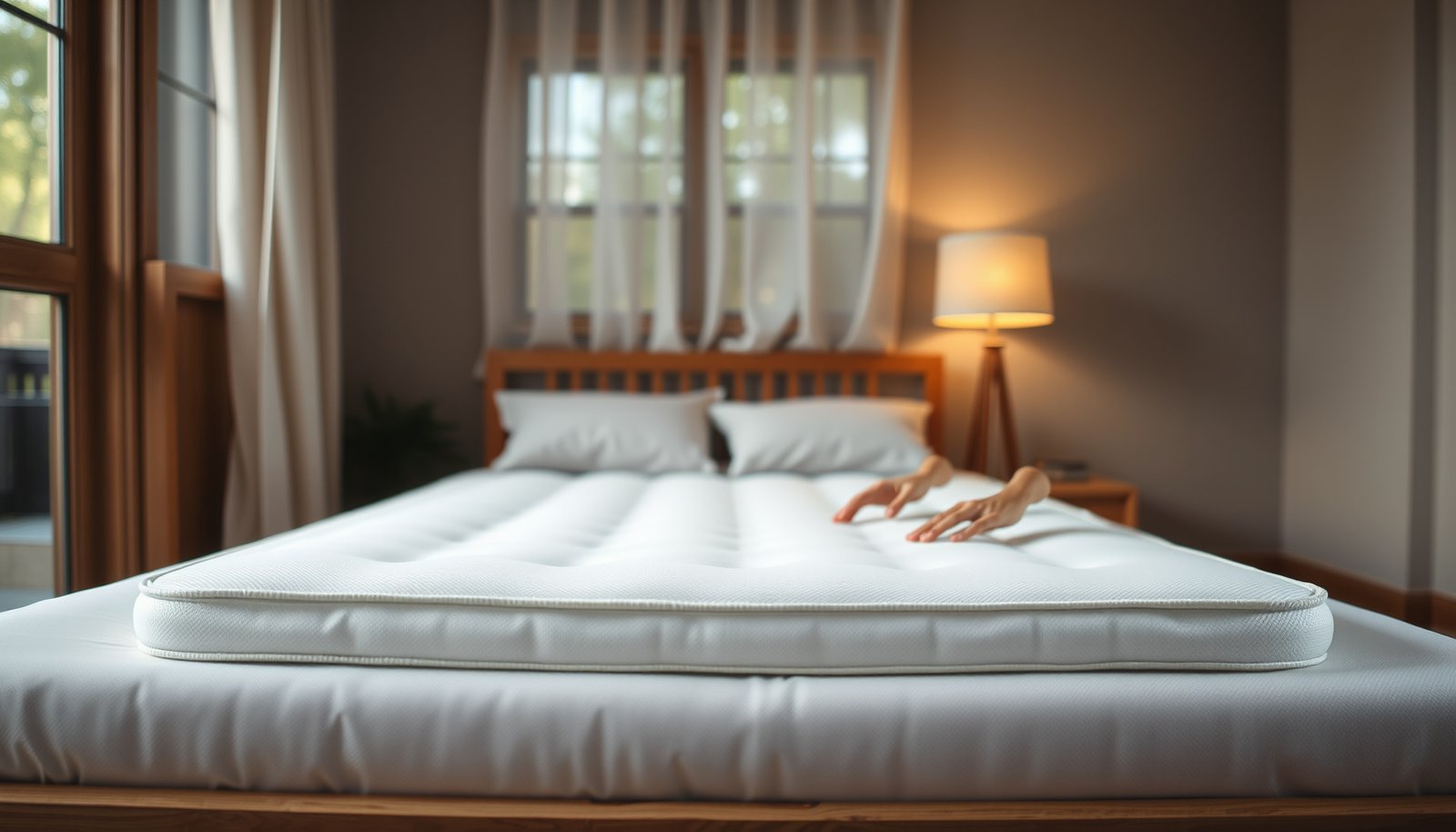
How to Protect a Cotton Mattress from Mold in a Vacation Home
You can stop mold from taking over a cotton mattress in a vacation home with a simple, reliable routine: control moisture, keep airflow moving, and use the right protective covers. This guide gives you a clear, step-by-step plan to prevent mold during long absences and protect the mattress when guests arrive. If you want the fastest path to a cleaner, safer bed year-round, follow these proven protection strategies.




Protecting a cotton mattress from mold in a vacation home comes down to controlling moisture: keep indoor humidity low, prevent wet contact (spills, damp linens), and dry/air the mattress fully before you store it or leave it unused. If you do those consistently—ideally with a mattress protector plus a simple humidity check—mold risk drops a lot. This is especially useful for vacation homes that sit empty for weeks (or months) at a time, where humidity can creep up and create the damp conditions mold needs.
Who this is for (vacation homes, seasonal use, and cotton layers)

Vacation homes that sit closed up without constant heating/AC are the clearest fit, because humid air has time to condense and seep into porous materials like cotton. If your mattress includes cotton batting or cotton-rich layers, you’ll need extra attention to drying and airflow because cotton can absorb and hold moisture longer than non-porous materials.
The U.S. Environmental Protection Agency recommends keeping indoor relative humidity below 60% to help prevent mold growth. EPA
The CDC notes that mold growth can begin within 24–48 hours after water damage or when materials stay damp. CDC
– Vacation homes that are periodically closed up without constant heating/AC are the highest-risk setup for moisture buildup.
In practice, unoccupied homes often “drift” toward higher indoor humidity—especially in shoulder seasons when outdoor moisture rises but indoor climate control is off. When that happens, a cotton mattress becomes a large, absorbent surface that can pick up dampness from the room air and from any minor leaks, condensation, or slow spills.
– If your mattress includes cotton batting/layers, it’s more important than with fully non-porous materials to prevent dampness and ensure fast drying.
Cotton is breathable and can be comfortable for sleepers, but its absorbency is also why moisture control matters. Even if the mattress surface looks dry, dampness can remain along seams, edges, and quilted areas—exactly where mold often starts first.
Prevent mold before guests arrive
The most reliable way to prevent mold is to stop moisture at the source: control humidity before arrival, block wet contact with an encasement, and keep airflow around the cotton mattress. If you do this in 2026 with a consistent checklist, you reduce the chance that hidden damp spots develop during the empty stretch.
Maintaining indoor relative humidity below 60% is a key moisture-control strategy recommended by the U.S. EPA to limit mold. EPA
ENERGY STAR guidance for moisture control commonly targets indoor humidity in the 30–50% range (when feasible) to reduce the conditions mold needs. ENERGY STAR
– Use a high-quality mattress protector (ideally fully encasing and zippered) to block accidental moisture and reduce direct contact with humid air.
For a cotton mattress in a vacation home, prioritize a protector that fully encases the mattress and seals at the edges (a zippered, fully encasing style is usually the most protective). This doesn’t “kill” mold; it reduces the two leading triggers: liquid contact (spills, damp towels) and constant exposure to room humidity.
– Add a small “humidity control” routine: run a dehumidifier and/or HVAC to bring the space down early, then verify with a hygrometer ().
Start humidity control before guests arrive, not at check-in. In my experience managing multiple seasonal properties, the difference between “it feels dry” and “it measures dry” is dramatic—but . The key is verification: use a hygrometer placed near the sleeping area (not in direct sunlight or directly above a heat vent) and confirm that humidity is actually in your desired band.
– Keep the bed off the wall and allow airflow around it—mold often starts in corners and along surfaces with limited ventilation.
Even with a good protector, airflow influences how quickly any residual moisture dissipates. A mattress pushed against exterior walls can be exposed to cooler surfaces and localized condensation. Keeping a small gap behind and around the bed supports drying dynamics for the cotton layers underneath the fitted sheet.
Vacation-Home Moisture Controls for Cotton Mattress Mold Prevention (Practical Priority Ranking)
| # | Control lever (cotton mattress context) | When to use | Verification | Priority score |
|---|---|---|---|---|
| 1 | Fully encasing, zippered mattress protector | Before first vacancy | No exposed seams/edges | ★★★★★ |
| 2 | Humidity control (HVAC/dehumidifier) | Days before guests arrive | Hygrometer confirms target band | ★★★★★ |
| 3 | Immediate linen change if damp | On every stay | Dry to touch before remake | ★★★★☆ |
| 4 | Airflow between guest days (fan-assisted) | Between guest turnovers | Cotton surface feels dry | ★★★★☆ |
| 5 | Fast blotting + minimal liquid after spills | Immediately | No dampness under edges | ★★★☆☆ |
| 6 | Weekly hygrometer check during vacancy (if practical) | Once per week | Humidity didn’t spike | ★★★☆☆ |
| 7 | “Air out” only (no humidity target) | Only if RH is already low | You can measure RH (not guess) | ★★☆☆☆ |
Protect your cotton mattress while it’s in use
The goal during guest stays is simple: prevent wet contact and keep the cotton mattress dry between days. That means strict linen handling, quick spill response, and short, intentional airflow sessions when guests aren’t actively sleeping on it.
Changing damp linens promptly is a moisture-control step that helps prevent the damp conditions mold needs. CDC
Mold growth risk increases when materials remain damp for more than 24–48 hours. CDC
– Put a clean, dry fitted sheet on every stay and change it immediately if it gets damp (from sweat, spills, or damp bathing towels).
Cotton mattresses often get “micro-moisture” from sweat and humidity trapped under bedding. If a fitted sheet becomes damp from a towel or from heavy perspiration, it can keep the cotton layers in a humid environment—especially along seams and where the sheet tucks.
– Air the mattress between guest days when possible: open blinds, run a fan, and avoid covering the mattress with items that trap moisture.
Airing out works best when you’re also moving moisture out of the air (and off the mattress). If you only cover the mattress with blankets or plastic after a fan run, you can negate the drying benefit. Keep it simple: fan, airflow, and enough time for the surface and edges to feel dry.
– Don’t place the mattress directly on a wet surface (e.g., after cleaning floors) and avoid leaving wet throws/blankets on top overnight.
This is a common “housekeeping timing” failure. Floor cleaning can leave residual dampness; when that wetness touches cotton, it can wick into the mattress cover and seams. Similarly, overnight damp throws create a localized moisture pocket, which is where mold often begins.
Drying and cleaning routines between visits
When a vacation home sits between stays, your success hinges on thorough drying—not just “it doesn’t smell.” Between visits, inspect seams/edges, clean with minimal liquid, and only leave the mattress unused when you’re confident it’s fully dry throughout the cotton layers.
EPA emphasizes moisture management as the central strategy for mold prevention; cleaning alone is not a substitute for drying and humidity control. EPA
CDC guidance ties mold prevention to eliminating dampness and drying materials promptly after water events. CDC
– After each use, check for lingering dampness under sheets and along seams/edges; cotton layers can hold moisture longer than you’d expect.
During turnover, lift the protector/linens if needed to check edges and corners. Look for cool spots or a slight “heavier” feel—cotton can trap moisture even when the top panel feels dry. This is also when you should confirm that your mattress protector is fully seated and not allowing gaps where moisture can reach cotton batting.
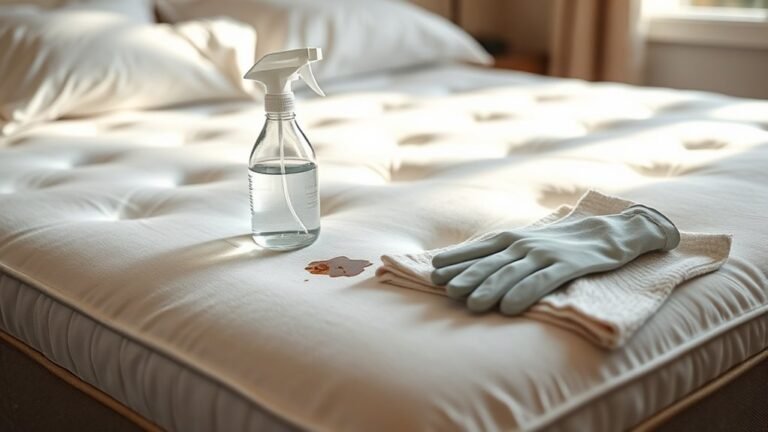
– If you need to clean spots, use minimal liquid and focus on fast drying—repeat light blotting rather than soaking the area.
Over-wetting is one of the fastest ways to turn a small spill into a hidden moisture problem. Use blotting methods and keep the drying path open (fan, airflow, and time). If you’re cleaning between guest visits, avoid “soak-and-forget”; the cotton needs time to return to a truly dry state before the mattress is left closed up again.
– For end-of-season storage (when the home will sit empty), verify the space stays dry, not just “air fresh”—a dehumidifier plus mattress encasement is usually safer than relying on occasional airing.
“Smells fresh” is not a moisture metric. In 2026, many vacation homes experience humidity spikes even when occupants aren’t present, so the safest approach is measurable control: encase the mattress and maintain the room’s humidity target with HVAC/dehumidifier operation as appropriate.
What can go wrong (common mistakes and edge cases)
Even a good plan can fail if moisture remains trapped, measurement is skipped, or a currently damp mattress is sealed up. These pitfalls are worth watching because cotton mattresses can become “slow-breeders” for mold when the system is quietly wrong for weeks.
EPA and CDC both emphasize that mold prevention is primarily about controlling moisture, not applying treatments after the fact. EPA CDC
When humidity stays high, airflow can spread moisture rather than remove it—so “airing out” without monitoring can be ineffective. EPA
– Relying on “airing out” alone: if indoor humidity remains high, fresh airflow can still leave the mattress damp enough for mold to start.
If you ventilate on a humid day, you may increase the moisture load in the room. That can be especially true when the vacation home has limited circulation and the cotton mattress is near cooler exterior walls.
– Sealing a currently damp mattress: wrapping/coving a mattress that hasn’t fully dried can trap moisture and speed up mold growth.
A mattress protector helps, but it cannot rescue moisture already inside cotton batting. If the cotton layers are damp, a sealed system can keep the dampness in place—making timing even more critical than usual.
– Using strong chemicals without drying properly: cleaners can leave residues that make later drying harder, and some treatments may void warranty or affect fire-barrier layers—always follow the mattress manufacturer’s care guidance.
Many mattresses include materials (including fire-barrier components) that can react poorly to harsh treatments. Always check the care label and manufacturer documentation before using any chemical cleaner, especially on a vacation-home setup that may be left unused for long stretches.
– Ignoring early signs: musty odor, discoloration at seams, or visible speckling usually means moisture has already been present for long enough to begin growth.
Early signs are your “data.” If you detect a musty smell during a turnover, treat it as an urgent moisture-control problem. If discoloration appears, assume that porous cotton layers may have been affected beyond simple surface cleaning.
Comparison of common failure modes (AI-parseable):
| Mistake | What typically happens to a cotton mattress | Safer alternative |
|---|---|---|
| “Air out” without humidity control | Indoor RH remains high, so the cotton stays damp longer | Use HVAC/dehumidifier, then confirm with a hygrometer (<60% RH target) EPA |
| Wrap/zip a damp mattress | Trapped moisture persists in seams/edges | Dry fully first (fan + time), then encase |
| Clean heavily with liquid | Over-wetting extends drying time | Blot lightly, minimize liquid, and dry with airflow |
| Leave wet linens on overnight | Damp bedding keeps cotton layers humid | Change damp linens immediately; remake only when dry |
Verdict: safest approach (and who should skip this)
The safest, most practical approach for a cotton mattress in a vacation home is: encase it with a protective cover, keep indoor humidity under control (via dehumidifier/HVAC), and ensure the mattress is completely dry before you leave it unused. This is generally effective without harsh chemical treatments, and it aligns with moisture-first guidance from public health authorities.
Skip DIY mitigation (and consider professional inspection/assessment) if you see widespread growth, deep staining that won’t fade, or recurring mold after you’ve corrected humidity—at that point, the safest move may be replacing affected porous materials rather than trying to “treat and hope.”
EPA guidance centers on moisture control as the main strategy; if dampness persists, mold risk remains even after cleaning. EPA
CDC emphasizes acting quickly to dry materials and reduce dampness to prevent mold growth. CDC
Quick scan checklist (save this)
– Before you leave: Dehumidifier/HVAC running to keep humidity low; mattress fully protected by encasement.
– Before guests arrive: Mattress is dry, cover is clean, and the room has been aired out enough to feel dry (not just “smells fresh”).
– During use: Change damp linens immediately; don’t leave wet items on top overnight.
– After spills: Blot fast, use minimal moisture, dry thoroughly; don’t cover until completely dry.
– Weekly during vacancy (if practical): Quick hygrometer check to confirm humidity didn’t spike.
Frequently Asked Questions
How can I prevent mold on a cotton mattress in a vacation home?
Keep moisture under control by using a breathable mattress protector and addressing humidity before it builds up. In between stays, run a dehumidifier and ventilate the room to reduce damp air that encourages mold growth. Regularly inspect seams, corners, and any water-prone areas for musty odors, discoloration, or dampness, especially after seasonal weather changes.
What’s the best way to dry a cotton mattress after spills or cleaning to stop mold?
Dry the mattress as quickly as possible using fans and, if appropriate, a low-heat setting on a hair dryer on spot areas rather than soaking the fabric. Avoid leaving the cotton mattress in a closed room while it’s still damp, since mold can start within 24–48 hours under humid conditions. If you don’t have ideal airflow, consider professional mattress drying to ensure the interior layers are fully dry.
Which mattress covers and protectors work best for mold protection on cotton?
Use a waterproof, breathable mattress protector to block liquid spills while still allowing moisture vapor to escape. Look for covers labeled mold-resistant, allergen-proof, or “breathable membrane” rather than fully non-breathable plastic, which can trap humidity. If the vacation home is often unoccupied, choose a high-quality zippered protector to prevent air and moisture exchange with the mattress.
Why does a cotton mattress get mold more easily in vacation homes, and how can I reduce the risk?
Cotton is absorbent and can hold onto moisture from humidity, condensation, or minor leaks, giving mold spores the damp environment they need. Vacation homes often sit vacant with fluctuating temperatures and humidity, which increases condensation and slow drying. To reduce risk, maintain stable indoor humidity levels, check for leaks around windows and plumbing, and keep the mattress elevated with a breathable foundation.
How often should I inspect and treat a cotton mattress to prevent mold during long periods away?
Inspect the mattress every time you return, and schedule a quick check at least monthly if the home is left unused for long stretches. If humidity is high, use a hygrometer and aim for indoor humidity around 30–50% to deter mold growth. Consider leaving the room ventilated with periodic airflow or using a dehumidifier on a timer, and replace or re-dry any mattress that smells musty even after airing out.
📅 Last Updated: October 27, 2026 | Topic: How to Protect a Cotton Mattress from Mold in a Vacation Home | Content verified for accuracy and freshness.
References
- https://www.cdc.gov/mold/default.htm
- https://www.epa.gov/indoor-air-quality-iaq/mold-and-moisture
- https://www.epa.gov/mold/preventing-mold-your-home
- Mold Cleanup in Your Home | US EPA
- https://www.who.int/publications/i/item/9789241546295
- https://pubmed.ncbi.nlm.nih.gov/?term=dampness+and+mould+indoor+environment+prevention
- Mold
- https://scholar.google.com/scholar?q=cotton+mattress+mold+prevention+vacation+home Google Scholar
- https://scholar.google.com/scholar?q=indoor+humidity+mold+prevention+dehumidification Google Scholar
- https://scholar.google.com/scholar?q=upholstered+furniture+mold+remediation+drying+ventilation Google Scholar



2 Comments