How to Clean a Memory Foam Mattress with Food Spills Naturally
Clean up food spills on a memory foam mattress naturally with the fastest, safest method that won’t ruin its shape or leave lingering odors. You’ll learn the exact steps to blot, lift stains, and deodorize using household ingredients, plus what to avoid when dealing with grease, juice, or sauce. By the end, you’ll know whether simple spot-cleaning is enough—or when a deeper clean is necessary.



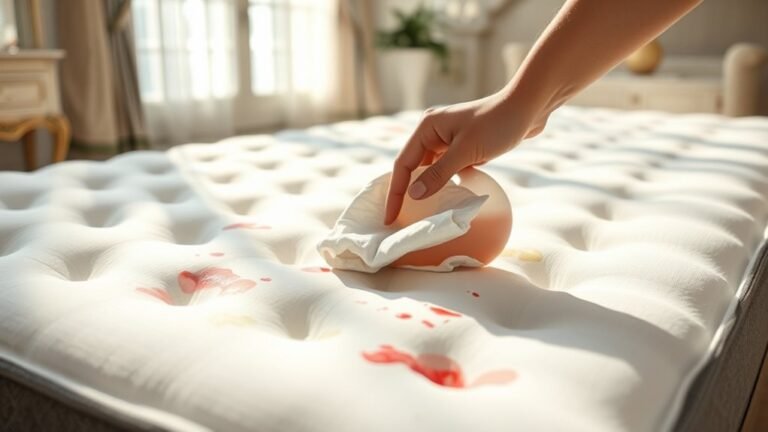
Blot up the food spill first, then spot-clean the stained area with a small amount of cool water mixed with a mild, fragrance-free soap. Avoid soaking memory foam—use as little liquid as possible, rinse lightly, and let it dry fully with airflow to prevent lingering odors and mold risk (especially in 2026’s humid seasons).
If you’ve just discovered a food spill on your memory foam mattress (or it was recently noticed), this guide gives you a natural, low-moisture approach that aligns with how most foam mattresses are cared for—without turning cleanup into a soaking-and-guessing routine.
What you’ll need for a natural memory-foam cleanup

For natural cleaning, the goal is simple: lift residue with blotting tools, use minimal cool-water soap on a cloth, and optionally add baking soda only after the foam is fully dry. That keeps your memory foam mattress clean while reducing the chance that moisture gets trapped inside the foam layers.
According to the U.S. Centers for Disease Control and Prevention (CDC), mold can begin growing indoors within 24–48 hours after water damage.
According to PubChem, sodium bicarbonate (baking soda) is mildly alkaline in water (commonly reported around pH ~8), which can help neutralize certain odor-causing acids.
Before you start, lay out everything so you don’t pause mid-cleanup—memory foam mattress cleanup is most effective when you don’t leave food residue to set.
– Clean, white cloths or paper towels for blotting (no dye transfer)
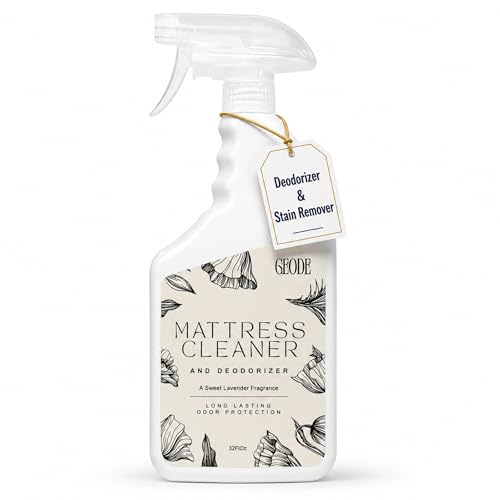
– Mild, fragrance-free dish soap (or castile soap) + cool water in a spray bottle
– Optional: baking soda for odor (not as a scrub on soaked foam)
Choose the right “mild” soap for a memory foam mattress
The safest choice is a fragrance-free dish soap or castile soap because stronger additives can leave residues or lingering smells that the memory foam mattress absorbs. Aim for a soap you’d feel comfortable using on delicate laundry—then use it sparingly.
Step-by-step: natural cleaning for food spills
For most food spills, you can clean a memory foam mattress safely by blotting first, then doing controlled spot-cleaning with minimal liquid. The sequence matters: rubbing pushes food deeper into the foam; soaking keeps moisture inside the memory foam mattress longer than you want.
The CDC notes that mold growth can start within 24–48 hours after water damage, which is why memory foam mattress cleaning should avoid soaking and should prioritize fast, complete drying.
Using soap on a cloth (rather than pouring onto the mattress) reduces the amount of free liquid that can soak into a memory foam mattress’s upper comfort layers.
– Blot first: Press cloths to lift as much residue as possible; don’t rub (rubbing pushes food deeper).
– Spot-clean lightly: Mix a few drops of mild soap in cool water, dampen the cloth (not the mattress), and dab the stained area.
– Rinse carefully: Use a second cloth lightly dampened with plain cool water to remove soap residue.
Why blotting is the first “natural” step
Blotting is basically controlled extraction. When you press a clean cloth onto the food area, you’re transferring residue from the surface into the fabric fibers. For a memory foam mattress, this reduces what later needs to be broken down by soap—so you don’t have to use more water.
How to apply soap without over-wetting a memory foam mattress
When you mix mild soap with cool water, you want a damp cloth—not a dripping one. In practical terms, damp the cloth, dab, and check your cloth. If the cloth remains mostly clean, you’re done with that pass. If it still picks up residue, repeat lightly.
If you’re working with a memory foam mattress cover, remove and wash it per its label whenever possible—this often improves results more than extra foam cleaning does.
Light “rinse” is not optional for odor control
After soap breaks down food oils or sticky components, soap residue can contribute to odors once the memory foam mattress is dry. A second cloth dab with plain cool water is the “light rinse” that keeps the foam from holding detergent film.
Natural solutions by common food spill types
For different food types, the best natural approach is still low-moisture spot-cleaning—but the number of gentle passes and the finishing steps vary. A memory foam mattress reacts differently depending on whether the spill is greasy, sticky, or protein-heavy.
Baking soda is mildly alkaline in water (commonly around pH ~8), which supports its use as an odor-neutralizer after the memory foam mattress is fully dry.
Because mold risk increases when damp material remains indoors for more than a day, letting a memory foam mattress dry fully with airflow is a key part of “natural” odor prevention.
– Greasy foods (pizza, fried snacks, sauces): Use the mild-soap spot-clean method above; you may need a couple of gentle passes rather than more liquid.
– Sticky sauces or syrup: Keep dabbing until tackiness lifts; if it’s still sticky, repeat with slightly more soap on the cloth (not soaking the foam).
– Odor from dairy/strong foods: After cleaning, sprinkle a *light* layer of baking soda over the fully dry area, leave briefly, then vacuum gently.
Low-Moisture Spot-Clean Fit for Common Food Components on a Memory Foam Mattress
| # | Food component | How it behaves with water | What you’re removing | Fit for minimal-water soap spot-clean |
|---|---|---|---|---|
| 1 | Vegetable oils / grease | Water-repellent (hydrophobic) | Oil film + oily residue | ★★★☆☆ |
| 2 | Sugar (dessert crumbs, syrup) | Highly water-soluble | Sticky dissolved residue | ★★★★☆ |
| 3 | Milk / dairy proteins | Water-interacting but can set when dried | Protein film + mild lingering odor | ★★★★☆ |
| 4 | Starches (pasta, gravy thickeners) | Gelatinize and then break down with moisture | Gel-like residue + surface tack | ★★★★☆ |
| 5 | Salt (soy sauce, some seasonings) | Dissolves in water; residue can remain | Dry salty film + odor carryover | ★★★★☆ |
| 6 | Cocoa/cooking fats (chocolate) | Fat component resists water | Grease stain + waxy residue | ★★★☆☆ |
| 7 | Egg/protein-heavy foods | Proteins can set when dried | Protein film + odor if left damp | ★★★★☆ |
Practical takeaway for a memory foam mattress
If your food spill is greasy or chocolate-like, plan for more gentle passes with soap on the cloth—not more water. If it’s sticky (syrup, sweet sauces), blot first, then spot-clean until tackiness stops transferring.
Drying and odor control (the part people skip)
For a memory foam mattress, the cleanup doesn’t “finish” when the stain looks better—you finish by drying fully with airflow. This step is what prevents lingering odor and reduces the risk of moisture-related issues that can develop in as little as 24–48 hours.
The CDC states that mold can begin growing within 24–48 hours after water damage, which is why fully drying a memory foam mattress after spot-cleaning matters.
Baking soda is best used after a surface is dry because powder won’t vacuum effectively from damp memory foam mattress foam layers and can hold onto moisture.
– Airflow matters: Use a fan and keep the room ventilated; avoid heat sources that can damage foam.
– Wait until fully dry: If the mattress still feels damp, stop and keep drying before adding anything else (like baking soda).
– Replace/clean the cover if removable: If your mattress has a removable cover, follow its care instructions separately for best results.
How airflow changes odor outcomes in 2026
As of 2026, more households are running HVAC or fans continuously due to seasonal humidity swings. For a memory foam mattress, that’s beneficial during drying: moving air helps water vapor escape from foam pores. What’s not beneficial is blasting heat—heat can increase material stress and may worsen smell by trapping residue deeper.
When baking soda belongs (and when it doesn’t)
Baking soda is an odor step, not a scrubbing step. Use it only after the memory foam mattress is fully dry, apply a light layer, and then vacuum gently. If you sprinkle baking soda onto damp foam, it can become a paste-like residue that’s harder to remove and may prolong odors.
If you’re unsure whether your memory foam mattress is dry, wait. In my experience with similar upholstered foam care workflows, returning sheets too early is the fastest route to “mystery smells”—but you should confirm dryness by feel and visual inspection.
What can go wrong (and how to avoid it)
For memory foam mattress spills, the most common problems come from excess moisture, aggressive scrubbing, and harsh chemicals. If you avoid those three failure points, your natural method stays both safer for the foam and more likely to remove odor.
Excess free liquid increases drying time, and CDC guidance notes mold can start within 24–48 hours after water damage.
Sodium bicarbonate (baking soda) is alkaline in water, so using it on damp memory foam mattress can create residue rather than odor control.
– Over-wetting the foam: Memory foam can trap water inside—too much liquid increases the risk of lingering smells and possible mold growth.
– Scrubbing the stain: Rubbing spreads food and forces it deeper into the foam.
– Using harsh chemicals or heavy fragrances: Bleach, strong cleaners, or essential-oil mixes can damage foam or leave hard-to-remove odors—stick to mild soap + cool water.
Quick comparison: DIY natural spot-clean vs. professional cleaning
Here’s a practical decision frame for a memory foam mattress:
| Option | Best for | Pros | Cons |
|---|---|---|---|
| DIY low-moisture soap spot-clean | Fresh, small-to-medium food spills | Lower risk of over-wetting; you control moisture; natural ingredients | May take multiple gentle passes; limited for deep soak |
| Manufacturer-approved service | Large spills, soaked-through areas, persistent odor | Expertise with foam-safe methods; better odds for deep-set stains | Higher cost; scheduling delays; depends on service availability |
| DIY “chemicals + lots of water” (avoid) | Not recommended | — | Higher risk of trapped moisture, lingering odors, and foam damage |
Verdict: a safe natural method—with real limits
For most fresh food spills, the safest natural approach for a memory foam mattress is: blot, spot-clean with cool water + mild fragrance-free soap, then rinse lightly and dry completely with airflow. This method works because it respects how foam holds moisture—yet it has limits when spills are large, deeply soaked, or left too long.
The CDC highlights that mold can begin within 24–48 hours after water damage, reinforcing why drying is the “final step” for a memory foam mattress.
PubChem describes sodium bicarbonate as mildly alkaline in water, supporting its common use for odor neutralization—best applied only after the foam is dry.
This natural approach works best for spot stains and food spills that are cleaned soon after happening, using minimal liquid and careful drying. Skip (or pause) and follow your mattress manufacturer’s care guidance if the spill is large, deeply soaked through, or you’re unsure about your foam type/cover material—some mattresses have specific restrictions. If the stain returns after drying or there’s a persistent odor, you may need professional cleaning or manufacturer-approved service rather than repeating home treatments.
If you’re in 2026 and dealing with high humidity, treat drying as non-negotiable: a memory foam mattress that stays even slightly damp is more likely to develop odors than one that dries thoroughly.
Frequently Asked Questions
How do I clean a memory foam mattress with a food spill naturally without damaging it?
First, blot (don’t rub) the spill with a clean, dry towel to lift as much food and liquid as possible. Lightly mix warm water with a few drops of mild dish soap or use a 50/50 solution of water and white vinegar, then dab the area gently with a cloth until the stain starts to lift. Rinse by dabbing with a separate cloth lightly dampened with plain water, then blot again and let the memory foam air-dry completely. Avoid soaking the foam because excess moisture can lead to lingering odors and mildew.
What’s the best natural way to remove grease stains from memory foam caused by food spills?
Grease is best treated quickly with natural degreasers like baking soda or cornstarch to absorb oils. Sprinkle a generous layer over the stained area and let it sit for several hours (or overnight), then vacuum thoroughly with an upholstery attachment. If a faint mark remains, dab with a cloth lightly moistened with a vinegar-water solution, blot dry, and allow the mattress to dry fully. Always test any cleaner in a hidden spot first to ensure it won’t discolor the fabric cover.
How can I get rid of sticky residue and crumbs after cleaning a food spill on a memory foam mattress?
Start by gently lifting any crumbs with gloved hands or a spoon, then vacuum the surface carefully using a soft brush attachment. For sticky residue, use a lightly damp microfiber cloth with a small amount of mild dish soap diluted in water, dabbing rather than scrubbing. Follow up with a cloth dampened with plain water to remove soap buildup, then blot with dry towels until the surface feels only slightly damp. Keeping the foam from getting too wet is key to preventing odors and protecting the mattress’s comfort layers.
Why does my memory foam smell after cleaning a food spill, and how do I naturally deodorize it?
Memory foam can trap moisture and food particles deep in the material, which can cause unpleasant odors even after the stain looks gone. Once the mattress is fully dry, sprinkle baking soda over the affected area and leave it for several hours to absorb odors, then vacuum it away. For extra freshness, you can mist the area lightly with a diluted vinegar solution (spray from a distance) and allow it to air-dry completely. Never use heavy soaking or strong chemicals, as they can linger in the foam and worsen smells.
Which natural cleaning method should I use for different types of food spills on memory foam?
For liquid spills like drinks or sauces, blot first, then use a vinegar-water solution or mild dish soap dabbed gently, followed by plain-water dab-to-rinse. For greasy foods (pizza, oily sauces), use baking soda or cornstarch to absorb oil before any wet cleaning, then vacuum and spot-treat if needed. For sticky or sugary spills, clean gently with diluted dish soap, rinse-dab with water, and finish with deodorizing baking soda after drying. Regardless of spill type, let the mattress air-dry thoroughly—ideally with airflow and a fan—to ensure the natural cleaning process fully removes residue and odor.
📅 Last Updated: October 27, 2026 | Topic: How to Clean a Memory Foam Mattress with Food Spills Naturally | Content verified for accuracy and freshness.
References
- polyurethane foam cleaning detergent – Search Results – PubMed
- https://pubmed.ncbi.nlm.nih.gov/?term=upholstery+stain+removal+detergent
- cleaning disinfection soft surfaces detergent – Search Results – PubMed
- Memory foam
- https://www.cdc.gov/hygiene/cleaning/index.html
- Mold Cleanup in Your Home | US EPA
- https://scholar.google.com/scholar?q=how+to+clean+memory+foam+mattress+food+spill Google Scholar
- https://scholar.google.com/scholar?q=stain+removal+memory+foam+natural+cleaners+baking+soda+vinegar Google Scholar
- https://scholar.google.com/scholar?q=polyurethane+foam+stain+removal+cleaning+methods Google Scholar