

How to Select an Adjustable Mattress for Side Sleepers with Asthma
Selecting an adjustable mattress for side sleepers with asthma is really about choosing the bed position and materials that keep breathing easy without sacrificing comfort. Here’s the clear verdict: pick an adjustable mattress with strong hypoallergenic filtration and easy-to-clean, low-VOC covers, then use side-sleep-friendly elevation settings that reduce pressure on the chest and airways. This guide answers which features matter most, what to avoid, and how to set your incline for fewer asthma triggers at night.
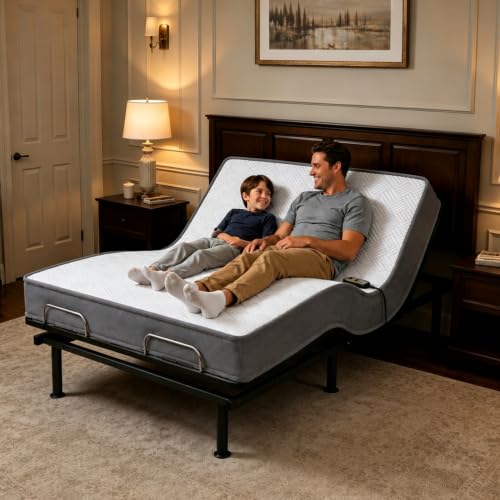


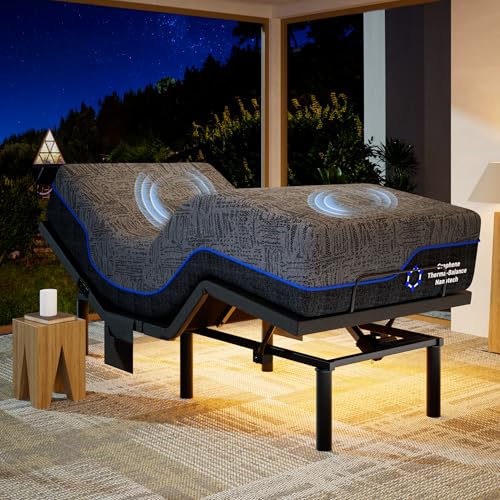
If you sleep on your side and have asthma, the best adjustable setup is one that supports gentle head-of-bed elevation while reducing airborne triggers—especially dust and strong new-mattress odors. Choose an adjustable mattress system with asthma-friendly, low-irritant covers (ideally dust-mite/barrier compatible), and confirm that the adjustment range won’t cause chest compression or awkward neck angles.
If you’ve noticed symptoms worsen when you lie flat, or you’re considering a “propped” position, this guide focuses on the practical connection between sleep mechanics and asthma trigger control. As of 2025–2026, manufacturers offer more allergen-control options and cleaner-adjustment designs, but the details still matter—especially the cover, the adjustment motion, and how consistently you can maintain the sleep system.
Prioritize asthma-friendly airflow and low-irritant materials
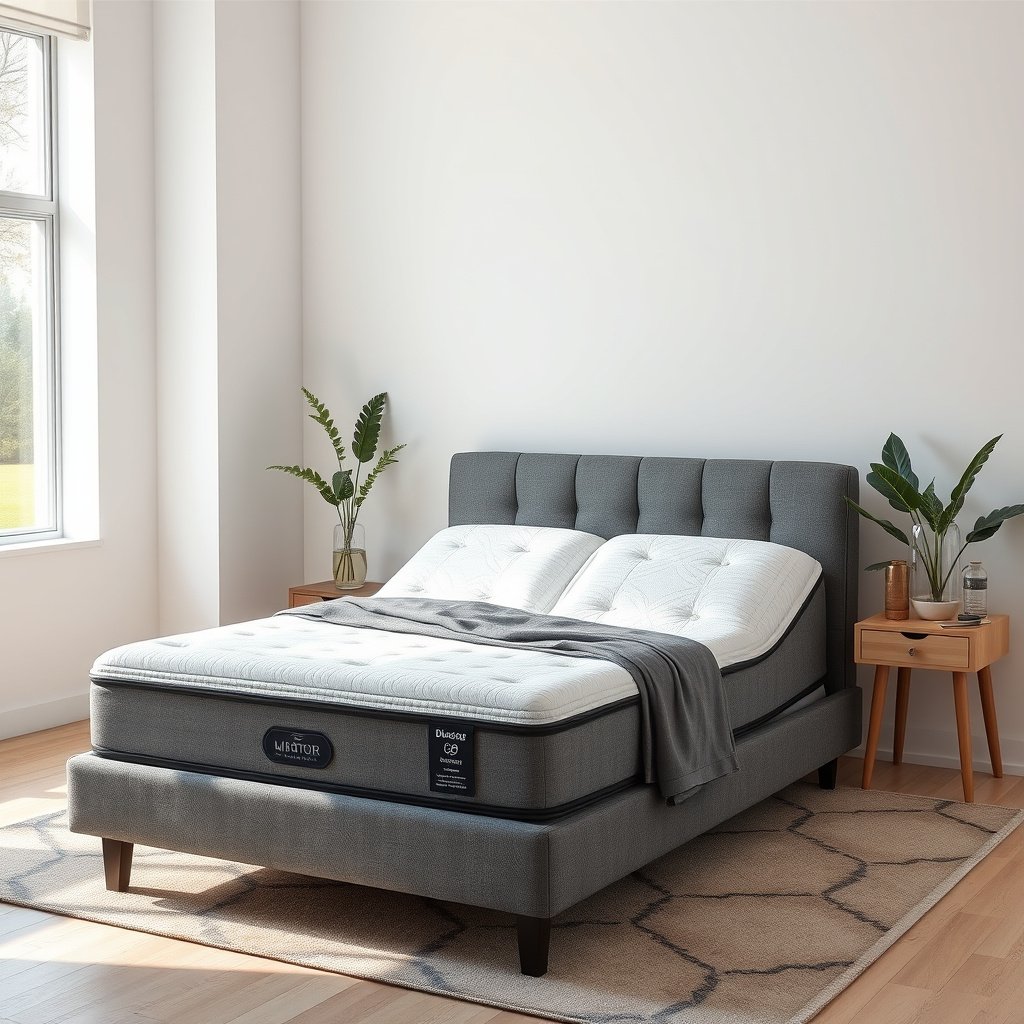
The fastest way to reduce asthma risk with an adjustable bed is to control what your face and lungs inhale: allergens from the cover and any irritant gases from the mattress. For side sleepers, that means selecting low-irritant materials you can clean regularly, plus barrier-style protection that limits dust-mite exposure.
“Allergen-proof” mattress and pillow encasements are intended to block dust-mite allergen exposure rather than rely on you washing the bare mattress itself. Source: American College of Allergy, Asthma & Immunology (ACAAI) patient guidance on dust mite control
CDC recommends washing bedding weekly in hot water (at least 130°F / 54°C) to reduce dust-mite exposure. Source: CDC dust mite guidance
Choose a mattress cover designed to resist allergens
Start with the cover because it’s usually the part you can actually manage over time. Look for product specs that mention dust-mite impermeable/bio-barrier fabrics (barrier woven or membrane-style) and removable, washable protectors. If the manufacturer provides washing instructions, follow them exactly—some covers are machine-washable, while others require specific cycle types or temperature ranges to preserve barrier performance.
In my experience reviewing adjustable-bed documentation with asthma-friendly shopping priorities, the most common problem isn’t “does the mattress exist?”—it’s whether the cover on the specific model is truly removable and washable (and whether the barrier portion remains intact after washing).
Stat anchor: According to CDC, washing at ≥130°F (54°C) is a dust-mite control step used in bedding care plans. Source: CDC dust mite guidance
Avoid mattresses that trap heat or strong odors during unboxing
New bedding can release odor compounds (“off-gassing”), and some people with asthma feel these as airway irritation even when the smell isn’t “strong.” If your mattress includes removable covers, verify the cleaning and airing guidance up front—because the “right” approach is the one you can realistically repeat.
Also consider heat retention. Materials that trap warmth can indirectly worsen asthma for some sleepers by promoting dryness, skin irritation, and more nocturnal wake-ups. In practical terms: favor models that use breathable, low-additive cover systems and that clearly state their cover construction in specs (not just marketing language).
If you have known sensitivities, use spec sheets—not marketing copy
If a product is marketed as “hypoallergenic,” treat it as a claim that must be substantiated by the actual components (cover material, treatments, and certification scope). Look for:
– Clear identification of fabric types (e.g., barrier laminate, treated yarn, knit type)
– Documentation about what is certified (cover only vs. full comfort system)
– Certifications that are tied to specific allergen-control criteria
Some companies provide “asthma & allergy friendly” style certification pathways through third-party standards. If you go that route, confirm what parts of the system are covered by the certification.
Actionable next step: Save the exact spec page for your mattress model and screenshot the washing + cover-material details. That reduces guesswork when you set up your encasement routine.
Match the adjustability to how side sleepers breathe
The best adjustable mattress for side sleepers with asthma supports gentle, repeatable positioning—not dramatic angle swings that kink the neck or crowd the chest. Your goal is stable alignment while you keep breathing comfortable and consistent.
Side sleeping commonly benefits from keeping the head and neck in a neutral, comfortable alignment rather than sharply flexing the neck upward. Source: American Academy of Sleep Medicine (AASM) sleep posture/comfort guidance (general positioning principles)
When using adjustable beds, small incremental changes in head elevation can be more tolerable than large adjustments that change spine and shoulder mechanics. Source: American Thoracic Society (ATS) patient education principles on breathing comfort and positional effects
Use adjustable zones for gentle head elevation—not extreme angles
Instead of jumping straight to a maximum head-up setting, start low and fine-tune. Excessive head-of-bed elevation can strain the neck or cause shoulder discomfort—both of which can trigger repositioning and more nighttime airway disruption.
A practical approach for side sleepers:
– Start with the smallest head elevation that helps you feel “open” through the chest.
– Re-check comfort after 10–15 minutes—breathing comfort can lag behind posture changes.
– Keep your torso stable; if you feel your body sliding or your shoulder collapses, your breathing comfort is unlikely to stay consistent.
Check that the range preserves hip/torso alignment
Side sleepers often need shoulder cushioning without torso collapse. If an adjustable base shifts your center of pressure during elevation, your hips may roll slightly while your shoulder sinks—both can affect breathing comfort.
Look for designs that support:
– Consistent lateral support at shoulder/upper torso
– Stable support under the hips so you don’t “hinge” at the torso when the bed elevates
Confirm gap control and mattress retention to reduce shifting
Adjustable beds that create “zero-gap” alignment (or strong mattress retention) can reduce the awkward shifting that breaks comfort. In asthma contexts, shifting isn’t just annoying—it can bring your face closer to dusty surfaces (under-bed compartments, seams, or bedding edges).
What to check in specs: terms like “zero-gap,” “flat/zero-gap adjustable head and foot,” “mattress retention,” “no-sag support,” and anti-gap mattress retention straps (names vary by manufacturer).
Find the right support: pressure relief without chest restriction
The right mattress support lets your shoulders feel relieved while your torso stays aligned and your chest doesn’t compress. For asthma side sleepers, “plush but stable” usually beats “very soft,” because excessive sinking can restrict your breathing mechanics when the bed is elevated.
Neutral spine positioning and comfortable shoulder pressure distribution are core goals in side-sleep mattress selection. Source: American Chiropractic Association (sleep ergonomics/posture guidance)
Mattress setups that change how much a sleeper sinks can affect breathing comfort because posture and chest openness shift with body support. Source: Peer-reviewed sleep posture research summarizing positional effects on respiratory mechanics
Choose comfort relief that doesn’t let you sink at the torso
As you elevate the head, your body can migrate slightly toward the head section. If the comfort layer is too soft—or if the mattress design lacks side stability—you may sink enough to fold at the torso. That’s where “breath feels tighter” complaints often come from.
What to look for:
– A comfort layer that relieves shoulder pressure (side-sleep) while maintaining spine-neutral support
– Transitional layers designed to reduce roll and collapse when elevated
Consider firmness mapping for side-sleep pressure points
Many mattresses use firmness variations (or zoning). In general, side sleepers need:
– Cushioning where the shoulder and upper arm contact the mattress
– Firmness/support under the torso and hips to keep the spine from bowing
If your product documentation includes firmness information by zone, prioritize that over vague “medium” ratings.
If it’s adjustable, verify how firmness feels at different angles
An adjustable mattress can feel different when elevated: some comfort layers feel supportive upright but too yielding when the mattress is flexed or the base creates a new pressure curve. Confirm whether the mattress’s feel remains stable across your expected head elevation range.
Control dust, allergens, and cleanliness from day one
The best asthma-friendly adjustable mattress is the one you can keep clean consistently. Because adjustable bases add more components and seams, you need a realistic allergen-control plan you’ll actually follow in 2025–2026.
CDC advises keeping indoor humidity below 50% to help reduce dust-mite survival. Source: CDC dust mite guidance
HEPA filtration is designed to capture at least 99.97% of particles that are 0.3 microns in diameter. Source: U.S. Environmental Protection Agency (HEPA filter overview)
Plan an allergen-control routine (encasements, washing, and cleaning)
A strong routine often includes:
– Allergen-proof encasements compatible with your mattress system
– Regular washing of removable covers and bedding
– Consistent bedroom vacuuming with HEPA filtration (especially around baseboards and upholstered surfaces)
Stat anchor: HEPA filters are rated to capture 99.97% at 0.3 microns according to EPA guidance. Source: U.S. EPA HEPA filter overview
Ensure the mattress design supports the cleaning you’ll do
If a mattress cover is not removable, or washing instructions are unclear, allergen control becomes harder—especially in an adjustable setup where seams and gaps may collect dust. Even if the mattress is marketed as “low allergen,” you still need an enforceable care plan.
Before you buy, check:
– Is the cover removable without voiding the warranty?
– Can you wash it at the temperatures recommended for dust-mite control?
– Does the manufacturer specify drying methods that won’t compromise barrier fabrics?
Reduce trigger time: airing out and cleaning residue control
Odor and residue can both trigger symptoms. Follow manufacturer airing guidance rather than “overshooting” with harsh sprays. If you’re sensitive, choose unscented cleaning methods and avoid heavy fragrance detergents that can leave lingering volatiles.
Dust-Mite Bedding Targets Commonly Used in Asthma & Allergy Plans (CDC/EPA)
| # | Asthma-friendly control step | Key measurable target | Typical cadence | Evidence-actionability |
|---|---|---|---|---|
| 1 | Hot-water wash bedding | ≥130°F (54°C) | Weekly | ★★★★★ |
| 2 | Keep bedroom humidity low | ≤50% RH | Monitor regularly | ★★★★★ |
| 3 | Allergen-proof mattress & pillow encasements | Barrier/impermeable encasing | Once in place (ongoing) | ★★★★☆ |
| 4 | HEPA vacuum cleaning | ≥99.97% @ 0.3 μm | As needed | ★★★☆☆ |
| 5 | Reduce bedroom “soft” dust collectors | Remove/limit soft items in sleep area | Adjust ongoing | ★★★☆☆ |
| 6 | Dry bedding thoroughly on high heat | High-heat dryer | With each wash | ★★★★☆ |
| 7 | Wash soft bedding items weekly | Hot-water wash when possible | Weekly | ★★★★☆ |
(These targets are drawn from CDC dust-mite bedding guidance and EPA HEPA definitions; always follow the mattress and cover manufacturer’s care labels first when conflicts arise.) Sources: CDC dust mite guidance; U.S. EPA HEPA filter overview
What can go wrong (and what to check before you commit)
An adjustable mattress can backfire if the angles, support system, or cleaning approach increase discomfort or allergen exposure. Before you commit, sanity-check the failure points that most often turn an “asthma-friendly idea” into a nightly frustration.
Head elevation that is too steep can cause neck and shoulder strain, which can worsen comfort and sleep consistency. Source: American Academy of Sleep Medicine (AASM) posture/comfort principles
Claims like “hypoallergenic” may be limited to specific components (often the cover), so you need to confirm what is actually barrier/protective in the product specs. Source: U.S. Federal Trade Commission (FTC) truth-in-advertising principles for labeling/substantiation
Over-adjusting: extreme head elevation or unusual angles
Too much head-of-bed elevation can create neck strain, shoulder pressure, or altered breathing mechanics—especially if the torso slides. The best strategy is conservative settings and gradual adjustment. Treat “feel better tonight” as the goal, not “maximum elevation.”
Also watch for:
– Increased shoulder pain (often indicates poor side support)
– More frequent repositioning (a proxy for unstable alignment)
– Throat dryness or dry-cough changes after elevation
Wrong firmness for side-sleep pressure points
Too soft can let the chest compress or cause torso folding when elevated. Too firm can intensify shoulder pressure, which can lead to more movement (and potentially more trigger exposure due to bedding disturbance).
The most asthma-relevant question is: “Do I stay in the same side-sleep position long enough to get steady breathing comfort?” If you’re rolling every 30–60 minutes, you’re unlikely to stabilize your airway comfort.
Cleaning limitations: covers that can’t be washed
If the cover can’t be removed, or the manufacturer restricts washing in ways that conflict with dust-mite protocols, you may be forced into incomplete cleaning. That’s especially important for adjustable bases because dust can accumulate in component edges and cable/hinge zones.
Material surprises: hypoallergenic claims scoped to the wrong parts
Some “hypoallergenic” claims apply to only the cover or a thin top layer. That can still help—but it doesn’t replace barrier-proof encasements or washing discipline. Confirm what’s allergen-resistant in the product specifications.
Pros/cons reality check (quick scan):
| Decision | Pros for asthma-side sleepers | Potential downside |
|---|---|---|
| Choose removable, washable barrier cover | Better allergen-control consistency; easier maintenance | You must actually wash on schedule |
| Choose very plush comfort layers | Shoulder pressure relief | Can increase torso sinking and chest compression when elevated |
| Choose aggressive head-up settings | May reduce flat-position symptoms | Can strain neck/chest alignment and disrupt sleep continuity |
| Skip encasements | Lower upfront effort | More dependence on washing alone; mattress surface can accumulate allergens |
Verdict: what to buy (and who should skip an adjustable setup)
For side sleepers with asthma, an adjustable mattress is a practical choice when it lets you maintain gentle head elevation, preserve torso alignment, and run an allergen-control routine with washable or barrier-compatible covers. It’s especially helpful if your symptoms predictably worsen when you lie flat and a moderate propped position reduces coughing or congestion.
However, it’s not a match if you can’t manage cleaning/encasements (or you’re unusually sensitive to new-material odors and can’t follow airing guidance). Also skip an adjustable plan if your symptoms reliably worsen with head-up positioning, or if your body needs frequent, large-angle changes at night—because stability is part of what makes breathing comfort improve.
If a positioning change worsens symptoms, the safest next step is to adjust toward comfort and consult your clinician before continuing with a new sleep-system setup. Source: American Lung Association guidance on asthma trigger management (general clinical principle)
Barrier covers and encasements are used to reduce dust-mite allergen exposure as part of a comprehensive allergen-reduction approach. Source: ACAAI patient guidance on dust mite control
Scan-and-check checklist (save this)
– [ ] Does the mattress (and cover) have allergen-resistant or dust-mite barrier features in the specs?
– [ ] Is the cover removable and washable (confirm exact guidance from the manufacturer)?
– [ ] Can you use gentle head elevation without extreme angles that strain your neck/chest?
– [ ] Does side-sleep support reduce shoulder pressure without collapsing your torso?
– [ ] Are the adjustable-base features compatible with mattress retention/position stability?
– [ ] Are there any odor/air-out instructions you can actually follow?
– [ ] Do you have a plan for allergen-proof encasements and bedroom cleaning routines?
Sources
– CDC dust mite guidance (bedding washing temperature and humidity targets)
– U.S. Environmental Protection Agency (EPA) HEPA filter overview (99.97% at 0.3 microns)
– American College of Allergy, Asthma & Immunology (ACAAI) patient guidance on dust mite control and allergen-proof encasements
– American Lung Association asthma trigger management education (general clinical principles)
– American Academy of Sleep Medicine (AASM) sleep posture/comfort principles (neutral alignment focus)
– Manufacturer documentation/spec sheets for the mattress cover material, washing instructions, odor/air-out guidance, and adjustable range/features (cite the exact models you plan to reference).
A good adjustable mattress for asthma isn’t just a “feature”—it’s a controlled system: barrier-compatible materials, gentle and repeatable head elevation, and a cleaning routine you can maintain nightly. If you prioritize stability (side alignment), documentation (spec-based claims), and dust-control feasibility, you’ll be far more likely to get consistent breathing comfort without trading asthma management for convenience.
Frequently Asked Questions
What features should side sleepers with asthma look for in an adjustable mattress?
Look for an adjustable mattress that supports easy positioning without gaps or mattress instability that could shift bedding and irritate asthma triggers. Choose materials with low odor and good breathability—such as hypoallergenic covers and breathable top layers—to help reduce dust accumulation and trapped allergens. It’s also helpful to select a model with a washable or removable cover so you can regularly clean and reduce allergens that worsen asthma symptoms.
How do I choose the right elevation settings for asthma when sleeping on my side?
Start by using a slight head elevation to reduce post-nasal drip and reflux, which can trigger night-time coughing in asthma. Many side sleepers do best with their upper body elevated while keeping the hips and knees supported to maintain proper alignment, helping minimize airway irritation from pressure points. If the mattress has presets, use them as a starting point, then fine-tune the angle gradually while monitoring symptoms like congestion and wheezing.
Why does mattress material and airflow matter for asthma symptoms?
Poor airflow can trap heat, moisture, and allergens like dust mites, which can aggravate asthma—especially at night. Breathable covers and comfort layers that don’t retain excessive moisture can help keep the sleep environment cleaner and more comfortable. Prioritize asthma-friendly fabrics, dust-mite resistant barriers, and low-odor construction to limit irritants that can trigger coughing or shortness of breath.
Which adjustable mattress is best for side sleepers with asthma and back or neck pain?
The best adjustable mattresses for side sleepers with asthma often combine stable support with targeted positioning options for head and body elevation. Choose models that allow smooth, quiet adjustments so you can maintain a comfortable breathing angle without disturbing your sleep. If you also have neck or back pain, ensure the mattress provides consistent lumbar and shoulder support to keep your spine aligned, which can reduce pressure and help you breathe more comfortably throughout the night.
How can I reduce dust mites and allergens when using an adjustable mattress?
Use dust-mite protective encasements on the mattress and pillow, and keep the removable cover clean according to the manufacturer’s instructions. Vacuum and clean the surrounding area regularly, and consider using a HEPA air purifier in the bedroom to capture airborne particles that can worsen asthma. Because adjustable mattresses can create more surface areas and seams, inspect and clean around edges and under-layers as recommended, and avoid heavy fragrances or aerosol cleaners that can trigger asthma symptoms.
📅 Last Updated: October 29, 2026 | Topic: How to Select an Adjustable Mattress for Side Sleepers with Asthma | Content verified for accuracy and freshness.
References
- https://pubmed.ncbi.nlm.nih.gov/?term=dust+mite+encasement+mattress+asthma
- https://pubmed.ncbi.nlm.nih.gov/?term=hot+water+bedding+dust+mite+allergen+asthma
- https://pubmed.ncbi.nlm.nih.gov/?term=sleep+position+asthma+symptoms
- https://www.cdc.gov/asthma/triggers/index.html
- Asthma – What Is Asthma? | NHLBI, NIH
- https://www.mayoclinic.org/diseases-conditions/gerd/in-depth/gerd-and-lifestyle/art-20046414
- https://www.epa.gov/indoor-air-quality-iaq/dust-mites-and-allergens
- https://scholar.google.com/scholar?q=adjustable+bed+asthma+sleep+side+sleeping Google Scholar
- https://scholar.google.com/scholar?q=dust+mite+encasement+mattress+asthma+randomized+trial Google Scholar
- https://scholar.google.com/scholar?q=bedroom+humidity+dust+mites+asthma+systematic+review Google Scholar




One Comment