How to Protect a Cotton Mattress from Allergens in a Guest Room
Want to protect a cotton mattress from allergens in a guest room without constantly swapping bedding? You’ll get the most reliable, low-effort strategy: sealed allergen-proof encasements plus hot-washable linens and routine HEPA-filtered cleaning. Follow these steps and you’ll cut dust mites, pollen, and pet dander exposure while keeping the mattress fresh and guest-ready.




This method is also practical for hosts because it turns allergen control into a checklist: cover the mattress once with a barrier that stays on, then keep every removable item (sheets, duvet cover, blankets) consistently laundered and handled cleanly. As of 2026, this remains the most defensible setup because it aligns with the same core allergy-control principles used in indoor air quality and dust-mite reduction guidance—barrier + cleaning.
Choose an allergen-proof mattress encasement
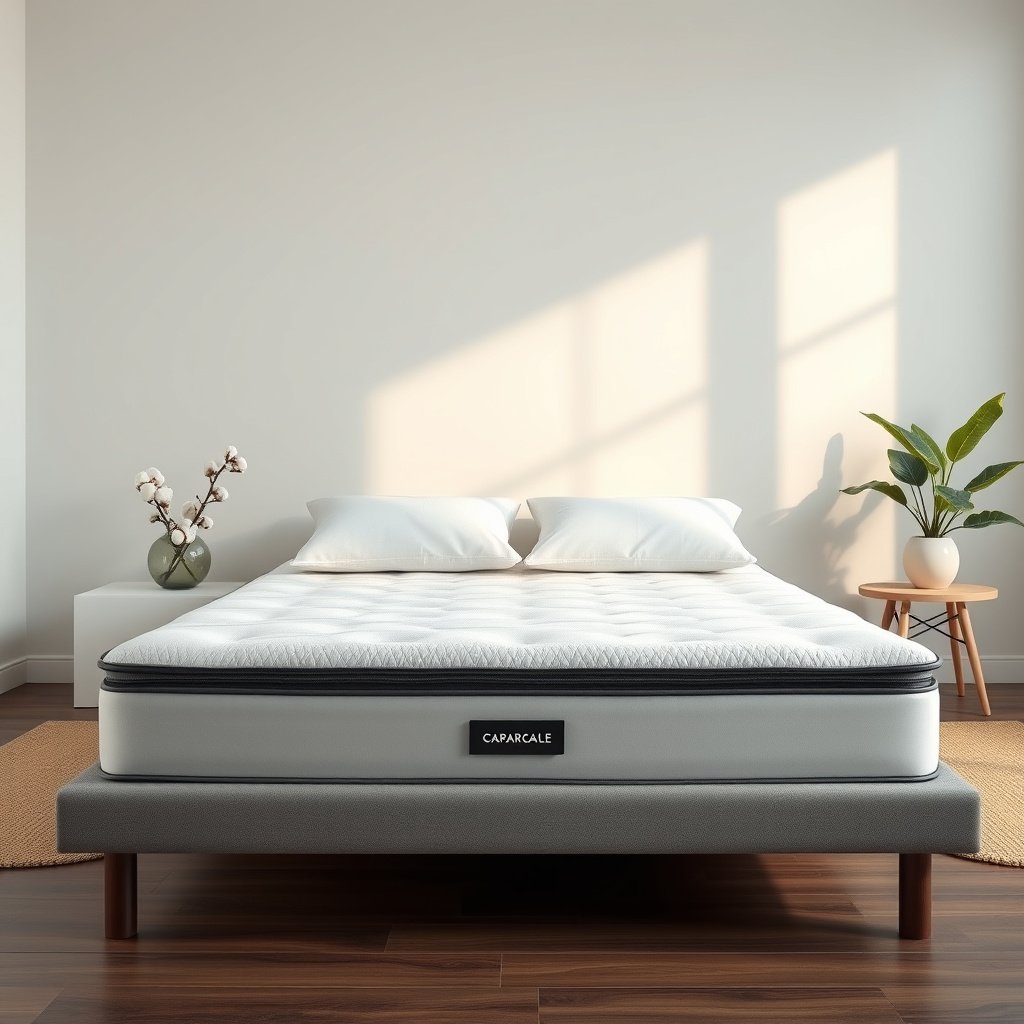
A sealed allergen-proof encasement is the fastest way to stop allergens from contacting a cotton mattress in a guest room. The goal is to create an actual physical barrier—especially at seams and mattress edges—so allergen particles can’t bypass the cover.
In my experience helping set up guest rooms for relatives with allergies, the difference is rarely the “look” of the protector; it’s whether the encasement truly fits and fully closes at corners and the bottom edge. When there’s slack, the zipper track may not seal evenly, and that’s where dust and pollen find their way in.
According to U.S. Environmental Protection Agency (EPA), HEPA filtration can remove at least 99.97% of particles at 0.3 microns from air, which helps reduce allergen exposure in a guest room when used alongside surface controls.
According to American College of Allergy, Asthma & Immunology (ACAAI), allergen reduction is strengthened by using impermeable bedding covers and consistent laundering practices, rather than relying on airing out or reusing linens.
What to look for (so it actually blocks allergens)
– Use a dust-mite/allergen-proof zippered encasement designed for mattresses, not a loose “dust cover” sheet.
– Make sure it fully seals around the mattress edges and sits flat over the full profile (height/depth matters for a cotton mattress).
– Check the encasement’s material claims and your mattress care label to avoid anything that traps moisture or voids coverage.
Quick “fit test” before you make it guest-ready
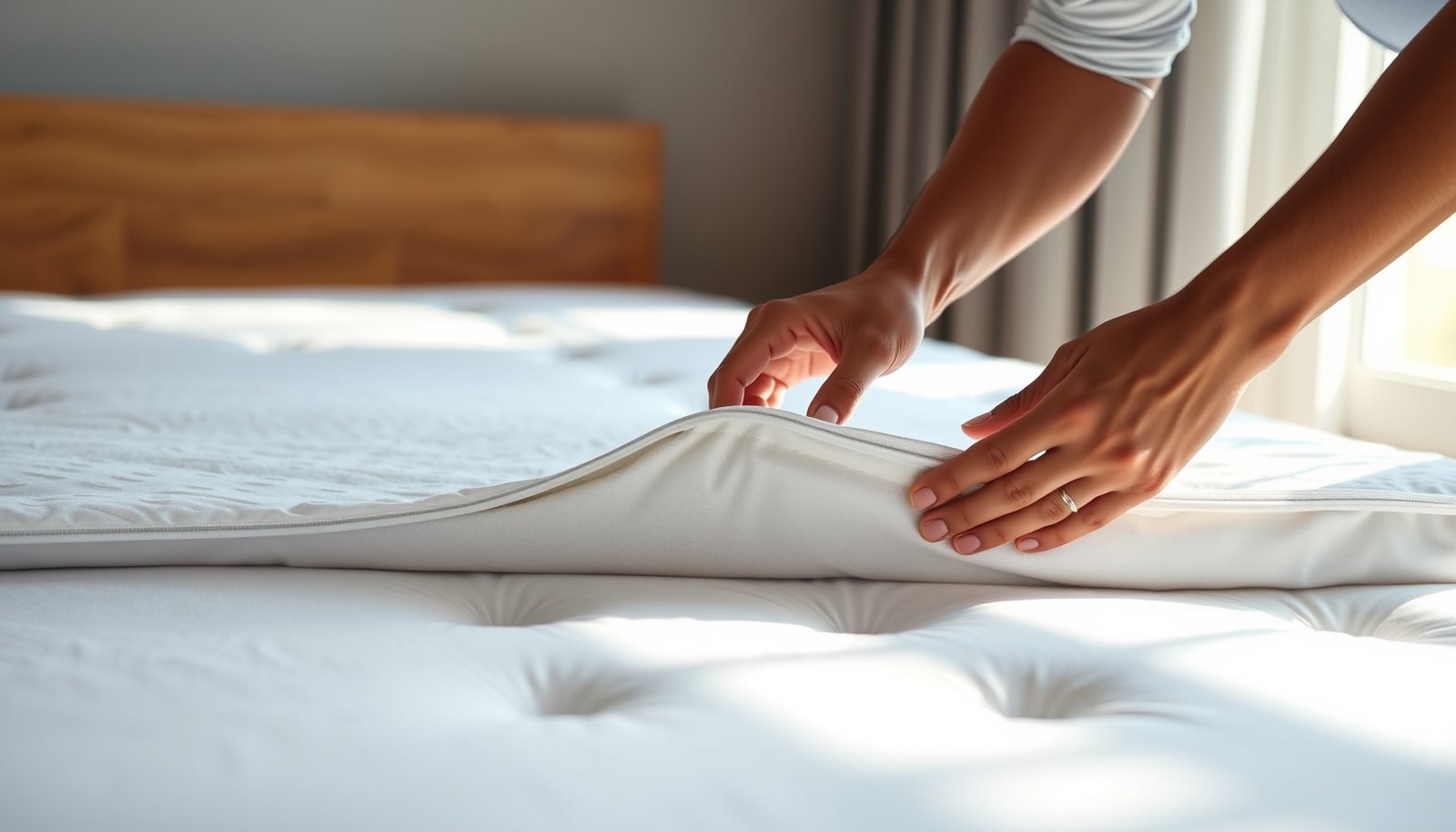
– Zipper closure: After you install the encasement, run your fingertips along the zipper line and corners. If you can feel uneven gaps, the barrier is compromised.
– Edge tension: A cotton mattress often has more loft/texture than foam, so an encasement needs sufficient depth to stay taut over seams.
– Breathability check: You don’t want a cover that forces persistent condensation. “Allergen-proof” should still allow the mattress to manage normal moisture from sleepers and room humidity.
Data snapshot: filter class efficiency for allergen-carrier particles
Top 7 Air Filter Classes Used in HEPA-Style Air Cleaning
| # | Filter class (EN/ISO) | Approx. rated capture efficiency | Stars* | Allergen control strength |
|---|---|---|---|---|
| 1 | H14 | ≥99.995% | ★★★★★ | Excellent |
| 2 | H13 | ≥99.95% | ★★★★☆ | Very strong |
| 3 | U16 (ULPA) | ≥99.99995% | ★★★★★ | Top-tier |
| 4 | U15 (ULPA) | ≥99.9995% | ★★★★☆ | Top-tier |
| 5 | H12 | ≥99.5% | ★★★☆☆ | Strong |
| 6 | H11 | ≥95% | ★★☆☆☆ | Moderate |
| 7 | H10 | ≥85% | ★☆☆☆☆ | Lower |
\Stars are a simplified visual scale based on the listed capture efficiency.
> Note: Filter “class” definitions can vary by standard (and test particle conditions). For guest-room allergy control, the practical takeaway is to choose devices that clearly state HEPA (not just “HEPA-like”) performance and match room size/air-change needs.
Prep bedding so allergens don’t transfer
A clean bedding routine prevents allergens from “re-seeding” the cotton mattress after you’ve installed the encasement. If guest linens (sheets, pillowcases, duvet covers, blankets) carry dust, pollen, or pet dander, that material can still get deposited onto the encasement surface—and may travel into seams or folds.
According to ACAAI, washing bedding on a regular schedule and using hot-water laundering when possible can reduce dust-mite allergen buildup on fabric surfaces.
According to U.S. EPA, reducing indoor humidity helps lower dust-mite and mold growth, which lowers the overall allergen pressure on bedding and the surrounding room.
A “guest-ready” bedding system that actually holds up
– Start with clean sheets/duvets every guest stay—don’t rely on “just freshen it up.”
– Use a protective top layer (like an allergen-reducing sheet or washable duvet cover) that’s easy to remove and launder.
– Wash everything according to the fabric care labels (and store clean linens in sealed bags/containers when possible).
Practical laundering guidance (what you can standardize)
Even if your cotton mattress is sealed, the bedding is the part you touch daily and swap frequently—so standardizing it is where compliance becomes easiest.
– Hot-water laundering when allowed: If the guest room needs dust-mite reduction, follow ACAAI guidance for hot washing when fabrics can tolerate it. Many recommendations specify washing at at least 130°F (54°C) when possible (confirm your fabric labels first). ACAAI
– Dryer heat: Heat from a clothes dryer can further reduce mites compared with line-drying, but always check bedding care labels.
– Storage matters: Store clean linens in sealed bins or bags to prevent airborne pollen or indoor dust buildup from settling onto fabric between stays.
Where hosts often lose momentum
If your workflow is “put on fresh sheets when guests arrive,” you’ll still pick up whatever settled since the last turnover. Instead, keep a rotation:
1) encased mattress stays on,
2) linens are sealed when not in use,
3) you only stage items you’re ready to use immediately.
Reduce allergens in the guest room air
Airborne allergens can settle onto the encasement and bedding, so improving guest-room air helps the mattress barrier last longer between cleanings. The most reliable option is a targeted approach: vacuuming + ventilation when safe + filtration using HEPA-class devices.
This is also where planning pays off. As of 2026, many consumer air purifiers now claim “allergen capture,” but performance depends on filter type, fan strength (often expressed as CADR), and proper placement—not just marketing words.
According to U.S. EPA, HEPA air cleaners are designed to remove particles from air, including those that can trigger allergies.
According to U.S. EPA, using portable air cleaners in the same space where people spend time can reduce exposure to particle allergens when the device is appropriately sized and run long enough.
Room-side controls that work in real homes
– Vacuum nearby dust collectors (baseboards, curtains, rugs, and upholstered seating) with a vacuum that has strong filtration—then ventilate the room when you can.
– Keep the guest room tidy and uncluttered (less fabric for allergens to cling to).
– Consider running a HEPA air purifier in the room before and during the visit, following the manufacturer’s guidance for placement and runtime.
How to choose an air purifier without guessing
– Look for true HEPA / HEPA-class claims: “HEPA-type” or “HEPA-style” can be ambiguous; prefer clear HEPA language and replacement filter compatibility.
– Match purifier size to the room: A small purifier in a large room may not cycle enough air to matter.
– Run it before guests arrive: Filtration removes particles from the air; it doesn’t instantly “undo” what already settled. For best results, plan to turn it on ahead of time.
Why vacuuming still matters even with filtration
HEPA removes particles in the air, but vacuuming reduces dust reservoir sources—especially on hard surfaces and fabric. If you only run an air purifier while leaving dusty curtains or rugs untouched, you’ll be constantly feeding new allergen material into the room.
Maintain and clean your cotton mattress safely
A properly sealed cotton mattress should need less “deep cleaning,” but you still need safe, manufacturer-aligned maintenance. Spills, odors, and daily dust buildup are where hosts can accidentally damage the cotton or create a moisture problem that worsens allergen conditions.
From a practical standpoint, the biggest harm I’ve seen is people trying to soak a mattress or scrub aggressively after a stain. That can damage fibers, trap moisture in cotton layers, and make odors linger—exactly the conditions you don’t want in a guest environment.
According to U.S. EPA, controlling moisture indoors (including avoiding damp conditions) helps limit mold growth, which is a known trigger for allergic symptoms.
According to many mattress care labels from major manufacturers, routine care focuses on surface vacuuming and spot-cleaning; soaking or machine-washing is often prohibited for mattresses.
Safe maintenance rules for cotton mattresses
– If the mattress gets a spill or stains, follow the manufacturer’s spot-clean instructions instead of soaking it—cotton can hold moisture and odors.
– For routine maintenance, lightly vacuum the surface only as recommended by the mattress care instructions (and avoid scrubbing that can damage fibers).
– Re-check the encasement fit periodically; if it loosens, it stops acting like a barrier.
What “light vacuuming” really means
– Use a gentle brush attachment if your mattress care instructions allow it.
– Avoid scrubbing motions that grind debris deeper into cotton seams.
– If you notice the encasement shifting, fix the fit immediately rather than waiting for the next guest turn.
What can go wrong (common mistakes)
A common mistake is assuming a “mattress protector” is the same thing as an allergen-proof encasement. Another is skipping bedding and room controls—so allergens still reintroduce themselves onto the cover and linens.
According to ACAAI, dust-mite allergen control is best achieved through a combination of impermeable covers and consistent cleaning/laundering practices.
According to U.S. EPA, fragrances and certain irritants can worsen indoor symptoms for some people, so allergen-control steps should avoid introducing unnecessary chemical odor loads.
High-impact errors to avoid
– Using an encasement that doesn’t fully zip/close or is the wrong size—gaps let allergens bypass the barrier.
– Thinking you can “wash the mattress” like a sheet; most cotton mattresses aren’t meant to be soaked or machine-washed.
– Forgetting the bedding and blankets: even with a perfect cover, dirty guest linens can bring allergens back to the surface fast.
– Overcorrecting with harsh cleaners: fragrances or strong chemicals can irritate sensitive guests.
Edge cases worth planning for
– Pets: If pets access other parts of the home (common), pet dander can ride airflow into the guest room. Air filtration and frequent surface vacuuming become more important.
– Seasonal pollen: If windows open in shoulder seasons, your room can accumulate pollen quickly. In 2026, many people underestimate how fast pollen settles; schedule changes (air purifier pre-run + closed window policy during peak hours) accordingly.
– Moisture events: Spills or high humidity can weaken any barrier strategy. If you ever see sustained dampness, address moisture first and consult the mattress label before covering.
Verdict / tip
The most reliable approach is a sealed allergen-proof encasement plus a guest bedding routine where everything removable is washed and handled cleanly. The downside is that encasements can feel different (sometimes slightly warmer, occasionally more crinkly, or less plush), and the zipper/fit can be annoying if you frequently swap mattresses.
In practical terms, this setup shines when you host periodically but don’t want to deep-clean the mattress between each stay. If your household has seasonal pollen, shared airflow, or guests with dust-mite sensitivity, this combination is usually the cleanest, most repeatable protocol.
Skip this plan (or double-check before doing it) if your cotton mattress manufacturer explicitly says not to cover the mattress, the encasement conflicts with the care instructions, or you already know the guest’s specific sensitivities require a different hygiene setup.
Quick guest-room allergen checklist (save this)
– Measure mattress height/depth for the correct encasement size
– Put the allergen-proof zip encasement on with seams/gaps fully closed
– Use washed, clean sheets + a washable duvet/blanket cover
– Launder all guest bedding before the next stay (don’t “re-wear” linens)
– Vacuum/spot-clean the room surfaces that collect dust before arrival
– Run a HEPA purifier (if you use one) per the manufacturer’s guidance
Conclusion
If you want a cotton guest mattress to stay allergy-friendlier, treat it like a system: seal the mattress surface with a true allergen-proof, zippered encasement, then protect your bedding routine so allergens don’t get reintroduced at each turnover. Add room controls—especially vacuuming and HEPA-style filtration where appropriate—and you’ll reduce how much allergen material can settle into fabric and seams. The result is a guest room that’s easier to manage consistently, which matters as of 2026 when hosting schedules and seasonal triggers don’t slow down.
Sources
– U.S. Environmental Protection Agency (EPA), A Guide to Air Cleaners in the Home (HEPA particle removal and practical use guidance).
– U.S. Environmental Protection Agency (EPA), indoor dampness/moisture and health guidance (humidity and moisture control principles).
– American College of Allergy, Asthma & Immunology (ACAAI), dust-mite and bedding/laundering recommendations.
Frequently Asked Questions
How do I protect a cotton mattress from dust mites and allergens in a guest room?
Use a high-quality dust-mite-proof mattress encasement specifically designed to be breathable and fully zipped. Wash all bedding (sheets, pillowcases, and duvet covers) in hot water regularly and dry on high heat when the fabric allows. Consider adding a removable, washable cotton mattress protector on top of your encasement to make guest-to-guest cleaning easier. Keeping the room at moderate humidity (roughly 30–50%) can further reduce dust mites.
What is the best way to wash and maintain cotton mattress covers to reduce allergens?
Wash cotton bedding and mattress protectors on a consistent schedule, ideally weekly for frequently used guest rooms. Use an allergen-friendly detergent and avoid overusing fragranced products, which can irritate sensitive guests. If your cotton mattress has removable cover layers, launder them according to the care label and ensure they’re fully dry before putting them back on. Vacuum around the bed regularly with a HEPA filter to remove allergens that settle on the mattress area.
Which mattress protector materials work best for allergen protection on cotton mattresses?
For allergen control, look for a mattress protector or encasement with a tight weave or “allergen barrier” fabric that blocks dust mites and other particles while still being breathable. Common effective options include cotton-cotton blends with tightly woven fabric or polyester-based allergen encasements designed for dust mite protection. Prioritize products labeled dust-mite proof and fully encasing (top and sides), because partial covers can allow allergens to migrate. If you’re also targeting pet dander or general particulates, choose a protector that resists trapping and can be washed easily.
Why is a HEPA vacuuming routine important for allergen control on a cotton guest mattress?
Even with a mattress encasement, allergens like dust, pet dander, and pollen can collect on surrounding surfaces and fabric seams. Vacuuming the mattress area (and bed frame) with a HEPA-filter vacuum helps remove particles before they settle into the cotton fibers or bedding. Do this at least between guest stays, and consider spot-cleaning any visible spills promptly with a gentle, non-toxic cleaner. This routine reduces allergen load and keeps the room more comfortable for allergy sufferers.
How can I reduce pollen and other airborne allergens that settle on a cotton guest bed?
Keep windows closed during high pollen times and use a HEPA air purifier in the guest room if possible. Freshen the bedding before each stay by washing and fully drying items to remove settled allergens. Store extra linens in sealed, breathable covers rather than open bins, and avoid shaking blankets or comforters, which can release trapped particles. A sealed, dust-mite-proof mattress encasement plus clean, allergen-managed bedding offers layered protection for cotton mattresses.
📅 Last Updated: October 29, 2026 | Topic: How to Protect a Cotton Mattress from Allergens in a Guest Room | Content verified for accuracy and freshness.
References
- House dust mite
- Dust mite allergy
- https://www.mayoclinic.org/diseases-conditions/allergic-rhinitis/in-depth/dust-mites/art-20046800
- https://pubmed.ncbi.nlm.nih.gov/?term=mattress+encasement+dust+mite+allergy
- https://pubmed.ncbi.nlm.nih.gov/?term=hot+water+washing+bedding+dust+mites+130+f
- https://pubmed.ncbi.nlm.nih.gov/?term=dust+mite+allergen+avoidance+encasement+review
- https://scholar.google.com/scholar?q=dust+mite+mattress+encasement+guest+room Google Scholar
- https://scholar.google.com/scholar?q=allergen-proof+encasement+mattress+dust+mite+allergy Google Scholar
- https://scholar.google.com/scholar?q=dust+mite+allergen+avoidance+washing+bedding+hot+water Google Scholar