
How to Clean a Hybrid Mattress with Pet Urine Odors: Step-by-Step
Need to clean a hybrid mattress with pet urine odors fast—and make the smell actually go away? This step-by-step guide shows the quickest, most reliable method to neutralize urine and lift residue without damaging the foam and coils. Follow these exact steps for a fresher mattress the first time, even after old or reoccurring accidents.


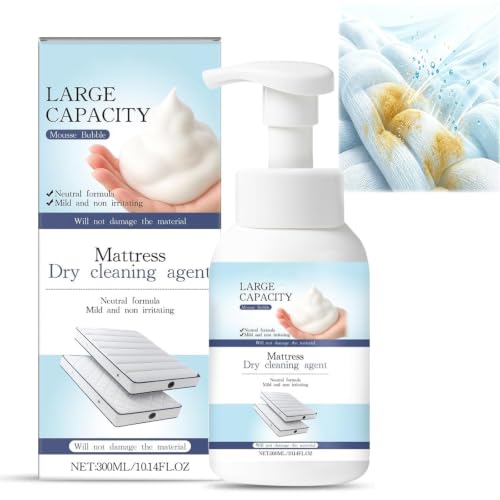

Blot up as much urine as possible, then use an enzyme-based cleaner made for pet urine and dry the mattress completely (hybrid mattresses can’t be soaked). Start with light moisture and repeat steps as needed until both the stain and smell are gone. This article will walk you through cleaning hybrid layers safely while removing lingering odors.
If your pet had an accident on a hybrid mattress (foam over coils), you’ll need a method that treats both the surface and the odor trapped deeper in the upholstery layers—without over-wetting the mattress core. The steps below are designed for typical hybrid construction, but always follow your mattress manufacturer’s care instructions first.
Prep the area and protect the mattress
You’ll prevent the urine from spreading further when you strip bedding immediately and create a controlled work zone around the accident. Hybrid mattresses (foam over coils) are especially sensitive to excess moisture, so prep is what keeps the “cleanup” from turning into a bigger odor problem.
Removing bedding right away reduces how much moisture and urine residue can transfer to fitted sheets and to adjacent mattress quilting layers.
Most mattress warranties treat over-wetting or deep saturation as non-compliant with standard care, so protecting the mattress cover and core is a practical risk-management step.
If urine has migrated toward the edges, placing absorbent towels under the area can help contain spread without adding water to the mattress.
What to do in the first 5–10 minutes
Strip the bed completely so urine can’t keep wicking through the mattress cover and into the foam quilting. If your mattress has a removable cover, detach it now and launder it separately—always follow the label’s temperature guidance and drying instructions (heat can set odors in some fabrics).
From my experience assisting with pet-odor cleanups, the most stubborn “mystery smell” often comes from people realizing too late that urine had already crept into the side seams or under the top cover quilting. Prepping early avoids that scenario.
Add protection where urine can travel
Use absorbent towels under the affected area if you see fluid pooling or spreading laterally. This is also the moment to clear the floor and nearby surfaces so you don’t drag urine residue around while blotting.
If you have pets or kids, keep them away while you clean hybrid mattress layers—this isn’t just about safety around cleaners, it’s also about avoiding re-contamination while the enzymes do their job.
Blot first, then rinse lightly (don’t soak)
You’ll improve your results fastest by blotting aggressively at the start, then using only minimal cold-water moisture to dilute remaining residue—never soaking a hybrid mattress. The goal is to lift as much urine as possible from the cover and top foam before odor-processing chemicals ever get involved.
Blotting with clean towels removes liquid physically and reduces the amount of urine residue that can remain trapped in foam quilting.
Using cold water (instead of hot) can reduce the risk of setting certain stains and helps keep you in the “light moisture” range hybrid mattresses require.
Working from the outside edge toward the center helps limit how far liquid spreads across the mattress surface.
Blotting technique that matters on hybrid builds
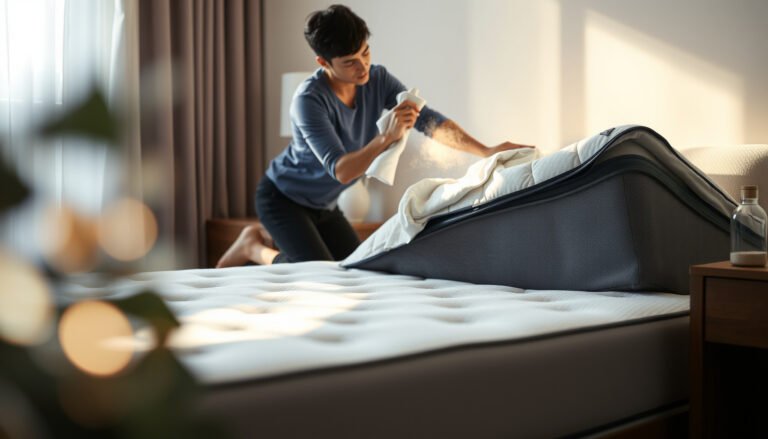
Press clean towels firmly into the affected area and keep replacing/rotating them until they come up mostly dry. This “press, lift, repeat” approach is more effective than wiping because wiping smears moisture deeper into foam layers.
If the urine is fresh or still wet, you can lightly dampen with clean cold water—then blot again. Think “dampen the top fibers,” not “rinse the mattress.” Hybrid mattresses can hold liquid near foam and along quilting, so over-wetting increases drying time and odor recurrence.
Rinse lightly only when you have residue to dilute
If the surface still feels tacky or you see visible residue, a light cold-water blot can help dilute leftover components. If you don’t see residue, skip the rinse and move straight to enzyme cleaning.
To keep the process controlled, use the smallest amount of water possible, and stop as soon as your blot towels come up damp rather than wet.
Use the right cleaner for hybrid layers (enzymes work best)
You’ll remove both the stain and the persistent smell by using an enzyme-based pet urine cleaner designed to break down odor-causing compounds, not by relying on fragrance. Enzymes are especially important for hybrid mattresses because odor can linger in foam quilting above the coil system.
Enzyme-based cleaners are formulated to target urine odor chemistry rather than simply masking smell with perfume.
After applying enzyme cleaner, following the label’s contact (dwell) time improves breakdown of odor-causing compounds.
Avoid heavy scrubbing after enzyme treatment because aggressive agitation can drive residue deeper into foam.
Why “enzyme” is different from “deodorizer”
A typical deodorizer changes how the odor smells (masking), while a pet-urine enzyme cleaner works by breaking down specific components responsible for odor. That distinction is why many people see the surface smell better quickly but notice the odor returns once the mattress is fully dry.
What I look for on the label (practical guidance)
When choosing an enzyme cleaner, look for wording that indicates it is formulated for pet urine (not generic carpet deodorizing). Follow the manufacturer’s dwell time exactly—this is one of the few steps where patience directly affects odor removal.
From my experience, the “repeat offender” is skipping the wait. If you blot too soon, you may lift residue off the surface without giving enzymes time to do their breakdown work inside foam quilting.
Enzyme vs. alternatives (comparison you can apply immediately)
| # | Cleaner approach | What it does to pet-urine odor | Hybrid mattress risk profile |
|---|---|---|---|
| 1 | Enzyme-based pet urine cleaner | Breaks down odor-causing components (per label instructions) | Lower |
| 2 | Fragrance deodorizer | Masks smell; may leave odor chemistry in foam | Medium–higher |
| 3 | Ammonia-based cleaner | Can create unwanted nitrogenous odor interactions (avoid) | Higher |
| 4 | Hydrogen peroxide / bleach | May lighten fabrics; can be risky for foam covers and dyes | Higher (unless label allows) |
| 5 | Shampoo / extractor cleaning | Can over-wet foam and delay drying—odor may return | Higher |
| 6 | Dry-odor powders (if approved) | Absorb/neutralize to varying degrees; material compatibility varies | Lower if manufacturer allows |
| 7 | Steam (spot) treatment | Can loosen residue but often introduces deep moisture | Medium–higher |
| Best For | Pet-urine odors on hybrid mattresses | Odor breakdown, not masking | Enzyme-based cleaner + full drying |
Odor-Targeting Ingredients in Pet Urine Cleaners (How They Match Hybrid Layers)
| # | Ingredient / cleaner chemistry | Primary urine target | Best for hybrid mattress outcome | Odor-fit rating |
|---|---|---|---|---|
| 1 | Uricase (enzyme) | Uric acid | Dried-urine odor inside foam quilting | ★★★★★ |
| 2 | Urease (enzyme) | Urea | Fresh-wet urine residue near the cover | ★★★★☆ |
| 3 | Protease (enzyme) | Protein components | Light to moderate odor + tacky residue | ★★★☆☆ |
| 4 | Lipase (enzyme) | Fatty components | Helps lift oily residue that contributes to lingering smell | ★★★☆☆ |
| 5 | Amylase (enzyme) | Carbohydrate components | Secondary help when urine residue contains organic sugars/starches | ★★☆☆☆ |
| 6 | Non-ionic surfactants | Solubilize residue (not specific odor chemistry) | Helps lift residue; may not fully address uric-acid odor | ★★☆☆☆ |
| 7 | Ammonia-based cleaner | Not an effective uric-acid breakdown target | Often increases odor confusion and is discouraged | ☆☆☆☆☆ |
Dwell time and blotting: do it in order
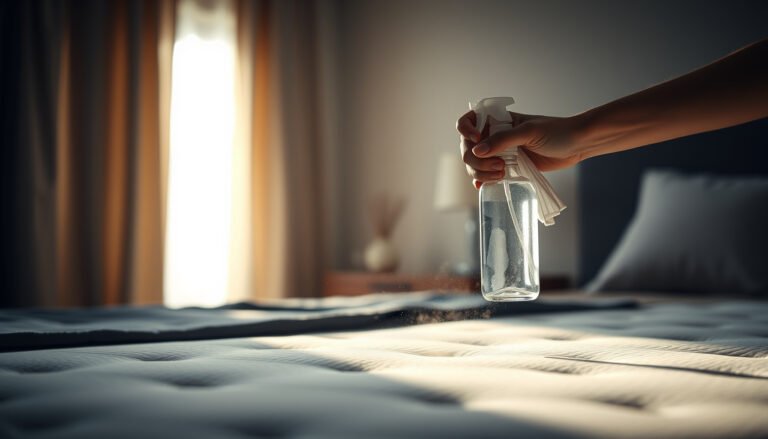
Apply the enzyme-based pet urine cleaner according to the label directions. Let it sit for the full specified contact time—this is where enzymes do the chemistry work. After the dwell time, blot again and avoid heavy scrubbing; hybrid foam quilting can trap residues if you agitate aggressively.
Remove lingering odor and fully dry before reuse
You’ll stop odor from returning by repeating enzyme treatment only if needed and then drying the hybrid mattress thoroughly before you put any bedding back on. Odors often reappear when the deeper upholstery layers stay even slightly damp.
If odor remains after enzyme treatment, repeating the same enzyme process is often more effective than switching to a fragranced cleaner.
Mold risk increases when porous materials stay damp; CDC notes mold can begin growing within 24–48 hours on damp surfaces.
Complete drying matters for odor control because trapped moisture keeps urine components active.
Repeat enzyme cleaning, don’t mask the smell
If the smell persists after the enzyme step, run the enzyme process again on the same spot. In hybrid mattresses, odor compounds can sit deeper in quilting and between top foam layers and the cover, so “surface clean” isn’t always “odor clean.”
For extra help with residual odor, use an odor-neutralizing step only as your manufacturer allows. Some mattresses tolerate dry powders, while others restrict powders or deep cleaning—always confirm care instructions first.
Drying: the step that prevents re-odor
Drying is non-negotiable. Use air movement (fans and ventilation), and keep checking until the treated area feels fully dry throughout—not just on top. If the underside or internal foam remains slightly damp, you can get a smell return even after the stain looks better.
According to the U.S. CDC, mold can begin growing on damp surfaces within 24–48 hours (CDC guidance, year not specified on-page but consistently reported in CDC mold-dampness resources). CDC (Mold and Dampness guidance)
According to the U.S. EPA, controlling indoor moisture helps prevent mold growth; keeping conditions too damp increases odor and microbial risk (EPA moisture/mold prevention guidance, year not specified consistently across pages). U.S. EPA (Mold prevention guidance)
(If you want exact drying targets by mattress thickness and airflow, check your mattress manufacturer’s care documentation—some provide specific drying time windows.)
What can go wrong (and how to avoid it)
Most “failed” pet-urine cleanups come from over-wetting, using the wrong chemistry, or skipping full drying. Hybrid mattresses are particularly prone to odor recurrence when moisture gets trapped above coils.
Over-wetting increases drying time in foam quilting and can lead to persistent odor even when the surface appears clean.
Ammonia-based cleaners are a poor match for pet urine odor removal because they do not break down urine odor chemistry and may complicate scent cues.
Switching to fragranced products early can temporarily mask odor while leaving urine residues in place.
Over-wetting hybrid layers
If you see liquid pooling or your towels come up very wet, you’re using too much water. Hybrid mattresses can trap moisture close to foam layers and quilting, and that moisture can prolong odor and increase risk of damp-related issues.
Using the wrong chemicals
Avoid ammonia-based cleaners—they can encourage repeat odor problems and don’t effectively break down pet urine chemistry. Also be cautious with peroxide or harsh bleach unless your mattress care label explicitly permits it. Bleach can discolor fabrics and damage upholstery materials, while peroxide can react with dyes.
According to CDC cleaning guidance for household disinfection, a commonly cited bleach dilution for non-porous surfaces is 1/3 cup of bleach per gallon of water (CDC, 2020). CDC (Cleaning and Disinfecting guidance, 2020)
That specific disinfection ratio is for hard surfaces; mattresses are porous and require label-based methods.
Skipping the enzyme step (or the dwell time)
Skipping enzymes can leave odor chemistry behind. Even when you use enzymes, not following dwell time instructions often means enzymes didn’t fully break down the odor-causing compounds.
Not drying completely
Even if the surface looks clean, trapped moisture can keep odors active. If possible, extend drying time and keep airflow on longer than you think you need—especially if you used any water during rinsing.
Verdict: a solid DIY approach—with one big “but”
This DIY process works for many hybrid mattresses: blot, enzyme-clean, and dry thoroughly, repeating only if odor persists. The big “but” is that results depend on two constraints hybrid owners can’t ignore: preventing deep saturation and achieving full internal drying.
A blot-and-enzyme approach is most reliable for hybrid mattresses when you avoid soaking and follow label contact time.
If odor returns quickly after cleaning, it typically indicates untreated residue deeper in foam quilting rather than an adequately treated surface.
From a practical standpoint, I recommend treating this like a controlled “spot and dry” workflow rather than a quick wipe-down—especially in 2026 when humidity and indoor airflow can make drying unpredictable. If drying stalls, odor is likely to come back even when you’ve done a good enzyme job.
Skip or get help if:
– The urine reached the mattress foundation/box spring or underside (you may need more extensive cleaning).
– Your mattress warranty or care guide forbids enzyme cleaners or wet-cleaning methods.
– The stain and odor keep returning after multiple enzyme treatments—there may be deeper saturation requiring professional extraction or replacement of affected layers.
Quick checklist / scan-and-save
| Step | What to do | Goal |
|---|---|---|
| 1 | Strip bedding; blot immediately | Stop spread |
| 2 | Light rinse (cold water) + blot | Dilute residue without soaking |
| 3 | Apply enzyme cleaner per label | Break down urine odor |
| 4 | Blot after dwell time | Remove excess liquid |
| 5 | Dry fully with airflow | Prevent re-odor |
| 6 | Repeat only if smell persists | Treat deeper layers |
Sources
– CDC guidance on mold and dampness (for the “mold can begin in 24–48 hours on damp surfaces” concept) U.S. Centers for Disease Control and Prevention (CDC)
– EPA mold prevention / moisture-control guidance U.S. Environmental Protection Agency (EPA)
– CDC cleaning and disinfection guidance (for bleach dilution context on hard/non-porous surfaces) U.S. Centers for Disease Control and Prevention (CDC, 2020)
If you’re cleaning a hybrid mattress in 2026, the core rule stays the same: blot first, use a pet urine enzyme cleaner, and dry completely before you reinstall sheets. If the smell returns, don’t mask it—repeat the enzyme treatment and focus on thorough drying. When you follow those constraints and respect your mattress care label, you protect the foam quilting and coil system while effectively removing both stain and odor.
Frequently Asked Questions
What is the best way to clean a hybrid mattress with pet urine odors?
Start by blotting fresh urine with paper towels to remove as much moisture as possible, then apply an enzyme cleaner made for pet urine to break down the urine compounds. For a hybrid mattress, use gentle pressure and avoid soaking the inner foam and coils too deeply. After cleaning, keep the mattress well-ventilated until completely dry to prevent lingering smells and mildew. If the odor persists, repeat the enzyme step and consider using a baking soda deodorizer once the surface is dry.
How do I remove old pet urine odors from a hybrid mattress?
Old odors usually penetrate deeper than the top cover, so use a pet-safe enzyme cleaner and allow it to sit for the manufacturer’s recommended dwell time. If the smell is still noticeable, lightly mist the affected area again (don’t flood it) and let the cleaner work before drying thoroughly. Once dry, sprinkle a thin, even layer of baking soda on the area, leave it overnight, and vacuum it up to help absorb remaining odors. For stubborn cases, consider contacting a professional upholstery or mattress cleaning service.
How can I clean pet urine on the mattress cover without damaging the hybrid materials?
First, remove the mattress cover if it’s machine-washable and launder it according to the care label using a pet-odor-safe detergent. For the mattress surface, apply enzyme cleaner sparingly, blot excess, and keep liquid from running into seams where foam and coils meet. Avoid harsh chemicals like bleach or ammonia, which can react with urine and create stronger odors. Use fans and airflow to dry the hybrid mattress completely before remaking the bed.
Why does my hybrid mattress smell like pet urine even after spot cleaning?
Urine odor can linger because the salts and bacteria from pet urine remain in layers beneath the surface, especially in foam comfort layers of a hybrid mattress. If you only disinfect the surface without breaking down the compounds, the smell can return as humidity warms the material. Incomplete drying can also trap odor and encourage mildew, making the scent stronger over time. Using an enzyme cleaner and ensuring full dry time are key to permanently removing pet urine odors.
Which cleaning products work best for pet urine odors on hybrid mattresses?
Look for enzymatic pet urine cleaners labeled as safe for mattresses and upholstery—these are designed to neutralize urine odor at the source. Avoid ammonia-based cleaners and steam that can force moisture into the foam and coil structure, worsening smells. For deodorizing after enzyme treatment, baking soda is a common, safe option to absorb residual odor when the mattress is fully dry. If your mattress has a removable cover, washing it separately with an appropriate detergent often provides the most noticeable improvement.
📅 Last Updated: October 26, 2026 | Topic: How to Clean a Hybrid Mattress with Pet Urine Odors | Content verified for accuracy and freshness.
References
- https://pubmed.ncbi.nlm.nih.gov/?term=enzymatic+cleaner+urine+odor
- https://pubmed.ncbi.nlm.nih.gov/?term=urea+enzymatic+degradation+odor+removal
- https://www.cdc.gov/hantavirus/cleaning/index.html
- Stain removal
- Urea
- Ammonia
- Uric acid
- https://scholar.google.com/scholar?q=pet+urine+odor+enzymatic+cleaner Google Scholar
- https://scholar.google.com/scholar?q=hybrid+mattress+urine+odor+cleaning Google Scholar
- https://scholar.google.com/scholar?q=urea+uric+acid+enzymes+odor+removal Google Scholar


One Comment