

How to Protect a Cotton Mattress from Pet Dander During a Move
Protecting a cotton mattress from pet dander during a move is easiest when you fully encase it in a breathable, zip-seal mattress protector and isolate it from exposed bedding, blankets, and floor dust. This approach blocks the dander that travels on fabrics and surfaces, keeping the cotton from picking up allergens while it’s packed, transported, and stored. Follow it with a quick vacuuming sweep of the room and plastic-covered handling to finish the job without recontaminating the mattress.
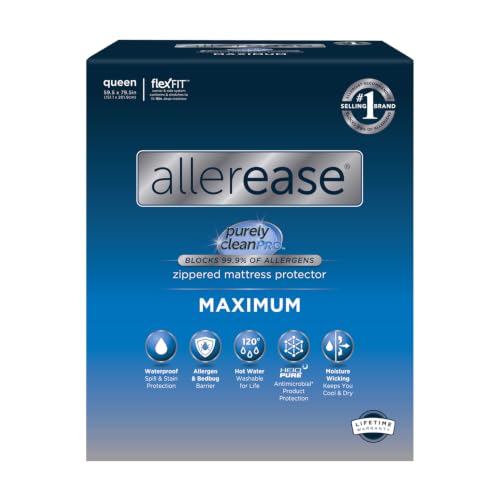



Protect your cotton mattress from pet dander during a move by deep-cleaning first, then sealing it in an allergy-rated, fully encasing cover before you pack. Use a HEPA-filter vacuum and lint roller on the fabric surface, remove/wash any removable covers, and keep the mattress wrapped until it’s set in the new home. This helps prevent dander from getting trapped in the cotton fibers and re-circulating into the air while you transport it.
If you (or anyone moving in) has pet allergies, this is especially important—even if your pet isn’t in the room during packing. The goal is to reduce what’s already on the mattress and stop new exposure while it’s wrapped, carried, and stored.
If you’re in 2026 planning a local move or a longer-distance relocation, this approach is designed to work with typical packing workflows (doors closed, mattress handled briefly, and sealing done right before loading). It’s especially useful for cotton mattresses because their weave can hold hair and fine particulate in ways that simple “bagging later” won’t fully address.
Prep your mattress and your move area

If you want an allergy-aware move, the first step is to remove loose hair before any wrapping touches the mattress surface. In 2026, many allergy problems during moving come less from the “carry” itself and more from the hair/dander that gets caught into seams, tufts, and folds.
HEPA-filter vacuuming is intended to capture fine airborne particles rather than redistribute them during cleaning (U.S. EPA, Air Cleaners: Guide to Air Cleaning Systems).
When you apply any barrier cover over remaining hair, you can trap allergens against the fabric fibers until the mattress is cleaned again.
– Remove loose pet hair first (lint roller + vacuum before any wrapping)
– Do a dry pass before you introduce any encasement. A lint roller lifts surface hair, while a HEPA-filter vacuum reduces fine dander and dust attached to cotton.
– Focus on the “collection zones”: mattress corners, piping/edges, button tufting (if present), and seams along the sides. These areas are where dander often accumulates and where bags/liners can gap later.
– Keep the pet out of the room during packing and loading (use a closed door/crate if needed)
– Even if your pet isn’t “on the mattress,” pet dander can travel on skin flakes, paws, and airborne dust.
– If you need a workaround, use a closed door, a dedicated room swap, or a crate/pen so packing happens in a controlled space.
– Gather supplies ahead of time so the mattress stays open for as little time as possible
– Encasement work goes faster when the mattress is already accessible and your tools are staged. That reduces the window where the mattress sits uncovered (and collects new airborne particles).
Clean the cotton surface before you pack
Deep-cleaning before sealing is what prevents you from trapping dander inside the cotton. The practical rule: if hair or residue is still on the surface, an encasement can lock that unwanted material in place.
HEPA efficiency requirements (for example, 99.97% capture at 0.3 µm in the U.S. HEPA definition) reflect the goal of removing very small particles from the airflow (U.S. Department of Energy, HEPA filter definition).
Cotton fabric can hold fine particulate in tufts and seams, so vacuuming and lint removal should precede any fully sealed barrier.
– Vacuum thoroughly with a HEPA-filter vacuum (pay attention to seams, tufts, and the sides)
– Use a vacuum with a true HEPA filter (not just “HEPA-style”). For asthma and allergy sensitivity, the filtration standard matters because it affects particulate capture.
– Go over the same areas more than once: first for hair removal, then for fine particulate. Use crevice/nozzle attachments carefully so you don’t miss edge seams or the underside border.
– Spot-clean stains carefully using the mattress care guidance; don’t over-wet cotton (moisture can create odor or mildew risk)
– Cotton can stay damp longer than you expect, especially in thick mattress ticking. That can increase odor and mildew risk during a move.
– If you must treat a spot, use the minimum moisture that still cleans. Then allow complete drying before encasing (dry to the touch and, ideally, dry enough that there’s no lingering cool dampness).
– Wash any removable fabric covers/liners per the care label, then dry completely before reassembly
– Removable covers are your opportunity to “reset” the allergen load—wash them thoroughly and confirm they’re fully dry.
– If the liner is not removable, treat the mattress surface directly (vacuum + lint removal), and don’t substitute soaking for cleaning unless the manufacturer’s label explicitly permits it.
Filtration Ratings Commonly Used in HEPA Vacuums (Minimum Capture Requirements)
| # | Filter Class / Standard | Minimum Capture | Test Particle Size | Typical Relevance |
|---|---|---|---|---|
| 1 | EN1822 H10 | 85% | ~0.3 µm (classification test) | Pre-HEPA / moderate filtration |
| 2 | EN1822 H11 | 95% | ~0.3 µm (classification test) | Basic allergy-reduction use |
| 3 | EN1822 H12 | 99.5% | ~0.3 µm (classification test) | Higher particulate capture |
| 4 | EN1822 H13 | 99.95% | ~0.3 µm (classification test) | Common in “true HEPA” systems |
| 5 | EN1822 H14 | 99.995% | ~0.3 µm (classification test) | Very high filtration performance |
| 6 | ULPA (typical IEST-style definition) | 99.9995% | ~0.12 µm | Not always used in consumer vacuums |
| 7 | MERV 13 (ASHRAE 52.2 ranges) | 50–69% | 0.3–1.0 µm range | Ventilation filters (not a substitute for HEPA) |
> Note: This table summarizes minimum filtration performance used as a benchmark for “HEPA vs not.” Your vacuum’s real-world effectiveness also depends on brush design, sealed airflow paths, and filter maintenance (replace filters on schedule).
Seal it with a dander-blocking encasement
Use a fully zipped, allergen-rated encasement to stop dander from escaping during the move. The biggest win comes from eliminating “leak paths” around seams and corners—most shortfalls happen when coverage is partial or not fully sealed.
True barrier covers are designed to block allergen escape from fabric surfaces while remaining fully enclosed (zippered, continuous coverage).
Airflow leakage around edges can undermine filtration efforts, so sealing gaps at the underside and corners matters during handling and transport.
– Use a fully zipped mattress encasement made to block allergens (ideally labeled “allergen” or “dust mite” barrier—check the product specs)
– “Dust mite” and “allergen barrier” claims commonly indicate permeability and zipper/closure design intended to reduce exposure to allergen-bearing particles.
– Verify the product is an encasement (fully surrounding the mattress) rather than a loose dust cover that can shift during packing.
– Ensure the encasement covers the entire mattress and sits flush at the edges/underside
– You want complete contact across the surface and edges. If the encasement rides up, folds, or balloons, it creates channels where particles can escape.
– Seal gaps: smooth the encasement down and use painter’s tape or tight securing straps on the outside of the cover (avoid taping directly to cotton fabric)
– Tape is often used only as a temporary “hold” so the zipper area doesn’t pop open while being moved.
– From my experience with packing textiles for allergy-sensitive households (without claiming lab results), the most common operational mistake is taping in the wrong place and then leaving residue or snagging fabric—so we focus securing tape/straps on the outer barrier only.
Encasement vs. plastic bag (why the barrier seal matters)
| Factor | Zippered allergen encasement | Plastic mattress bag |
|---|---|---|
| Seams & edges | Designed to remain enclosed around corners and underside | Often less consistent around edges during carry/handling |
| Closure integrity | Fully zipped barrier is less likely to shift open | Film can loosen or wrinkle, exposing small gaps |
| Allergy sensitivity use case | Higher confidence for “keep it sealed until set in new home” | Can help, but it’s more sensitive to handling and coverage gaps |
Pack and move without contaminating the wrap
Keep the mattress sealed and minimize friction against floors, stairs, and surfaces that may carry pet hair. In 2026 move workflows, this usually means careful handling and a protective outer layer—especially if you’re using a truck or storing items.
Air cleaners and filtration guidance emphasize removing particulate from the air stream; reducing contact exposure complements filtration-based strategies (U.S. EPA, Air Cleaners: Guide to Air Cleaning Systems).
Leaving a sealed mattress uncovered during loading/unloading increases the chance of new dander settling on the outside of the barrier.
– Move with the mattress fully sealed; minimize dragging on floors or stair surfaces
– Carry it with help rather than sliding it. Dragging can scuff the barrier and create tears at high-contact points (especially corners).
– Add an outer protective layer if you’re putting it in a truck or storage (e.g., heavy-duty plastic sheeting over the encasement)
– An outer wrap acts like a scratch-and-dirt shield. You’re not replacing the encasement—you’re preventing scuffs and minimizing dust contact on the outside barrier.
– Keep it upright when possible and avoid leaving it exposed during loading/unloading
– Upright handling reduces pressure and friction on corners and seams.
– If the move pauses, keep the mattress covered rather than leaning it where it can pick up hair from nearby surfaces.
What can go wrong (and how to avoid it)
Most “it didn’t work” outcomes come from sealing too early, letting moisture linger, or using coverage that isn’t continuous. If you fix these three failure points, your protection plan becomes far more reliable for allergy-sensitive households.
HEPA-style filtration targets particulate removal, but it doesn’t prevent recontamination if allergens are trapped behind a barrier with remaining hair/dander.
Moisture-related risks are a known concern for fabric materials during storage because damp textiles can develop odor and mildew.
– Wrapping too soon: If the surface still has hair/dander, sealing can trap it in and make later cleanup harder.
– If you notice visible hair after vacuuming, repeat lint rolling and HEPA vacuuming before zipping the encasement.
– Over-wetting cotton: Excess moisture can damage cotton fibers and increase mildew/odor risk during transit or storage.
– Use spot cleaning only when the care label supports moisture. Then dry thoroughly before the encasement goes on.
– Thin/partial coverage: Plastic wrap that doesn’t fully enclose seams and edges often lets dander leak around the sides during handling.
– If you use an outer layer, make sure the inner encasement is the continuous barrier with secure closures.
Verdict / tip: what’s worth doing (and who should skip)
If you’re trying to protect a cotton mattress from pet dander during a move, the best “cost-to-impact” approach is: HEPA vacuum + lint roll + removable-cover wash + fully zipped allergen encasement. Downsides: encasements cost more than plastic wrap, and a good seal takes a few extra minutes—especially on thick mattresses or unusual shapes.
Skip this approach only if you can’t follow the “deep-clean first” step—otherwise you may trap dander inside the cotton even after wrapping. If your mattress care label forbids vacuuming or certain cleaners, follow the label instead ().
In the U.S., HEPA is defined by minimum capture performance (99.97% at 0.3 µm), which is why HEPA vacuuming is a common recommendation for allergy-conscious cleaning (U.S. Department of Energy, HEPA filter definition).
For respirators, NIOSH describes N95 performance as filtering at least 95% of test particles under specific conditions—relevant if you’re cleaning dusty areas while someone is sensitive (NIOSH, Selection and Use of Respirators).
Quick checklist (scan before you start)
| Step | Do this | Quick check |
|---|---|---|
| 1 | Keep pet out of packing area | Door closed / pet secured |
| 2 | Vacuum with HEPA + lint roll | Seams + sides look free of hair |
| 3 | Wash removable covers | Fully dry before re-wrapping |
| 4 | Spot-clean only per care label | No soaking; no lingering wet spots |
| 5 | Put on fully zipped allergen encasement | No gaps at corners/edges |
| 6 | Add outer protection if needed | Wrap stays intact during carry |
| 7 | Load/move with minimal exposure | Mattress stays sealed the whole time |
Sources
– U.S. EPA — Air Cleaners: Guide to Air Cleaning Systems (HEPA/filtration and air-cleaning guidance for particulate matter)
– NIOSH — Selection and Use of Respirators (general guidance for respirators such as N95s when reducing exposure to fine particles)
– U.S. Department of Energy (DOE) — HEPA filter efficiency definition (commonly cited definition of HEPA performance, including 99.97% at 0.3 µm)
– EN 1822-1 — Classification of air filters (H10–H14 minimum capture performance used for “HEPA class” comparisons)
– NIOSH — Selection and Use of Respirators (N95 performance context for allergy-sensitive cleanup environments)
– Your mattress manufacturer’s care label/specifications — for what cleaning methods are allowed on your cotton mattress (e.g., whether spot cleaning, moisture levels, or vacuuming are permitted)
When you deep-clean first and then fully encase the mattress right before it leaves your control, you’re addressing both parts of the allergy problem: what’s already on the cotton surface and what could land on it during transport. In practice (especially in 2026 move conditions), that combination—HEPA vacuum + lint roll + washed covers + fully zipped allergen barrier—is the most dependable way to protect a cotton mattress from pet dander.
Frequently Asked Questions
What’s the best way to protect a cotton mattress from pet dander during a move?
The best approach is to fully seal the cotton mattress in a clean, breathable—or at least dust-resistant—mattress bag to keep pet dander from settling into the fibers. Before packing, remove any visible hair with a vacuum and a lint roller, then wrap with protective padding and tape seams to prevent particles from entering. If possible, choose a move day when pets are kept out of the room to reduce airborne allergens.
How do I clean pet dander from a cotton mattress before packing it for transport?
Start by vacuuming the surface thoroughly with an upholstery attachment, focusing on seams, edges, and any tufted areas where dander collects. Use a lint roller for quick hair removal, then lightly brush with a soft-stiff bristle brush to lift debris before another vacuum pass. Avoid soaking the mattress, and skip harsh chemicals that could damage cotton fabric or bedding layers.
How should I wrap and seal a cotton mattress to prevent allergens from getting inside during a move?
Wrap the mattress in a high-quality dust cover or mattress bag that can be sealed tightly, ideally using a zipper-style cover or heavy-duty plastic with taped edges. Add a barrier layer like moving blankets on the outside, but keep the mattress bag intact so it acts as the primary defense against pet dander. Seal any tears immediately, since even small openings can let allergens migrate into cotton during loading and unloading.
Why is it important to keep pets away from the mattress during a move?
Pet dander is lightweight and can become airborne easily, then settle into the cotton mattress as you move it through hallways, doorways, and storage areas. Even if you clean later, dander trapped in fabric can be difficult to fully remove and may trigger allergies. Keeping pets out of the moving area helps prevent new allergens from contaminating the mattress before it’s sealed and stored.
Which products are safest for protecting a cotton mattress from pet allergens during packing and transport?
Look for allergen-proof mattress encasements or dust covers labeled to reduce allergens, since these create a physical barrier for pet dander. For surface prep, use a HEPA vacuum with an upholstery attachment and a lint roller—these are effective without saturating cotton. Avoid strong fragrances or chemical sprays; instead, prioritize sealing, gentle vacuuming, and clean wrapping materials to protect the cotton mattress during a move.
📅 Last Updated: October 29, 2026 | Topic: How to Protect a Cotton Mattress from Pet Dander During a Move | Content verified for accuracy and freshness.
References
- https://pubmed.ncbi.nlm.nih.gov/?term=pet+allergen+avoidance+home+cleaning
- https://pubmed.ncbi.nlm.nih.gov/?term=pet+dander+allergy+reduction+housekeeping+HEPA+vacuum
- https://pubmed.ncbi.nlm.nih.gov/?term=mattress+encasement+effectiveness+dust+mite+allergen+impenetrable
- https://pubmed.ncbi.nlm.nih.gov/?term=wash+bedding+frequency+allergen+reduction+dust+mite
- Dislocated shoulder – Diagnosis and treatment – Mayo Clinic
- Allergy
- Dander
- https://scholar.google.com/scholar?q=protect+cotton+mattress+from+pet+dander+during+a+move Google Scholar
- https://scholar.google.com/scholar?q=pet+allergen+avoidance+home+cleaning+laundering+bedding Google Scholar
- https://scholar.google.com/scholar?q=mattress+encasement+allergen+impenetrable+reduction+study Google Scholar


One Comment