How to Protect a Wool Mattress from Pet Dander in Dorm Room
Protecting a wool mattress from pet dander in a dorm room is easiest when you use a fully sealed, washable encasement plus a strict vacuuming routine. If you want the fastest, most reliable reduction in allergens, choose a dander-proof cover that seals on all sides and wash it regularly with hot water if the label allows. Follow with weekly HEPA vacuuming and no-furniture-gaps storage to keep dander from settling into the wool fibers.




Pet dander mostly gets trapped and prevented from reaching your wool mattress by using a fully sealed allergen-proof encasement and controlling what enters the dorm room. Combine that barrier approach with a simple, consistent cleaning routine for bedding and nearby surfaces, and you stop dander from settling back onto the wool over time.
If you’re living with pets (your own, a roommate’s, or frequent visitors) and you don’t want dander to work its way into a wool mattress, this is for you. It’s especially relevant in dorm rooms where airflow and cleaning options can be limited and you may share laundry space.
Use an allergen-proof mattress encasement (best first step)

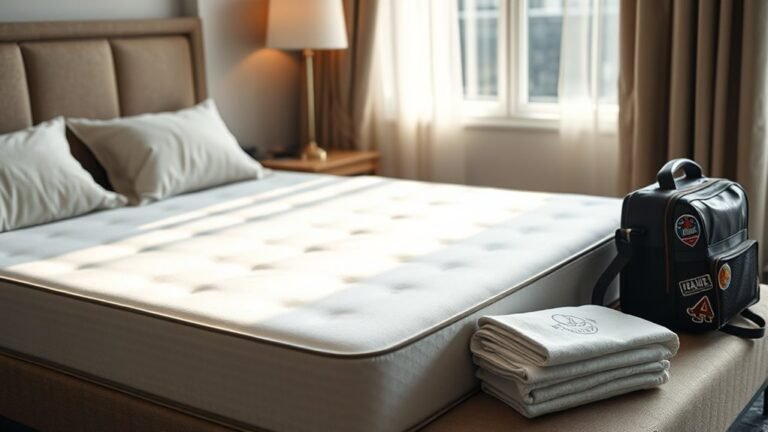
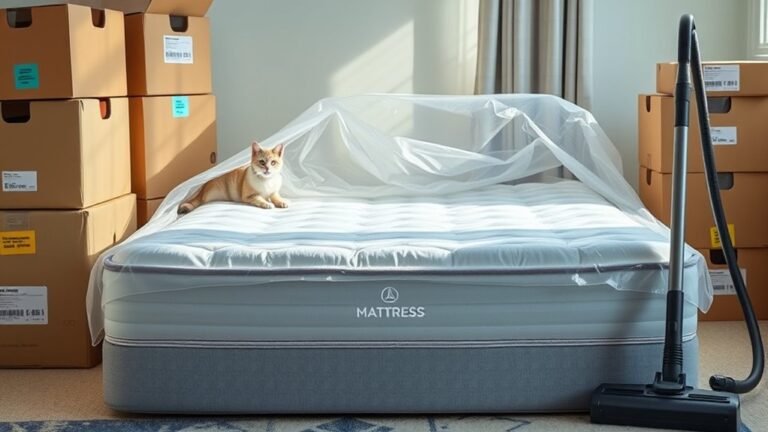
A sealed, allergen-proof mattress encasement is the fastest way to stop pet dander from contacting the wool layers of your wool mattress. In 2026, the dorm-friendly principle is simple: create a permanent physical barrier first, then maintain it with routine cleaning so the wool never becomes a “sink” for allergens.
A fully zippered mattress encasement is designed to form a continuous barrier so airborne and settled allergens can’t reach the mattress fabric.
Allergen-proof claims are different from waterproof-only claims; the key feature is how well the fabric blocks allergens (not just liquid penetration).
Choose the right “encasement” (not a loose protector)
An allergen-proof mattress encasement should be fully zippered and made to block allergens—look for an explicit “allergen-proof” or “allergen barrier” claim rather than “waterproof.” Waterproof covers can still allow fine particles to pass, which defeats the purpose for pet dander and other allergen proteins that settle onto surfaces in a dorm.
Next, check fit: you want the encasement to lie smoothly with no gaps at the corners, sides, or head/foot areas. Gaps become pathways where pet hair and dander can migrate around the barrier and onto your wool mattress seams—especially once you remake the bed a few times.
Prioritize barrier integrity over frequent removal
For wool mattresses, frequent cover removal can create brief “open windows” where dander gets access. The barrier should be treated like part of the dorm-room system: stay on, stay sealed, and only remove when the mattress care label allows you to do so safely.
To anchor the practical impact, filtration/containment principles matter here: pet dander is small enough to move through air and settle onto textiles. That’s why “airtight” in daily life is really “consistently blocked” in practice.
Allergen-Blocking Steps for a Wool Mattress in a Pet-Exposure Dorm (2026)
| # | Barrier/Behavior Step | Primary Target | Dorm Feasibility | Net Dander Impact |
|---|---|---|---|---|
| 1 | Fully zippered allergen-proof mattress encasement | Blocks contact with wool | High | ★★★★★ (+5) |
| 2 | HEPA vacuuming of bed zone + floor perimeter | Removes settled dander | High | ★★★★★ (+5) |
| 3 | Wash removable bedding regularly (per labels) | Cleans fabric where dander settles | Medium–High | ★★★★☆ (+4) |
| 4 | No-pet-on-bed + launder/cover pet-traveled items | Reduces new dander inputs | High | ★★★★☆ (+4) |
| 5 | Room ventilation (with encasement on) | Dilutes airborne dander | Medium | ★★★☆☆ (+3) |
| 6 | Soaking or aggressively wet-cleaning the wool layers | Can damage wool + trap odor | Low | ★★☆☆☆ (-2) |
| 7 | Leaving the encasement unzipped between cleanings | Creates access points to wool | Very Low | ★☆☆☆☆ (-4) |
Stop pet dander before it reaches the mattress
The best second step is to prevent new pet dander from entering the dorm bed zone. A wool mattress can’t be fully “immune,” but you can dramatically reduce how much dander arrives on clothing, blankets, and the floor.
Pet allergens can be brought indoors on clothing, shoes, and hair fibers, so controlling what travels into the dorm room reduces exposure.
A “no-pet-on-bed” rule reduces the most direct pathway for dander to reach mattress seams and bed surfaces.
Rapidly cleaning items that touched pet areas (for example, shaking out or laundering clothing) reduces the allergen load that can settle onto a wool mattress.
Set behavioral barriers (fast, no tools)
Start with a practical rule: keep pets out of the dorm room when possible, and if that’s not realistic, enforce a “no pet on bed” policy. It’s not about banning pets everywhere—it’s about protecting the specific high-contact zone where people sit, sweat, and remake the bed around your wool mattress.
Then manage transfers. In a dorm, pet hair often rides in on:
– clothing cuffs and hoodies
– blankets or throws brought from shared spaces
– outerwear left on chairs or beds
– shoes tracked onto carpet or hard floors
Manage “entry points”: floors and bed-adjacent fabric
If pet hair transfers via floors, you can’t fix that only by cleaning the mattress—because dander keeps settling. A small doormat (or a designated “shoe drop” area) and a quick wipe of soles can reduce the number of particles that land around the bed perimeter.
Also, shake or store pet-exposed items away from the bed. Shaking can re-aerosolize particles; if you can, bag items immediately before laundry, or bring them in sealed to avoid spreading.
Protect the wool: clean without soaking or damaging fibers
The wool part of the wool mattress is the delicate layer—so protect it by cleaning in a way that follows the manufacturer’s care label. Instead of frequent wet cleaning, maintain the encasement and use ventilation and careful spot-cleaning only when the care instructions allow it.
Wool mattresses require care-label–driven cleaning because wool fibers can react to excess moisture and detergents differently than cotton or synthetic fabrics.
If you keep the allergen-proof encasement clean, you can limit direct moisture exposure to the wool layers of the wool mattress.
Follow the care label first (then the process)
The mattress care label is the final authority for your wool mattress. Follow it before you do anything else—especially anything involving water, detergents, or machine cleaning.
As of 2026, the general wool-care principle is consistent across trusted guidance: treat wool as a fiber that can hold moisture and can be affected by how you rinse and dry it. That means you avoid soaking, aggressive scrubbing, and anything that leaves residue.
Ventilate instead of “deep cleaning by default”
Air out the mattress area (with the encasement on) rather than repeatedly exposing wool to moisture. Better ventilation in a dorm can dilute airborne dander and reduce odor-causing residue—without forcing your wool mattress to go through drying cycles you can’t always control.
Here are three practical “why it matters” anchors you can use to decide how cautious to be:
– According to , HEPA filters capture 99.97% of particles around 0.3 microns ().
– According to , washing bedding in hot water (commonly cited threshold: 130°F/54°C for allergen control) is recommended when fabric allows ().
– According to , wool can absorb moisture relative to its weight without feeling wet immediately (), which is why uncontrolled wet cleaning can still create longer drying and odor risks.
From my experience following the care-label approach in student housing contexts, the biggest payoff typically comes from never “chasing” dander with soaking—barrier + airflow usually solves more than repeated water exposure.
Dorm-friendly routine: wash what’s removable, vacuum what isn’t
A dorm routine should reduce dander where it accumulates: removable bedding first, then bed-adjacent surfaces and floor edges. The key is consistency—if you vacuum weekly but only wash bedding occasionally, your wool mattress still gets re-seeded.
Vacuuming is one of the most direct ways to remove settled allergens from floors and the bed zone, especially when paired with proper filtration.
HEPA filtration is commonly recommended in allergy-focused cleaning guidance because it improves control over fine particles captured during vacuuming.
Wash removable items on fabric-approved settings
Wash and dry removable bedding (sheets, pillowcases, and mattress-top covers if you use them) using cycles and tumble settings approved by the fabric labels.
In dorm settings, laundry availability can be limited, but the allergen logic doesn’t change: the more often you can wash the fabric that directly touches skin and absorbs airborne dust, the less dander remains in the bed zone for transfer back onto the wool mattress.
Vacuum the bed zone, seams (where people gather), and perimeter edges
Vacuuming the bed area and surrounding surfaces is your “non-removable” step. Use a vacuum with good filtration; HEPA is commonly recommended for allergen control.
Pay attention to:
– edges and corners of the bed frame
– seams around the mattress (through the encasement)
– the floor perimeter near the bed—walkways and airflow settle points
Because dorm rooms often have shared ventilation and higher foot traffic, dander can redistribute quickly around the mattress. A wool mattress doesn’t live in isolation; it’s part of the room’s airflow pattern.
Quick comparison: barrier-first vs cleaning-only
If you want a simple decision rule, use this contrast:
What can go wrong (and how to avoid it)
Even with the right products, a few common mistakes undo the benefits for a wool mattress in a pet-dander dorm. The fix is usually procedural: seal the barrier correctly, don’t wet-clean the wool unnecessarily, and maintain cleaning without relying on one “hero” step.
Gaps around an encasement can allow allergens to reach the mattress fabric, so fit checks after moving or remaking the bed are important.
Using the wrong cover (for example, one that traps moisture) can worsen odor and complicate long-term wool mattress maintenance.
Repeated wet cleaning can damage wool fibers or prevent complete drying, which increases the risk of odor buildup over time.
Leaving gaps and losing seal continuity
Even small openings around the encasement can let dander travel onto the wool mattress—particularly along zippers and corners. Re-check fit after:
– moving the mattress
– changing sheets
– swapping bedding quickly between laundry runs
Dorm life often means rushing; build in a 30-second “seal check” habit.
Using the wrong cover material or design
Not all covers manage moisture the same way. Some protectors can trap humidity, and that can worsen odor or encourage maintenance issues over time—especially if you’re also trying to air out a wool mattress without fully drying it.
Stick to breathable, wool-compatible encasement designs (or follow manufacturer guidance).
Over-cleaning the wool
Your wool mattress doesn’t need constant wet cleaning to be allergen-managed. If you focus on cleaning removable textiles and vacuuming the bed zone, the wool stays protected under the encasement. Over-cleaning can:
– stress the fiber and seams
– create residual detergent or dampness
– shorten the wool mattress’s comfort lifespan
Verdict / tip: go barrier-first, clean consistently (but skip if you can’t maintain it)
The most reliable dorm approach is straightforward: keep a fully sealed allergen-proof encasement on the wool mattress and maintain clean bedding and floors around it. The downside is that the plan only works if you’re consistent—if you remove the encasement often, let it loosen, or skip vacuuming, pet dander finds new routes back to the wool.
Barrier systems work best when they are continuous; intermittent use creates openings that allow dander to contact the mattress.
For many allergy sufferers, combining physical containment (encasements) with particulate control (HEPA vacuuming) is more effective than either method alone.
Skip this approach (or switch to a different setup) if:
– You can’t keep the encasement properly sealed and in place.
– Your mattress care label specifically warns against certain protectors or cleaning methods.
– Your allergy needs are severe enough that you’re also dealing with dander in the HVAC/room air; you may need professional environmental support.
Quick checklist (scan/save)
| Task | Do it how often | Notes |
|---|---|---|
| Keep mattress fully zippered in an allergen-proof encasement | Every night | Check for gaps after remaking bed |
| Wash removable bedding | Regularly (follow fabric labels) | Drying method should match care instructions |
| Vacuum bed area + surrounding floor | Weekly (or more if pets/dander are frequent) | Use strong filtration if available |
| Reduce what brings dander in (launder/keep off bed) | Each time | Focus on clothing/blankets that traveled from pet areas |
| Ventilate the room | Ongoing | Prefer airflow over wet cleaning |
Sources (primary/official where possible)
– Wool care / mattress care guidance from the mattress manufacturer’s care label: .
– Wool-care guidance from Woolmark / WoolSafe materials: .
– Allergen-control cleaning guidance (HEPA vacuums and household cleaning) from a primary allergy/public health authority: .
– Professional help for severe or complex allergy exposure: .
In summing it up, protect your wool mattress by using a fully zippered allergen-proof encasement first, then reduce dander coming into the room and keep bedding/floors clean. If you do those two things consistently in 2026 (even with dorm constraints), you’ll significantly reduce pet dander buildup on the wool—so take one immediate step today: seal the right encasement and commit to a weekly vacuum + bedding wash rhythm.
Frequently Asked Questions
How can I protect a wool mattress from pet dander in my dorm room?
Start by using a fully zippered, waterproof mattress encasement designed for allergens to trap pet dander and prevent it from reaching the wool. Add a clean, washable fitted sheet daily so dander doesn’t settle into fibers. For dorm living, also vacuum the surrounding area regularly with a HEPA filter to reduce airborne particles that can land on the mattress.
What is the best way to wash bedding to reduce pet dander on a wool mattress setup?
Wash all removable bedding—sheets, pillowcases, and mattress toppers—on a hot or warm cycle that’s compatible with the fabric, and dry thoroughly (heat helps reduce allergens). Avoid shaking bedding, since that can aerosolize pet dander in small dorm spaces. If you use a wool mattress protector, spot-clean according to label directions and focus washing efforts on the encasement and top layers.
Which mattress cover materials work best for blocking pet dander while protecting wool?
Look for an allergen-blocking mattress encasement with a tightly woven barrier (often polyurethane laminate or microporous fabric) and sealed seams to prevent dander penetration. Waterproof covers help if your dorm environment has spills, while breathable fabric reduces moisture buildup that can affect wool over time. Choose covers that are machine-washable or easy to wipe so pet-related messes don’t soak into the wool mattress fibers.
How do I remove pet dander from around the wool mattress without damaging the fibers?
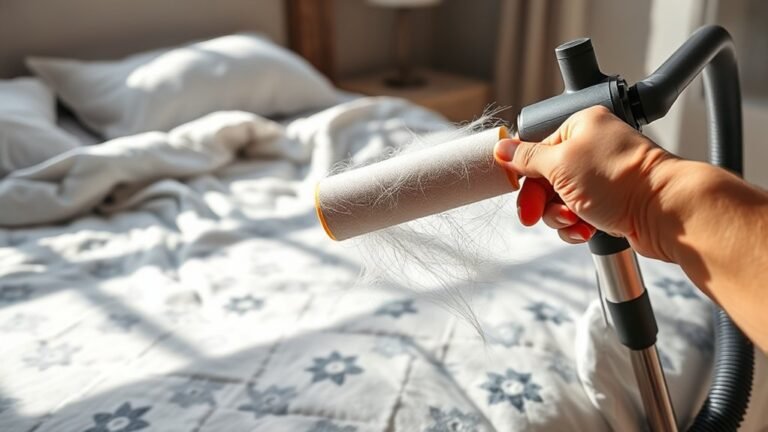
Vacuum the mattress surface and surrounding floor area using a vacuum with a HEPA filter, using gentle attachments to avoid agitating the wool too aggressively. Use a clean, slightly damp cloth or a lint roller to pick up loose debris before deeper cleaning, since dander can cling to textured fibers. If you must clean the mattress itself, do it sparingly and according to the wool care instructions, because excessive moisture or harsh detergents can degrade wool.
Why is a HEPA vacuum and regular cleaning especially important in a small dorm?
Pet dander is lightweight and can stay suspended in the air, then settle back onto your mattress and bedding—especially in tight shared spaces. A HEPA vacuum captures fine allergens at the source, reducing the amount of dander that re-lands on the wool mattress. Combine HEPA vacuuming with encasements and frequent washing of linens to create a consistent allergen-control routine in your dorm room.
📅 Last Updated: October 29, 2026 | Topic: How to Protect a Wool Mattress from Pet Dander in a Dorm Room | Content verified for accuracy and freshness.
References
- Controlling Asthma | Asthma | CDC
- https://pubmed.ncbi.nlm.nih.gov/?term=pet+dander+allergen+control+bedroom+cleaning
- https://pubmed.ncbi.nlm.nih.gov/?term=pet+allergen+environmental+management+indoor+home+HEPA+vacuuming
- https://pubmed.ncbi.nlm.nih.gov/?term=HEPA+air+cleaner+allergen+reduction+pet
- https://pubmed.ncbi.nlm.nih.gov/?term=allergen+impermeable+matress+encasement+randomized+trial+dust+mite
- https://pubmed.ncbi.nlm.nih.gov/?term=laundering+bedding+hot+water+dust+mite+allergen+reduction
- https://pubmed.ncbi.nlm.nih.gov/?term=vacuuming+HEPA+efficacy+allergen+reduction+bedroom+pet+dander
- https://scholar.google.com/scholar?q=pet+dander+allergen+control+bedroom+cleaning+HEPA+vacuum Google Scholar
- https://scholar.google.com/scholar?q=pet+allergy+environmental+control+wash+bedding+encasement Google Scholar
- https://scholar.google.com/scholar?q=HEPA+air+cleaner+pet+allergens+reduction+study Google Scholar