How to Fix Mattress That’s Too Soft for Side Sleepers with Sciatica
If your mattress is too soft for side sleepers with sciatica, the fix is straightforward: add targeted support to stop your hips from sinking and pulling on the nerve. You’ll learn the fastest, most effective adjustments—what to place under the mattress, how to choose the right firmness, and when an upgrade is the only real solution. Follow these steps and you can relieve pressure without sacrificing comfort.




If your mattress is too soft for side sleeping with sciatica, the fastest fix is to restore lumbar/hip support so your hips stop sinking and twisting. Start by adding support under the mattress (or correcting the base), then fine-tune with a topper and pillow so your spine stays more level through the night.
This is for side sleepers who notice increased low-back or butt pain when their hips sink, or who wake up with worse leg symptoms after side sleeping. If you have sudden weakness, numbness that’s rapidly spreading, or bowel/bladder changes, don’t try mattress-only fixes—get medical help urgently.
Diagnose the “too soft” problem (before you change anything)
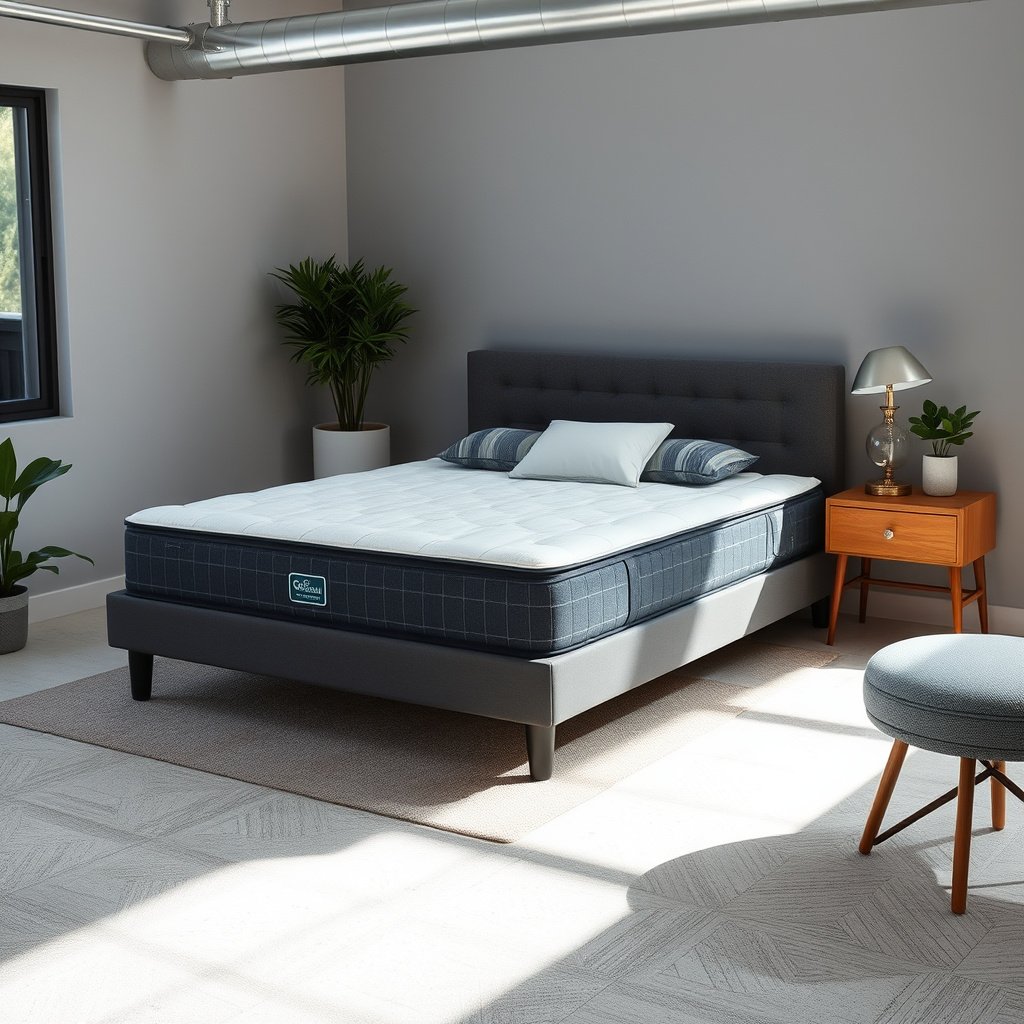
A mattress feels “too soft” for sciatica when it lets your pelvis drop and rotate, increasing strain on the low back and sciatic nerve pathway. Before you buy anything, confirm that you’re dealing with support/sag (and not a different cause) by checking both the mattress surface and the foundation underneath.
According to MedlinePlus (NIH), sciatica symptoms can worsen when the affected nerve is irritated, which often relates to posture and positioning during sleep.
According to American Academy of Orthopaedic Surgeons (AAOS), progressive neurologic symptoms (like worsening weakness or rapidly increasing numbness) are a reason to seek prompt medical evaluation rather than relying on comfort changes.
According to MedlinePlus (NIH), red-flag symptoms such as bowel or bladder changes can signal a serious problem and require urgent care.
Quick home checks that isolate “sink + twist”
– Press-test where you sink: if your hips drop lower than your shoulders, that’s often the culprit.
– In side sleeping, the goal is relative leveling: your pelvis shouldn’t “hang” lower than your torso in a way that rotates your spine. If you press the mattress at the iliac crest (the bony top of your hip) and it easily bottoms out, that’s a strong sign the support core is not holding your pelvis up.
– Check the base/foundation too: a soft mattress can be normal, but an undersupported frame can make it “act” softer.
– Even if your mattress is rated for your body weight, a sagging slatted base or a frame with insufficient center support can create a “soft zone” that behaves like a softer mattress.
– Look for symmetry: sciatica often flares when the spine twists, not just when it’s “too soft.”
– If one shoulder sits higher than the other or your knees collapse toward the mattress (instead of staying supported), you can introduce rotation. Rotation plus sag is the combo many side sleepers feel as low-back/butt pain the next morning.
The numbers that matter for urgency (not guesswork)
– According to MedlinePlus (NIH), symptoms such as bowel/bladder changes are considered urgent—don’t treat those with mattress tweaks.
– According to AAOS, worsening neurologic signs (e.g., progressive weakness) should be evaluated promptly, because posture changes won’t address the underlying cause.
– According to MedlinePlus (NIH), sciatica is often positional—comfort and alignment changes may help when symptoms are driven by irritation from movement or sustained postures, but they’re not a substitute for care when red flags appear.
Which Sciatica Symptom Patterns Fit a Mattress/Support Trial? (Based on red-flag guidance)
| # | Symptom pattern while side sleeping | Expected course | Mattress/support trial fit | Why it’s included |
|---|---|---|---|---|
| 1 | Low-back or butt pain increases when hips sink | Positional/overnight | ★★★★☆ | Fits alignment-and-support troubleshooting when no red flags are present |
| 2 | Morning leg tingling improves after changing position | Relief with repositioning | ★★★☆☆ | Support changes may help if symptoms aren’t rapidly progressing |
| 3 | Pain flares after side sleeping, not during the day | Sleep-position related | ★★★☆☆ | When likely positional, correcting sink/twist can reduce irritation |
| 4 | New or worsening leg weakness | Progressive neuro sign | ★☆☆☆☆ | AAOS guidance favors prompt evaluation over comfort-only changes |
| 5 | Numbness rapidly spreading down the leg | Increasing distribution | ★☆☆☆☆ | MedlinePlus emphasizes urgent evaluation for rapidly changing neurologic symptoms |
| 6 | Bowel/bladder changes | Urgent symptom pattern | ★☆☆☆☆ | MedlinePlus flags this as an emergency—don’t self-treat with a mattress adjustment |
| 7 | Severe symptoms plus fever or unexplained weight loss | Possible systemic issue | ★☆☆☆☆ | AAOS highlights red flags that require medical assessment beyond sleep ergonomics |
Immediate adjustments that help within a few nights
You can often reduce sciatica flare-ups within a few nights by fixing the mechanics of alignment (where your pelvis sits) rather than just adding “more comfort.” These steps are reversible, low-cost, and designed to test whether mattress softness/sag is the primary driver.
According to MedlinePlus (NIH), sciatica is pain related to irritation or compression of the sciatic nerve, so reducing nerve irritation through posture changes can help when symptoms are positional.
According to AAOS, home management is appropriate for many low back/sciatic episodes, but it should not replace urgent evaluation when neurologic red flags appear.
According to MedlinePlus (NIH), symptoms such as rapidly worsening numbness or bowel/bladder changes warrant urgent medical attention.
Fast “mechanical” changes (no tools required)
– Rotate the mattress (if your mattress allows it) and make sure it’s centered on the frame—misalignment can exaggerate sagging.
– If your mattress has a rotation direction or “one-sided” design, follow the label. Mis-centering can create uneven load distribution that makes one hip sink more.
– Switch where you lie: try keeping your torso on the same side of the pillow while moving the hips slightly forward (even a small shift can reduce nerve strain).
– The principle: reduce the tendency for your pelvis to roll inward. Even a small forward hip shift can change how your lumbar spine curves and whether your sciatic pathway gets more compression.
– Use a temporary spacer layer: add a folded blanket/shim only as a test to see whether “more support” reduces symptoms.
– If a quick shim reduces morning pain, you have evidence that support restoration is the right direction. If symptoms worsen immediately, remove it—don’t “push through.”
A note on what I’d do differently (without claiming medical testing)
Add firmness without making side sleeping uncomfortable
More firmness only helps sciatica if it reduces hip sink and keeps your pelvis aligned—just “thickening” cushioning can sometimes make rotation worse. The best approach is targeted support under the mattress and alignment-supportive layering on top.
According to AAOS, many low back problems improve with conservative measures, but correct positioning and avoiding aggravating mechanics matter.
According to MedlinePlus (NIH), positional factors can influence sciatica symptoms, so improving sleep posture and support can reduce irritation in appropriate cases.
Support methods that usually work (in safer order)
– Use a supportive topper, not just “thicker cushioning”: a topper can help only if it reduces sinkage and keeps alignment.
– Look for a topper designed to improve stability (often denser foam or a supportive gel/foam blend) rather than a very plush layer that allows deeper pelvic drop.
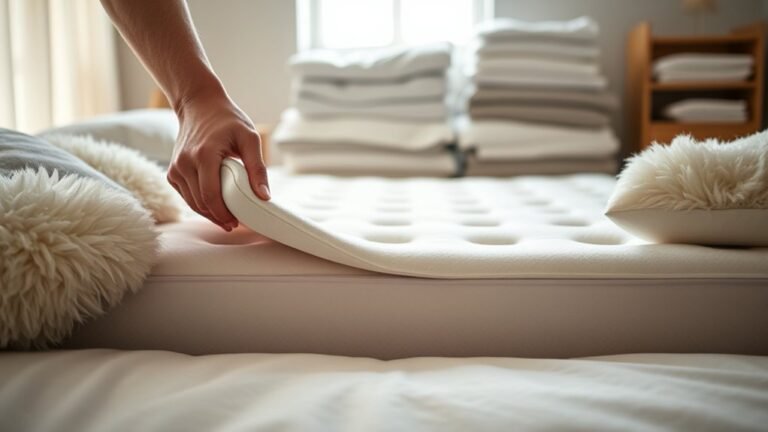
– Add a firm support board/foundation layer where appropriate (commonly under the mattress, between mattress and base) to prevent sagging—use your manufacturer’s guidelines for what’s safe.
– A board can prevent the “bottoming out” pattern that turns your mattress into a hammock for your hips. Safety matters: only add boards in the ways your mattress and foundation allow.
– If your foundation has slats, confirm the slat spacing and support rules: if the slats are too wide or flex too much, your mattress will feel overly soft.
– Slats that flex excessively create localized sag even if the mattress is fine. Your foundation specs (or owner’s manual) are the authoritative reference here.
Comparison: what to change first when the goal is “less hip sink”
Dial in your side-sleep setup for sciatic relief
Even with the right mattress firmness, side-sleeping sciatica improves most when your pillow system prevents hip stacking errors and spinal rotation. These adjustments are small, but they influence the alignment your mattress alone can’t guarantee.
According to MedlinePlus (NIH), sciatica pain relates to the sciatic nerve, and maintaining comfortable positioning can reduce symptom provocation for many people.
According to AAOS, conservative management often includes activity and posture considerations, but persistent or worsening symptoms require reassessment.
The three “alignment levers”
– Pillow position matters: place a pillow between your knees to keep hips stacked (less rotation = less aggravation for many people).
– This prevents your top knee from collapsing forward or your pelvis from rolling. If you feel butt pain on the same side every morning, knee pillow placement is often where the fix lives.
– Target the “gap”: if there’s a large space between your waist and the mattress, you may need more localized support under the torso (not just under your shoulders).
– Many people add support under the shoulder area, but sciatica often responds when the pelvis and lumbar curve are controlled. You’re aiming to keep the torso from “floating” into a twist.
– Keep your head/neck aligned: too-high or too-low pillows can shift your spine and indirectly worsen low-back tension.
– Your neck pillow sets the overall line from cervical spine (neck) to thoracic spine (mid-back). If it’s too tall, your body may compensate with lumbar rotation.
Make the adjustment measurable (so you know it worked)
If symptoms change quickly after shifting pillow placement, document it:
– Note your pain/tingling intensity before bed and immediately after waking.
– Try one change at a time so you can attribute improvement to the correct variable (topper vs knee pillow vs torso support).
What can go wrong (and when to stop)
The biggest mistakes are making the surface too firm, violating mattress/base rules, or continuing mattress-only adjustments despite red-flag symptoms. If the change worsens pain or new neurologic symptoms appear, stop and reassess promptly.
According to MedlinePlus (NIH), bowel/bladder changes and rapidly progressing neurologic symptoms are reasons to seek urgent care rather than trying conservative sleep changes.
According to AAOS, worsening symptoms or neurologic deficits should not be ignored; clinical reassessment is appropriate when conservative measures fail.
– Making it too firm: a very hard surface can increase pressure points and worsen discomfort for some people—change gradually.
– If your butt feels “pinched” or your leg pain intensifies right after you add rigidity, your alignment may be getting worse rather than better.
– Ignoring mattress warranty/foundation rules: adding boards or altering support can void warranties if it violates the manufacturer’s setup requirements. Check the manual first.
– This is not just legal housekeeping—incorrect support can affect structural safety and expected performance.
– Confusing sciatica causes: if your pain is coming from something other than sleep position/support (e.g., acute disc issues), mattress tweaks may help temporarily but won’t be enough—worsening symptoms mean reassessment.
– If pain becomes more frequent, more intense, or starts to spread differently, it’s time to involve a clinician.
Verdict: what to do next (honest recommendation)
The best plan is a two-step fix: first, restore support under the mattress so your hips don’t sink; second, fine-tune with knee/side pillow placement to reduce spinal rotation. If you’ve tried support improvements for a short trial period and you still feel clear sciatic flare-ups from mattress softness, you may need to replace the mattress or use a foundation designed for your mattress type.
Who should skip this approach: if you have red-flag symptoms (new or worsening leg weakness, numbness rapidly progressing, or bowel/bladder changes), or if your clinician says your pain needs urgent evaluation. Also skip “DIY fixes” that don’t match your mattress/base instructions—support changes can affect safety and warranty.
Quick checklist (scan/save)
– [ ] Hip sink check: hips not lower than shoulders when side sleeping
– [ ] Foundation check: mattress sits fully supported on the frame
– [ ] Slat spacing checked against your mattress/base requirements
– [ ] Trial support added (temporary shim/board) to test improvement
– [ ] Topper selection focused on alignment (not just thickness)
– [ ] Knee pillow used to keep hips stacked
– [ ] Symptoms tracked: pain/tingling before bed vs. after waking
– [ ] Stop/adjust if pain worsens or new symptoms appear
Sources
– MedlinePlus (NIH): “Sciatica” — official overview of sciatica symptoms and when to seek care.
– American Academy of Orthopaedic Surgeons (AAOS): patient guidance on sciatica/low back pain (for red flags and general management).
– (primary source for safe foundation/slat spacing and whether boards/topers are allowed without voiding warranty).
Frequently Asked Questions
What causes a mattress that’s too soft to worsen sciatica for side sleepers?
A mattress that’s too soft can cause your hips to sink too far, which misaligns your spine and increases pressure on the sciatic nerve. For side sleepers, this often leads to a tilted pelvis, twisting through the lower back, and added strain on the muscles that support the sciatic nerve. Over time, this can make symptoms like pain, tingling, or numbness feel worse, especially when you first get into bed.
How can I firm up a soft mattress to reduce sciatic nerve pressure when side sleeping?
Start by adding mattress support without changing your comfort too abruptly—try placing a firm mattress topper (like latex or a high-density foam topper) or using a supportive board between the mattress and bed frame. If your mattress has sagging or broken support slats, replacing slats or tightening/realigning them can make a noticeable difference for sciatica. Aim to keep your hips level with your shoulders so your lower back doesn’t collapse into a flexed position.
How should I use pillows and positioning to prevent my pelvis from sinking on a soft mattress?
Use a supportive pillow between your knees to keep your hips from rotating forward when you side sleep, which helps maintain spinal alignment. Place a thinner pillow under your head if your neck feels strained, so your torso stays neutral. If your mattress is very soft, consider placing a body pillow along your front to discourage rolling and keeping your legs from pulling your pelvis out of alignment.
Why is spinal alignment more important than mattress “hardness” for sciatica?
Sciatica is often aggravated by nerve irritation, which can increase when the spine and pelvis lose neutral alignment. A mattress that’s “soft” doesn’t automatically mean “bad,” but excessive sink can create an arched low back or twisted posture that compresses tissues around the sciatic nerve. The goal is stable support that keeps your hips, lower back, and shoulders in a comfortable, aligned line for side sleeping.
Best options for fixing a too-soft mattress for side sleepers with sciatica?
The best fixes usually combine improved base support and targeted comfort—such as a firm supportive topper and correcting any sagging from the bed frame or slats. Look for pressure-relieving materials (like latex) with enough “support” so your hips don’t sink; alternatively, an adjustable foundation or supportive insert can reduce deep compression. If symptoms persist, consider upgrading to a medium-firm mattress specifically designed for side sleepers, because consistent alignment is key to reducing sciatic pain.
📅 Last Updated: October 26, 2026 | Topic: How to Fix a Mattress That’s Too Soft for Side Sleepers with Sciatica | Content verified for accuracy and freshness.
References
- Sciatica | MedlinePlus
- All Disorders | National Institute of Neurological Disorders and Stroke
- Scarlet fever – Symptoms and causes – Mayo Clinic
- Sciatica – NHS
- Sciatica
- https://pubmed.ncbi.nlm.nih.gov/?term=mattress+firmness+low+back+pain
- https://pubmed.ncbi.nlm.nih.gov/?term=side+sleeping+low+back+pain
- https://scholar.google.com/scholar?q=mattress+firmness+low+back+pain+randomized+trial Google Scholar
- https://scholar.google.com/scholar?q=side+sleeping+low+back+pain+sciatica+sleep+position Google Scholar
- https://scholar.google.com/scholar?q=sciatica+sleeping+position+side+sleepers+pillow Google Scholar