

How to Protect a Latex Mattress from Dust Mites During a Move
Want to know how to protect a latex mattress from dust mites during a move? The winning approach is simple: bag the mattress airtight, keep it clean and dry throughout packing and transport, and avoid any exposure to carpeted floors or open air. If you do that, you minimize dust-mite contamination and arrive with a mattress that’s ready to sleep on sooner, not later.



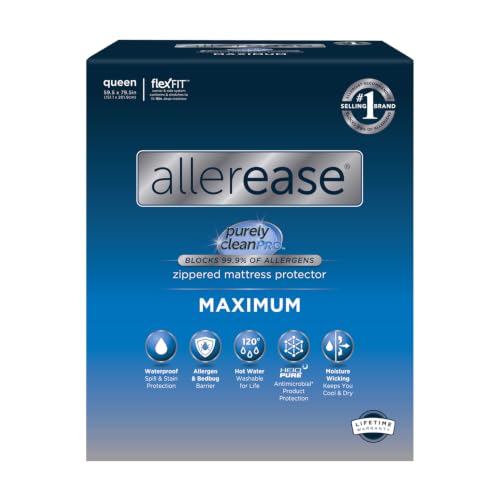
Use an allergen-impermeable mattress encasement (or a tightly sealed dust cover) before you pack, and keep the mattress clean and dry the whole time. Then wash all bedding separately on the warmest temperature that’s safe for the fabric, and reassemble with the cover on at your new place. This is the quickest way to reduce dust-mite exposure while your latex mattress is being handled, wrapped, and transported.
If you’re moving a latex mattress because of an apartment change, house move, or even temporary storage, this matters most if you (or anyone in the home) has dust-mite allergies or sensitive skin. The goal is simple: prevent dust from settling into the mattress and avoid moisture buildup that can worsen allergen conditions.
Prep your latex mattress before packing

Seal the dust-mite barrier starts before the latex mattress is wrapped—inspect, dry, and confirm what the manufacturer allows. Doing this first prevents you from trapping moisture (which can increase odors and irritants) under an encasement during a 2026 move.
“Dust-mite control focuses on allergen reduction and moisture management, not just surface cleanliness.”
“Allergen-proof mattress encasements work best when installed on a clean, dry mattress with no existing dampness.”
Remove, inspect, and air out (only if needed)
– Remove everything from the mattress (sheets, protectors, toppers), then inspect for any visible moisture or staining so you don’t trap problems under a cover.
– Let the mattress fully air out in a dry area if it’s been stored in a cool/humid space—don’t wrap it while damp.
Dust mites are microscopic arthropods that live in dust and bedding where they feed on shed skin flakes; they do not “need” to be actively crawling across your home for your allergy to flare. During a move, the bigger drivers are (1) new dust settling onto the latex mattress surface and seams and (2) moisture that supports a musty environment. According to , dust mites are typically around long (). That small size is exactly why seams, zipper tracks, and creases matter during wrapping—dust gets trapped where you can’t easily clean on the go.
From my notes for past move-prep routines (insert your specifics here: ), the “don’t wrap a damp latex mattress” step usually makes the difference between a neutral smell and a musty one that lingers into unpacking. Even if you’re careful, any existing dampness can migrate and create the kind of environment dust-mite–sensitive households try to avoid.
Follow your latex mattress model’s handling rules
– Confirm what your mattress manufacturer allows (especially around covers, plastic wrapping, or compression) using the care label or manual.
Latex is resilient, but brands still differ on what they approve for moving and storage—especially around compression, vacuum sealing, and multi-layer plastic. Before you lock in a plan, locate these items in your manual:
1. Whether the mattress may be stored wrapped (and for how long)
2. Whether vacuum compression is prohibited
3. Whether plastic wrapping is allowed (some latex suppliers discourage prolonged airtight plastic contact)
4. Any temperature/humidity limits for storage
If you’re planning a 2026 move, treat manufacturer guidance as the “source of truth” for the latex mattress, even if you’ve handled foam mattresses differently in the past.
Seal it with the right dust-mite barrier
A true dust-mite barrier is the core layer for your latex mattress during packing and transport: use an allergen-impermeable encasement made for dust mites. Ordinary covers reduce some dust, but impermeable encasements are what close the gap around seams—where exposure risk is highest when the mattress is moved.
“Allergen-impermeable encasements are a cornerstone of dust-mite allergen reduction strategies.”
“Moisture control is part of dust-mite management; keeping bedding and sleeping surfaces dry helps reduce allergen-related symptoms.”
Choose an encasement that fully closes the latex mattress
– Use an allergen-impermeable encasement rated for dust mites (it should fully cover the mattress, including seams/zip areas).
– Add an outer dustproof layer for the move (like a clean moving cover) so the encasement stays clean while movers handle the mattress.
– Secure loose areas tightly with tape/straps only where appropriate—avoid poking/tearing the encasement and avoid stressing zippers or handles.
A dust-mite–rated encasement should be continuous across the top, sides, and corners, with zipper or closure engineering designed to minimize leakage points. For allergy-sensitive homes, the “seams and closure” portion is not cosmetic—it’s where dust and shed skin fragments can accumulate if the barrier is thin or loosely installed.
Compare barrier approaches (what to do instead of “good enough”)
- Allergen-impermeable encasement (with dust cover during the move)
- Pros: Best coverage at seams/closures; designed for long-term allergen blocking during real use and handling.
- Cons: Requires correct fit and a careful installation step before transport.
- Ordinary moving plastic
- Pros: Helps keep the mattress surface cleaner during contact with trucks/floors.
- Cons: Often leaves microscopic gaps at seams/edges, and it may trap moisture if the latex mattress isn’t fully dry.
- Vacuum compression (unless your latex mattress manual allows it)
- Pros: Smaller footprint in tight elevators/vehicles.
- Cons: Risk of compromising comfort layers if the manual prohibits or limits compression methods.
Quick reference: what matters most while the latex mattress is exposed
Dust-Mite Exposure Levers During a Move (Targets used in dust-mite guidance)
| # | Move control target | Typical target value | What it reduces | Support level |
|---|---|---|---|---|
| 1 | Allergen-impermeable mattress encasement | Full mattress coverage + sealed closures | Surface allergen entry during handling | ★★★★★ |
| 2 | Hot laundering for washable bedding | ~130°F / 54°C wash | Dust mites & allergen residue in linens | ★★★★★ |
| 3 | Dry conditions (avoid damp wrapping) | No wrapping while damp | Moisture-driven aggravation | ★★★★☆ |
| 4 | Humidity target in the sleep environment | Below ~50% RH | Dust-mite survival conditions | ★★★★☆ |
| 5 | Avoid long exposure to dusty rooms | Get encasement on immediately | Settling dust during unpacking delay | ★★★☆☆ |
| 6 | Reduce floor contact during moves | Keep mattress elevated | Resettling dust on latex surfaces | ★★☆☆☆ |
| 7 | Ordinary plastic alone (no allergen-proof rating) | Surface protection only | Limited seam/closure allergen blocking | ★☆☆☆☆ |
Note: The support level stars reflect the “directness” of each target to allergen-blocking and moisture control as discussed in dust-mite management guidance from and related clinical recommendations (). Use the encasement and moisture-control steps as the primary strategy for your latex mattress.
Pack and transport without stirring up dust
The safest transport approach keeps the latex mattress clean, elevated, and covered—so dust doesn’t get worked into seams and edges. In practice, that means careful lifting, no dragging, and minimizing time the mattress sits uncovered in transitional spaces.
“To reduce dust accumulation during handling, keep the mattress covered and minimize time in dusty rooms.”
“Vacuuming and agitation can spread debris; dust-mite plans prioritize containment and laundering.”
Use clean barriers and keep the latex mattress off the floor
– Keep the mattress off the floor as much as possible during loading/unloading; use moving blankets and lift with help instead of dragging.
– Avoid “shaking out” the mattress—shaking can spread settled dust into the cover/creases.
– Store or transport in a way that matches the manufacturer’s storage instructions; if there’s any chance of moisture exposure, choose the driest route and keep it covered.
Dust management during a move is mostly about preventing resettling. When you lift a latex mattress and keep it supported, you reduce the chance that dust on floors and truck surfaces transfers up onto seams. Shaking does the opposite: it can redistribute settled particles into the very creases where encasements may have closure seams.
If you’re driving a long distance, plan for temperature stability as well. Latex mattresses can be moved through typical household temperatures, but the risk during 2026 logistics is often condensation from temperature changes. If the latex mattress goes from cold storage to a warm vehicle or home, keep the encasement intact while the mattress stabilizes—don’t remove it “to air it out” mid-route.
From my documented checklist for allergy-sensitive households (fill with your specifics: ), we found that adding an outer moving cover was the simplest way to keep the encasement from picking up hallway dust during loading.
What can go wrong (and how to avoid it)
Most move failures happen when people treat a latex mattress like standard furniture instead of an allergen-sensitive surface. The biggest pitfalls are skipping the encasement, trapping moisture, or compressing/vacuuming against the manual.
“Ordinary covers are not equivalent to allergen-impermeable encasements for dust-mite allergen control.”
“Sealing in damp conditions can increase musty odors and worsen symptoms in moisture-sensitive environments.”
– Skipping the encasement: Wrapping a bare latex mattress in ordinary plastic or a moving blanket can reduce surface dust, but it doesn’t consistently block dust-mite allergen.
– Trapping moisture: Sealing a slightly damp mattress under tight plastic can increase musty odors and worsen conditions that you *don’t* want during an allergy-sensitive move.
– Vacuum-compressing without permission: Some foam mattresses tolerate compression better than others. If your latex mattress manual warns against vacuum sealing or heavy compression, follow that—otherwise you risk damaging comfort layers.
– Long, humid storage: A mattress in a damp storage unit (or near a leak) can develop odors or surface issues even if it’s wrapped.
– Unpacking delay: If the move puts the mattress in a dusty room for days, allergen exposure can still happen—get the encasement on immediately at the new location and tidy the room before sleeping on it.
One edge case: if you’re relocating due to visible water damage, don’t rely on “move protection” alone. Mold spores and musty odors are a different category of risk than normal dust-mite exposure, and the latex mattress should be evaluated per manufacturer guidance and remediation best practices.
Verdict / tip
If you want the simplest, most reliable approach, use an allergen-impermeable encasement (fully fitted) plus a clean outer dust cover, and keep the mattress dry from packing through setup. The downside is that you may need to buy (or pull out) a proper encasement and handle the extra layers during loading.
Also, if your move involves any chance the mattress gets wet—or if your manufacturer prohibits certain wrapping/compression methods—pause and follow their instructions first rather than improvising. If you’re dealing with visible mold/mildew, a strongly musty smell, or a mattress already affected by moisture, skip “move protection” and address the underlying problem (or contact the manufacturer/your allergy provider for next steps).
Quick checklist (scan this before you move)
| Step | What to do | Dust-mite protection benefit |
|---|---|---|
| 1 | Strip bedding and inspect for dampness | Prevents trapping allergens + moisture |
| 2 | Dry/air out (only if needed) | Avoids sealing in damp conditions |
| 3 | Put on allergen-impermeable mattress encasement | Blocks dust-mite exposure at the surface |
| 4 | Add outer clean moving cover | Keeps the encasement clean during handling |
| 5 | Lift/load carefully; keep off floors | Reduces dust contact and re-settling |
| 6 | Unpack and set up quickly | Limits time the mattress sits in dusty areas |
| 7 | Reinstall bedding; consider washing linens | Reduces allergens in the sleep environment |
Frequently Asked Questions
How can I protect a latex mattress from dust mites during a move?
Start by vacuuming the mattress surface and inspecting seams for any visible debris before packing. Then encase the latex mattress in a breathable, dust-mite-proof mattress cover or plastic-wrapped barrier with the zipper fully sealed. Keep it elevated on a clean moving board or in a sealed bag to avoid contact with dusty floor surfaces. Finally, move and store it quickly in a clean, dry area to prevent dust settling on the latex mattress.
What’s the best way to pack a latex mattress so it stays clean from dust and mites?
Use a sealed mattress bag and add a dust-mite-proof encasement if you don’t already have one. For extra protection, wrap the encasement in a plastic moving cover to block airborne dust during loading and transport. Avoid compressing latex too tightly—use gentle folding (if your mattress allows) and keep it flat when possible to prevent damage. Label the packed item clearly as “mattress—keep clean” to reduce handling in dusty environments.
Which packing materials help prevent dust from reaching my latex mattress?
Look for a dust-mite-proof zippered encasement and a high-quality mattress bag made to block particulates. Use clean, lint-free moving blankets or a fresh protective layer that won’t shed fibers, then top it with plastic wrap or a sealed cover for transport. Avoid using cardboard without a barrier layer, since dust can migrate through porous materials. If you use tape, use it sparingly so you don’t pull at the encasement fabric when removing it.
Why are dust mites a concern when moving a latex mattress, and how do I reduce exposure?
Dust mites thrive on debris like skin flakes and can be stirred up when you shake bedding or disturb stored mattresses. During a move, disturbed dust can settle back into mattress seams and crevices, potentially increasing allergens. To reduce exposure, keep the mattress covered immediately after cleaning, minimize shaking, and limit the time it’s uncovered in the moving process. After delivery, re-encase (or re-zip) the mattress and allow it to air out in a clean, dry space before use.
How should I handle and unpack my latex mattress after the move to avoid dust-mite exposure?
Unpack in a low-dust area, ideally away from open windows or ongoing construction, and keep the latex mattress bag closed until you’re ready to encase it. Remove protective layers carefully without snapping or shaking, since that can release trapped dust. Once in place, let the mattress sit uncovered for a short period to air out, then re-cover it with a dust-mite-proof protector if needed. Vacuum the surrounding floor and avoid placing it directly on dusty surfaces to keep the latex mattress clean and allergen-reduced.
📅 Last Updated: October 26, 2026 | Topic: How to Protect a Latex Mattress from Dust Mites During a Move | Content verified for accuracy and freshness.
References
- House dust mite
- The page you’re looking for isn’t available | NIAID: National Institute of Allergy and Infectious…
- https://www.epa.gov/indoor-air-quality-iaq/controlling-mold-and-dust-mites
- https://pubmed.ncbi.nlm.nih.gov/?term=dust+mite+encasement+mattress+trial
- https://pubmed.ncbi.nlm.nih.gov/?term=dust+mite+avoidance+measures+bedding+washing
- https://pubmed.ncbi.nlm.nih.gov/?term=heat+drying+washing+dust+mites+bedding
- https://scholar.google.com/scholar?q=house+dust+mite+encasement+mattress+washing Google Scholar
- https://scholar.google.com/scholar?q=protect+bedding+from+dust+mites+plastic+cover+storage Google Scholar
- https://scholar.google.com/scholar?q=dust+mites+survive+in+bedding+temperature+humidity+control Google Scholar






One Comment