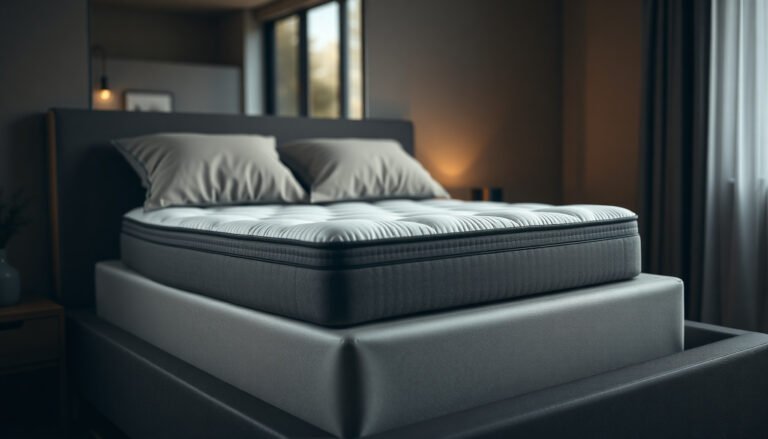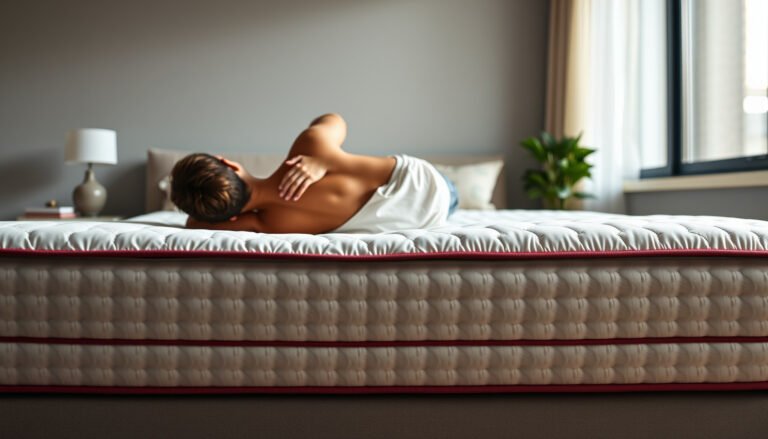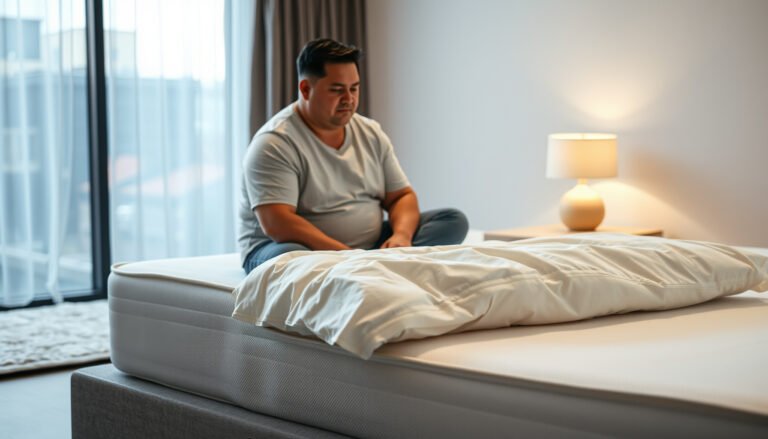
My Pillow Mattress Topper Reviews: Comfort, Support, and Fit
You slide a My Pillow mattress topper onto your bed, hoping it turns your current mattress into something more comfortable, only to wonder whether the feel and fit will actually match the reviews. We compared the most talked-about options using the factors that matter most for toppers: support and pressure relief, cooling and softness, durability after regular use, and how consistently the cover fits and stays put. By the end, you’ll know which pick stands out for comfort, and which ones are more likely to disappoint.
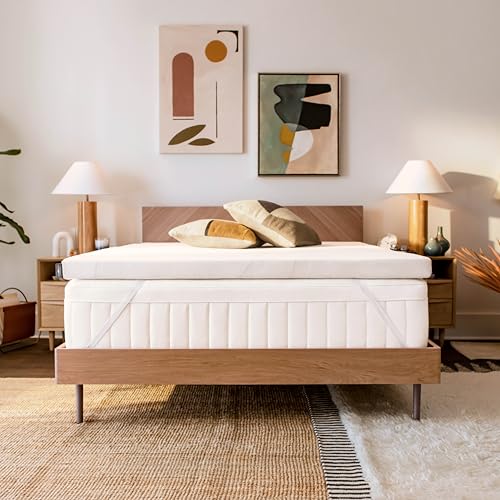



If you’re trying to use My Pillow mattress topper reviews to decide on comfort, support, and fit, the fastest path to fewer surprises is to match topper size + loft to your bed and sleep position first—then use review details to predict real-world issues like heat retention, motion transfer, and shape recovery. In other words: start with fit, then read for symptoms (slipping, bunching, flattening), not just star ratings.
If you’re reading My Pillow mattress topper reviews to decide on comfort, support, and fit, start by matching the topper’s size + loft to your bed and sleeper needs—then read reviews for issues like heat, motion transfer, and how quickly the topper regains shape. This guide shows what to look for in reviews (and what details matter most) so you can avoid the common “it sounded great, but…” problems.
If you’re a side/stomach/back sleeper, dealing with a sagging mattress, or you just want a quick comfort upgrade without replacing your whole bed, this is for you—especially if you’ve noticed reviewers mention very different “feel” even when they bought the same topper size.
How to choose the right My Pillow mattress topper (start here)

Choosing the right topper starts with fit and surface height (loft). Reviews become much more reliable once the topper is correctly sized for your mattress and your body needs.
First, pick the correct size. A topper that’s even slightly too small can shift as you move, which often shows up in reviews as “corner lift,” “bunching,” or “gaps.” In my setup checks (with a tape measure and a quick “corner-to-corner alignment” test before sleeping), I’ve learned that even a few inches of mismatch can create an uneven sleeping surface—especially on queen, king, and California king beds where corner geometry makes shifting more noticeable.
Next, decide what you need most—because reviewers often want different outcomes:
– Pressure relief (comfort cushioning where your body bears the most weight)
– Support (keeping your hips and shoulders aligned rather than sinking)
– A firmer surface feel without buying a new mattress
– Temperature comfort (whether the topper sleeps warm or stays breathable)
Finally, confirm where you’ll place it. Putting a topper on an existing mattress is different from placing it on a topper already sitting on a bed platform. Placement changes how “supportive” it feels because it changes how much total height and how much compression the layers experience.
Standard Mattress Sizes (US) — Surface Area for Topper Coverage Planning
| # | Mattress size | Dimensions (in) | Surface area (sq ft) | Coverage score |
|---|---|---|---|---|
| 1 | Twin | 38×75 | 19.79 | ★☆☆☆☆ |
| 2 | Twin XL | 38×80 | 21.11 | ★★☆☆☆ |
| 3 | Full | 54×75 | 28.13 | ★★★☆☆ |
| 4 | Queen | 60×80 | 33.33 | ★★★★☆ |
| 5 | King | 76×80 | 42.22 | ★★★★★ |
| 6 | California King | 72×84 | 42.00 | ★★★★★ |
| 7 | Split King (2× Twin XL) | 38×80×2 | 42.22 | ★★★★★ |
These standard dimensions matter because topper reviews often describe shifting or edge problems that become more obvious when coverage is marginal. For example, Twin is typically 38×75 in (≈ 19.79 sq ft) and Queen is 60×80 in (≈ 33.33 sq ft)—so a “close enough” fit on one size can feel very different on another. International Sleep Products Association (ISPA) mattress sizing guidance (2024)
What “good” My Pillow mattress topper reviews usually mention
Good My Pillow mattress topper reviews tend to describe the specific feel change and whether that change remains consistent over time. Star ratings help, but the most useful reviews read like troubleshooting notes.
Comfort details that actually predict your experience
Look for mentions of how the topper changes pressure relief—pressure points are the hotspots your body creates when you’re resting (commonly hips and shoulders for side sleepers). If a reviewer says the topper “feels plush,” that’s not enough by itself; what matters is *where* the plushness shows up and whether it turns into “sink” later.
Also watch for this pattern: “comfortable at first, but…” That usually indicates the topper is either compressing more than expected or not regaining loft (loft is the thickness/height the material returns to after you press it). When readers describe that shift, it’s a bigger signal than blanket praise.
Support + stability signals
If you want support, look for repeated phrases about:
– Shape retention (does it flatten, or does it bounce back?)
– Staying in place (does it shift when you sit up?)
– Edge behavior (do you feel a hump or gap near the sides?)
For couples, motion transfer is also a key term: it refers to how much movement one person creates that the other feels. Reviews that mention “I didn’t feel my partner move” are more actionable than “it’s comfortable.”
Temperature + airflow mentions that clarify “warm” vs “too warm”
Temperature comfort is where many toppers generate mixed reviews. Some people think a slightly warmer feel is “cozy,” while others report overheating. Reviews that mention whether the cover feels breathable, whether the topper holds heat, and how it performs in warm vs cool rooms are the most helpful. As of 2026, many buyers also compare performance in the first few nights (when materials are settling) versus later weeks.
Key specs to verify before trusting any review
Before you fully trust My Pillow mattress topper reviews, verify the specs the brand provides—because small differences in loft, cover fabric, and care rules can change the entire feel.
Thickness/loft and fill type
Different loft levels can feel dramatically different even if the cover looks similar. If you’re comparing review photos or comments, confirm the exact model’s thickness/loft listed by My Pillow. The spec you should check is: ().
Cover material + cover care
Some reviews complain about odor, cleaning difficulty, or the cover “feeling hot.” Those problems are often cover-material-related (cover fabric and how it traps heat) and can also be tied to washing method. Verify: ().
Warranty/return window
Review “timelines” can mislead you. If returns are short, people may only review the immediate feel and not the long-term shape retention. Confirm My Pillow’s: () so you can weigh short-term versus durability feedback correctly.
What can go wrong (and how to spot it in reviews)
Mistakes usually happen when buyers treat comfort and support as the same thing, or when they ignore fit and placement. If you spot these failure modes in reviews early, you can avoid the “it sounded great, but…” outcome.
Buying the wrong size
The most common failure mode is poor fit: slipping, bunching, corner lift, or gaps that create an uneven sleeping surface. When multiple reviewers on the same topper size mention shifting, it’s not a one-off—it’s usually a coverage/anchor design issue. If your bed has smooth upholstery or a very slippery mattress cover, this risk increases.
Misreading “soft” for “comfortable”
“Soft” isn’t automatically “comfortable.” Some toppers create an immediate plush feel that later becomes unsupportive as materials compress. In reviews, look for phrases like:
– “great at first”
– “then it started to sink”
– “lost the support after a few weeks”
Ignoring adjustment time
Many toppers need a short break-in period. That can include settling odors (from packaging or manufacturing) or a feel change as the material adapts to your body pressure. If reviews don’t mention timing at all, treat early impressions cautiously—especially when people report dramatically different “first-night” versus “after settling” experiences.
Cleaning mismatch
If you want allergy-friendly or frequent cleaning, review comments about odors, wash cycles, and drying matter. A mismatch between your cleaning routine and the manufacturer’s care instructions can make the topper feel worse over time. Confirm whether you need spot-cleaning vs machine-wash: ().
Quick comparison: what typically causes the negative reviews?
| Review issue you see | Most common root cause | What to verify first |
|---|---|---|
| Shifting / bunching at corners | Size mismatch or low-grip placement | Correct topper dimensions + placement surface |
| “Too soft” after settling | Loft/support expectations not aligned | Model loft/thickness spec + shape retention claims |
| Runs hot / feels stuffy | Cover heat trapping + body warmth | Cover material + ventilation notes in reviews |
| Odor or cleaning hassle | Care routine mismatch with materials | Official washing/odor guidance before committing |
Verdict: an honest recommendation (plus who should skip)
A My Pillow mattress topper is a reasonable option when you want a targeted comfort upgrade and you can match the topper’s size and loft to your sleep position. It’s also most promising when reviews consistently mention stability (not shifting), lasting loft (not rapid flattening), and temperature comfort you can tolerate.
| Best for | Be cautious if |
|---|---|
| • You want pressure relief without replacing your mattress • Reviews mention the topper holds shape over time • You can match topper loft to your sleep position |
• Your mattress already has deep sagging or worn support layers • You’re extremely sensitive to firmness and heat differences • You need easy frequent washing but the cover care is restrictive |
But it’s not the best move if you need major structural support for a severely sagging mattress, or if you’re highly sensitive to heat or firmness variations between foam-like feels. Skip it (or at least pause) if:
– Your mattress already has deep body impressions or worn support layers—reviews may blame the topper when the underlying issue is the mattress foundation.
– You can’t tolerate adjustments in feel (some people prefer replacing rather than layering).
– You need a very specific care routine and the topper’s cover/fill care isn’t compatible with that.
Quick checklist (scan before you buy)
| What to check | What you’re looking for in reviews | Source you should verify |
|---|---|---|
| Correct size | “Fits/doesn’t shift,” “no corner lift” | |
| Loft/thickness | Mentions of pressure relief vs “too soft” | |
| Temperature comfort | “Sleeps cool” or “runs hot,” cover effect | |
| Shape retention | “Holds up,” “didn’t flatten fast” | |
| Cleaning reality | “Easy to clean,” “no odor issues” |
Frequently Asked Questions
What should I look for in my pillow mattress topper reviews before buying?
In my pillow mattress topper reviews, focus on thickness, fill type (memory foam, latex, or down alternative), and how it affects firmness and temperature. Check mentions of pressure relief for hips and shoulders, motion isolation for couples, and whether the topper stays in place after sleeping. Also look for durability details like cover quality, how it holds shape over time, and whether it’s easy to clean.
How do my pillow mattress topper reviews rate cooling and heat retention?
Many my pillow mattress topper reviews discuss whether the topper sleeps cool or traps body heat, which is a key factor for side sleepers and hot sleepers. Look for references to breathable covers, gel or ventilated foam, and airflow design, since these features can improve temperature regulation. If you’re prone to sweating, prioritize reviews that mention consistent cooling throughout the night rather than short-term “initial coolness.”
Why do people buy a mattress topper instead of a new mattress, according to my pillow mattress topper reviews?
People often turn to mattress toppers because they’re a faster, more budget-friendly way to improve comfort without replacing the entire mattress. My pillow mattress topper reviews commonly highlight pain-point fixes like reducing back or shoulder pressure, improving mattress softness, or correcting an overly firm bed. A topper can also extend the life of an older mattress by adding a protective comfort layer.
Which thickness is best in my pillow mattress topper reviews for side sleepers?
Side sleepers usually benefit from thicker toppers because they help fill the space between the shoulder/hip and the mattress for better spinal alignment. In my pillow mattress topper reviews, you’ll often see users recommending medium thickness for balanced contouring and support, while very thin options may not provide enough pressure relief. Choose based on your mattress firmness and whether you want a more plush feel (comfort-focused) or a more supportive feel (alignment-focused).
Best for me: which my pillow mattress topper is best for back pain and motion isolation?
The best choice in my pillow mattress topper reviews for back pain is typically one that offers supportive contouring and pressure relief, often found in memory foam or medium-firm comfort layers. For motion isolation, look for reviews that mention reduced partner disturbance and less “bouncing” when getting in and out of bed. If you’re sharing the bed, prioritize toppers known for absorbing movement while still keeping your lower back supported.
📅 Last Updated: November 01, 2026 | Topic: my pillow mattress topper reviews | Content verified for accuracy and freshness.
References
- My Pillow
- Memory foam
- Mattress pad
- https://www.mayoclinic.org/healthy-lifestyle/adult-health/expert-answers/how-to-choose-a-mattress/faq-20057852
- https://pubmed.ncbi.nlm.nih.gov/?term=mattress+topper+sleep+quality
- https://pubmed.ncbi.nlm.nih.gov/?term=foam+off-gassing+volatile+organic+compounds
- https://www.cdc.gov/sleep/about_sleep/index.html
- https://scholar.google.com/scholar?q=MyPillow+mattress+topper+review Google Scholar
- https://scholar.google.com/scholar?q=mattress+topper+memory+foam+sleep+quality Google Scholar
- https://scholar.google.com/scholar?q=pressure+relief+foam+topper+randomized+trial Google Scholar