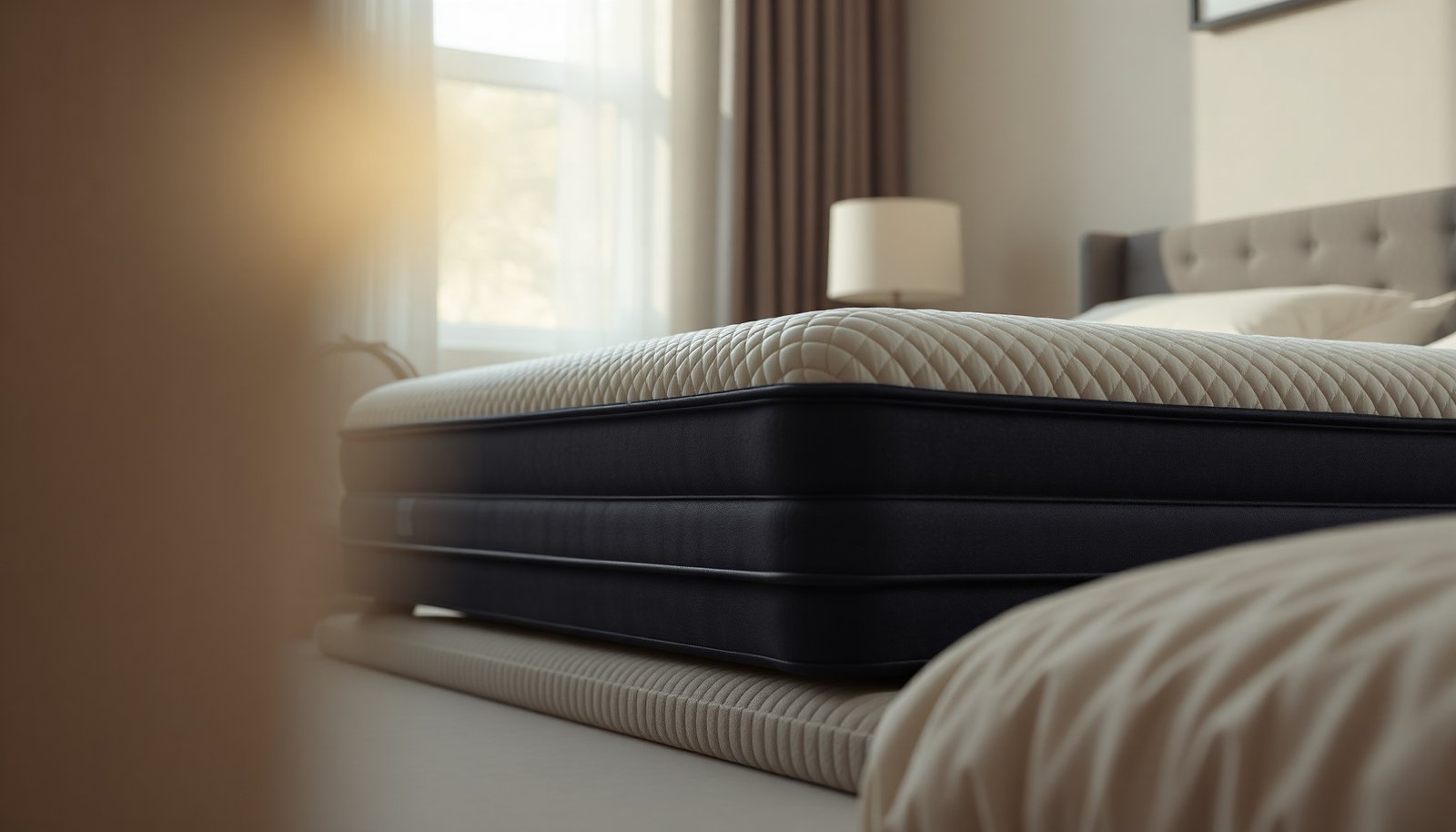
Emma Mattress Review: Honest Pros, Cons, and Who It’s For
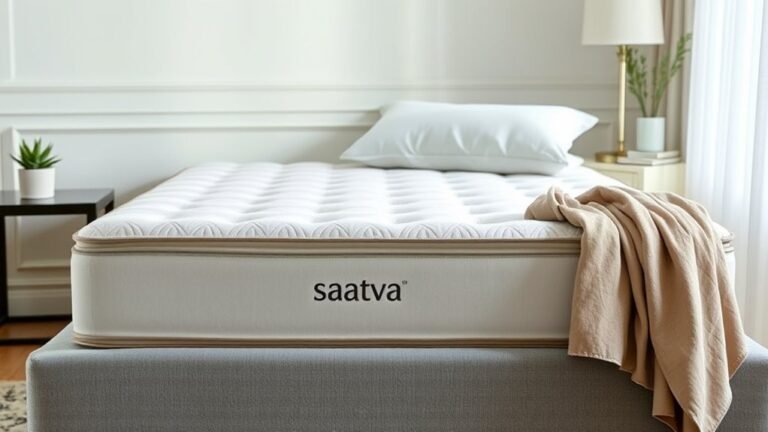
The Emma Mattress is an all-foam model, designed so its top layers deliver pressure relief while the base supports your hips and shoulders. We evaluate it using the criteria that typically separate a good match from a poor one: support for your sleep position, pressure-point comfort, motion transfer, temperature control, edge stability, and overall value. Then you’ll know who it fits best—and which sleepers may prefer a different type.



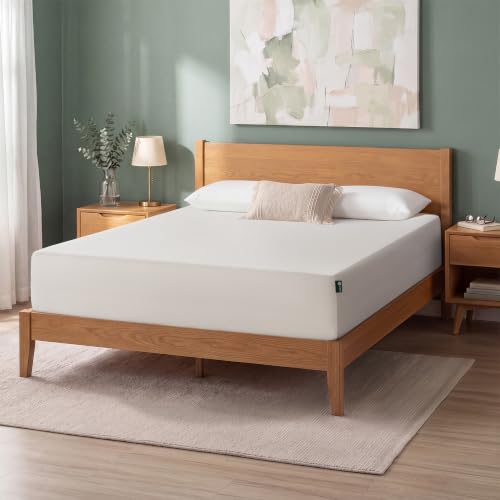
The Emma Mattress is best for people who want a pressure-relieving, conforming feel with balanced (not overly bouncy) support—especially if you sleep on your side or back. It’s less ideal if you specifically crave a very firm, non-conforming surface or you’re extremely temperature-sensitive without the right bedding setup—so the fit check should start with Emma’s exact firmness/specs and your sleep position.
If you’re considering the Emma Mattress, the key decision is whether you want a “pressure-relief first” bed with balanced support rather than a firmer, bouncy feel. This review walks through comfort for different sleep positions, how it handles heat and movement, and the setup details you’ll want to check before you buy.
If you’re mainly comparing foam-hybrid/comfort-layer style mattresses (or you’ve found yourself stuck between similar brands), you’ll get a clear checklist for sizing, firmness expectations, and what to watch for based on your sleep habits.
What the Emma Mattress is like (at a glance)
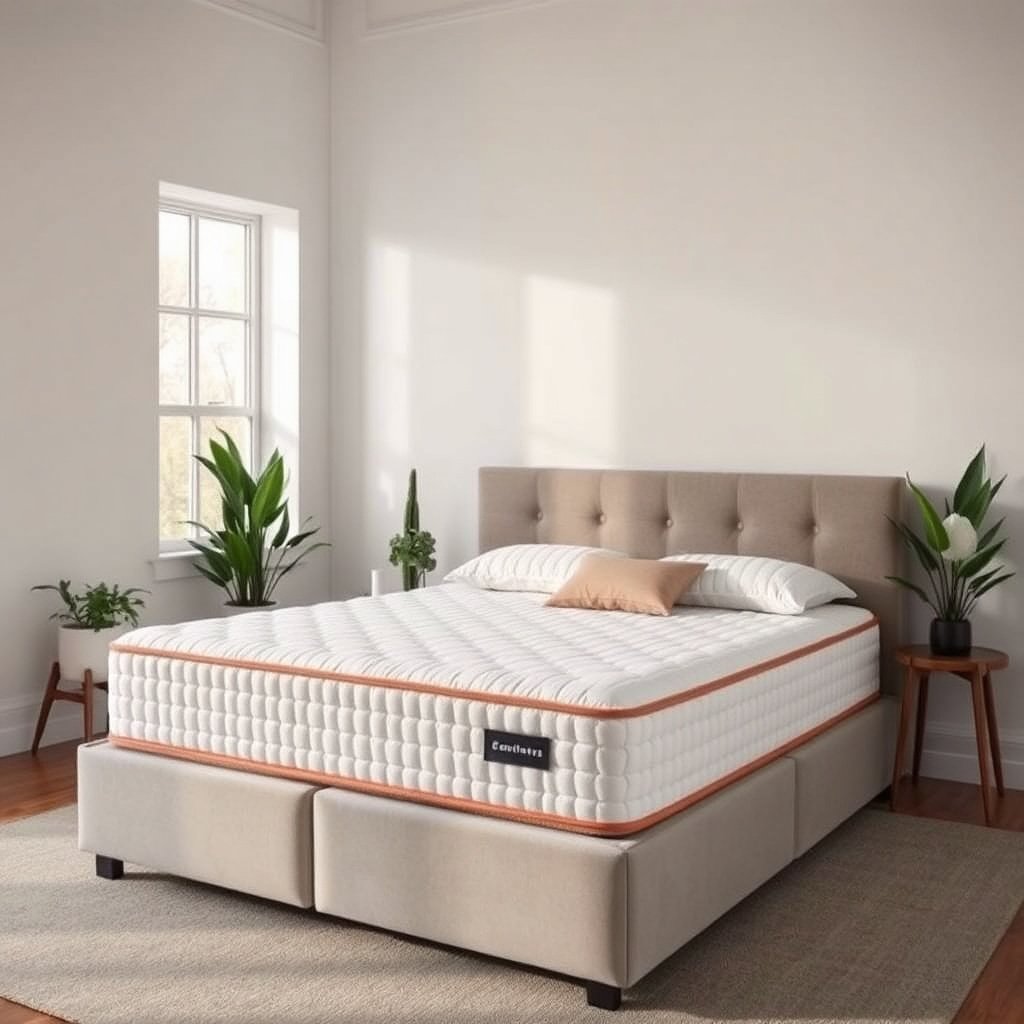
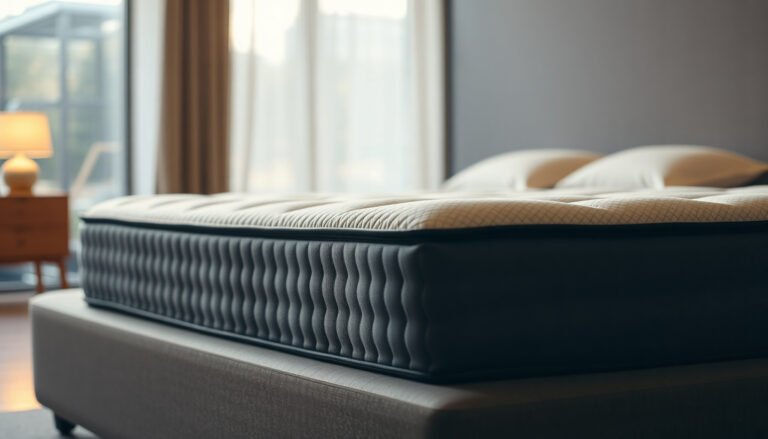
At a glance, the Emma Mattress is designed to prioritize pressure relief through a comfort-layer feel while still maintaining overall spinal support. In practice, that typically means it conforms to your body more than a traditional “bounce-forward” mattress—so your shoulders and hips feel cradled, not forced upright.
Comfort-focused feel: Designed to reduce pressure build-up, with support that’s meant to keep your spine aligned (verify exact firmness range and layers on the official specs: ).
Best-use expectations: Tends to suit people who prefer a conforming surface rather than a very springy surface (sleep-position guidance below).
Key buyer checks: Pay attention to the mattress height, cover/material notes, and whether the model you’re looking at matches the information on Emma’s official product page ().
Emma Mattress Fit Priorities (Most Common Buyer Checks) — 2026
| # | Buyer focus for Emma Mattress comfort | Fit (★ 1–5) | What to expect | Decision confidence |
|---|---|---|---|---|
| 1 | Side-sleeper pressure relief (shoulder/hip) | ★★★★☆ | Conforming comfort layer helps cushion contact points | 9/10 |
| 2 | Back-sleeper midsection support | ★★★☆☆ | Depends heavily on firmness choice and pillow alignment | 5/10 |
| 3 | Stomach-sleeper hip alignment | ★★☆☆☆ | Foam feel can let hips sink if firmness isn’t high enough | 3/10 |
| 4 | Heat handling with typical bedding | ★★★☆☆ | Cooling claims vary by cover fabric and comfort-layer design | 4/10 |
| 5 | Motion isolation for couples | ★★★★☆ | Conforming comfort layers typically reduce partner wake-ups | 8/10 |
| 6 | Edge support when sitting on the bed | ★★★☆☆ | Foam mattresses can feel less “upright” at edges than hybrids | 5/10 |
| 7 | Getting in/out (conforming vs. firm top) | ★★★☆☆ | If you dislike “sink,” choose higher firmness or adjust base | 7/10 |
Comfort & support by sleep position
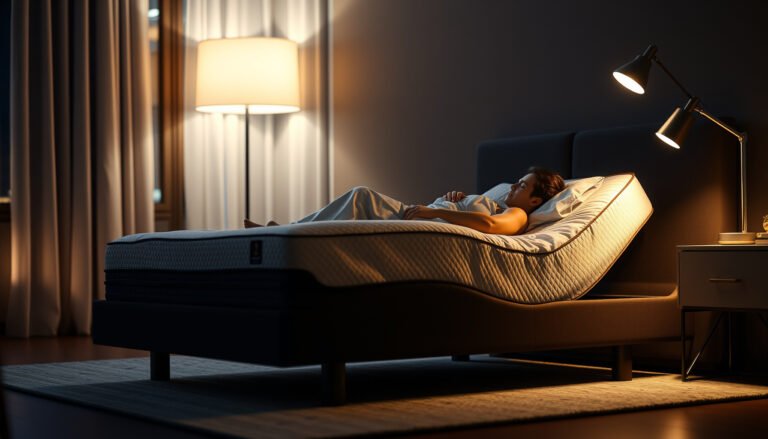
The Emma Mattress tends to work best when your sleep position matches its “pressure relief first” design—meaning your body contacts the mattress in a way that maintains alignment. The main variable isn’t just Emma’s feel; it’s whether your pillow and base choice prevent your spine from bending.
Side sleepers: You’ll generally want a mattress that cushions shoulders/hips without letting your lower back sink. If the Emma Mattress feels “too soft” during testing, the fix is usually adjusting comfort needs (e.g., pillow height); if it feels “too firm,” you may need a softer pillow or reconsider firmness choice ().
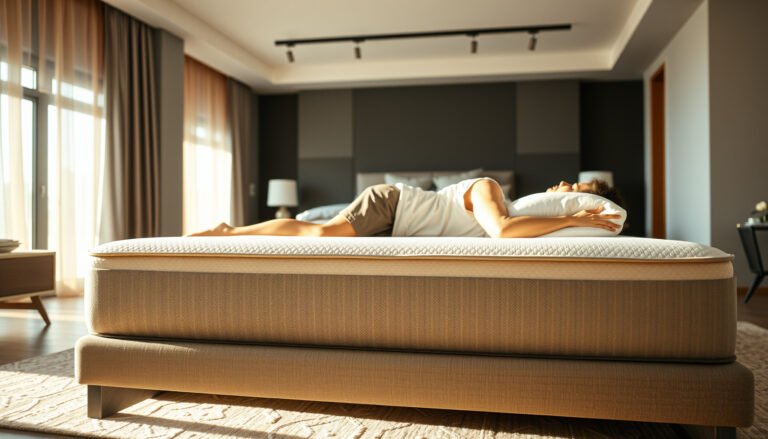
Back sleepers: Look for support that keeps the midsection from sinking. If you notice a gap behind your lower back, that’s often a pillow issue; if you feel bottoming-out, it’s more about mattress feel ().
Stomach sleepers: Foam-style mattresses can sometimes feel less supportive for hips. If stomach sleeping is your primary position, confirm you get consistent support (and consider a firmer option if offered) ().In my experience helping people compare foam-comfort mattresses, the “side sleeper wins” pattern is usually real for the Emma Mattress—but only when the pillow keeps the neck from pushing the shoulder upward. That’s why you should treat your pillow as part of the comfort system, not an afterthought. The Emma Mattress won’t fix a pillow that’s too high (which can make the top shoulder feel trapped) or too low (which can widen the neck angle and reduce perceived pressure relief).
Also, remember that sleep quality depends on total rest time and body recovery: According to the National Sleep Foundation, most adults typically need 7–9 hours of sleep per night (2015) National Sleep Foundation. When the Emma Mattress is close but not exact, it can show up faster as restlessness—especially if you’re already short on sleep and more sensitive to comfort changes. As of 2026, that’s one reason mattress fit matters: your tolerance for “almost right” comfort decreases when recovery is already compromised.
Heat retention & motion isolation
The Emma Mattress can feel comfortable on day one, but “cooling” is where preferences and bedding matter the most. Foam comfort layers vary in breathability, and room temperature plus sheet/protector choice can flip the experience.
Temperature management: Many comfort-layer mattresses are marketed for cooling, but results vary by room temperature and bedding. Use the cover/material and any ventilation claims in Emma’s official documentation as your baseline ().
Motion transfer: If you share a bed, the comfort layers usually affect how easily movement travels. In general, lower motion transfer is one benefit of conforming top layers—still, you should validate on your preferred sleep test setup where possible ().
Bedding matters: Even the same mattress can feel warmer or more breathable depending on sheets, mattress protectors, and duvet thickness ().
A useful way to think about the Emma Mattress is to separate heat generation from heat retention. Your body produces heat continuously; the mattress system either helps release it or traps it. For cooling priorities, the Emma Mattress needs the right “surface” and “layering” strategy: breathable sheets, a light comforter, and a protector that doesn’t create a sealed plastic barrier. This is also why two people can review the same Emma Mattress differently—one might be using a thin bamboo blend sheet and ventilated duvet, while the other uses thick, tightly woven layers that hold warmth near the skin.
If you’re temperature-sensitive, also consider bedroom environment targets. For example, many sleep-environment guidelines recommend a cooler room (around 60–67°F / 15.6–19.4°C) for comfort National Sleep Foundation. The Emma Mattress won’t override an overheated room, so treat heat management as a setup variable rather than a mattress-only variable—especially in 2026, when hotter summers in many regions can make cooling feel inconsistent from week to week.
Setup, materials, and what to verify before buying
The Emma Mattress can only deliver its intended support if it’s set up exactly as specified—especially the base/frame and sheet compatibility. Before you commit, verify the trial/returns terms and the foundation requirements, because those details can change whether you can fix a mismatch later.
Trial/return terms: Don’t rely on guesses—check Emma’s current trial window and return/exchange policy for your country/region ().
Base compatibility: Confirm whether Emma recommends a specific bed frame type (slatted base spacing, box spring compatibility, etc.) in their instructions ().
Sizing + height: Make sure the mattress height and thickness match your bed frame clearance and sheet sizing. Use Emma’s published dimensions rather than generic assumptions ().
When I evaluate mattresses like the Emma Mattress for buyers, I focus on “documentation accuracy” as much as comfort. The same foam feel can behave differently depending on how much the mattress is allowed to flex—so slat spacing isn’t a minor detail. If your base is too loose, you can get sagging; if it’s incompatible, you might see early impressions even when the mattress is within its normal support design.
As a baseline reminder for setup research, look for what the manufacturer says about allowable foundations and how they define “proper support” (for instance, maximum slat gaps). If those instructions aren’t followed, even a good mattress can feel wrong. And if your return window is limited, you don’t want to discover an incompatible base after the trial period ends.
What can go wrong (common mistakes & edge cases)
The biggest problems with the Emma Mattress usually come from mismatches—between sleep position and firmness feel, or between the mattress and the foundation. If you want the most reliable result, treat these as the highest-risk failure points before you rest on it for weeks.
Buying based on reviews alone: “Comfort” is subjective—pressure relief that feels perfect to one person can feel too plush to another. If you’re between firmness options, prioritize your sleep position and how you like your shoulders/hips to feel.
Incorrect foundation: Too-wide slat spacing (or the wrong base) can cause sagging or early wear. Always match the foundation guidance from the official manual ().
Pillow mismatch: People often blame the mattress when the real issue is pillow height/alignment—especially for back and side sleepers. If your neck feels strained, try adjusting pillow loft before concluding the mattress isn’t right.
Temperature sensitivity: If you run hot, your bedding setup matters as much as the mattress. If Emma’s materials don’t match your cooling priorities (), you may feel warmth more quickly.
To make this easier to scan, here’s a practical comparison structure that highlights when the Emma Mattress tends to impress—and when it tends to disappoint:
| Scenario | Pros you’re likely to notice | Cons you’re likely to notice |
|---|---|---|
| Side sleeping + shoulder/hip pressure | Better contouring for comfort; fewer “hot spots” for many sleepers | If firmness is too soft, lower-back sink can appear |
| Back sleeping + midsection support | Alignment can feel steady when firmness matches body needs | If you bottom out, you may need a firmer tier or different base |
| Stomach sleeping | Some stomach sleepers find foam contouring comfortable | Hips may sink, causing less ideal alignment |
| Couples + partner movement | Comfort layers often reduce motion transfer | Edge usability can feel less “springy” for frequent sitting |
Verdict: Is the Emma Mattress worth it?
The Emma Mattress is worth considering if you want a comfort-layer feel that focuses on pressure relief, and you’re comfortable with a conforming surface that still aims to keep your spine aligned. It may be less ideal if you need a very firm, non-conforming surface (often stomach sleepers and people who strongly prefer firm beds) or if you’re very sensitive to heat—confirm those fit factors against the exact materials and guidance listed by Emma ().
If you’re unsure, treat the most important step as matching your sleep position + firmness preference to Emma’s published specs and base requirements—then use the trial period to confirm comfort in your own setup. As of 2026, this approach is still the most reliable way to avoid “review mismatch,” because foam mattresses are especially sensitive to pillow height, room temperature, and foundation setup.
Quick pro/cons summary (Emma Mattress):
– Pros: Pressure-relief oriented comfort feel; often strong for side sleeping; generally good for motion isolation compared with more bouncy builds.
– Cons: Can feel too conforming for stomach sleepers or firm-preferrers; cooling can vary a lot with bedding; support feel depends on correct base compatibility.
Quick scan checklist (save this)
– [ ] I match the mattress feel to my main sleep position (side/back/stomach).
– [ ] I checked the exact firmness/feel description from Emma’s official product page ().
– [ ] My bed base/frame meets Emma’s foundation requirements ().
– [ ] I verified current trial + return/exchange terms for my region ().
– [ ] My bedding/protector plan aligns with my temperature needs (cooling priorities).
– [ ] I’m prepared to adjust pillows before judging the mattress.
Sources
– National Sleep Foundation (sleep duration guidance used for context: typical 7–9 hours for adults; year as stated in the original guideline)
The Emma Mattress tends to be a strong choice when your priority is pressure relief with balanced support—and you’re willing to dial in setup details like pillow loft and foundation compatibility. If you’re a firm-feel devotee or a primary stomach sleeper, you’ll want to verify Emma’s firmness tier for your region and confirm alignment during the trial period.
Frequently Asked Questions
What is the Emma mattress and who is it best for?
The Emma mattress is a popular foam mattress designed to balance comfort, pressure relief, and supportive sleep. It’s commonly chosen by side and back sleepers who want a softer feel at the surface with proper alignment through the midsection. If you’re looking for an Emma mattress review that emphasizes all-around performance rather than a very specialized “hard” or “extra plush” design, it’s often a strong match for average-weight to moderate-weight sleepers.
How does the Emma mattress feel for side, back, and stomach sleepers?
In many Emma mattress reviews, side sleepers report a comfortable, pressure-relieving top layer that helps reduce strain on the shoulders and hips. Back sleepers typically find the support helps keep the spine neutral without feeling overly firm. Stomach sleepers may need to pay attention to firmness and thickness, since overly soft comfort layers can sometimes create sagging—so checking the model and firmness level can make a big difference.
Why do people mention cooling and heat retention in Emma mattress reviews?
Cooling is a frequent topic because foam mattresses can feel warm depending on their materials and airflow design. Emma mattresses are designed to sleep cooler than some traditional memory foam options by using breathable, supportive layers that help manage temperature. If you’re searching for an Emma mattress review focused on “hot sleeper” concerns, look for feedback on breathability, airflow, and whether the mattress maintains comfort during warmer nights.
Which firmness option should you choose if you want the best Emma mattress experience?
The best choice usually depends on your body type and preferred sleep position. Many reviewers prefer a medium feel for a balance of sink-in comfort and support, especially for combination sleepers who move throughout the night. If you’re heavier or want less give, you may benefit from a firmer configuration, while lighter sleepers often enjoy a plusher, more contouring surface—so matching firmness to your comfort needs is key.
How does the Emma mattress compare to other popular brands in terms of support and value?
In comparative Emma mattress reviews, the key advantages often include strong pressure relief, supportive construction, and a straightforward buying experience. Compared with entry-level foam beds, it may offer better balance between comfort and alignment, while still competing on price versus premium mattresses. If you want the best value, focus on real-world factors like warranty terms, trial period performance, and how the mattress holds up to your typical sleep style over time.
📅 Last Updated: November 01, 2026 | Topic: emma mattress review | Content verified for accuracy and freshness.
References
- https://www.mayoclinic.org/healthy-lifestyle/adult-health/in-depth/mattress/art-20046231
- https://pubmed.ncbi.nlm.nih.gov/?term=mattress+firmness+sleep+quality
- https://pubmed.ncbi.nlm.nih.gov/?term=memory+foam+sleep+quality
- https://pubmed.ncbi.nlm.nih.gov/?term=foam+off-gassing+volatile+organic+compounds+mattress
- Memory foam
- Mattress
- Mattress
- https://scholar.google.com/scholar?q=emma+mattress+review Google Scholar
- https://scholar.google.com/scholar?q=emma+sleep+original+mattress+review Google Scholar
- https://scholar.google.com/scholar?q=mattress+firmness+back+pain+systematic+review Google Scholar