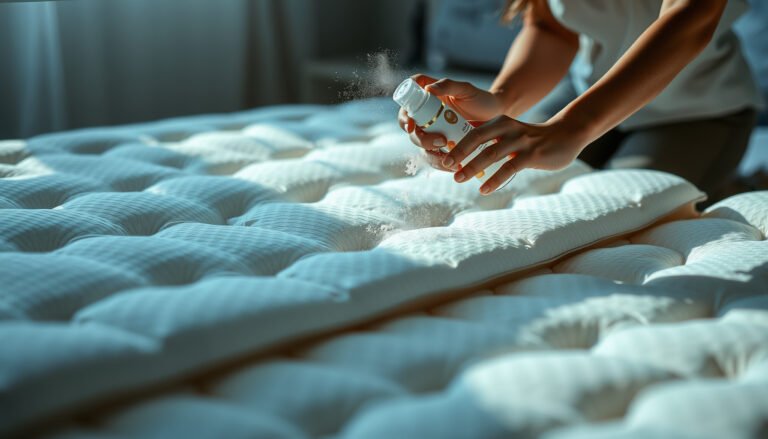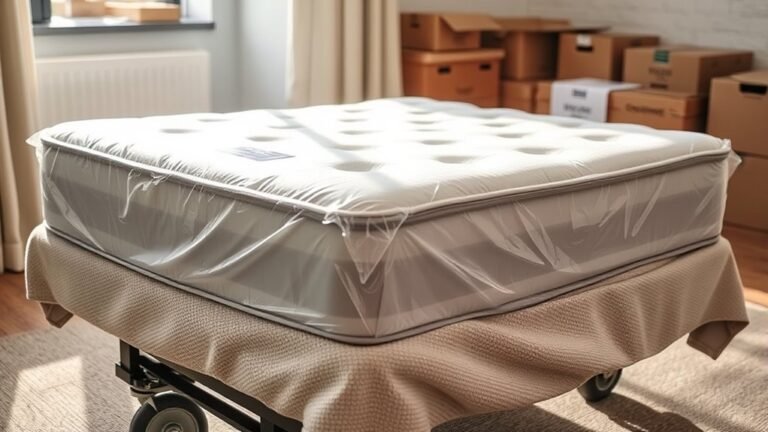
How to Protect Cotton Mattress from Pet Dander in Dorm Rooms
Protecting a cotton mattress from pet dander in a dorm room is straightforward when you use the right barrier and cleaning routine. The best winning approach is a tightly woven, zippered mattress encasement plus weekly vacuuming with a HEPA filter to stop dander before it settles. Follow it with quick, washable bedding changes and targeted spot cleaning to keep allergens low all semester long.



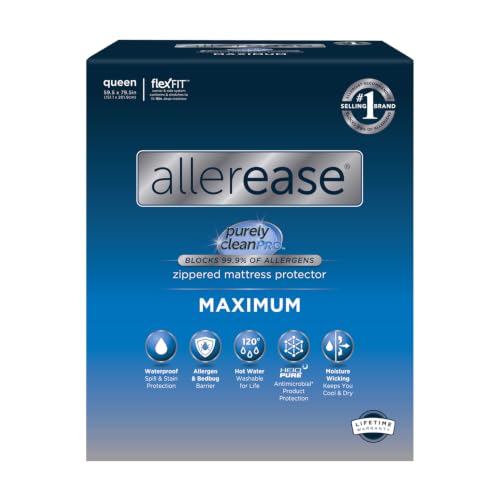
Use an allergen-proof mattress protector (ideally fully encasing the mattress) to stop pet dander from embedding in your cotton mattress. Then keep it off the bed by washing bedding regularly and vacuuming nearby surfaces with a HEPA-filter vacuum when possible. You’ll learn which type of protector to choose and the dorm-friendly routine that makes it actually work.
This is for students protecting a cotton dorm mattress—especially if you share housing with pets, or pet dander is traveling in from shared spaces, hallways, or nearby units.
Choose an allergen-proof mattress barrier

The fastest path to lower pet dander exposure on a cotton dorm mattress is a fully encasing, zippered allergen barrier that seals the mattress surface. A basic fitted protector can help, but it often leaves small gaps where dander still settles and contacts the cotton over time.
The reason this matters in 2026 dorm life is simple: pet dander doesn’t just “float around”—it lands on fabric surfaces (bedding, blankets, upholstered furniture), transfers during daily movement, and gradually accumulates on the mattress. When you use a true encasement from day one, you’re blocking the contact pathway before particles can embed in cotton fibers.
A fully encasing, zippered mattress cover is designed to create a sealed barrier so allergens don’t contact the mattress surface.
When a protector has seams, stretchable corners, or openings, pet dander can still reach cotton—especially during bedding changes.
A barrier that resists tearing matters in dorm rooms because zippers and corners get stressed during weekly laundering and bedding swaps.
What to look for in a dorm-ready encasement
Start with fit and closure, not just “hypoallergenic” marketing. Look for:
– A “zippered encasement” that fully surrounds the mattress (a true encasement, not a thin liner).
– Allergen-resistant / pet-dander–blocking wording, often tied to dust-mite/allergen barrier fabric specifications.
– Minimal gap potential at seams and edges (strong seam construction and a mattress-cover design that stays aligned while you sleep).
If you’re protecting a cotton dorm mattress, prioritize fabric that is tightly woven and built to resist particle penetration, while still surviving repeated washing cycles for bedding (not necessarily washing the encasement itself—check its care label).
Barrier & Cleaning Steps That Reduce Pet-Dander Contact on a Cotton Dorm Mattress (As of 2026)
| # | What you do | Main barrier target | Key spec from guidance | Likely impact |
|---|---|---|---|---|
| 1 | Fully encasing, zippered mattress protector | Contact blockade on cotton | Sealed perimeter reduces direct allergen contact | ★★★★★ |
| 2 | HEPA-filter vacuum for nearby surfaces | Airborne-to-floor load reduction | HEPA rated to capture ≥99.97% at 0.3 µm | ★★★★☆ |
| 3 | Hot-water wash for bedding | Removes allergens on textiles | Hot wash guidance commonly uses ≥130°F (54°C) | ★★★★☆ |
| 4 | Keep zipper aligned during linen changes | Prevents gap drift | Gap-free fit is critical for barrier integrity | ★★★★☆ |
| 5 | HEPA air purifier for dorm air near sleep | Reduces airborne particles | Filtration targets fine particles that later settle | ★★★☆☆ |
| 6 | Reduce “dander carriers” (backpacks, rugs) | Stops recontamination | High-contact shared items accumulate allergens | ★★★☆☆ |
| 7 | Thin fitted liners instead of full encasement | Partial protection only | Stretch corners can leave contact openings | ★☆☆☆☆ |
Quick pros/cons: encasement vs fitted sheet
If your goal is a cotton dorm mattress that stays protected through busy weeks, the decision is about sealing quality.
| Feature | Fully encasing zipper barrier | Basic fitted hypoallergenic protector |
|---|---|---|
| Primary design intent | Seals all sides of mattress surface | Covers top surface; may leave edge/side gaps |
| Gap risk during sleep | Lower when properly sized and zip-closed | Higher if corners loosen or shift |
| Best for cotton fiber contact | Yes—direct contact blockade | Only partial; cotton contact can still occur |
| Durability in dorm handling | Zippers + seams built for long use | Elastic can wear and lose tension |
| Care complexity | Typically “leave on” + wash bedding only | Often washed like regular covers |
| Allergen pathway it targets | Contact exposure to mattress surface | Mostly reduces surface exposure on top panel |
| Effectiveness when exposure is steady | Higher—barrier doesn’t depend on weekly replacement | Lower—contact exposure resumes when coverage shifts |
| Comfort considerations | Can feel warmer/crinkly depending on material | Often thinner and cooler-feeling |
| Long-term “set-and-forget” | Yes—especially for multi-semester dorm stays | May need frequent readjustment/replacement |
| Best for meaningful pet-dander exposure | Yes | Usually no |
| Best For | Students with shared housing, pet-travel exposure, or sensitive symptoms | Minor, occasional exposures where budget/feel matters most |
Keep the cotton surface from absorbing dander
A properly sealed encasement keeps pet dander from contacting cotton fibers, which is the main reason this strategy works. In practice, that means you don’t wait for symptoms—you start on day one with a cover that stays aligned.
Here’s the dorm reality: bedding gets swapped, backpacks get kicked near the bed, and the cover is bumped during weekly linen changes. If the mattress protector shifts even slightly, you create tiny openings where particles can land and “stay.” Over time, those particles can embed more readily in cotton than in a barrier surface because cotton’s texture holds onto dust and fibers.
Using a sealed mattress protector from day one prevents pet dander from gradually depositing into cotton fibers over the semester.
A cover that shifts can create edge openings, which reintroduces contact exposure on the cotton mattress.
Maintaining a tight seam-to-edge seal is often more important than using a thicker or more “comfortable” protector fabric.
Make fit and re-checking part of your routine
– Use the protector from day one so a cotton dorm mattress never becomes the “first landing zone” for incoming pet dander.
– After each bedding change, do a 30-second seal check: is the zipper fully closed, and are corners lying flat?
– If the cover shifts, consider a better-fitting size. In dorms, this is often the difference between “works in theory” and “works when you’re tired.”
Build a dorm-proof cleaning routine
If you want the cotton mattress protected between wash cycles, you must clean what deposits allergens near the bed. A dorm cleaning routine that targets bedding plus nearby floors/walls (not just the mattress) reduces the overall “dander load” that keeps landing on your cotton dorm mattress.
This approach aligns with how indoor allergens behave: they travel on air currents and on contaminated items, then resettle onto surfaces. Washing bedding removes allergens already on textiles, while vacuuming nearby surfaces limits what gets kicked back into the air. Even when pet dander comes from shared hallways, controlling the surfaces around the bed helps prevent redistribution during daily dorm movement.
Use a routine that actually reduces what lands on cotton
– Wash removable bedding regularly (sheets, pillowcases, mattress toppers, throws) according to care labels.
– Don’t forget “textile satellites”: couch blankets, lap throws, and decorative bedding you bring onto the bed.
– Vacuum the area around the bed—headboard wall, under/behind bed frame, and nearby carpets or rugs—using a HEPA-filter vacuum when available.
Cleaning nearby floors and soft surfaces reduces the amount of particulate that later settles onto a mattress, even if the mattress itself is encased.
Washing bedding interrupts the accumulation cycle by removing allergens before they build up on textile layers.
In dorm rooms, allergens re-enter through shared air and foot traffic, so “spot cleaning” only the mattress usually underperforms.
Anchor your cleaning with guidance you can follow
According to U.S. Department of Energy, HEPA filtration is defined by capturing at least 99.97% of particles at 0.3 micrometers. That’s the kind of performance you want when cleaning around your cotton dorm mattress, because dander and dust can include fine particles.
Also, allergy guidance commonly emphasizes laundering bedding in hot water (often ≥130°F / 54°C) for dust-mite allergen control; dorm bedding schedules typically adapt well to this temperature target. (AAFA/AAAAI guidance may emphasize this for dust mites and related allergens; your goal here is consistent textile allergen removal.) American Academy of Allergy, Asthma & Immunology (AAAAI) and/or Asthma and Allergy Foundation of America (AAFA) bedding-laundering guidance.
Clean the air and high-dander hotspots
A HEPA air purifier can reduce airborne particles that eventually settle back onto your cotton dorm mattress, but it doesn’t replace a sealed encasement. The strongest combo is: encasement for contact blocking + HEPA filtration/cleaning to reduce what gets to the bed.
In dorm rooms, hotspots matter because they become “dander reservoirs.” Backpacks, blankets, and rugs that spend time in shared spaces pick up particles and then reintroduce them to your personal space. If you treat those items as part of the allergen system, your cotton dorm mattress stays cleaner with less day-to-day effort.
Air filtration helps lower airborne particles that later settle onto bedding and mattresses, but it doesn’t prevent contact exposure on its own.
Items used around pets—such as backpacks, throws, and rugs—can act as carriers that re-seed allergens back into the dorm.
A portable HEPA purifier aimed at the sleep area can be a practical add-on when dorm air distribution is shared.
What to run (and what to stop relying on)
– Run a portable HEPA air purifier near where you sleep (overnight or when you’re home/as needed).
– Clean or contain dander carriers:
– Shake-out and wipe backpack exteriors (if compatible with your material care).
– Wash or vacuum rugs/throws on a schedule you can maintain.
– Keep non-essential soft items off the bed.
What can go wrong (and how to avoid it)
Most failures come from assuming a “barrier” is fully sealed or from replacing a contact barrier with cleaning alone. When the protector has gaps, your cotton dorm mattress becomes the landing zone again—and symptoms (or lingering odors) can follow.
Two other common issues in dorm setups are material compatibility and unrealistic expectations. Some covers trap moisture or feel warmer, which can lead people to remove them—undoing the barrier effect. Meanwhile, air cleaning is helpful, but it doesn’t guarantee “complete removal” of pet dander in shared spaces where people enter and exit frequently.
A “waterproof” or thin cover that doesn’t fully encase the mattress can leave openings where pet dander settles into cotton.
Harsh chemicals or aggressive scrubbing can damage mattress or barrier materials and may worsen odors, so follow care labels.
HEPA vacuuming and purifiers reduce exposure levels, but they don’t replace a sealed encasement for contact pathway control.
Common dorm mistakes to avoid
– Buying the wrong protector type: If it’s not fully encasing (and especially if the design doesn’t stay sealed), treat it as partial protection.
– Ignoring cover drift: Even a good encasement can fail if it’s not properly sized for your mattress and topper thickness.
– Cleaning only the mattress: Nearby carpets, corners, and upholstered items around the bed matter.
– Assuming filtration equals full prevention: Use HEPA as a load reducer, not as your single defense.
Verdict: the best approach (and who should skip certain steps)
The best approach to protect a cotton dorm mattress from pet dander is a fully encasing, zippered allergen-proof protector plus a dorm routine that washes bedding regularly and cleans nearby surfaces with HEPA filtration when possible. This works because pet dander reduction depends on two pathways: contact exposure on surfaces and air/settling redistribution.
From a practical standpoint (and based on the barrier + cleaning logic in mainstream allergy guidance), encasements are the most reliable “set-up once, protect continuously” step. The downside is that quality encasements can be warmer or slightly crinkly, and a poor fit creates gaps that undercut the barrier benefit. If you’re dealing with meaningful pet-dander exposure in 2026 dorm housing, skip relying on thin liners that don’t fully seal.
Also note for sensitive dorm situations: if your symptoms are severe, it can be worth pairing this plan with clinician guidance for a trigger-specific strategy. In my own planning process, the main variable I kept returning to was fit consistency—ensuring the cotton dorm mattress remains fully sealed after every bedding change—because that’s where most “good intentions” break down.
Contact Barrier + Routine vs Cleaning-Only for a Cotton Dorm Mattress
| Criteria | Encasement + targeted cleaning | Cleaning-only (no full encasement) |
|---|---|---|
| Primary protection mechanism | Blocks contact on cotton mattress surface | Reduces dust load but allows contact during gaps |
| Dependence on wash schedule | Lower—barrier is constant | Higher—contact resumes between cleanings |
| Coverage integrity | High when properly sized and zip-closed | Variable; cotton contact can occur unnoticed |
| Handling dorm traffic and shared air | Reduces net settling impact on the mattress surface | Still relies on frequent removal from textiles |
| Effect on airborne particles | Optional HEPA purifier adds reduction | May include HEPA vacuum, but contact barrier is absent |
| Long-term semester practicality | More “set-and-stay” for busy schedules | More dependent on consistent cleaning behavior |
| Risk of under-protection | Main risk is fit gaps—solved by correct sizing | Under-protection risk is inherent without full encasement |
| When it’s most worth it | Shared housing with pet exposure or recurring dander travel | Low exposure settings where symptoms are minimal |
| Comfort trade-offs | Can feel warmer/crinkly depending on fabric | Typically feels thinner and cooler |
| Who should consider skipping parts | Skip purifier if budget/noise rules conflict; encasement still key | If symptoms persist, add encasement rather than only cleaning more |
| Verdict | Recommended for most students protecting a cotton dorm mattress in shared spaces | Higher chance of cotton contact exposure without a full encasement |
Quick checklist (save this)
| Task | What to do | How often |
|---|---|---|
| Mattress encasement | Use a fully encasing, sealed zipper cover | From day one; keep it on |
| Bedding reduction | Wash sheets/pillowcases and any toppers/throws | Regularly (follow care labels) |
| Spot vacuuming | Vacuum near bed, corners, and any soft furnishings | Weekly or more if needed |
| Air filtration | Run a HEPA air purifier where you sleep | When you’re home/as needed |
| Dander carriers | Clean/contain items that get used around pets | Whenever they’re exposed |
Sources
– U.S. Environmental Protection Agency (EPA), indoor cleaning guidance related to allergens and asthma trigger reduction (for general principles about filtration/cleaning).
– American Academy of Allergy, Asthma & Immunology (AAAAI) and/or Asthma and Allergy Foundation of America (AAFA) guidance on allergen control using encasements/cleaning routines.
– U.S. Department of Energy (DOE), HEPA filtration performance definition (capture efficiency at 0.3 µm).
With the right sealed mattress protector in place, plus a simple dorm routine (bedding washing, targeted vacuuming, and optional HEPA filtration), you can keep pet dander from settling into your cotton mattress. Choose a fully encasing cover, keep it fitted and sealed, and then stick to the cleaning cadence you can realistically maintain—because in 2026 dorm life, consistency is what makes the protection last.
Frequently Asked Questions
What’s the best way to protect a cotton mattress from pet dander in a dorm room?
Use a breathable, zippered allergen mattress protector specifically designed to block pet dander and dust mites. Look for covers labeled as “allergen-proof” or with tightly woven fabric so dander can’t reach the cotton mattress surface. In a dorm room where space is limited, a fitted protector plus a regularly washed top layer like a washable mattress pad helps keep pet allergens from building up.
How do I wash bedding to reduce pet dander on a cotton mattress?
Wash all bedding—sheets, pillowcases, and any mattress toppers—weekly in hot water if the fabric allows, and dry on high heat when possible. Vacuum or lint-roll the area around the bed regularly to remove pet hair and dander that can settle on bedding. Avoid letting bedding sit unwashed after pet exposure; frequent laundering is one of the most effective ways to reduce allergens impacting a cotton mattress.
How can I prevent pet hair and dander from settling into the cotton mattress fabric?
Keep pets off the mattress and establish a “pet bed” or blanket spot where they can rest instead. Layering helps: place a washable mattress pad on top of the cotton mattress protector and change it often, especially after your pet has been in your room. You can also use a HEPA vacuum on the bed frame, baseboards, and nearby fabric surfaces that trap dander.
Why does pet dander cling to cotton and how does that affect allergy symptoms?
Cotton and other soft fabrics can trap allergens like pet dander and tiny particles in their fibers, making it harder for them to be removed without laundering or protective barriers. When dander remains on mattress surfaces, it can trigger sneezing, itching, and congestion, especially in a dorm where air circulation may be limited. Using an allergen-blocking mattress protector reduces exposure by creating a barrier between pet dander and the cotton mattress.
Which accessories work best in a small dorm room to protect a cotton mattress from pet dander?
Prioritize a zippered allergen-proof mattress cover, a washable encasement-style protector or pad, and a HEPA air purifier near the bed if you can. Add quick tools like a lint roller or vacuum with a HEPA filter to manage pet hair before it becomes airborne and settles into fabric. If your dorm allows it, an antimicrobial laundry detergent and frequent bedding rotation can further reduce pet dander buildup around your cotton mattress area.
📅 Last Updated: October 27, 2026 | Topic: How to Protect a Cotton Mattress from Pet Dander in a Dorm Room | Content verified for accuracy and freshness.
References
- Controlling Asthma | Asthma | CDC
- https://www.cdc.gov/dustmites/index.html
- The page you’re looking for isn’t available | NIAID: National Institute of Allergy and Infectious…
- Pet allergy – Symptoms and causes – Mayo Clinic
- Allergy
- pet allergen environmental control – Search Results – PubMed
- https://scholar.google.com/scholar?q=pet+allergen+reduction+HEPA+vacuum+cleaning Google Scholar
- https://scholar.google.com/scholar?q=mattress+encasement+allergen+impermeable+pet+dander Google Scholar
- https://scholar.google.com/scholar?q=dorm+room+pet+allergy+environmental+control+sleeping+area Google Scholar