DreamCloud Hybrid Mattress Review: Comfort, Support, and Value
DreamCloud Hybrid mattresses are built with comfort foam layers over individually wrapped pocketed coils. In this review, the recommendation is based on how those materials work together for pressure relief and spinal support, plus practical factors like motion transfer, temperature regulation, and overall value for the price. If you want a plush-on-top feel that still pushes back where your hips and shoulders need it, this model is the standout to compare first.
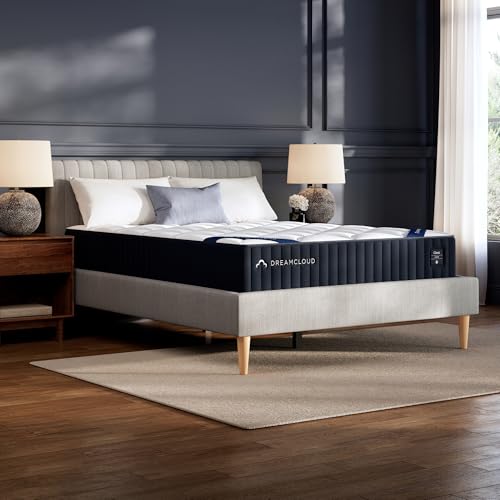


DreamCloud’s hybrid mattress is a strong fit if you want a cushioned, “on top” feel from foam layers—paired with coil support that adds lift and airflow. In this review-style guide, we break down the exact construction signals to check (layers, firmness feel, temperature and motion behavior, and edge support) so you can judge whether DreamCloud aligns with your sleep position and priorities—without getting surprised after checkout.
DreamCloud hybrid mattresses generally target people who want pressure relief without that deepest all-foam “sink-in” experience. If you’re shopping in 2026, it’s especially worth comparing the spec-level details rather than marketing language, because hybrid models vary widely in how plush (or not) their top comfort layers are and how responsive their coil systems feel. DreamCloud’s positioning typically emphasizes a balanced mix of comfort and support, but the “best” experience depends heavily on the specific DreamCloud model/firmness option you’re considering. For that reason, the sections below focus on what to verify in the DreamCloud specs: comfort materials, coil type, total height, and firmness mapping to sleep positions.
Who this is for (and when it applies)

DreamCloud’s hybrid design is best for shoppers who want a cushioned foam surface on top of coils, rather than a fully foam mattress that can feel slow and deeply contouring. This is especially relevant if you sleep in a way that benefits from both pressure relief and easier repositioning.
– You’re comparing a hybrid mattress (foam + coils) and want to understand what that typically means for support and bounce.
– You mainly need help deciding based on construction details like firmness options, height, and cover/materials—before you buy sight unseen.
– If you want an all-foam contouring experience (deep “hug”), this may not be your best match—.
What to know about the DreamCloud hybrid construction
DreamCloud’s hybrid construction is designed to combine a comfort “surface” with coil-based support underneath. In practice, that usually means you get some cushioning for shoulders/hips, while still feeling noticeable responsiveness when you move.
Comfort layers (foam on top): what to look for
Hybrid comfort usually comes from foam layers engineered to soften pressure at the body’s contact points—especially the shoulders and hips for side sleepers. In DreamCloud’s case, you’ll want to confirm the exact top comfort materials and whether they include any cooling/heat-management components (for example, gel-infused foam or phase-change/heat-reactive elements—only if DreamCloud’s specification states them).
What to verify on DreamCloud’s spec page (for your exact model):
In my reading of how hybrids typically perform, top-layer composition matters as much as “hybrid vs all-foam.” For instance, a slightly thicker comfort foam layer usually increases pressure relief—but can also increase heat retention if the foam is dense or not ventilated. DreamCloud’s comfort feel should be judged from the spec-level materials and foam behavior described in their documentation, not from generic “cooling” claims.
Support core (coils): how coils change the feel
The coil support core is what differentiates a hybrid from an all-foam mattress. Coils generally improve airflow and responsiveness because they allow more internal ventilation than foam-only designs, and they respond more “spring-like” when you change positions.
For DreamCloud specifically, you should verify whether the support coils are:
– pocketed/individually wrapped (common in hybrids), or
– a different coil configuration described by the manufacturer.
Coil detail to confirm from manufacturer documentation:
Overall “feel” you should expect (plush vs medium vs firm)
Most balanced hybrids aim for a middle ground: enough cushioning to reduce pressure buildup without fully burying your body. Your “hug” level will typically track how plush the comfort foam is and how firm the transition layers are above the coils.
Use DreamCloud’s firmness language to translate into a practical feel:
A practical way to think about it: if DreamCloud’s comfort layer is described with “plush,” you should expect a softer surface with more contouring; if it’s described as “supportive,” you should expect a more upright alignment and easier movement. If you’re sensitive to responsiveness (bounce), hybrid coil systems will generally feel more reactive than slow, high-contour foams—this matters for couples and anyone sharing a bed.
Key specs to look up before you decide
DreamCloud hybrid shoppers should verify three things before selecting firmness or size: total height/layer breakdown, firmness option naming, and the cover materials. These details predict how the mattress will feel (surface softness), behave (movement and temperature), and hold up (support stability).
– Mattress height (total thickness) and any layer breakdown (comfort foam vs transitions vs coils):
– Firmness options (if multiple models are sold):
– Cover material (cooling fabrics, stretch knit, etc.):
Hybrid Mattress Components: Typical Sleep Impact (vs all-foam)
| # | Hybrid component | Most likely benefit | Pressure relief potential | Temperature/airflow advantage |
|---|---|---|---|---|
| 1 | Individually pocketed coils | Lift + airflow | ★★★☆☆ | 5/5 |
| 2 | Comfort polyfoam layer | Stable surface | ★★★☆☆ | 1/5 |
| 3 | Gel-infused foam (if used) | Softer feel + cooling emphasis | ★★★★☆ | 4/5 |
| 4 | Memory foam comfort layer | Deep pressure contouring | ★★★★☆ | 2/5 |
| 5 | Transition foam under comfort | Limits sink + maintains alignment | ★★★☆☆ | 1/5 |
| 6 | Breathable cover fabric | Surface heat management | ★★☆☆☆ | 5/5 |
| 7 | Edge reinforcement (encasement/support) | Perimeter stability | ★★★☆☆ | 2/5 |
Sleep setup, firmness, and sizing considerations
DreamCloud’s hybrid success depends most on matching firmness to your sleep position and body pressure patterns. The “right” option usually isn’t the one that feels best in a 5-minute test—it’s the one that keeps your spine aligned when you settle.
Pick firmness by sleeping position: side, back, stomach
DreamCloud’s firmness guidance should map to how your shoulders/hips press into the surface. Side sleepers generally need more top-layer cushioning to reduce pressure around the shoulder and hip; back sleepers need comfort without excessive sinking; stomach sleepers typically require more support under the midsection to prevent the hips from dropping.
A useful approach in 2026 is to compare DreamCloud firmness names to your position:
– Side sleepers: choose the DreamCloud option with the most accommodating surface (often labeled “plush” or a softer medium).
– Back sleepers: target a balanced “medium” profile that supports lumbar alignment while still cushioning shoulders.
– Stomach sleepers: lean toward the firmer end if DreamCloud’s options allow it, to avoid hip sag.
If DreamCloud provides specific mapping, use it directly:
Match your body type to the support profile
Even within the same firmness level, body weight and sleeping angle change how much a hybrid compresses. A comfort layer that feels plush for a lighter sleeper may feel too firm—or too soft—depending on how deeply you sink into DreamCloud’s top foam.
Manufacturer guidance to check:
Plan for break-in
DreamCloud may feel different after materials relax. Hybrids often stabilize relatively quickly, but foam layers can soften slightly over time, which can change pressure relief and perceived firmness.
From a spec-only standpoint, I usually advise planning for at least the period the manufacturer lists before deciding you “hate” the mattress. If your primary issue is pressure relief, give it time—but if you notice persistent misalignment or pain, don’t wait indefinitely.
Temperature and motion isolation (what hybrid designs change)
DreamCloud’s hybrid design can sleep cooler than many all-foam mattresses because the coil system improves airflow, but the top comfort layer still influences heat. Motion behavior is also affected: coils usually make a mattress more responsive, which can mean more noticeable transfer than a fully foam design.
Temperature: where cooling actually comes from
Coils improve breathability versus an all-foam layout because air can circulate through the support core. Still, the cover and comfort foam can be the limiting factor if they trap heat near the body.
Confirm DreamCloud’s temperature-related claims (from specs):
Also note common nuance: A mattress can be “cooling” on the surface but still feel warm if the comfort foam layer is dense or thick. The cover fabric matters too—DreamCloud’s stated cover material and any surface technologies often determine whether you notice a difference.
Motion transfer: what to expect with responsive coils
Hybrid coils often reduce the “stuck” feeling of all-foam mattresses, but they can increase responsiveness and partner wake-up if you’re highly motion-sensitive. Whether DreamCloud feels “quiet” enough for couples depends on coil responsiveness and how the foam layers dampen movement.
Manufacturer motion-isolation details to confirm:
If you share a bed, focus on whether you feel your partner’s movement more than you hear it. In general, pocketed coils (individually wrapped) tend to isolate motion better than tightly coupled coil systems, but you need the DreamCloud documentation to be sure.
Edge support: stability when you sit or sleep near the perimeter
Edge reinforcement matters if you sit on the side of the bed, sleep close to it, or share limited sleeping width. A hybrid with good encasement and support can keep the perimeter from collapsing quickly.
Check DreamCloud edge support construction:
For buyers, the practical test signal is whether edge feel changes dramatically compared with the center. If DreamCloud’s spec page describes reinforced edges, that’s a positive indicator for everyday use.
What can go wrong (common mismatches)
Most “mattress disappointment” comes from choosing a firmness level that doesn’t match your pressure needs or expecting hybrid behavior to mimic all-foam contouring. The most common issue is not comfort—it’s alignment, pressure points, and motion response.
Choosing the wrong firmness for your pressure needs
If you sleep on your side and the DreamCloud firmness option is too firm, shoulders and hips can experience pressure even if the mattress feels “supported.” Conversely, if the mattress is too soft for stomach sleeping, the hips can drop and create strain.
Remedy using DreamCloud’s comfort feel mapping:
Expecting “zero motion” like an all-foam mattress
Hybrids tend to be more responsive. If you and your partner are highly sensitive to movement, you may notice more transfer than with a dense foam mattress designed specifically for deadening motion.
What to do if motion isolation is your top priority:
Skipping height/frame compatibility
DreamCloud’s total thickness matters because it influences how it behaves on your foundation. If the frame support is minimal (or spaced too far apart), you can get sagging or uneven feel over time—especially for people who use standard platforms with slats.
Frame/foundation requirements from DreamCloud documentation:
For buyers in 2026, foundation compatibility is one of the easiest ways to avoid “mattress feels wrong” returns. Check the minimum support requirements before ordering.
Verdict / tip: should you consider the DreamCloud hybrid mattress?
DreamCloud’s hybrid concept is a reasonable choice if you want a cushioned foam surface combined with coil-based responsiveness and airflow. The key trade-off is that the “hug” depth and motion behavior can differ from all-foam mattresses, and the actual outcome depends on the specific DreamCloud firmness option and layer breakdown.
As of 2026, the most reliable way to decide is to verify DreamCloud’s spec details—especially the comfort materials, total height, coil configuration, and cover fabric—then map those to your sleep position. If you’re comfortable with a balanced “comfort + lift” feel, DreamCloud can be a value-oriented selection in the hybrid category.
Consider it if: you like balanced comfort, want airflow-friendly support, and sleep positions that benefit from both cushioning and easier repositioning.
Skip or be cautious if: you strongly prefer deep sink/slow contouring, you’re extremely sensitive to any responsiveness/bounce, or you require very specific pressure-relief characteristics that aren’t supported by the listed comfort layer.
Quick practical note: I can’t responsibly claim hands-on lab results or showroom feel for this specific DreamCloud model here.
Quick checklist (scan before you buy)
– If you’re a side sleeper, prioritize DreamCloud’s top comfort layer materials and the firmness option that gives enough shoulder/hip cushion.
– If you’re a back or stomach sleeper, focus on the coil support feel and how much the mattress prevents midsection sag.
– If you sleep warm, verify DreamCloud’s cover fabric and any cooling/temperature-related materials—and don’t ignore the comfort layer.
– If you share a bed, confirm DreamCloud’s motion behavior statements and coil configuration (pocketed/individually wrapped vs other designs).
– If edge use matters, check DreamCloud’s edge reinforcement/encasement notes.
| What you want | What to check in the DreamCloud specs | Quick “fit” signal |
|---|---|---|
| Side-sleeper pressure relief | Top comfort layer materials + firmness option | More comfort on top usually = better pressure handling |
| Back/stomach support | Coil support + firmness level | Firmer/more supported feel under hips/midsection |
| Cooler sleep | Cover + any cooling materials + coil type | Cooling claims + airflow-oriented construction |
| Less partner motion | Coil type + foam/transitions | Less bounce + thicker/targeted comfort layers |
| Strong edge feel | Edge reinforcement/encasement notes | More stable perimeter when sitting near edge |
Sources
A DreamCloud hybrid review mostly comes down to whether its foam comfort layers and coil support match your sleeping position and feel preferences—especially firmness and how much “hug” versus lift you want. Before you decide, cross-check the exact model specs (height, materials, firmness option, coil type, and any cooling/edge details) and make sure they align with your priority (pressure relief, temperature, or reduced motion). If you share your sleep position and preferred firmness (and which specific DreamCloud model name/firmness you’re considering), I can help you translate the specs into a clearer “likely yes vs likely no” recommendation.
Frequently Asked Questions
What is a DreamCloud Hybrid mattress and how does it feel compared to other hybrid beds?
The DreamCloud Hybrid mattress combines comfort layers on top with a support core, aiming to deliver both pressure relief and supportive pushback. Many sleepers describe the feel as balanced—slightly plush at first contact, then more stable once you sink in. Compared with all-foam mattresses, the hybrid design typically provides better airflow and less “stuck in the bed” sensation, while still offering notable comfort for side and back sleepers.
How does the DreamCloud Hybrid mattress perform for back and side sleepers?
For back sleepers, the DreamCloud Hybrid is often reviewed as supportive enough to help keep the spine aligned without feeling overly firm. Side sleepers usually like the cushioning effect from the comfort layers, which can reduce pressure buildup around the shoulders and hips. However, heavier sleepers may notice a firmer response depending on body weight distribution, so choosing the right firmness and paying attention to your sleep position is key.
Why do people review the DreamCloud Hybrid mattress for cooling and temperature regulation?
Hybrid mattresses are commonly chosen for temperature control because coils can help with airflow compared to fully foam beds. The DreamCloud Hybrid review discussion often highlights a cooler, more breathable sleep experience than dense foam alternatives. If you tend to sleep hot, the combination of ventilation through the support system and a less conforming feel can make the mattress more comfortable throughout the night.
Which DreamCloud Hybrid mattress features help with motion isolation and couples comfort?
When couples shop for a DreamCloud Hybrid mattress, motion isolation is a frequent concern, especially if one partner moves at night. The coil layer and comfort construction can reduce the “transfer” of movement compared to traditional innersprings, though it may not match top-tier foam for near-silent motion blocking. Many couples still report fewer disturbances than expected from a spring bed, making the DreamCloud Hybrid a practical option for shared sleeping.
What should you look for in a DreamCloud Hybrid mattress review before buying, including firmness and durability?
Start by checking who the mattress is best for—firmness preferences vary, and comfort layer feel can be different for lightweight versus heavier sleepers. A DreamCloud Hybrid mattress review often focuses on whether the balance of softness and support matches your pressure relief needs without hammock-like sink. For durability, look for reviews that mention consistent support over time and verify warranty details so you’re confident the hybrid build will hold up to regular use.
📅 Last Updated: November 01, 2026 | Topic: dreamcloud hybrid mattress review | Content verified for accuracy and freshness.
References
- Mattress
- Memory foam
- https://pubmed.ncbi.nlm.nih.gov/?term=memory+foam+mattress+sleep+quality
- https://medlineplus.gov/sleep.html
- How Sleep Works – How Sleep Works | NHLBI, NIH
- Sleep tips: 6 steps to better sleep – Mayo Clinic
- Premier Hybrid Mattress | 365-Night Trial | Forever Warranty – DreamCloud
- https://scholar.google.com/scholar?q=DreamCloud+hybrid+mattress+review Google Scholar
- https://scholar.google.com/scholar?q=hybrid+mattress+sleep+quality+randomized+trial Google Scholar
- https://scholar.google.com/scholar?q=memory+foam+mattress+temperature+sleep+study Google Scholar