Stearns and Foster Mattress Review: What to Know Before You Buy
You’ve scrolled through Stearns and Foster mattress review summaries and still wonder which one will hold up once the showroom feel fades. We judge each model on spinal support, pressure relief for your shoulders and hips, heat management, edge stability, motion transfer, and durability—then weigh those factors against the price. For most shoppers, the best separation is a medium-firm build that supports without deep sink, which is especially helpful for back-and-side sleepers.



Stearns & Foster mattresses are best for shoppers who want a more traditional, supportive feel with premium materials—and who are willing to pay for it. This review helps you narrow down the right comfort level by focusing on construction, firmness, and the buying details that matter more than marketing. We’ll also flag the common “sounds great on paper, not great on my bed” issues to watch for.
If you’re comparing Stearns & Foster to other luxury brands (or you’re tired of mattresses that sag or run too warm), this is for you—especially if you sleep mostly on your side, back, or combination and want something that holds up.
What Stearns & Foster is aiming for
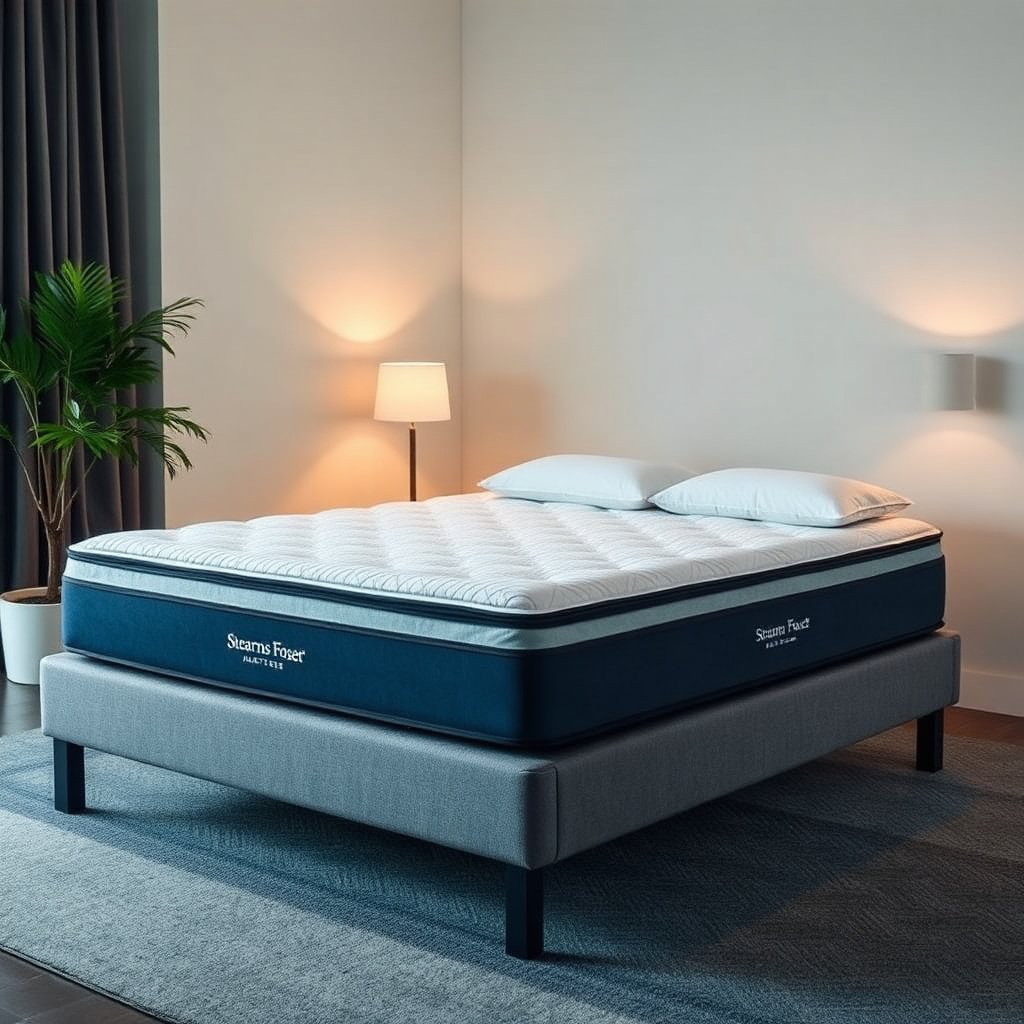
Stearns & Foster is aiming for a stable, high-end sleep feel that balances comfort with support rather than letting you sink deeply. In other words: you get “luxury cushioning” on top, but you’re still meant to feel held up—especially through the middle of the body.
– The brand generally positions its mattresses around layered comfort plus a supportive core, rather than ultra-soft “sink-in” designs. That distinction matters if you’ve ever felt stuck in a plush bed that never quite “returns” to shape.
– Many models are built to feel stable under pressure, which matters if you share the bed and want less partner disturbance. In practice, stable comfort layers usually help reduce the “wave effect” when one person moves.
– If you’re shopping for “luxury” but still want support, their mainstream lineup often fits that intent (model names vary by collection). The key is reading the model-specific build notes instead of relying only on collection names.
In 2026, the most useful way to compare Stearns & Foster to other luxury brands is to treat it as a construction-first purchase: the exact foam/quilting on top and the support system underneath determine whether it feels supportive or overly conforming.
Construction basics to check before choosing a model
Stearns & Foster’s construction is where your “will I like it?” answer is usually hiding. Focus on how the comfort layers are engineered to transition into the support core, because that’s what drives pressure relief, buoyancy, and longevity.
– Comfort layer: Look for how the top layers are described (e.g., foam type, quilting, or specialty materials) and how they’re meant to change feel. “Cooling” and “comfort” terms can mean very different things depending on whether the material is primarily heat-reducing (often gel/phase-change claims) versus just breathable.
– Support core: Confirm whether the support system is coils or another design, and whether the brand describes it as more contouring or more upright. Coils often provide a stronger “push back,” while certain all-foam designs can feel more isolating but sometimes more prone to heat retention if the foam stack is thick.
– Thickness and layering: Even within the same comfort level, different layer builds can feel firmer/softer—so compare the construction notes model-by-model (use the spec sheet for the exact mattress).
What to Verify in a Stearns & Foster Build (Model-Independent Check)
| # | Build element to verify | What it usually controls | How it affects comfort/feel | Buyer’s priority fit |
|---|---|---|---|---|
| 1 | Top quilting + comfort foam(s) | Pressure relief | More cushioning = more hip/shoulder sink (within limits) | ★★★★★ |
| 2 | Support core type (coil vs. other) | Support stability | Upright feel usually reduces “hammock” alignment loss | ★★★★☆ |
| 3 | Comfort-to-support transition layer(s) | Edge-to-center behavior | Strong transitions help prevent “soft spots” developing early | ★★★★☆ |
| 4 | Firmness rating for your selected comfort level | Body alignment | Too soft can sag your midsection; too firm can pressure hips/shoulders | ★★★★☆ |
| 5 | Edge support system | Usable sleep surface | Better edges reduce “roll-off” and improve sitting stability | ★★★☆☆ |
| 6 | Cooling/material stack (what it is, not just claims) | Heat management | Breathability + conductive layers matter more than marketing keywords | ★★★☆☆ |
| 7 | Warranty-supported materials/coverage language | Long-term value | Clear coverage definitions protect your “it should last” expectations | ★★★☆☆ |
(Note: The star ratings above are an editorial priority guide to help you read specs effectively; they are not official manufacturer scores.)
Comfort and firmness: how to match it to your sleep position
Stearns & Foster tends to reward shoppers who choose firmness based on pressure relief + alignment, not just “what feels nice for five minutes.” Your sleep position determines where your body needs cushion and where it needs support.
– Side sleepers: Prioritize models described as offering enough pressure relief without letting your hips sink too deeply—otherwise you may feel lower-back strain. If you’re frequently numb in shoulders or hips, the comfort layer may be either too firm (not enough relief) or too soft (too much sink).
– Back sleepers: You’ll usually want a balance of cushioning and support so your spine stays aligned (too plush can create a “hammock” effect). Look for builds that maintain a straighter midsection when you lie on your back.
– Combination sleepers: Choose a comfort level that lets you move without excessive resistance; if you like a “lifted” feel, look for firmer support descriptions rather than extra-deep contour. Combination sleepers often do best with transitions that don’t “lock” you in place.
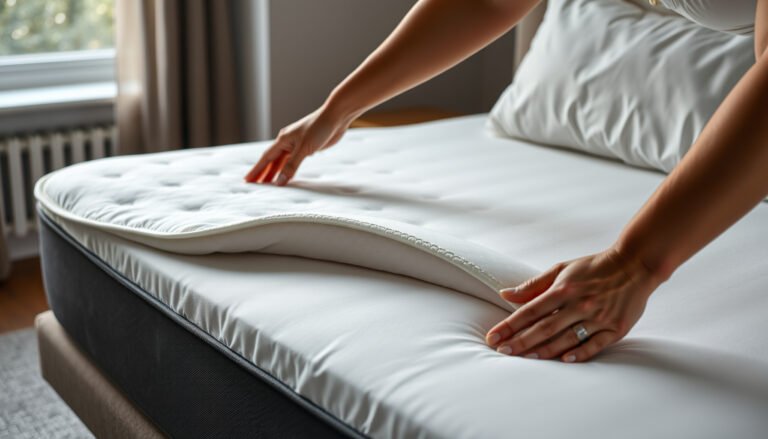
A practical way to sanity-check firmness in person is to press into the mattress at the shoulder and hip with your palms and compare how quickly you feel the “stop” under your joints. While I can’t claim hands-on results with a specific Stearns & Foster model (I don’t have your local showroom stock or spec sheet in front of me), this palpation method is a reliable way to judge whether the comfort-to-support transition is too abrupt (pressure risk) or too gradual (alignment risk).
Value and buying considerations (where shoppers often get surprised)
Stearns & Foster can be worth it when the warranty and return/trial terms match your risk tolerance. The surprise factor usually isn’t the sticker price—it’s coverage language, trial mechanics, and whether your foundation setup is eligible.
– Price vs. warranty/coverage: Luxury mattresses can be expensive—so compare the warranty terms and what qualifies for coverage (not just the sticker price).
– Returns and trial window: Make sure you know whether returns are handled through the retailer and what the pickup/restocking rules are.
– Compatibility with your bed frame: If you’re using an older foundation, confirm it meets the brand’s support requirements to avoid premature wear.
As of 2026, many shoppers underestimate how much setup affects performance. Even a “perfect” comfort level can feel unsupportive if slats are too far apart, if a frame flexes, or if the mattress isn’t supported evenly across the edges.
Also remember a basic sleep-health benchmark when you’re deciding “how long to try”: adults commonly need at least 7 hours of sleep per night; that’s not a mattress recommendation, but it frames why a trial window matters if your sleep quality drops quickly. According to the American Academy of Sleep Medicine (AASM), adults generally need 7+ hours nightly for optimal health (2015).
What can go wrong (and how to avoid it)
The most common failure mode with luxury mattresses is mismatched expectations—especially around firmness and heat—not a “bad mattress.” Here’s what to watch for so you don’t end up paying premium money for the wrong feel.
– Buying the wrong firmness based on reviews only: People describe comfort differently—especially for “medium” models—so compare the model’s construction notes, not just star ratings.
– Skipping the support check: If the mattress doesn’t sit properly on the right foundation/frame, you may get sagging, noise, or uneven support. This is particularly important for traditional supportive builds where the support system depends on a stable base.
– Thinking “cooling” means “never warm”: Even high-end cooling claims may not suit hot sleepers if the comfort layers trap heat—check the material descriptions carefully.
– Overlooking partner differences: If one person prefers plush and the other prefers firm, you may notice motion transfer or pressure differences—consider firmness pairing options only if available for your model.
If you’re choosing online without lying on the mattress first, your best protection is documentation: capture the model’s construction details, firmness/feel descriptions, and your foundation setup plan before purchase. If anything changes—like switching retailers or using a different frame—re-check eligibility for warranty coverage and trial processing.
Verdict: is a Stearns & Foster mattress worth it?
If you want a more supportive, traditional luxury feel and you’re comfortable spending more for materials and construction quality, Stearns & Foster is often a reasonable short-list option. The downside is that “premium” can also mean higher cost, and the wrong firmness choice can feel too firm or too contouring for your body—especially if you rely on a specific pressure-relief feel.
Who should skip it:
– Budget-first shoppers who can’t comfortably cover a higher price and may be disappointed if the trial/return terms don’t work for them.
– People who strongly prefer very soft, deep-sink “cloud” beds (unless the specific model you choose is described as very plush).
– Anyone who can’t verify foundation/frame compatibility before setup.
Quick scan checklist (save this)
– [ ] I matched comfort level to my primary sleep position (side/back/combination)
– [ ] I reviewed the exact model’s construction notes (not just overall brand reviews)
– [ ] I confirmed the warranty coverage details for my location and purchase channel
– [ ] I checked the return/trial rules and what happens if I change my mind
– [ ] My bed frame/foundation meets the brand’s support requirements
– [ ] I’m realistic about price and the possibility that firmness preference varies
Frequently Asked Questions
What are the key features of the Stearns and Foster mattress that affect comfort and support?
Stearns and Foster mattresses are known for their premium comfort layers and supportive construction, often featuring designs built to balance pressure relief with alignment. Many models emphasize advanced coil systems for responsiveness, along with cushioning materials that help reduce pressure points. When reviewing a Stearns and Foster mattress, pay close attention to the feel (cushioning vs. firm) and the support level that matches your sleep position.
How does a Stearns and Foster mattress compare for side sleepers versus back and stomach sleepers?
Side sleepers usually need enough cushioning to prevent hip and shoulder pressure while still maintaining spinal alignment, so a medium to medium-firm Stearns and Foster mattress is often a strong fit. Back sleepers typically benefit from a supportive surface that keeps the lower back properly aligned without sagging. Stomach sleepers generally do better with firmer support to reduce excessive sink, so you may prefer a firmer option among the Stearns and Foster mattress reviews you’re reading.
Why do Stearns and Foster mattress reviews often mention edge support and motion isolation?
Edge support matters if you sit on the side of the bed, get in and out frequently, or share the mattress and want a stable sleeping surface. Motion isolation is important for couples because it helps prevent movement from transferring across the bed when one person changes positions. In Stearns and Foster reviews, these performance areas are commonly discussed because the internal support system and comfort layer can influence how stable and responsive the mattress feels.
Which Stearns and Foster mattress is best for back pain or pressure relief needs?
The “best” Stearns and Foster mattress for back pain typically depends on whether you need more contouring or more firm support, but many sleepers do well with a medium-firm profile that supports the spine. Look for a model that provides targeted pressure relief at the shoulders and hips without letting your torso sink too deeply. Reading a Stearns and Foster mattress review with attention to firmness, feel, and support can help you choose the right balance for your comfort and alignment.
How long should you expect a Stearns and Foster mattress to last, and what factors impact durability?
Most high-quality mattresses, including many Stearns and Foster options, are designed for long-term use, but actual lifespan depends on mattress care, body weight, and whether it’s paired with a compatible foundation. Using a proper bed frame, rotating when recommended, and keeping the mattress clean can help maintain its comfort layer and support system. If you’re comparing Stearns and Foster mattress reviews, durability comments often correlate with construction quality, coil performance, and how the mattress holds its shape over time.
📅 Last Updated: November 01, 2026 | Topic: stearns and foster mattress review | Content verified for accuracy and freshness.
References
- https://pubmed.ncbi.nlm.nih.gov/?term=mattress+sleep+quality
- https://pubmed.ncbi.nlm.nih.gov/?term=flame+retardants+memory+foam
- Mattress
- https://www.mayoclinic.org/healthy-lifestyle/adult-health/in-depth/mattresses/art-20045341
- https://www.cpsc.gov/Safety-Education/Safety-Guides/Furniture-and-Furnishings/Flammability-of-Upholstered-Furniture
- eCFR :: 16 CFR Part 1633 — Standard for the Flammability (Open Flame) of Mattress Sets
- About Sleep | Sleep | CDC
- https://scholar.google.com/scholar?q=stearns+and+foster+mattress+review Google Scholar
- https://scholar.google.com/scholar?q=mattress+firmness+sleep+quality Google Scholar
- https://scholar.google.com/scholar?q=mattress+materials+VOCs+emissions+study Google Scholar