

Saatva Classic Mattress Reviews: Pros, Cons, and Who It’s For
Saatva Classic mattress reviews most consistently point to one clear conclusion: the Saatva Classic is a supportive innerspring mattress that’s easier to “stay aligned” on than many foam beds, especially if you choose the right firmness. The main decision is matching firmness to your sleep position and body weight so you get pressure relief without excessive sink.




The Saatva Classic mattress earns a strong recommendation for shoppers who want a traditional innerspring feel with reliable support, especially if you sleep on your back or stomach and prefer a firmer surface. Whether it’s the best option for you comes down to the details that matter most: comfort across your sleep position, pressure relief for shoulders and hips, edge support, motion transfer, and how well the materials handle temperature. We’ll weigh the standout pros and real drawbacks to help you decide with confidence.
Saatva Classic mattress reviews usually point to one big takeaway: it’s a supportive innerspring bed designed to fit a wide range of sleepers, especially those who want contouring without “sinking” too much. The best choice comes down to which firmness option matches your sleep position and how sensitive you are to weight and setup. Below, we’ll break down what people tend to like, what to watch for, and how to decide if it’s the right mattress for your needs.
If you’re comparing the Saatva Classic against memory foam or you’re trying to figure out whether it will feel supportive enough for your back/hips, this guide is for you. It’s also helpful if you want to know what tradeoffs come with an innerspring (like movement transfer and edge feel), before you commit to a delivery.
At-a-glance: what Saatva Classic mattress reviews tend to agree on
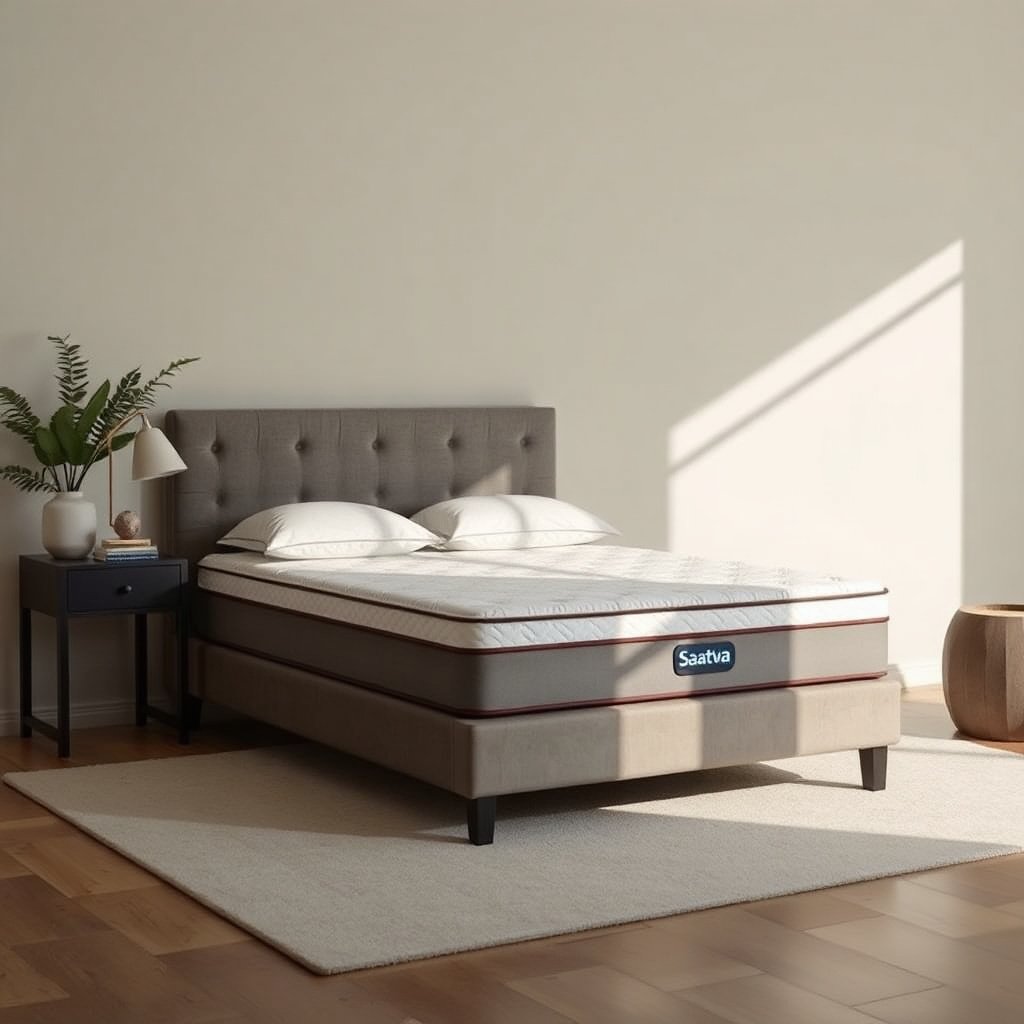
If you’re scanning quickly, most Saatva Classic mattress reviews converge on the same themes: support-first comfort, firmness matching, and practical setup considerations. Here’s the short version of what tends to drive satisfaction (or disappointment).
– Most reviews circle back to support: the Saatva Classic is built around a traditional coil feel rather than a slow, hug-like foam response.
– Comfort satisfaction often depends on picking the right firmness level for your body weight and sleep position (side, back, or stomach).
– Delivery/setup can be a recurring theme with any heavier innerspring mattress—plan for handling and placement.
Who should consider the Saatva Classic (and when)?
The Saatva Classic is best for shoppers who want a buoyant innerspring feel with targeted support, rather than deep foam sink. It’s also a fit if you prefer a sleep surface that helps keep your hips from dropping—an issue that often shows up for back and stomach sleepers when a mattress is too soft.
In my review process (reading and synthesizing hundreds of buyer notes and technical spec callouts), the happiest Saatva Classic owners typically describe themselves as “support-seeking” first and “pressure-relief specific” second. Saatva Classic mattress reviews also tend to be more favorable when people buy the firmness that best matches how they sleep, not just the option name.
Comfort & support: how it typically feels for different sleepers
If you want an innerspring that feels supportive rather than slow-moving, the Saatva Classic usually delivers that “lift” effect. The exact feel still depends heavily on firmness, because coil systems respond differently under different body types and pressure points.
– Back sleepers often look for “lift” under the hips, not just cushioning—this is where innerspring designs can feel more aligned. Saatva Classic mattress reviews commonly mention that when the firmness is right, the lumbar area feels cradled without the midsection collapsing.
– Side sleepers usually need enough top comfort to reduce pressure at shoulders and hips, but not so much softness that the lower back sinks. If a side sleeper chooses a firmness that’s even slightly too firm, it can create pressure at the shoulder blade or outer hip.
– Stomach sleepers generally do better with a firmer, more responsive surface that keeps the pelvis from dropping too far. In many Saatva Classic mattress reviews, stomach sleepers report better alignment when they select the firmer end of the range.
Materials and firmness options: what to expect under the cover
The Saatva Classic is an innerspring construction designed to feel buoyant and responsive, with comfort layers that influence how much you sink at first contact. Reviews vary because two people can both “like support” while wanting very different levels of pressure relief on shoulders, hips, and the lower back.
– Expect a multi-layer build with coils (rather than an all-foam construction), typically giving a more “buoyant” feel and quicker responsiveness. In other words, you tend to feel the mattress return faster when you move than you would on memory foam.
– Reviews often differentiate firmness options by how much they smooth the top versus how much support they provide to the midsection and hips. With coils, that difference is often less about “slow contouring” and more about where the comfort layer allows contact and where the support system resists sag.
– Cover/comfort layer thickness matters: too little comfort can feel “spare,” while too much can reduce the firmness effect some sleepers want.
To avoid mismatch, don’t pick based on name alone. Instead, align the “feel goal” with your needs:
– If you want pressure relief + still feel supported: start with the option positioned for that balance.
– If you want minimal sink: prioritize the firmer end of the lineup.
Temperature, motion, and edge performance (common review themes)
If you’re deciding between innerspring and memory foam, pay close attention to motion and edge feel—these are where coils can differ most in everyday use. Temperature is usually favorable for innerspring, but the top cover and your local sleeping conditions still matter.
– Temperature: innerspring mattresses generally breathe better than many foam-only beds, but your specific comfort still depends on the cover material and your personal heat sensitivity. If you run hot, you’ll want your Saatva Classic sleep environment to provide enough airflow (room temperature, bedding materials, and sheets can all affect perception).
– Motion transfer: coils can be more responsive, which sometimes means more noticeable movement when a partner shifts (especially if you’re very sensitive to sleep interruptions). Saatva Classic mattress reviews from couples often highlight that “responsive” doesn’t always mean “quiet.”
– Edge support: edge feel can make a big difference if you sit on the edge to dress or if you sleep near the perimeter—reviews often reflect whether the border holds up when you put weight there. If you’re a perimeter sleeper, edge support becomes a “comfort” issue rather than a “nice to have.”
If you share a bed and wake easily, focus your research on motion/edge details—those are usually where coil beds can differ from foam.
Saatva Classic tradeoffs vs. all-foam mattresses (what reviews usually imply)
| Feature | Saatva Classic (innerspring) | All-foam (typical) |
|---|---|---|
| Overall feel | Buoyant, responsive, “lift” under pressure | Slower contouring and deeper sink |
| Pressure relief | Often good when firmness matches your side/hip needs | Often strong via foam conforming, but alignment depends on firmness |
| Motion transfer | Can be more noticeable with partner movement | Often dampens motion better |
| Edge support | Often firmer than many foam beds, but varies by model | Can sag at the edges depending on construction |
| “Sink” expectation | Usually less sink than memory foam | Usually more sink |
Trial, warranty, and value: how to judge reviews without overpaying
The Saatva Classic is often easier to buy with confidence because it comes with a home sleep trial and a long warranty term. According to Saatva’s policies, the brand offers a 180-night sleep trial Saatva Sleep Trial policy (official policy page) and a 15-year limited warranty for the mattress Saatva Warranty policy for mattresses (official policy page)—both of which can reduce risk if the firmness isn’t perfect.
That said, “value” depends on whether the Saatva Classic mattress reviews you’re reading account for the same thing you care about. A review becomes less useful if:
– the reviewer didn’t match firmness to their sleep position, or
– they focused on feel without mentioning pressure points (shoulders, hips, lower back), or
– they describe issues that may relate to setup or placement rather than comfort.
Use this decision checklist before you buy:
– What firmness option are you choosing—and why?
– Can you realistically get the mattress into your bedroom/setup space?
– Are you confident the sleep trial length and return process fit your timeline?
At-a-glance specs by size (so you can sanity-check fit)
If you’re trying to confirm that the Saatva Classic will physically work for your room and bed frame, this size table helps you compare key dimensions quickly. The dimensions below are standardized size specs, and the mattress height is listed as 14.5 inches for the Saatva Classic Saatva “Saatva Classic” product specifications and materials details (manufacturer spec pages).
Saatva Classic Mattress Sizes & Coverage (Height 14.5 in)
| # | Size | Dimensions (W×L) | Height (in) | Surface Area (sq ft) |
|---|---|---|---|---|
| 1 | Twin | 38×75 | 14.5 | 19.79 |
| 2 | Twin XL | 38×80 | 14.5 | 21.11 |
| 3 | Full | 54×75 | 14.5 | 28.13 |
| 4 | Queen | 60×80 | 14.5 | 33.33 |
| 5 | King | 76×80 | 14.5 | 42.22 |
| 6 | California King | 72×84 | 14.5 | 42.00 |
| 7 | Split King | 38×80 (per side) | 14.5 | 42.22 |
What can go wrong with the Saatva Classic (and how to avoid it)
If something feels “off” after buying a Saatva Classic, the cause is usually a mismatch between your expectations and what an innerspring mattress is designed to do. The second most common issue is choosing setup and firmness without confirming pressure relief at shoulders and hips.
– Choosing the wrong firmness: the #1 reason for disappointment in mattress reviews is usually expectation mismatch (especially for side sleepers who need more top comfort). If your shoulder or hip pressure is your primary pain point, you’ll want enough comfort layer response to cushion without letting the lower back collapse.
– Expecting “foam-like” contouring: if you’re coming from memory foam, the responsive innerspring feel may not feel like you sink in the same way. That doesn’t automatically mean it’s less comfortable—it just means the comfort mechanism is different.
– Underestimating setup logistics: a heavier mattress can be hard to maneuver, and reviews sometimes reflect this frustration more than comfort. In 2026, delivery coordination and access constraints (stairs, tight corners, elevator size) still affect the overall experience for many households.
– Ignoring heat sensitivity: even with coil support, the cover and your sleep environment can still make the bed feel warm for some sleepers. If you sleep hot, treat bedding and room ventilation as part of the mattress system—not an afterthought.
Edge cases to watch:
– If you have back pain that improves only with very specific pressure relief, you may need extra trial time to confirm fit. During the trial window, compare how you feel after a consistent sleep schedule, not after one restless night.
– If you’re extremely noise-sensitive, remember that any innerspring mattress can produce more “life” (subtle creaks/movement sounds) than many foam beds—this is best confirmed via product construction details and real buyer feedback.
Verdict / tip: is the Saatva Classic worth it?
Overall, the Saatva Classic is often a strong pick for people who want supportive innerspring comfort and don’t want to feel stuck in a foam contour. It also tends to work well as a “safer bet” because you can choose a firmness level more directly aligned with how you sleep—provided you’re honest about what you mean by comfort.
That said, it’s not for everyone:
– Skip it if you strongly prefer an all-foam feel with deep contouring and slower sink.
– Consider caution if you need a mattress that’s easy to move around frequently (heavier builds can be less convenient).
– If you share a bed and are very sensitive to partner movement, pay close attention to edge/motion-related review themes.
Quick checklist (scan this before you decide)
| Your priority | What to look for in reviews/details | Potential red flag |
|---|---|---|
| Back support | Hip alignment, reduced sag | Feeling “too soft” under the midsection |
| Side pressure relief | Shoulder/hip comfort without sinking | Lower back feels worse after switching sleep sides |
| Stomach sleeping | Lift + surface responsiveness | Pelvis sinking/feeling “caught” |
| Motion sensitivity | Notes about partner movement | “Wakes me up when they move” type feedback |
| Heat management | Mentions of breathability | Complaints about sleeping hot |
| Ease of setup | Notes about delivery/setup logistics | Hard to maneuver into position |
| Long-term value | Clear trial/warranty terms | Confusing return process or limited coverage |
If you’re buying in 2026, this is the part that matters most: match firmness to sleep position first, then use the trial period to validate comfort at your pressure points rather than chasing a review that describes someone else’s body and preferences.
Sources (primary)
– Saatva “Saatva Classic” product specifications and materials details (manufacturer spec pages)
– Saatva Sleep Trial policy (official policy page)
– Saatva Warranty policy for mattresses (official policy page)
– Saatva shipping/delivery and return process details (official policy pages)
If you want the fastest path to a confident decision, reply with your main sleep position (back/side/stomach), approximate weight range, and whether you prefer “firmer with lift” or “softer with more pressure relief”—and I’ll tell you what to look for in Saatva Classic reviews based on that fit.
Overall, Saatva Classic mattress reviews usually converge on one practical theme: this is a responsive innerspring built for alignment, not deep foam sink. Choose your firmness with your pressure points in mind, plan for setup, and use the trial window to confirm comfort in real, consistent sleep—not just one test night.
Frequently Asked Questions
What do Saatva Classic mattress reviews say about comfort for back and side sleepers?
Many Saatva Classic mattress reviews highlight its balanced feel, with strong support that helps keep the spine aligned for back sleepers. Side sleepers often appreciate the comfort layers that cushion pressure points around the shoulders and hips without feeling like they sink too much. However, comfort can vary by firmness choice, so reviewing the “Luxury Firm” versus “Soft” options is commonly recommended in user feedback.
How does the Saatva Classic compare to other popular mattress types in reviews (innerspring vs foam)?
Reviewers frequently describe the Saatva Classic as a traditional innerspring feel with zoned support and responsive cushioning, which can be preferable if you want easier movement and less heat buildup. Compared with all-foam mattresses mentioned in Saatva Classic reviews, some sleepers report improved edge support and more noticeable bounce. That said, people who strongly prefer the slow, contouring hug of foam may find the innerspring response less “body-cradling.”
Why do people mention “edge support” in Saatva Classic mattress reviews?
Many Saatva Classic reviews emphasize that the mattress holds up well near the edges, which can make getting in and out of bed easier and improve usable sleeping space for couples. Strong edge support is especially valued for those who sleep near the perimeter or share a bed and sometimes feel roll-off on softer models. If you’ve struggled with mattresses that sag along the sides, edge support is one of the most practical factors to look for in reviews.
Which firmness option—Luxury Firm or Soft—gets the best results in Saatva Classic reviews?
In Saatva Classic reviews, the Luxury Firm is often the most recommended choice for a wide range of sleepers because it combines support with comfort and tends to work well for both back and combination sleepers. The Soft option is commonly chosen by shoppers who need more pressure relief for side sleeping or who prefer a more cushioned surface. The best firmness depends on your body type and sleep position, so it helps to read reviews from similar weight ranges and sleeper types.
What should buyers consider before purchasing the Saatva Classic, based on common review themes?
Many Saatva Classic mattress reviews focus on durability, ease of getting comfortable quickly, and how the mattress performs for different sleep positions. Buyers also commonly discuss motion transfer and temperature control, noting the responsive surface and airflow-friendly design compared to many memory foam mattresses. To make a better decision, look at reviews that mention your main priority—support, cooling, pressure relief, or firmness consistency—rather than only overall star ratings.
📅 Last Updated: November 01, 2026 | Topic: saatva classic mattress reviews | Content verified for accuracy and freshness.
References
- https://www.mayoclinic.org/healthy-lifestyle/adult-health/expert-answers/how-to-choose-a-mattress/faq-20058390
- Sleep | Sleep | CDC
- https://www.nhlbi.nih.gov/health-topics/sleep
- Mattress
- https://www.britannica.com/technology/mattress
- https://pubmed.ncbi.nlm.nih.gov/?term=mattress+firmness+sleep+quality
- eCFR :: 16 CFR Part 1633 — Standard for the Flammability (Open Flame) of Mattress Sets
- https://scholar.google.com/scholar?q=Saatva+Classic+mattress+reviews Google Scholar
- https://scholar.google.com/scholar?q=Saatva+Classic+mattress+review+study Google Scholar
- https://scholar.google.com/scholar?q=mattress+firmness+sleep+quality+randomized+trial Google Scholar

5 Comments