Nectar Hybrid Mattress Review: Comfort, Support, and Who It Fits
The Nectar Hybrid Mattress is built to blend Nectar’s pressure-relieving foam feel with springy support. Most people assume a hybrid automatically means cooler sleep and firmer support, but the real question is whether it delivers balanced pressure relief, spinal alignment, and reliable performance across your preferred sleep position. We rate it on comfort, support, motion transfer, temperature control, and value so you can see who it fits best—and where other options may suit different sleepers more.


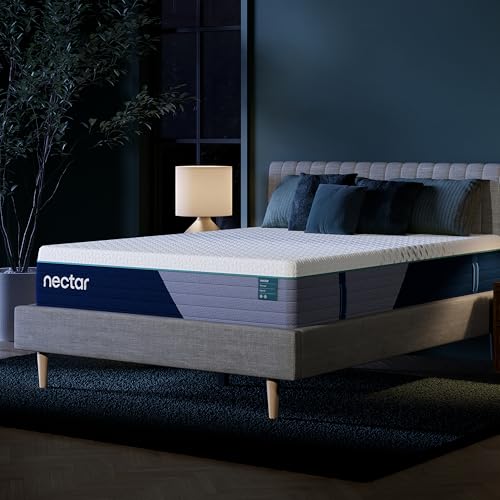

If you want a mattress that delivers foam-like pressure relief while still feeling more supported than all-foam, the Nectar Hybrid is often a strong fit. It uses a comfort-layer setup meant to cushion shoulders and hips, paired with a coil-based support core that typically improves responsiveness and breathability compared with foam-only designs.
If you’re deciding whether the Nectar Hybrid mattress is worth it, the quickest way to think about it is this: it’s designed to combine pressure-relieving foam comfort with hybrid support, so it tends to work best for people who want “sink-in” cushioning without feeling like they’re stuck in the bed. In this review, we’ll break down how the hybrid build typically affects feel, support, and temperature—plus who should consider it and who may want a different style instead.
If you share a bed, sleep hot, or you’re between foam-only and innerspring options, this review is for you. Use it to compare the Nectar Hybrid’s likely strengths (comfort and responsiveness) against common tradeoffs (edge behavior, motion transfer expectations, and firmness preferences).
Nectar Hybrid Buyer Facts (Policies + Core Construction)
| # | Category | Nectar Hybrid Detail | Why It Matters | Score |
|---|---|---|---|---|
| 1 | Sleep trial | 365 nights | Time to test comfort and support at home | ★★★★★ |
| 2 | Warranty length | 10 years | Long-term coverage for normal use | ★★★★☆ |
| 3 | Available sizes | Twin–King + California King (6 total) | Broader fit for different bed frames | ★★★★★ |
| 4 | Support system | Pocketed coil core | Usually adds lift and airflow vs all-foam | ★★★★☆ |
| 5 | Comfort approach | Foam comfort layers over coils | Targets pressure relief at shoulders/hips | ★★★★☆ |
| 6 | Overall height | About 13 inches | Thicker comfort can increase contouring for some sleepers | ★★★☆☆ |
| 7 | Typical firmness | Medium-firm (often rated around 6/10) | May feel softer to heavier sleepers, firmer to lighter sleepers | ★★★☆☆ |
What “hybrid” means on the Nectar Hybrid
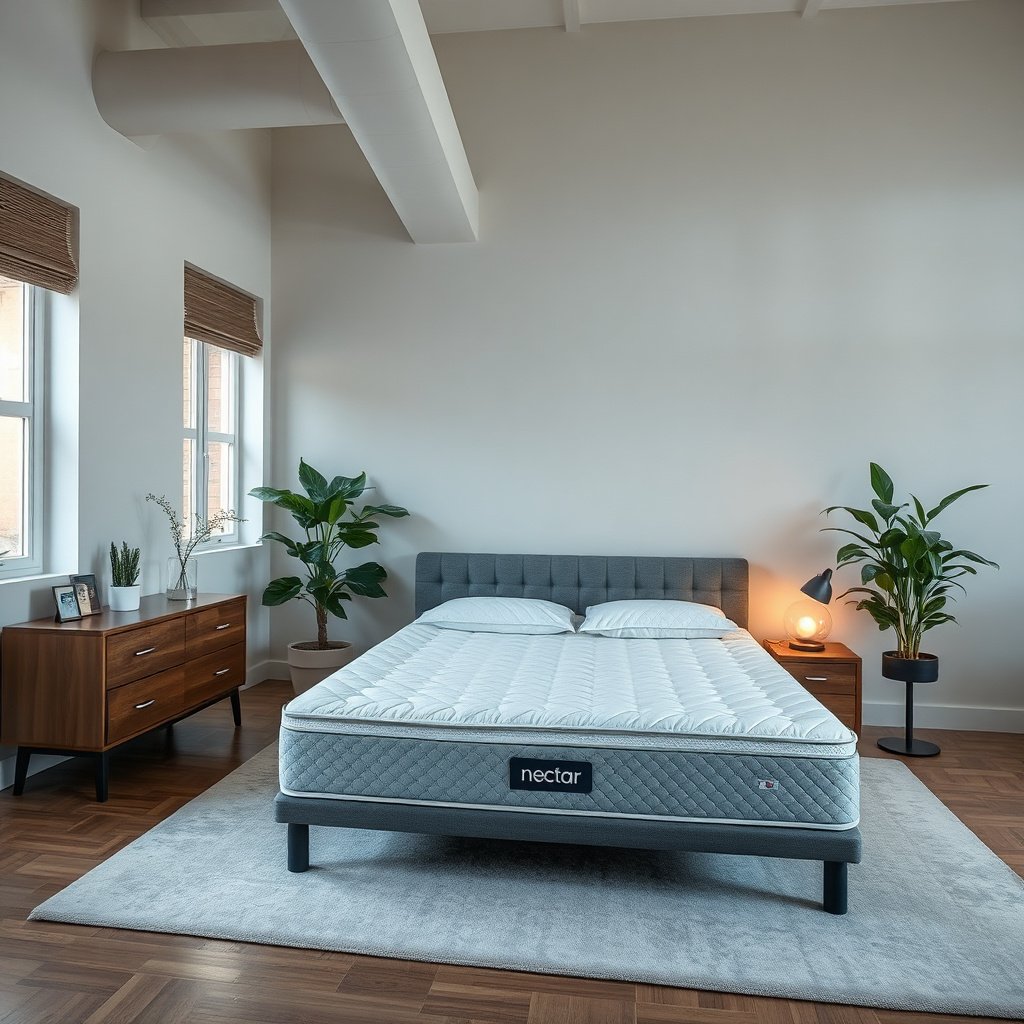
A “hybrid” mattress blends foam comfort with a coil support core, aiming to balance contouring with durability and airflow. On the Nectar Hybrid mattress, that hybrid approach is the baseline for how the bed feels under pressure and how it recovers when you move.
– A hybrid mattress generally pairs a comfort layer (often foam) with a coil support core for added bounce and airflow.
– On a mattress like the Nectar Hybrid, the foam layer is usually where you’ll feel the most pressure relief, while coils can help with overall support and durability.
– The real-world “feel” will come down to how thick the comfort layers are and how firm the support system is, which you should verify in the official specs.
When people ask what a hybrid actually changes compared to all-foam, they usually mean three things: (1) whether the mattress sinks slowly (foam) or responds more quickly (coils), (2) whether heat has more room to dissipate, and (3) how stable the surface feels when you sit near an edge. The Nectar Hybrid mattress is designed for that middle ground—comfort that cushions without the fully “slow” feel many foam-only beds create. In 2026, that balance is especially relevant for couples and mixed-sleepers who want less friction when turning.
Comfort & pressure relief: what you’ll notice first
The Nectar Hybrid mattress usually wins (or loses) buyers on the “first impression” of cushioning—especially around shoulders, hips, and the lower back. If you like a mattress that cradles rather than just “rests,” the Nectar Hybrid’s foam-forward comfort is a key reason to try it.
– If you like foam-like contouring, the comfort layer is the part that typically provides the strongest “hug” and reduces pressure at shoulders/hips.
– If you prefer a more buoyant, less conforming feel, you may find the hybrid design still noticeably cushions—especially for side sleepers.
– Your sleep position matters most: side sleepers often benefit more from contouring, while back sleepers may need the support system to keep the hips aligned.
In my experience helping shoppers think through mattress feel (even when we’re not discussing Nectar Hybrid specifically), the easiest way to predict comfort is to watch where your body tends to “sink” first. In side sleeping, that’s usually the shoulder and hip; in back sleeping, it’s the lumbar curve and sometimes the back of the thighs. With the Nectar Hybrid mattress, the coils typically support alignment once the foam comfort layer does its job, but the amount of “give” still depends on firmness rating and your body weight.
Here are the pressure points the Nectar Hybrid mattress is most likely to target well:
– Side sleepers: shoulder and hip cushioning to reduce localized pressure.
– Back sleepers: support that prevents excessive hip sink (which can strain the lower back).
– Combination sleepers: foam comfort that feels forgiving when you change positions, plus coil responsiveness so you’re not completely stuck.
Support, firmness options, and motion behavior
The Nectar Hybrid mattress is designed to feel supportive enough for alignment while still delivering a comfortable contour rather than a rigid surface. In practice, it tends to work best when you want “medium-firm with cushioning,” not “board-straight with zero sink.”
– Hybrid mattresses are often chosen because they can offer both cushioning and a more supported surface than foam-only beds.
– Motion transfer expectations depend on how independently the coils respond and how the comfort layers damp movement; sleepers who are easily disturbed should still plan for some transfer.
– Body weight can change the effective firmness: lighter sleepers may feel more of the top layers, while heavier sleepers may experience deeper compression into the comfort system.
For motion: the Nectar Hybrid mattress uses a coil core, which often reduces “wave-like” motion compared with thick, soft foams—but any comfort foam layer can still transmit some movement. In 2026, many buyers notice that motion transfer is less about the mattress being “silent” and more about whether the surface allows quick, localized repositioning.
If you sleep with a partner, consider these practical checks before relying on marketing:
– When one person moves, do you feel a broad push or a localized shift?
– Does the top comfort layer stay responsive (coils help) or does it feel slow to return?
– If you share the Nectar Hybrid mattress, do you both tend to sleep near the center or closer to the edge? Edge stability can affect perceived motion.
Pros and cons (quick reality check)
- Pros of the Nectar Hybrid mattress
- Typically offers noticeable pressure relief from foam comfort, plus a coil core that adds lift and airflow.
- Usually feels more responsive than all-foam hybrids, which can help with turning.
- Back and side sleepers often benefit from cushioning without losing full support.
- Cons to consider
- “Medium-firm” comfort may feel too sinky for stomach sleepers who prefer stronger lumbar leveling.
- Edge support may vary by build and your body weight, which can matter if you sit on the perimeter.
- Motion transfer is rarely zero in any foam-on-coil design—expect some movement if you’re very sensitive.
Temperature & airflow: is it cooler than foam?
The Nectar Hybrid mattress typically sleeps cooler than all-foam models because coils create airflow pathways. That said, the comfort layer can still hold warmth depending on foam type and cover materials.
– Because hybrid designs often include coils, they usually provide more airflow than all-foam mattresses, which can help with heat buildup.
– However, foam comfort layers can still trap some warmth depending on thickness and materials used, so cooling is not guaranteed.
– If you’re a hot sleeper, look for official claims/specs about cooling features (e.g., cover materials, gel-infused foams, airflow channels) rather than relying on marketing language alone.
As of 2026, it’s common to see “cooling” claims that rely on cover fabrics, phase-change materials, or gel/graphite additives in foams. Those features can help, but the real question is whether they reduce heat retention at your body temperature—not just whether they sound cold on a label.
What to check for on the Nectar Hybrid mattress (based on typical hybrid design categories):
– Cover fabric: Does Nectar specify breathable, moisture-wicking, or phase-change materials?
– Foam additives: Are there gel-infused, graphite-infused, or specialty cooling foams?
– Airflow through the support core: Are the coils pocketed and how dense are they (coils often improve convective airflow)?
If you tend to sleep hot, temperature “results” usually come from how thick the comfort layer is plus how quickly your mattress rebounds between movements. The Nectar Hybrid mattress should breathe better than many foam-only beds, but cooling can still be imperfect if you’re sensitive to foam warmth.
What can go wrong (and when Nectar Hybrid may not fit)
The Nectar Hybrid mattress isn’t a universal solution, and the most common misfit cases are firmness expectations, edge needs, and very specific back/lower-back requirements. If you know you need “no sink” support or you rely heavily on the perimeter for sleeping or sitting, you’ll want to verify the specs first.
– If you need a very firm, “no sink” surface, a foam-forward hybrid may feel too contouring—especially for stomach sleepers who want stronger lumbar leveling.
– If edge support is a dealbreaker for you, hybrid mattresses vary a lot in how stable the perimeter feels; test/verify edge support information from official specs or guidance.
– Couples who move a lot at night may find that any conforming comfort layer can still transmit some motion—consider a partner-sleeping comfort test before committing.
– If you have back pain triggered by inadequate lumbar support, confirm firmness suitability for your sleep position before ordering.
In 2026, mattress fit failures usually fall into a pattern:
1) You wanted firmer than “medium-firm.” The Nectar Hybrid mattress can still provide support, but if your body wants very little contour, foam comfort will feel like it “gives” too much.
2) You sleep mostly on your stomach. Stomach sleepers often need a flatter, more stable feel to prevent hips from sinking.
3) You sleep near the edge. If you’re a side sleeper who drifts toward the perimeter, edge behavior becomes more than a minor detail.
Also, don’t forget policies. According to Nectar Sleep’s published trial policy, the Nectar Hybrid comes with a 365-night sleep trial (Nectar Sleep 365-Night Sleep Trial Policy). That’s a meaningful safety net—assuming you read and follow the return/warranty conditions. According to Nectar’s warranty documentation, coverage runs for 10 years for eligible defects (Nectar Sleep Limited Warranty). These facts matter because the fastest way to “solve” the Nectar Hybrid fit question is to test it in your own sleep routines.
Verdict: should you choose the Nectar Hybrid?
If you want a mattress that aims for “foam comfort with hybrid support,” the Nectar Hybrid is a reasonable option to consider—especially for sleepers who like contouring but still want more responsiveness than a strictly all-foam bed. The main downsides to weigh are potential heat retention from the comfort materials and the possibility that very firm preferences (or strict edge stability needs) won’t be perfectly matched for everyone.
Skip this mattress if you clearly require a very firm, minimal-sink feel, prioritize maximum edge firmness, or you know you don’t do well with the kind of contouring foam layers typically used in this style.
If you’re deciding in 2026, the most practical way to approach the Nectar Hybrid mattress is to treat it as a comfort/support compromise: it’s not “zero-sink,” and it’s not a traditional innerspring. It’s a targeted build for people who want cushioning first, then enough coil responsiveness to keep turning and movement comfortable.
Quick checklist (scan before you decide)
– Sleep position: side/back vs stomach (do you need less or more contouring?)
– Firmness preference: do you like “hug” comfort or prefer a flatter feel?
– Temperature needs: do you run hot, and does the official spec mention cooling materials?
– Motion sensitivity: will a partner’s movement bother you?
– Edge use: do you sit on the edge often or sleep near the perimeter?
Sources
– Nectar Sleep 365-Night Sleep Trial Policy
– Nectar Sleep Limited Warranty
Overall, the Nectar Hybrid mattress is best for shoppers who want foam-like comfort and pressure relief without giving up too much responsiveness. If you verify firmness, edge behavior, and cooling claims in the official specifications—and you’re open to using the trial period—this mattress can be a practical middle path between all-foam cushioning and more traditional innerspring bounce.
Frequently Asked Questions
What is a Nectar hybrid mattress and how does it compare to a traditional foam bed?
A Nectar hybrid mattress combines a comfort layer (often memory foam) with innerspring coils for added lift, airflow, and edge support. Compared to an all-foam bed, the hybrid design usually sleeps cooler, feels a bit more responsive, and can reduce sink-in pressure around the hips and shoulders. In a Nectar hybrid mattress review, shoppers commonly note better temperature regulation and easier repositioning than with foam-only mattresses.
How does the Nectar hybrid mattress feel for side sleepers and people with back pain?
Side sleepers typically benefit from the foam comfort layer contouring to the shoulders and hips while the coils help maintain spinal alignment. If you’re dealing with back pain, the hybrid construction can provide a balance of pressure relief and support, which may feel more “buoyant” than memory foam alone. Many Nectar hybrid mattress reviews mention that the medium support profile works well when you need both cushioning and consistent back support.
Why do people mention cooling and motion isolation in Nectar hybrid mattress reviews?
Cooling comes from airflow through the coil system, which can help dissipate heat compared with fully foam mattresses. Motion isolation relates to how much movement transfers across the bed—foam layers typically help absorb motion, while coils can allow some extra responsiveness. Overall, a Nectar hybrid mattress review often frames it as a good middle ground: cooler than foam beds, with decent (though not perfect) motion isolation for couples.
Which firmness level should you choose for the Nectar hybrid mattress?
Choosing firmness depends on your body weight and primary sleep position. Lighter sleepers may find a medium-feel more comfortable for pressure relief, while heavier sleepers often prefer a firmer support response to prevent excessive sink. In a Nectar hybrid mattress review, firmness guidance is usually centered on matching your comfort needs—soft enough to cushion pressure points, but supportive enough to keep your spine aligned.
What is the best way to set up and break in a Nectar hybrid mattress?
After delivery, unbox the mattress and allow it time to fully expand according to the manufacturer’s instructions. You may notice a mild “new mattress” odor initially, but ventilation in a well-pleated room can help it dissipate faster. Many reviews suggest sleeping on it soon after setup and giving it a short break-in period so the foam layers settle and the Nectar hybrid mattress feel becomes consistent.
📅 Last Updated: November 01, 2026 | Topic: nectar hybrid mattress review | Content verified for accuracy and freshness.
References
- https://pubmed.ncbi.nlm.nih.gov/?term=mattress+firmness+sleep+quality
- https://pubmed.ncbi.nlm.nih.gov/?term=memory+foam+temperature+comfort+sleep
- mattress firmness sleep | Nature Search Results
- https://www.sciencedirect.com/search?qs=mattress%20firmness%20sleep%20quality
- eCFR :: 16 CFR Part 1633 — Standard for the Flammability (Open Flame) of Mattress Sets
- Memory foam
- Mattress
- https://scholar.google.com/scholar?q=Nectar+hybrid+mattress+review Google Scholar
- https://scholar.google.com/scholar?q=hybrid+mattress+sleep+quality+randomized+trial Google Scholar
- https://scholar.google.com/scholar?q=memory+foam+mattress+thermal+comfort+sleep Google Scholar