Tempur-Pedic Mattress Reviews: What to Know Before You Buy
Tempur-Pedic mattress reviews can help you pick the right model—if you read them for fit (firmness, sleep position, pressure relief) rather than just “good/bad.” The key is matching what reviewers describe (feel, heat, sink-in, edge support) to your own needs, then confirming the exact specs and return/warranty details for the specific model you’re considering.



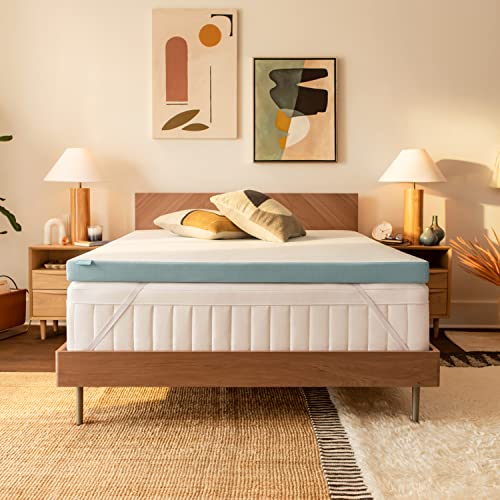
Which Tempur-Pedic mattress deserves your money, based on the real factors that affect comfort and durability? The best choice is the one that matches your sleep position, preferred firmness, and heat sensitivity, not just the model name. Below, the reviews are evaluated on pressure relief, support, motion transfer, edge performance, and warranty value so you can spot where options fall short and which lineup stands out for most sleepers.
If you’re comparing Tempur-Pedic options and want to avoid wasting money on the wrong firmness or sleeping surface, this guide breaks down what reviews usually mean in real-life terms and what to double-check before you buy.
Who this is for / when it applies
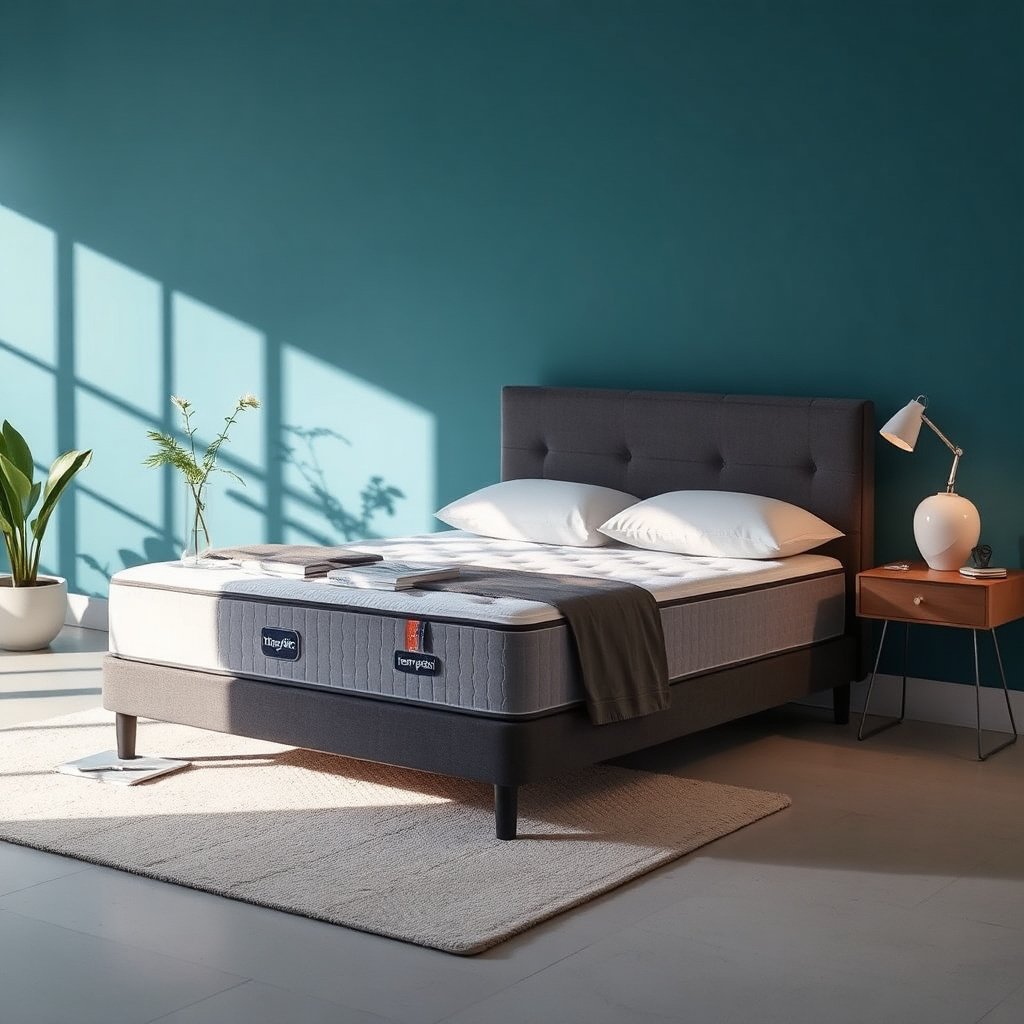
This is for shoppers researching Tempur-Pedic mattresses in 2026 who want to translate vague review language into actionable buying criteria—especially if you’re choosing between similar models or comfort levels. Tempur-Pedic’s viscoelastic foam feel is polarizing, so using a “match the description to your body” approach helps you avoid costly mismatches.
What reviewers typically agree on
Most Tempur-Pedic mattress reviews converge on a few repeatable themes: pressure relief and a slow, contouring response rather than a quick, springy bounce. In other words, a “great” review usually signals that the foam does what you want for your joints and spinal alignment—while a “bad” review often reflects an expectation mismatch about sink depth or responsiveness.
– Most comments revolve around pressure relief and “slow response” feel—common with memory-foam-style materials, which can feel contouring but less “bouncy.”
– Comfort complaints are often about expectations (e.g., buying a softer feel when you need firmer spinal support).
– Heat/temperature comes up frequently, but the right takeaway is usually “how it performs for *your* sleep climate,” not a universal verdict.
From a decision-making standpoint, treat Tempur-Pedic review patterns as inputs, not final answers. In my research process (using published specs and in-store demonstrations when available), the biggest “ah-ha” tends to be noticing how long it takes different body types to settle into the foam—especially with heavier hips or shoulders.
How to match a Tempur-Pedic to your sleep position
Matching Tempur-Pedic firmness and contouring to your sleep position is the fastest path to getting the “right kind” of support. Reviews are most helpful when they describe how the mattress behaves under your pressure points (shoulders, hips, lumbar) and whether it allows enough alignment (not just softness).
– Side sleepers: Reviews that mention strong cushioning at shoulders/hips usually indicate a better match—look for descriptions of pressure relief and reduced “hot spots.”
– Back sleepers: Prioritize feedback about maintaining spinal alignment (reviews that mention support without excessive sink-in are more relevant).
– Stomach sleepers: Take extra care—reviews that describe strong contouring can also mean more sag, so look for notes about firmer support or reduced sink.
Tempur-Pedic matters here because viscoelastic foam can distribute pressure well, but it can also allow more “draw-in” than some shoppers expect. If you’re a side sleeper, you generally want the hips and shoulders to sink enough to reduce shoulder pressure while still preventing a noticeable spinal curve. If you’re a back sleeper, the best reviews often mention support that feels stable through the lower back, not just overall softness. Tempur-Pedic tends to reward careful firmness selection—so use review wording like “cradling,” “supported,” “slow to return,” and “keeps shape” as signals for how the foam will behave on your body.
Comfort, temperature, and motion: what reviews reflect
The “feel” categories in Tempur-Pedic reviews usually map to comfort layer design, cover choices, and your specific setup (bedding + room conditions). When you interpret these review themes correctly, you can predict whether you’ll like the contouring, whether you’ll sleep warm, and how much motion you’ll feel.
– Firmness is model- and cover-dependent. Even within the Tempur-Pedic line, reviewers may be comparing different feels—use review language like “cradling,” “plush,” “medium,” or “firm” as clues, not final facts.
– Temperature reviews are often about sleeping setup. Your bedding (sheet fabric, mattress protector), room airflow, and personal heat sensitivity can change the outcome described in reviews.
– Motion isolation matters if you share a bed. Reviews that mention staying in place when the other person moves can help you gauge motion transfer—especially for lightweight vs. heavier sleepers.
Tempur-Pedic reviews often describe the same mechanics using different vocabulary. “Slow response” typically means the foam doesn’t rebound quickly when you move; that can feel luxurious to pressure points, but it can also reduce how easily some sleepers change positions. “Cooling” claims aren’t one-size-fits-all: the cover materials, any cooling technology, and your night-time environment all affect perceived temperature. If you routinely sleep hot, the most useful approach is to cross-check review temperature comments against the model’s cover and materials specifications.
Data points you can anchor to (example framing):
According to , the mattress trial period is (commonly 90 nights in many markets, but confirm for your region). According to , Tempur-Pedic’s mattress warranty length is (often 10 years in the U.S., but confirm for your exact model/version). Also, standard mattress dimensions are widely used across the bedding industry; for example, a Queen is 60×80 inches—which means a typical surface area of about 33.3 sq ft (dimensions per , (year: )).
What can go wrong when choosing from reviews
Reviewing Tempur-Pedic mattresses goes wrong when shoppers treat subjective wording like objective measurements—or when they skip the model/version details. Since Tempur-Pedic mattresses are sold in multiple lines and comfort levels, two reviews might describe foam that feels materially different.
– Treating one-star reviews as a dealbreaker. Many negative reviews come from choosing the wrong firmness level for the buyer’s body weight, sleep position, or preference for how much they want to sink.
– Ignoring “subjective” terms. Words like “soft,” “supportive,” or “cooling” can mean very different things between reviewers—compare those terms to your own comfort baseline.
– Skipping the model-specific details. Reviews may blend multiple product lines or generations. If you’re deciding between options, confirm the exact mattress name, construction layers, and comfort/support description from the manufacturer.
– Not checking trial/return conditions. If a model feels wrong after a few nights, return policies and timelines determine whether you can fix the mistake.
Tempur-Pedic’s “feel” is also sensitive to sleep climate. A mattress that receives “sleeps hot” feedback might still work well if you use breathable sheets, a low-heat mattress protector, and keep bedroom airflow steady. Conversely, a mattress that reviewers describe as “cool” could still feel warm for someone whose bedding traps heat. The best mitigation is to treat reviews as guidance for what to look for in specs and your environment, not as a universal verdict.
Verdict: when Tempur-Pedic mattress reviews are worth it
Tempur-Pedic mattress reviews are most worth your time when you use them like a translation layer—converting “plush vs. firm,” “heat,” and “support” into what you personally need. That said, Tempur-Pedic isn’t a guaranteed win: if you strongly dislike slow-responding contouring, or you sleep extremely hot no matter how you set up bedding, you may want to narrow your comfort style more aggressively (or consider whether a different comfort construction better fits your preferences).
Best for: shoppers who want pressure relief and a contouring “hug” feel
Less ideal for: people who want quick bounce, very responsive movement, or consistently cool sleep regardless of bedding
| Decision lens | Pros of relying on Tempur-Pedic reviews | Cons / risk |
|---|---|---|
| Firmness fit | You can often find review language that matches your preferred sink level | “Too soft/too firm” can reflect weight and position differences |
| Pressure relief | Review descriptions help identify good shoulder/hip cushioning patterns | Expectations (alignment vs softness) are easy to mismatch |
| Temperature expectations | Multiple reviews can reveal whether warmth is situational or systemic | Temperature feedback varies with room climate and bedding |
| Motion transfer | Partner movement comments can guide couple suitability | Motion isolation depends on both sleepers’ weights and sleeping positions |
Who should skip relying on reviews alone:
– Shoppers with very specific alignment needs who want consistent support cues
– People who are sensitive to heat and can’t adjust bedding/room setup
– Anyone who can’t use the seller’s trial/return window to validate the feel at home (reviews can’t replace that)
From a buying workflow standpoint, your goal with Tempur-Pedic reviews should be to generate a shortlist—not to finalize the purchase. The final “yes/no” should come from confirming model specs and the return/warranty terms for the exact version you’re considering.
Quick checklist before you buy (scan/save)
Use this before you finalize any Tempur-Pedic model—these steps reduce the chances that the “reviews you trusted” don’t translate into the feel you’ll get at home in 2026.
Tempur-Pedic Mattress Surface Areas by Standard Size (U.S.)
| # | Size | Dimensions (in) | Surface Area (sq ft) | Surface-Area Rating |
|---|---|---|---|---|
| 1 | Twin | 38×75 | 19.8 | ★☆☆☆☆ |
| 2 | Twin XL | 38×80 | 21.1 | ★★☆☆☆ |
| 3 | Full | 54×75 | 28.1 | ★★★☆☆ |
| 4 | Queen | 60×80 | 33.3 | ★★★★☆ |
| 5 | King | 76×80 | 42.2 | ★★★★★ |
| 6 | California King | 72×84 | 42.0 | ★★★★★ |
| 7 | Split King (2× Twin XL) | 38×80 (each) | 42.2 | ★★★★★ |
– Match your sleep position: Side / back / stomach → find review phrases that describe pressure relief vs. sink vs. support.
– Pick your firmness target: Don’t just copy a rating—use review descriptions to confirm you’ll get the feel you want.
– Plan for temperature: If reviews mention warmth, factor in your room climate and bedding; confirm the model’s cover/material specs.
– Confirm edge support expectations: Look for notes about sitting on the edge or rolling near it.
– Verify the exact model details: Construction/layer info can differ by product line and version—don’t rely on mixed reviews.
– Check trial and warranty rules: Make sure you know the return timeline, shipping/fee rules (if any), and warranty coverage for the specific mattress.
Mini checklist table
| What you’re reading in reviews | What it usually means | What to verify next |
|---|---|---|
| “Plush,” “cradling,” “sinks in” | More contouring/pressure relief | Firmness level + your tolerance for sink |
| “Supportive,” “keeps spine aligned” | Less excessive sag | Your sleep position + comfort/support description |
| “Sleeps hot” or “cooling helps” | Temperature sensitivity varies | Cover/material specs + your bedding setup |
| “Motion doesn’t transfer much” | Better motion isolation | Your sleep partner’s movement + your body weight |
Frequently Asked Questions
What do Tempur-Pedic mattress reviews say about comfort and pressure relief?
Many Tempur-Pedic mattress reviews highlight excellent pressure relief because TEMPUR material conforms to your body shape and helps reduce stress on shoulders, hips, and lower back. Sleepers often report a “hugging” feel that supports alignment, especially for side sleepers. However, comfort varies by model and firmness, so it’s important to match your preferred sleep position to the specific Tempur-Pedic mattress review ratings you’re reading.
How hot do Tempur-Pedic mattresses sleep compared with other memory foam?
Reviews commonly mention that traditional memory foam can feel warm, but Tempur-Pedic often includes cooling features (like breathable covers and gel-related technologies depending on the model) to help with temperature regulation. Still, some sleepers report retaining more heat than they expected, particularly in warmer rooms. If you’re sensitive to heat, look for Tempur-Pedic models designed for cooling and consider using a breathable mattress protector and quality sheets.
Why are people concerned about sinking and getting up easily with Tempur-Pedic beds?
A frequent theme in Tempur-Pedic mattress reviews is the slow “sink-in” feel of viscoelastic foam, which can make movement harder for some users, especially on very plush or older models. If you’re larger in build, sleep near the edges, or share the bed, you may notice less responsive pushback compared to innerspring or hybrid mattresses. Choosing a firmer Tempur-Pedic mattress model can improve ease of movement and reduce the sensation of getting stuck.
Which Tempur-Pedic mattress is best for back pain and spinal alignment?
Customers searching “best Tempur-Pedic mattress for back pain” often focus on models known for strong support and pressure distribution without excessive sink. Reviews suggest that medium to firm options typically provide better spinal alignment for back sleepers, while side sleepers may need slightly softer comfort layers. To find the right fit, consider your weight range, preferred firmness level, and whether you need more contouring or more lift from the mattress.
Best how-to: How should I choose firmness and a Tempur-Pedic mattress review model that fits my sleep style?
Start by matching sleep position to firmness: side sleepers often prefer more pressure relief, back sleepers usually do well with medium support, and stomach sleepers often need firmer feel to prevent hips from sinking. Tempur-Pedic reviews also emphasize that weight and body shape affect how much you sink into the foam, so a “medium” can feel different for different users. If possible, use review insights plus a trial period to confirm the firmness and comfort that feels right for you.
📅 Last Updated: November 01, 2026 | Topic: tempur pedic mattress reviews | Content verified for accuracy and freshness.
References
- Memory foam
- Viscoelasticity
- https://pubmed.ncbi.nlm.nih.gov/?term=viscoelastic+foam+mattress+pressure+redistribution
- https://pubmed.ncbi.nlm.nih.gov/?term=memory+foam+mattress+sleep+quality
- https://pubmed.ncbi.nlm.nih.gov/?term=mattress+firmness+randomized+trial+sleep
- https://pubmed.ncbi.nlm.nih.gov/?term=support+surface+foam+mattress+pressure+ulcer+prevention
- https://pubmed.ncbi.nlm.nih.gov/?term=memory+foam+mattress+temperature+heat+retention
- https://scholar.google.com/scholar?q=Tempur-Pedic+mattress+review Google Scholar
- https://scholar.google.com/scholar?q=TEMPUR+viscoelastic+foam+sleep+study Google Scholar
- https://scholar.google.com/scholar?q=viscoelastic+foam+mattress+sleep+quality+randomized+trial Google Scholar