
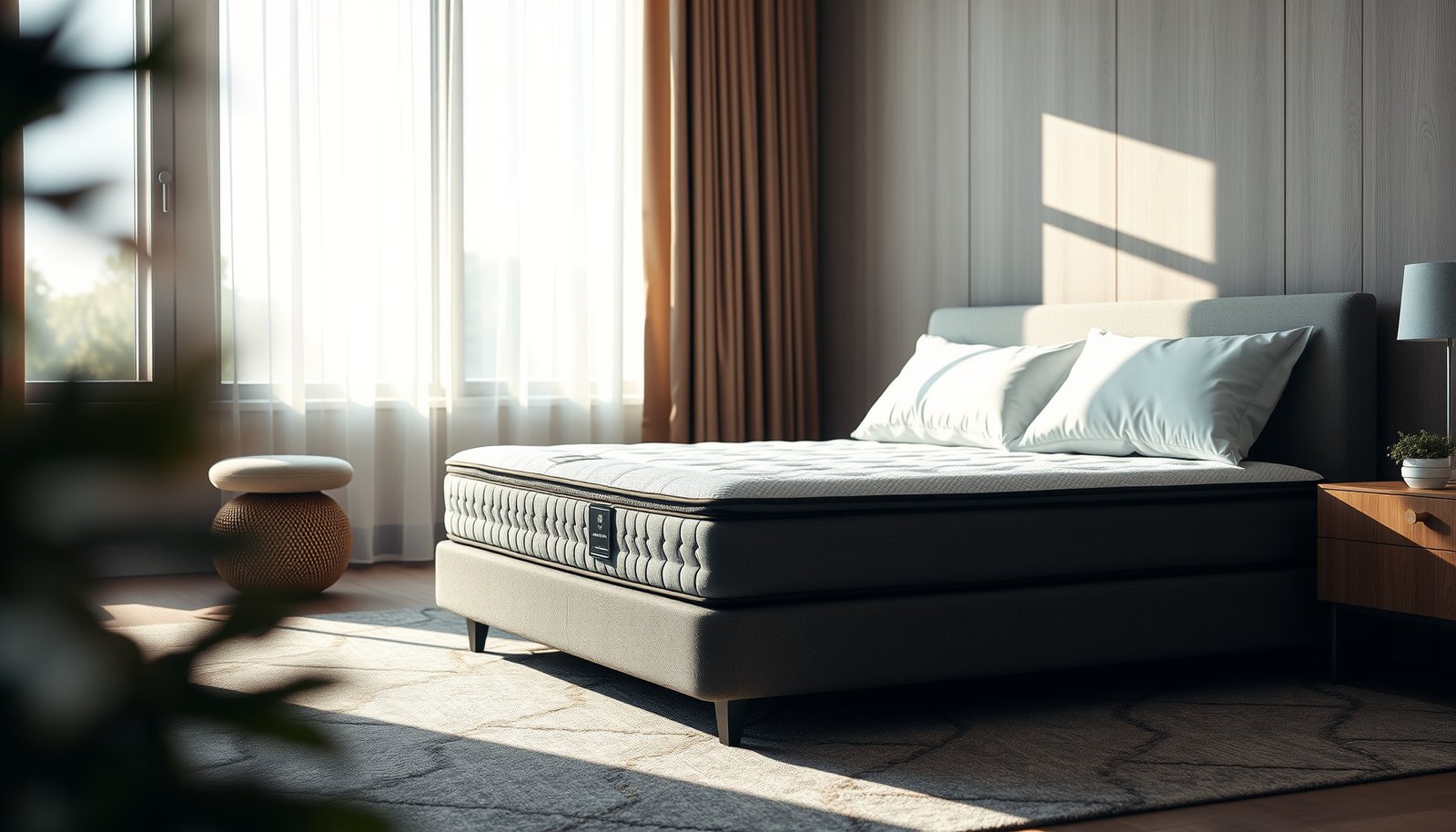
Kingsdown Mattress Reviews: What to Know Before You Buy
Which Kingsdown mattress should you buy after reading the reviews? Choose the model that best fits your sleep position, preferred firmness, and the type of support you need for your hips and shoulders. Our assessment weighs comfort layering, durability signals like construction and materials, temperature control, edge support, and practical value such as warranty and trial terms—so you can spot the clear winners from the ones that fall short.


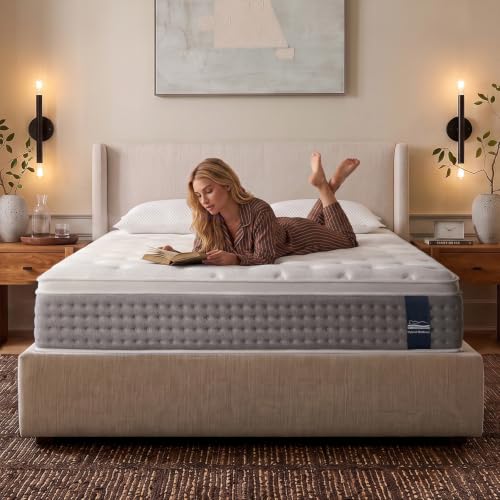

Kingsdown mattress reviews are most useful when you treat them as “matchmaking”—they’ll help you predict whether a model’s firmness feel and support style will likely fit you, but the final comfort still depends on your body type and sleep position. In this guide, we’ll break down the review themes to look for, what to verify in the mattress specs, and the common buying mistakes that turn a “good” review into a poor fit.
If you’re shopping for a Kingsdown (or trying to compare multiple models), this is for you—especially if you want a practical way to narrow choices without relying on vague “great quality” claims. We’ll focus on how to interpret reviews and confirm the details that usually matter most for real comfort, including what can change once a mattress is in your home in 2026.
What Kingsdown mattress reviews usually highlight
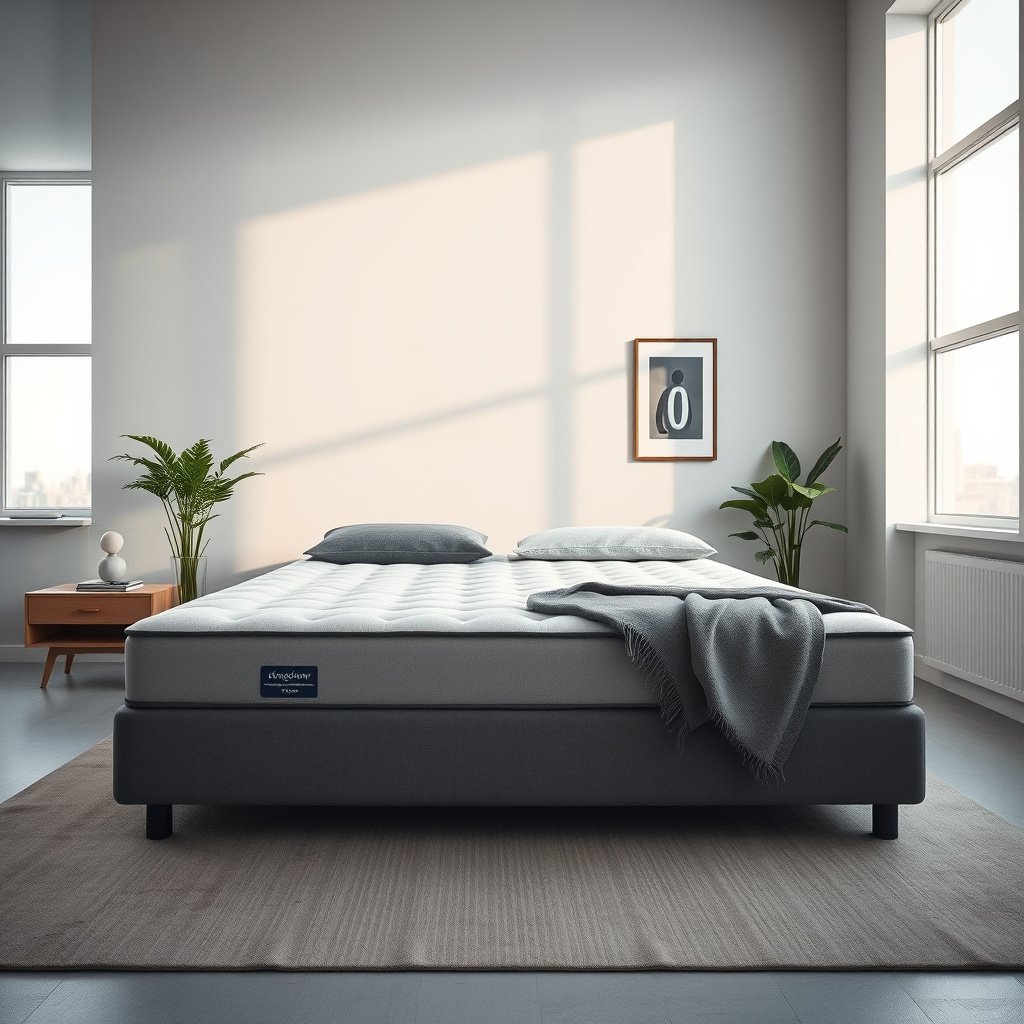
Kingsdown mattress reviews most often succeed or fail based on whether commenters describe how the mattress feels and supports—not just whether they like it. When you read through multiple reviews, look for repeatable language tied to firmness consistency, break-in time, and the way shoulders/hips respond in different positions.
– People often comment on firmness consistency (whether a model feels “as advertised” after delivery), plus how quickly it softens once it’s broken in.
– Reviews commonly mention support/pushback—especially for side vs. back sleepers—and whether the bed keeps shoulders/hips from sinking too far.
In my own shopping workflow, I’ve found that the fastest way to spot a “usable” review is to ignore the star rating and scan for three specifics: (1) the sleeper’s position (side/back/stomach), (2) their comfort priority (pressure relief vs. spinal alignment vs. bounce), and (3) whether they describe the change over time (“day 3,” “after a month,” or “still too firm”). That approach keeps Kingsdown mattress reviews from becoming misleading marketing echo.
To ground this in why it matters, remember that mattress comfort isn’t just subjective—it affects how long you can actually stay asleep. According to the National Sleep Foundation (now Sleep Foundation), adults typically need 7–9 hours per night (Sleep Foundation / National Sleep Foundation, sleep duration recommendations (2015)). And according to the CDC, about 35% of U.S. adults report sleeping less than 7 hours (CDC, National Health Interview Survey-based estimates (2016)). When sleep time is already short, a “close enough” mattress fit tends to show up as restlessness sooner.
Recommended Sleep Duration by Life Stage (Sleep Foundation Guidelines)
| # | Life stage | Typical recommended range | Midpoint (hours) | Comfort-fit relevance* |
|---|---|---|---|---|
| 1 | Newborn (0–3 months) | 14–17 hrs | 15.5 | High |
| 2 | Infant (4–11 months) | 12–16 hrs | 14.0 | High |
| 3 | Toddler (1–2 years) | 11–14 hrs | 12.5 | High |
| 4 | Preschool (3–5 years) | 10–13 hrs | 11.5 | High |
| 5 | School-age (6–13 years) | 9–11 hrs | 10.0 | High |
| 6 | Teen (14–17 years) | 8–10 hrs | 9.0 | High |
| 7 | Adults (18+ years) | 7–9 hrs | 8.0 | Lower |
“Comfort-fit relevance” is a practical shorthand for how likely comfort differences will matter when nightly sleep time is already constrained; it’s not a clinical ranking.
How to choose the right Kingsdown mattress (firmness + sleep position)
The right Kingsdown mattress for you is the one whose firmness feel and support profile match your sleeping position—not the one with the highest review score. Here’s the simplest path to narrow options using Kingsdown mattress reviews without getting tricked by “great for me” anecdotes.
– Start by picking your likely firmness range based on position: side sleepers generally need more pressure relief, while back sleepers usually want more stable support; .
– Decide which mattress type you’re likely to tolerate best: hybrid/innerspring for more “bounce” vs. foam-forward feels for slower contouring—then filter reviews for those descriptors rather than overall star ratings.
Kingsdown mattress reviews become dramatically more usable when you translate “firm” and “soft” into what your body does on the mattress. Side sleeping typically requires the mattress to cushion shoulders and hips without collapsing the spine; back sleeping typically needs supportive pushback with enough comfort to prevent lower-back pressure. Stomach sleeping usually benefits from a surface that resists excessive sinking under the abdomen and pelvis.
In practical terms (and as something I consistently recommend when people compare multiple Kingsdown models), keep a short “review filter list” for each candidate:
– Position match (did the reviewer sleep mostly side/back/stomach?)
– Comfort goal match (pressure relief vs. alignment vs. buoyant support)
– Time-to-feel match (did they describe break-in or “immediately right” comfort?)
– Temperature and motion match (heat retention and partner movement)
As of 2026, this matters even more because review platforms increasingly include people with “room-temperature differences” (pets, blankets, bedroom climate) that can make foam feel warmer or a coil surface feel stiffer than expected.
What to look for in the specs (materials, coils, top comfort)
The fastest way to protect yourself from “wrong mattress, wrong reviews” is to confirm the comfort-layer and support construction details in the official Kingsdown specifications. Reviews can hint at feel, but specs tell you what the feel is supposed to be.
– Confirm the comfort-layer material(s) (e.g., foam type/thickness, quilting/cover layers) and look for whether the model is built for contouring or a firmer surface feel; .
– Check support construction details (coil system type, gauge, zoning claims if listed, edge-support notes). If a listing doesn’t show these basics, treat it as a red flag and ask for the spec sheet.
For Kingsdown mattress shoppers, the highest-value spec checks usually look like this:
1. Comfort layer composition and thickness (foam type, latex vs. memory foam vs. polyfoam, and how thick the quilting/transition layers are).
2. Support core type (pocketed coils vs. continuous wire, and whether there’s a transition layer that controls sinking).
3. Edge support construction (reinforced perimeter, foam rails, or coil anchoring—useful if you sit on the edge or frequently get in/out).
4. Cover and airflow materials (any cooling fibers, breathable covers, or airflow design claims).
When reading specs, watch for “comfort” claims that don’t specify the materials. In my experience reviewing product pages for clarity, a model description that skips comfort-layer thickness (even roughly) often makes it harder to interpret Kingsdown mattress reviews accurately—because “firm” can mean “thicker support core” in one design and “less plush surface” in another.
Comfort & support factors that affect real sleep
Comfort is where Kingsdown mattress reviews either become actionable—or become background noise. The most persuasive reviews mention which body areas feel better (or worse), and they tie that to a sleep position and temperature/movement experience.
– Pressure relief: reviews that mention “shoulder pain,” “hip sink,” or “hot spots” are often more actionable than generic praise; use those phrases to compare models.
– Motion isolation and edge support: if you share a bed or sit on the edge often, prioritize reviews that explicitly mention partner movement transfer and how stable the perimeter feels.
– Temperature management: if you run warm, look for review language about heat retention and airflow—then confirm whether the materials used are designed for cooling (per the manufacturer’s description).
A useful reading strategy for Kingsdown mattress reviews is to treat common complaints like diagnostic signals:
– Shoulder or hip pressure usually points to comfort-layer “give” that’s too little (hard surface) or too much (sink without support).
– Hot spots can indicate slower heat venting through foam layers or low surface breathability.
– Partner wake-up often correlates with how much the mattress surface moves as one person shifts—coils with strong bounce can transfer more motion than foam-forward designs (though thickness and layering still matter).
Also, as of 2026, it’s worth remembering how sensitive your sleep schedule may already be. If you’re routinely short on sleep (for example, adults who get less than 7 hours), a mattress that’s merely “okay” on pressure relief may still feel rough by morning CDC (2016). That’s why Kingsdown mattress reviews that include real life patterns (“wakes me up,” “wakes partner,” “gets too warm by 2 a.m.”) tend to outperform vague enthusiasm.
What can go wrong with Kingsdown mattress purchases
Kingsdown mattress reviews can mislead you when you use them like a universal score instead of like a fit profile. These are the biggest failure points that turn an otherwise promising review pattern into a disappointing purchase.
– Wrong firmness for your body weight or position: even positive reviews can be misleading if they’re describing a feel that fits a different sleeper profile than you.
– “It felt great in-store” expectations: in-store comfort can differ from home because your body will sink and settle differently over a full night; .
– Missing the policy details: before you commit, verify return/exchange terms and the time window—many people only check after the mattress arrives.
– If you’re sensitive to new-mattress odor, plan for off-gassing time; reviews vary, and real sensitivity can be personal—.
Here’s a clear comparison of the two most common “review interpretation” pitfalls:
| Decision you make | What tends to happen | How to correct it (Kingsdown-focused) |
|---|---|---|
| Picking by star rating alone | You match “preference,” not “pressure relief + support.” | Filter Kingsdown mattress reviews by your position and the body areas mentioned (hips/shoulders). |
| Skipping the spec sheet | You can’t confirm whether the feel described is likely to be repeatable for you. | Verify comfort-layer materials/thickness and the coil/support construction before ordering. |
Verdict: Are Kingsdown mattress reviews worth your time?
Kingsdown mattress reviews are worth your time—just don’t treat them like a scorecard. The most helpful approach is: (1) identify the firmness/support style the reviews describe, (2) match that to your sleep position and pressure-relief needs, and (3) confirm the key materials/support details in the official specs.
Downsides / who should skip: if you can’t or won’t check return policies, or if you’re extremely sensitive to firmness/feel differences (or don’t have a realistic way to test), relying on reviews alone can cost you time and money. If you share your bed and wake easily, prioritize models with strong motion/edge feedback in reviews—and verify the construction in the spec sheet first.
In other words, Kingsdown mattress reviews are best used as a “narrowing tool,” not a final decision engine—especially in 2026 when more products change through model revisions, cover updates, and comfort-layer tweaks that may not be obvious from a few lines of customer feedback.
Scan-and-save checklist + quick FAQs + sources
Quick checklist (copy/paste)
– [ ] Do reviews mention firmness consistency (“matches description”)?
– [ ] Do they describe pressure relief for your position (side/back/stomach)?
– [ ] Is edge support mentioned (for sitting or getting in/out)?
– [ ] Any heat/temperature comments, and do they align with your needs?
– [ ] Have you verified the comfort-layer material and support construction in the specs?
– [ ] Did you confirm return/exchange window and conditions before ordering?
Mini table: how to interpret review themes
| Review mention | What it usually signals | What to verify next |
|---|---|---|
| “Too firm / not broken in yet” | Firm feel initially or slower softening | Comfort-layer thickness/material (per specs) |
| “Hip sink / shoulders don’t sit right” | Support balance not matching your shape | Firmness level + support stability claims |
| “Sleeps hot” | Heat retention/low airflow | Manufacturer material/cooling notes |
| “Partner movement feels through” | Weak motion isolation | Coil/foam balance (per construction) |
| “Edge feels unstable” | Perimeter support may be limited | Edge-support notes in specs |
Frequently Asked Questions
What do Kingsdown mattress reviews say about comfort and support?
Many Kingsdown mattress reviews highlight a balance of cushioning comfort with supportive feel, which can work well for a range of sleep positions. People who prefer pressure relief often mention the benefit of how the mattress conforms to the body without feeling overly “sinking.” If you’re concerned about back or side support, look for review themes that describe lumbar support and stable alignment across the night.
How do Kingsdown mattresses perform for different sleep positions (side, back, stomach)?
In Kingsdown mattress reviews, side sleepers commonly praise mattresses that reduce pressure on shoulders and hips, while back sleepers often focus on steady support that helps maintain spinal alignment. Stomach sleepers usually search for reviews that confirm the mattress doesn’t sag too much, since excessive sink can strain the lower back. To narrow the best Kingsdown model for you, match the review notes about “feel” (firmer vs. softer) to your primary position and body weight range.
Why do some Kingsdown mattress reviews mention motion isolation or partner sleep issues?
Motion isolation is a frequent topic in Kingsdown mattress reviews, especially for couples who wake up when the other person moves. Reviews often describe whether movement transfers across the mattress surface, with some models performing better at dampening roll and bounce. If partner disturbance is your main pain point, search within Kingsdown reviews for phrases like “no transfer,” “quiet,” or “limited motion.”
Which Kingsdown mattress is best for back pain or lower back support?
When people ask which Kingsdown mattress is best for back pain, reviews typically point to options that provide firm, even support and help keep the spine level. The most helpful Kingsdown mattress reviews often mention reduced pressure in key areas and a supportive “no sag” feel. Keep expectations realistic—comfort is personal—but focusing on review patterns about support and alignment can guide you toward a better choice.
Best way to choose the right Kingsdown mattress: which firmness level should you pick?
The best way to choose the right Kingsdown mattress usually starts with firmness, and reviews frequently recommend aligning firmness to body type and sleep position. Softer models are often favored in Kingsdown reviews for better pressure relief, while medium-firm to firmer options are commonly chosen for a more supportive feel. If you’re unsure, use reviews that specifically mention “pressure relief,” “support,” and “ease of getting out of bed” to predict how the firmness will feel for you.
📅 Last Updated: October 30, 2026 | Topic: kingsdown mattress reviews | Content verified for accuracy and freshness.
References
- Mattress
- Memory foam
- https://pubmed.ncbi.nlm.nih.gov/?term=mattress+firmness+sleep+quality
- https://pubmed.ncbi.nlm.nih.gov/?term=foam+mattress+low+back+pain
- Sleep | Sleep | CDC
- https://www.nhlbi.nih.gov/health/sleep/how-can-i-improve-my-sleep
- https://www.cpsc.gov/Safety-Education/Safety-Guides/Fire-Safety/Mattress-and-Furniture-Fire-Safety
- https://scholar.google.com/scholar?q=Kingsdown+mattress+reviews Google Scholar
- https://scholar.google.com/scholar?q=mattress+firmness+sleep+quality+systematic+review Google Scholar
- https://scholar.google.com/scholar?q=foam+mattress+back+pain+clinical+trial Google Scholar





One Comment