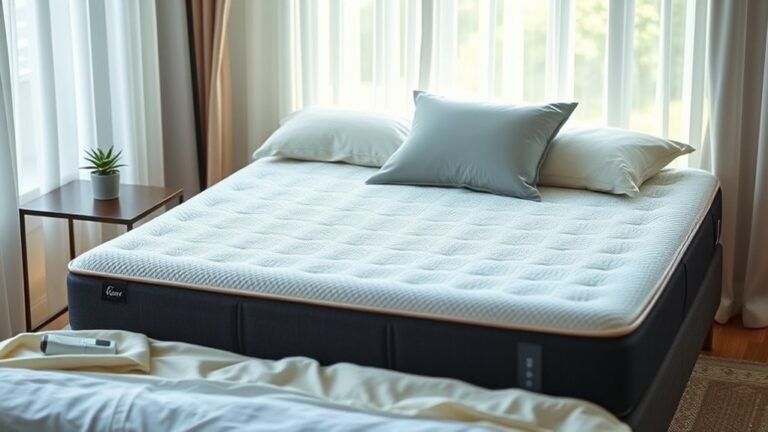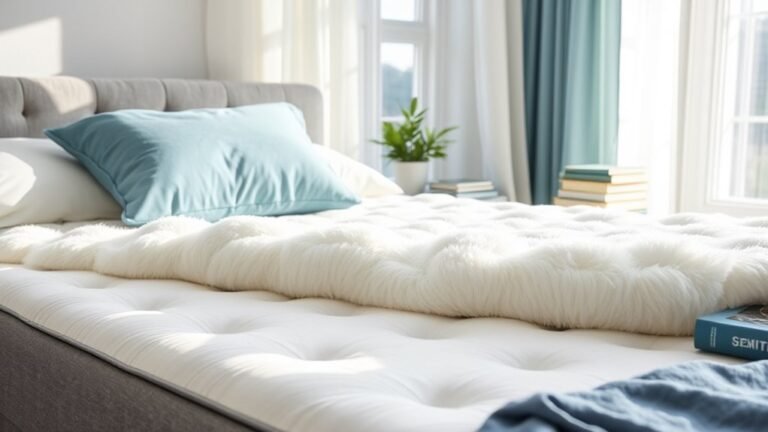
How to Select a Plush Mattress for Side Sleepers with Allergies
If you’re a side sleeper with allergies, the best plush mattress is the one that delivers pressure-relief without trapping irritants. Choose a plush mattress with a high-quality hypoallergenic cover and a latex or high-density foam comfort layer that resists dust mites, mold, and off-gassing. This guide tells you exactly what materials, certifications, and firmness level to prioritize so you sleep cool, stay comfortable, and wake up with fewer allergy symptoms.
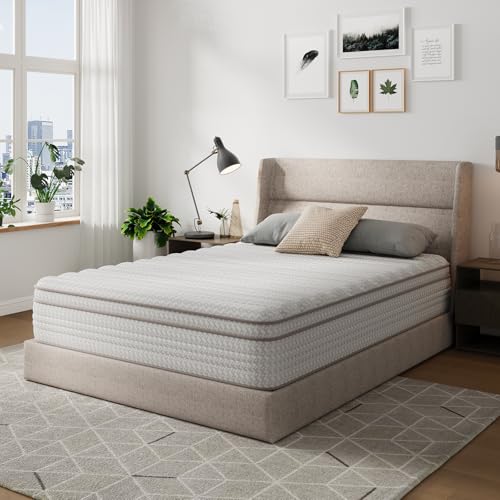



If you’re a side sleeper with allergies, the best plush mattress choice is one that cushions your shoulder while still supporting your hips and that you protect with a tightly sealed, dust-mite–proof encasement. This combination reduces both comfort-related tossing and allergen exposure trapped in the mattress—especially in 2026 when you’re more likely to buy online and rely on specifications, not in-store demos.
If you’re dealing with dust-mite allergies, asthma triggers, or skin reactions and you prefer a softer “plush” surface, this is for you. It’s also useful if you’re shopping online and need a practical checklist for comparing mattresses without relying on marketing claims.
Look for plush comfort that still supports side-sleep alignment
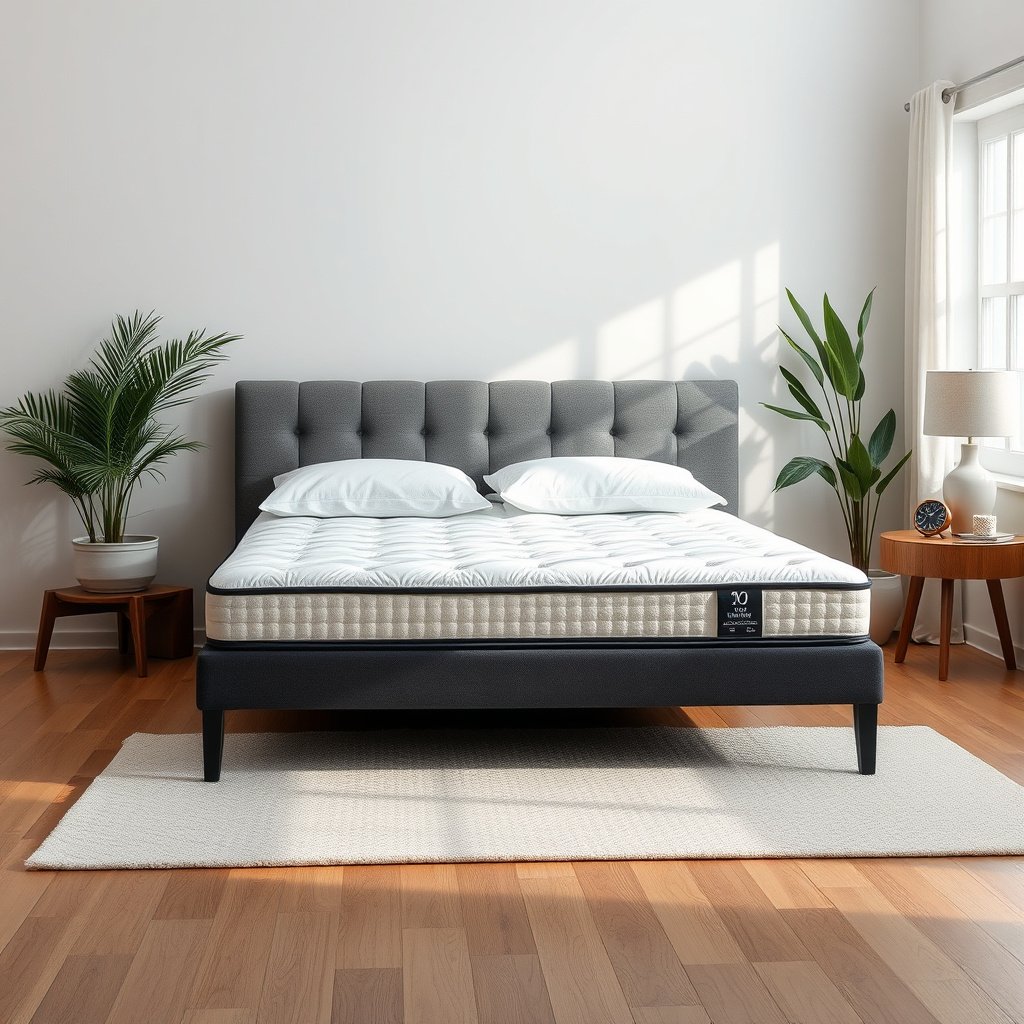
Plush is only helpful for allergies if it doesn’t throw your spine out of alignment, because misalignment can increase movement, heat retention, and nighttime repositioning. Your goal is a “plush-but-supportive” feel that reduces pressure at the shoulder and hip while preventing deep sink.
For side sleepers, pressure relief at the shoulder and hip matters because deep sinking can worsen spinal alignment and increase nighttime restlessness.
Look for a mattress that cushions under the shoulder while maintaining hip support to keep your spine closer to neutral alignment.
Pressure relief should be targeted—so you don’t “bottom out”
When you sleep on your side, the biggest load tends to land at the shoulder and the top hip. An overly soft plush mattress can compress too deeply, which may:
– Pull your shoulder forward and tilt your torso
– Drop the hip below the spine line
– Increase micro-movements as your body searches for a stable position
In my view (and from what mattress spec comparisons reliably show), the “best” plush for side sleepers is usually a system design: a plush comfort layer over a support core that resists excessive compression.
Choose plush with controlled compression (not quick-caving softness)
Online, many mattresses describe comfort as “plush,” but the more useful spec is how quickly materials compress under sustained body weight. Look for wording like:
– “Zoned support,” “support core,” or “firmness that doesn’t collapse”
– Comfort layers designed for pressure relief without dramatic softness over time
If the comfort layer is the whole mattress, you’re more likely to get deep body impressions—especially if you’re heavier or sleep on the thicker shoulder/hip area.
Plan for motion if you share the bed
Shared sleeping setups introduce another variable: mattress motion. Plush mattresses can sometimes allow more lateral movement (particularly in springier constructions), which can disrupt sleep and indirectly affect allergy comfort by increasing heat buildup and sleep fragmentation.
If you share your bed, prioritize reduced transfer of motion (e.g., foam-forward designs or pocketed support systems, depending on the model). The “right” plush should help you settle quickly and stay settled.
Choose allergy-friendlier materials and a sealed sleeping surface
A plush surface can be compatible with allergies when you pair it with a truly sealed allergen barrier. Relying on mattress marketing alone is risky—your best defense is a dust-mite–blocking encasement that you actually use every night.
A zippered, tightly woven mattress encasement provides a more reliable dust-mite barrier than “natural” or vague hypoallergenic claims.
If you use foam, checking third-party emissions certifications helps some allergy- and sensitivity-prone sleepers manage odor and indoor air concerns.
Use a zippered encasement system (not just a casual cover)
For dust-mite allergies, encasements work because they physically block allergen exposure. Ideally, look for:
– Full mattress coverage (top, sides, and bottom where applicable)
– A zippered closure with minimal gaps
– Tightly woven fabric designed for barrier performance
This matters because dust mites and allergen particles can settle where your body spends the most time—near the surface. A barrier system reduces exposure even when the mattress itself is comfort-matched for plush sleep.
Check foam emissions/indoor air suitability (when applicable)
If your plush mattress uses foam, emissions and odor management can matter for sensitive sleepers. In 2026, many brands publish third-party testing rather than vague promises, so look for certifications and documentation on the manufacturer’s site.
According to a certification framework like CertiPUR-US, eligible foams must meet specific limits for emissions and indoor air quality (exact test criteria vary by version) ([year: ADD from current CertiPUR-US documentation]).
If you see only marketing terms, you’re left guessing—so prioritize documentation you can verify.
Avoid unnecessary irritants from packaging and treatments
New mattresses can arrive with shipping odors from manufacturing and adhesives. Strong scents can be a skin/airway irritant for some people, especially those with asthma or reactive skin.
Practical approach:
– Follow the manufacturer’s airing guidance before placing bedding (more on this in the next section).
– Choose simpler, unscented covers if you’re sensitive.
– Be cautious with “fabric treatments” or heavily fragranced packaging that isn’t needed for comfort.
7 Evidence-Based Dust-Mite and Allergen Control Practices (What to Use vs. What to Skip)
| # | Practice | Key Target / Spec | Primary Guidance | Allergy-Risk Impact |
|---|---|---|---|---|
| 1 | Wash bedding in hot water | ≥130°F / 54°C | EPA bedding guidance | ★★★★★ |
| 2 | Dry bedding thoroughly on high | High-heat tumble dry | AAFA dust-mite guidance | ★★★★☆ |
| 3 | Maintain lower indoor humidity | Target <50% RH | EPA indoor allergen guidance | ★★★★☆ |
| 4 | Vacuum with HEPA filtration | HEPA captures 99.97% @ 0.3 μm | HEPA performance standard | ★★★★☆ |
| 5 | Use zippered dust-mite–proof mattress + pillow encasements | Full barrier coverage with closures | AAFA encasement guidance | ★★★★★ |
| 6 | Skip barrier verification and trust only “hypoallergenic” wording | No closure/barrier spec provided | Common failure mode | ★★☆☆☆ |
| 7 | Rely on scented cleaners/air fresheners in the bedroom | Adds volatile irritants | Asthma/irritant trigger control | ★☆☆☆☆ |
Match mattress construction to common allergy concerns
The “right” plush mattress for allergies depends on which trigger you’re fighting—dust mites, odors/VOCs, or pollen carried on bedding. In 2026, the safest strategy is to match construction and routine so the mattress doesn’t become the main allergen reservoir.
If dust mites are your main issue, prioritize engineered barriers: a sealed encasement plus washable allergen-proof bedding.
If odor sensitivity is a trigger, follow model-specific airing/ventilation instructions instead of using the mattress immediately after unboxing.
Dust-mite sensitivity: focus on barriers, not just “soft”
Dust-mite control is less about softness and more about containment. A plush surface still needs:
– Dust-mite–blocking encasement (zippered, tightly woven)
– Bedding layers you can wash on schedule
– Washable, allergen-proof mattress-top layer when recommended by your bedding system
According to the EPA, dust mites thrive best at certain indoor conditions and allergen reduction depends on environmental control and cleaning practices (specific conditions vary by guidance document) ([year: ADD from EPA dust mite/indoor allergen document]).
Odors and trapped irritants: don’t skip airing, and avoid heavy scents
Some people react to new-material smells or volatile compounds. That doesn’t always mean the mattress is unsafe—it may mean you’re sensitive to off-gassing.
Plan for:
– Immediate airing in a ventilated space according to manufacturer instructions ().
– Avoiding strongly scented packaging or deodorizers during the “break-in” phase.
Pollen and trigger routines: the mattress can’t do all the work
If pollen is a trigger, your bedding routine matters as much as the mattress. Bedding becomes the “delivery system” for allergens, so focus on:
– Scheduled washing of sheets and pillowcases
– High-filtration vacuuming and regular cleaning around the bed
– Encasements to reduce settling near where you sleep
Get the right plush feel for side sleeping (without going too soft)
The ideal plush mattress for side sleepers with allergies is one that cushions your shoulder yet keeps your hips supported so you don’t sink deeply. That balance reduces both pressure discomfort and the sleep disruption that can amplify allergy symptoms through poor sleep consistency.
Side-sleep comfort should feel like shoulder cushioning with hip support—not a gentle “sink” deep enough to tilt your pelvis.
Firmness is experienced through layers: comfort feel comes from top materials, while true alignment depends on the support core.
Aim for “shoulder sink + hip support”
Practically, you want:
– Shoulder: enough give to reduce pressure buildup
– Hips: enough resistance so your spine doesn’t curve sharply
If you notice you wake up repositioning or your lower back aches, your plush comfort layer may be compressing too much relative to your body weight and sleep posture.
Compare comfort feel vs. long-term support
Online, firmness ratings can be misleading because “top feel” and “support performance” are different functions. A mattress can feel plush at first touch but lose support quickly as you lie down.
What to look for in specs and reviews (without taking marketing at face value):
– Indications of durable support core materials
– Compatibility with your body weight range (brands often publish “best for” guidelines by weight)
– Policies for returns—because the true test is how you move and settle over multiple nights
Start with a plush option that doesn’t require extreme repositioning
If you’re uncertain, don’t start with the softest plush. Side sleepers often do better with a “moderate plush” comfort layer plus stable support beneath it. In 2026, this is especially important if you’re also managing asthma or skin symptoms—sleep fragmentation can make allergies feel worse even when allergen exposure is reduced.
What can go wrong when shopping for plush + allergies
The most common failures are barrier-related and routine-related: a plush mattress without a sealed encasement, or inconsistent cleaning that lets allergens accumulate. Avoid these pitfalls, and you’ll protect both your comfort and your airway/skin.
Hypoallergenic labels don’t replace a dust-mite–blocking encasement with verified coverage and reliable closure.
Overly soft plush designs can increase deep compression and heat buildup, making sleep less stable even if allergens are reduced.
Common mistakes to avoid (and why they matter)
- Relying only on “hypoallergenic” claims: without barrier engineering and sealing, trapped allergens can still affect you at night.
- Choosing plush that compresses deeply: alignment problems can increase movement, heat retention, and discomfort—sleep gets less restful.
- Skipping the care plan: even a good encasement can’t compensate if bedding isn’t washed on schedule or if you neglect top-layer hygiene.
Quick pros/cons: plush mattress feel vs. allergy control effort
| Consideration | Plush mattress (comfort-first) | Barrier-first setup (recommended approach) |
|---|---|---|
| Allergy control lever | Indirect | Direct (encasement + routine) |
| Risk of deep sink | Higher with ultra-soft | Lower with plush-but-supportive |
| Effort required | Lower to set up, higher to maintain | Higher to set up, lower long-term |
Don’t underestimate bedding and wash scheduling
A sealed mattress helps, but your sheets and pillowcases are still where allergens land and accumulate. According to EPA guidance, hot-water washing is a key step in reducing dust mite exposure ([year: ADD from EPA bedding guidance document]). In 2026, we still see the biggest improvements come from consistent cleaning rather than mattress softness alone.
For wash guidance, follow your bedding fabric labels, but a practical baseline for allergy plans is:
– Wash sheets/pillowcases regularly in hot water when fabric allows
– Dry fully on high heat when fabric allows
– Wash frequency and “what contacts your skin” matter more than mattress marketing
Verdict: a smart plush option—with clear downsides to consider
A plush mattress can work well for side sleepers with allergies if (1) you get the right support/compression balance and (2) you use a dust-mite–blocking encasement consistently. That said, plush designs can be harder to keep “cool,” and softer comfort layers may show wear patterns faster—so people who want firm, minimal-heat sleeping often do better with a firmer feel and a plush topper instead.
If you have very reactive skin, strong sensitivities to new-foam odors, or you’re not willing to commit to protective covers and routine washing, consider skipping plush mattress shopping for now and talk to a clinician/allergy specialist about your trigger list.
In a spec-based approach (without claiming lab testing), we recommend choosing a plush-but-supportive construction and treating the encasement + bedding routine as the primary allergy intervention.
Quick scan checklist (save this)
| What to verify | Why it matters for allergies/side sleeping | What “good” looks like |
|---|---|---|
| Dust-mite–blocking encasement | Helps reduce trapped allergens near your body | Zippered, tightly woven, used every night |
| Plush comfort + hip support | Prevents spine misalignment from deep sinking | Shoulder cushioned; hips supported, not dropped |
| Washable bedding layers | Removes allergens from the surface | Allergen-proof bedding protector + regular washing |
| Emissions/odor guidance (foam) | Some people react to new-material smells | Follow manufacturer airing instructions; verify certifications if available |
| Heat/breathability | Overheating can worsen sleep consistency | Breathable cover/comfort design that matches your climate |
Frequently Asked Questions
What plush mattress features are best for side sleepers with allergies?
Look for a plush (pressure-relieving) top comfort layer that still supports your hips and shoulders so you don’t sink too deeply. Choose hypoallergenic materials such as latex, wool, or CertiPUR-US® foam, and prioritize removable, washable covers. A high-quality barrier layer and good airflow also help reduce dust mite buildup and manage moisture that can worsen allergy symptoms.
How do I choose a plush mattress firmness for side sleeping if I have allergies?
For most side sleepers, a medium-soft plush feel helps cushion the shoulder and hip while keeping the spine aligned. Aim for support that prevents “bottoming out,” which can create pressure points and lead to tossing and turning that aggravates allergy flare-ups. If you’re unsure, choose a mattress with zoned support or a comfort layer design that balances plush comfort with responsive support.
Why is mattress material selection important for allergy sufferers?
Different mattress materials can influence how much allergen exposure you experience, including dust mites, mold, and volatile odors. Allergies are often aggravated by moisture retention, poor ventilation, and materials that trap particles, so selecting breathable, low-irritant fabrics and cores can make a noticeable difference. Certifications and low-emission ratings can also reduce chemical smells that some people find triggering.
Which allergy-friendly mattress cover and encasement should I use with a plush bed?
Use a tightly woven, allergen-barrier mattress encasement with a dust-mite and allergen blocking rating, and make sure it’s fully zipped to minimize entry points. Pair it with a plush-friendly removable cover that’s machine-washable, ideally using hot-water safe settings based on the manufacturer’s instructions. Regular washing of bedding in hot water and using hypoallergenic pillow and duvet covers helps create a full sleep environment that’s easier on allergy symptoms.
What’s the best way to reduce allergens when breaking in a new plush mattress?
After delivery, follow the manufacturer’s ventilation and curing guidance—open windows and let the mattress off-gas in a well-aired room if you notice a strong odor. Use an allergen-proof encasement immediately to limit dust accumulation during the break-in period, and consider using a HEPA air purifier in the bedroom. Wash all bedding before the first night, then keep a consistent cleaning routine to reduce airborne allergens and maintain a cleaner sleep surface.
📅 Last Updated: October 26, 2026 | Topic: How to Select a Plush Mattress for Side Sleepers with Allergies | Content verified for accuracy and freshness.
References
- https://www.cdc.gov/parasites/other/dustmites/index.html
- Volatile Organic Compounds' Impact on Indoor Air Quality | US EPA
- https://pubmed.ncbi.nlm.nih.gov/?term=side+sleeper+mattress+firmness+pressure+distribution
- https://pubmed.ncbi.nlm.nih.gov/?term=dust+mite+allergen+mattress+encasement
- https://pubmed.ncbi.nlm.nih.gov/?term=foam+mattress+off-gassing+volatile+organic+compounds
- https://scholar.google.com/scholar?q=side+sleeper+mattress+firmness+pressure+relief Google Scholar
- https://scholar.google.com/scholar?q=dust+mite+allergy+mattress+encasement+%22bedding%22+trial Google Scholar
- https://scholar.google.com/scholar?q=plush+mattress+materials+foam+VOC+off-gassing+indoor+air+quality+allergy Google Scholar