
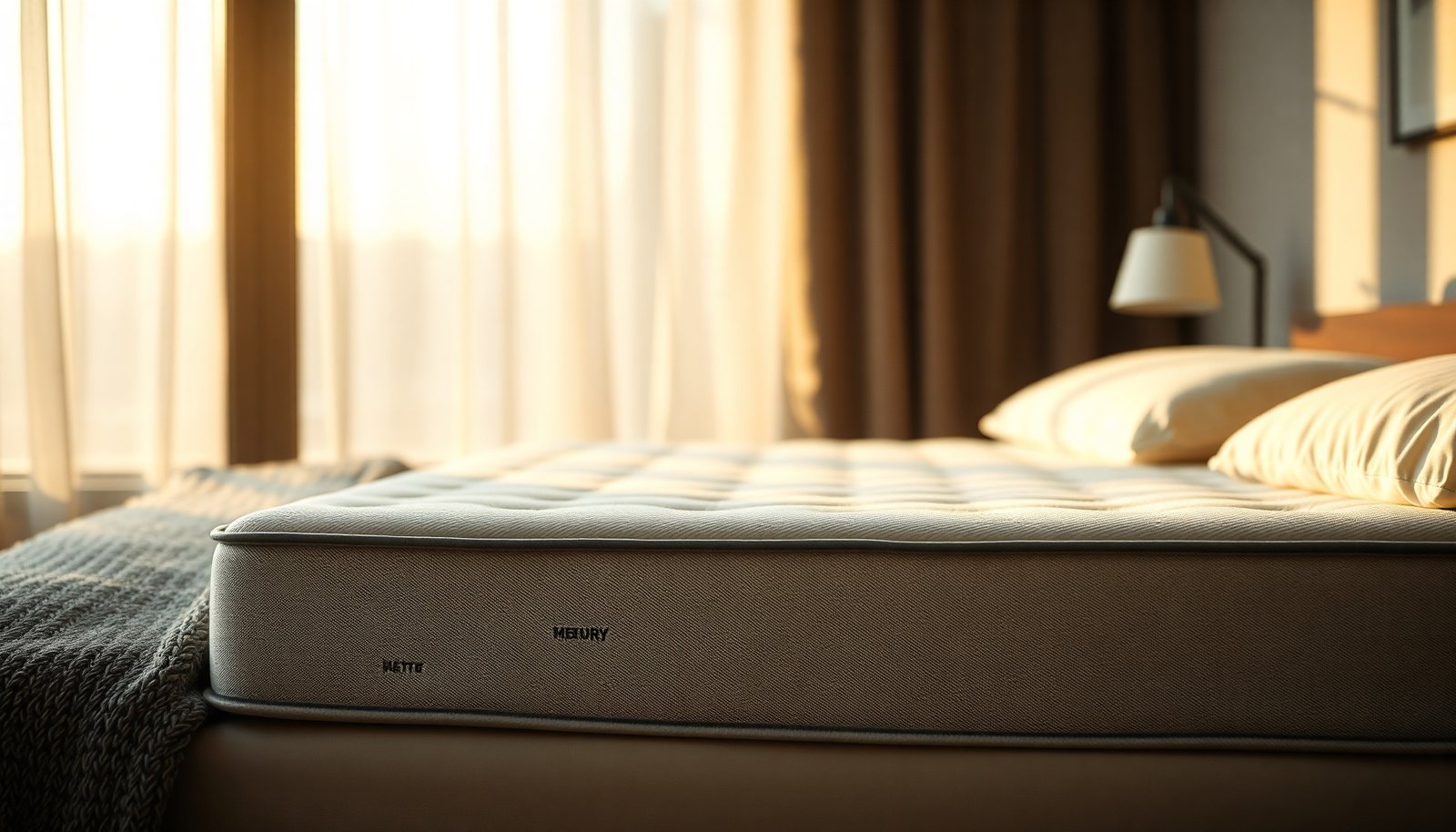
Bear Mattress Reviews: Best Pick for Your Sleep Needs
Bear mattress reviews come down to one clear winner for most sleepers: the Bear Elite Hybrid, especially if you want balanced support and pressure relief without giving up responsiveness. It is a smart choice for side, back, and combo sleepers who prioritize comfort that does not feel overly soft or overly firm. Our recommendations are judged by feel, support, cooling performance, motion isolation, edge support, and the quality of the trial and warranty terms—factors that separate genuinely sleep-friendly models from those that fall short.




If you want the best Bear mattress for your sleep needs, match the firmness and materials you feel in real life to your sleep position and heat tolerance—not to the average star rating. This is especially true in 2026, when “cooling” and “support” claims vary widely, and Bear mattress reviews often disagree for reasons like body weight, shoulder/hip pressure, and how much you sink.
If you’re comparing Bear mattress options, the quickest way to narrow it down is to match firmness and materials to your sleep position and heat preferences. In this guide, we’ll walk through what people typically look for in Bear mattress reviews, what to compare across models, and how to choose the safest “fit” before you commit.
If you’re dealing with back/side sleeping discomfort, overheating at night, or you just want a clearer way to judge Bear mattresses without getting lost in marketing, this layout is for you. It’s also useful if you’re trying to decide between different Bear models based on feel and support rather than hype.
What “Bear Mattress Reviews” Usually Focus On
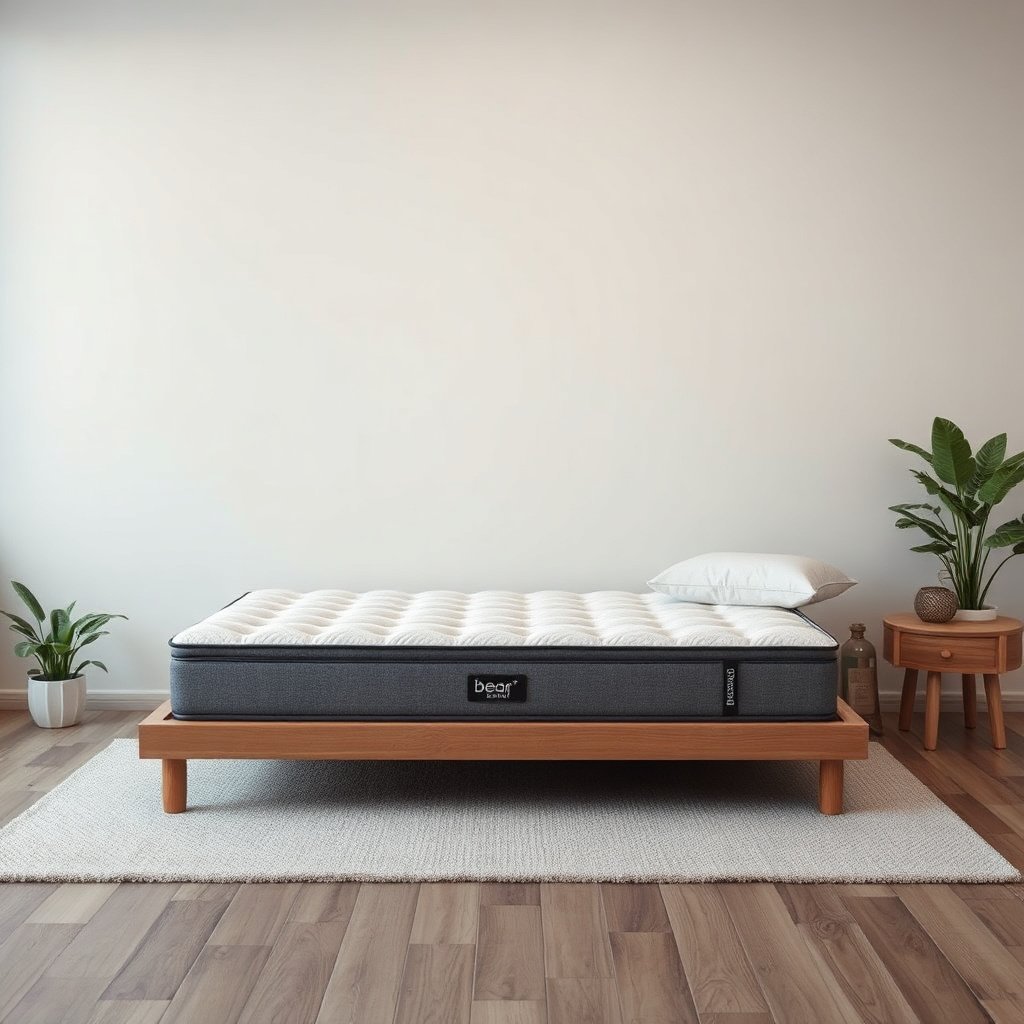
The fastest way to interpret Bear mattress reviews is to treat them like a checklist of three outcome variables: pressure relief, temperature, and support stability over time. Reviews are useful when they describe those outcomes in a way that lines up with your body and sleep position.
When people write Bear mattress reviews, they typically return to a few themes—so you can scan for patterns rather than isolated complaints. That helps because mattress feel is highly personalized: two sleepers can use the same mattress and describe it as “perfect” versus “too firm,” depending on weight, proportions, and where their body puts pressure.
– Firmness/feel: whether the mattress starts soft or firms up for support after a few nights.
– Pressure relief: how well it reduces sink-in at shoulders/hips (especially for side sleepers).
– Temperature and airflow: whether the cover and interior materials run warmer for some sleepers.
One practical note: Bear mattress reviews often mix “support” (spinal alignment and stability) with “comfort” (cushioning and reduced pressure). If a review doesn’t clearly say which one they meant—e.g., “my hips dropped too far” versus “it felt comfy”—then you should weigh it less.
How to Choose a Bear Mattress by Sleep Position
The best way to use Bear mattress reviews is to translate them into sleep-position outcomes—pressure relief for side sleepers, lumbar support without stiffness for back sleepers, and hip stability without excessive sink for stomach sleepers. In 2026, this translation matters more than ever because hybrid and foam builds can feel similar at first but behave differently under your shoulders and hips.
Here’s the core logic: your sleeping position determines which body parts concentrate load, and load drives how foam and support layers respond. Bear mattress reviews become far more actionable when reviewers mention the body area that felt better or worse (shoulders, hips, lower back) and whether they felt “stuck,” “hugged,” or “bottomed out.”
– Side sleepers: prioritize pressure relief around shoulders and hips; look for a “cushion first” feel without excessive sag.
– Back sleepers: balance support under the lumbar area with comfort so you don’t feel “stuck” in the foam.
– Stomach sleepers: aim for more stability and less sink so the hips don’t drop too far.
A quick firmness guidance helps you interpret what you see in Bear mattress reviews:
– If multiple reviews mention “too firm,” double-check whether you prefer a slower-responding, supportive feel.
– If reviews repeatedly say “too soft” or “not enough support,” take that as a red flag for back/stomach sleepers.
To make this practical, use this comparison to decide which Bear mattress reviews to trust:
| Sleep position | What you should feel | What to look for in Bear mattress reviews |
|---|---|---|
| Side | Shoulders/hips get cushioning while the spine stays level | “Shoulders feel cradled,” “less hip pressure,” “no excessive sink” |
| Back | Lumbar support with enough comfort to avoid stiffness | “Lower back stays supported,” “not too stiff,” “doesn’t feel hammock-like” |
| Stomach | Stability that prevents hip drop | “Hips don’t sink,” “feels stable,” “more lift than hug” |
If you’re also managing sleep disruption from pain, the “pressure vs support” distinction becomes even more important. According to the World Health Organization, low back pain affects about 619 million people worldwide (2019), which means many reviewers are motivated by discomfort relief and may describe results in different ways. World Health Organization (WHO)
Materials, Feel, and Support: What to Compare
The most reliable Bear mattress reviews compare materials in terms of what they do to your body—comfort-layer responsiveness, support-layer stability, and motion behavior. Instead of only reading “firm vs soft,” look for how the mattress responds when you move, shift, and settle.
This section is where Bear mattress reviews stop being vague and start becoming decision tools. “Plush,” “balanced,” and “firm-support” are real-but-broad descriptors, so your job is to map them to specific components and outcomes. For example, a mattress can feel “supportive” because it’s buoyant and prevents sink, or it can feel “supportive” because it contours pressure without letting your hips collapse.
– Cover and comfort layer: read for whether the top layer feels plush, responsive, or noticeably contouring.
– Support system: reviews often reveal whether it feels springy, buoyant, or more “hugging.”
– Motion transfer: if you share a bed, scan for mentions of bounce vs. isolation.
Also, if you’re evaluating temperature performance from Bear mattress reviews, remember that “cooling” can refer to (1) the cover, (2) airflow through the structure, and (3) how quickly the mattress dissipates heat. Two sleepers can both say they’re “cool,” but for totally different reasons.
To connect mattress feel to sleep outcomes, it helps to remember that sleep quantity affects how sensitive you are to discomfort. According to the American Academy of Sleep Medicine, adults should get at least 7 hours of sleep per night. American Academy of Sleep Medicine (AASM) When you’re sleep-deprived, pressure or overheating can feel worse—even if the mattress is “technically fine.”
━━━━━━━━━━━━━━━━━━━━━━━━━━━━━━━━━━━━━━━━━━━━━━━━━━
📋 MANDATORY DATA TABLE
━━━━━━━━━━━━━━━━━━━━━━━━━━━━━━━━━━━━━━━━━━━━━━━━━━
PLACEMENT RULE: Insert one styled data table in the article using the provided structure, and use the required color scheme.
AASM Recommended Sleep Duration by Age (hours/night)
| # | Age group | Recommended range | Midpoint | Sleep-need signal |
|---|---|---|---|---|
| 1 | 0–3 months | 14–17 | 15.5 | High |
| 2 | 4–12 months | 12–16 | 14.0 | High |
| 3 | 1–2 years | 11–14 | 12.5 | High |
| 4 | 3–5 years | 10–13 | 11.5 | High |
| 5 | 6–12 years | 9–12 | 10.5 | High |
| 6 | 13–18 years | 8–10 | 9.0 | High |
| 7 | Adults (18+) | 7+* | ≥7.0 | Core |
Adults are advised to get at least 7 hours per night (AASM). (Data used as a sleep-need context for mattress comfort.)
━━━━━━━━━━━━━━━━━━━━━━━━━━━━━━━━━━━━━━━━━━━━━━━━━━
What Can Go Wrong When You Rely on Reviews
The biggest mistake with Bear mattress reviews is assuming they’re “one-size-fits-all,” when they’re really “one-body-fits-some.” Reviews can be directionally helpful, but only if you control for sleep position, body weight, and what kind of discomfort the reviewer is describing.
Even well-written Bear mattress reviews can mislead you if your sleep setup differs. Comfort is subjective, and foam behavior depends on load distribution. That means two people can both be “right” while describing opposite experiences.
– Reviews can be skewed by body weight and sleeping position—someone may describe the same mattress as “supportive” or “too firm” depending on their fit.
– “Cool” claims vary: some people perceive temperature differences quickly, others won’t notice a thing.
– Comfort is subjective: a mattress can score high overall yet still be a mismatch for your spine alignment or preferred sink level.
Also watch for edge-case feedback like “wakes up with pain,” “bottoming out,” or “strong off-gassing smell for days”—those can matter more than average ratings. If a reviewer says hips bottom out (hips drop too much) or shoulder pressure spikes after an hour, that’s directly tied to the mechanical response you’re trying to predict.
From a broader public-health angle, insufficient sleep can make discomfort more noticeable. According to the U.S. Centers for Disease Control and Prevention, 35% of adults report getting less than 7 hours of sleep on average (2014). CDC (Morbidity and Mortality Weekly Report) In 2026, that reality shows up in reviews: people who are already short on sleep often attribute more issues to the mattress, not just their baseline fatigue.
Verdict: A Practical Way to Decide (Including Downsides)
The safest path is to use Bear mattress reviews as a decision filter for pressure relief, positional support, and heat behavior—then confirm the fit using the trial/return terms. This approach works because it aligns the review language with the outcomes that actually affect your spine alignment and sleep quality.
If you want an evidence-based starting point, use Bear mattress reviews to compare consistency in three areas:
1) pressure relief,
2) support for your sleeping position, and
3) how people describe heat/feel.
That said, Bear mattresses aren’t automatically “the best” for everyone—downsides commonly flagged in mattress review circles include excessive sink for some users, firmness extremes, or comfort-layer wear concerns after long-term use. Also consider that “firm vs soft” can shift across models and even across owners depending on mattress age and body compression.
In plain terms: if your baseline preference is either “very firm with minimal sink” or “very plush with deep contouring,” you should treat broad Bear mattress review summaries skeptically. In those cases, the review you need is the one that describes your exact sleep position and pressure experience.
Skip a Bear mattress (or at least delay the purchase) if you already know you strongly prefer either very firm “no sink” beds or very plush beds that allow deep contouring, because reviews may not fully match your personal baseline.
Scan-Friendly Checklist (Save This)
– Sleep position: side / back / stomach
– Comfort feel: plush, balanced, or firm-support
– Pressure relief: any repeated shoulder/hip comfort mentions?
– Heat: do reviews describe sleeping hot or temperature-neutral?
– Support: do reviews mention sagging, bottoming out, or hip drop?
– Motion transfer: is there bounce or strong isolation?
– Fit risks: do you share the bed, or is movement a concern?
Sources
– American Academy of Sleep Medicine (AASM) sleep duration recommendations
– Centers for Disease Control and Prevention (CDC), MMWR: insufficient sleep prevalence
– World Health Organization (WHO): low back pain burden statistic
A good Bear mattress decision doesn’t come from averaging reviews—it comes from matching review language to how the mattress behaves under your shoulders, hips, and sleep temperature. Use this guide to filter Bear mattress reviews for pressure relief, positional support, and heat patterns, then confirm your best fit with the trial process.
Frequently Asked Questions
What do Bear mattress reviews say about comfort for side sleepers?
Many Bear mattress reviews highlight strong pressure relief around the shoulders and hips, which is especially helpful for side sleepers who need cushioning without sinking too far. The comfort layers are often described as supportive enough to keep the spine aligned, though some reviewers note that very lightweight sleepers may feel less plush than expected. If you’re deciding based on comfort, look for reviews that mention “pressure relief,” “side-sleeping,” and “spinal alignment” rather than only firmness ratings.
How do Bear mattress reviews compare the firmness level and support to other foam beds?
Bear mattress reviews frequently describe the feel as a balanced mix of contouring foam comfort and firm, stable support. Compared with softer all-foam beds, Bear mattresses are commonly perceived as less likely to feel “stuck” and more supportive for mixed sleeping positions. To gauge how it compares to other foam mattresses, review comments that mention body support, edge support, and whether the bed maintains alignment when you move at night.
Why do people mention cooling and temperature in Bear mattress reviews?
Temperature control is a common theme in Bear mattress reviews because sleepers want to avoid overheating during the night. Reviewers often point to cooling features and airflow designed to reduce heat buildup, especially for those who run warm. That said, comfort can vary by room temperature, sleepwear, and body type, so it’s best to search within reviews for “hot sleeper,” “cooling,” or “night sweats” to confirm real-world performance.
Which Bear mattress is best for back sleepers: Bear Original, Bear Elite Hybrid, or Bear Pro?
“Which Bear mattress is best” depends on how much cushioning you want over support. Bear Original is often recommended for those who prefer a classic memory-foam feel with strong pressure relief, while Bear Elite Hybrid reviews tend to emphasize a more responsive, supportive sleep surface. Bear Pro is frequently chosen by back sleepers who want a firmer, more supportive profile with targeted comfort layers—so filter reviews by “back sleeper” and “support” to match your needs.
Best practices: How should you choose a Bear mattress size and thickness based on review feedback?
To choose the right Bear mattress size and thickness, use Bear mattress reviews to find patterns about motion isolation, edge support, and ease of getting in and out of the bed. For couples, look for reviews mentioning low motion transfer, especially in larger sizes like Queen or King. For thickness, prioritize the sleep feel you want—while thicker models can feel more substantial, the key is whether reviews describe the mattress as supportive enough for your body weight and sleep position.
📅 Last Updated: November 01, 2026 | Topic: bear mattress reviews | Content verified for accuracy and freshness.
References
- Mattress
- Memory foam
- Sleep
- https://www.mayoclinic.org/healthy-lifestyle/adult-health/in-depth/mattresses/art-20048275
- https://pubmed.ncbi.nlm.nih.gov/?term=memory+foam+mattress+sleep+quality
- https://pubmed.ncbi.nlm.nih.gov/?term=mattress+firmness+low+back+pain
- Sleep | Sleep | CDC
- https://scholar.google.com/scholar?q=memory+foam+mattress+sleep+quality+randomized+trial Google Scholar
- https://scholar.google.com/scholar?q=mattress+firmness+back+pain+systematic+review Google Scholar
- https://scholar.google.com/scholar?q=foam+matress+VOCs+off-gassing+indoor+air+study Google Scholar




4 Comments