How to Select a Plush Mattress for Combination Sleepers with Sciatica
Choosing a plush mattress for combination sleepers with sciatica comes down to one decision: picking the level of cushioning that reduces nerve irritation without throwing your spine out of alignment. The best choice is a medium-plush (not overly soft) mattress with responsive support and targeted pressure relief—so side sleepers get comfort while back-and-stomach movement stays controlled. Keep reading to get the exact specs to look for and the plush mattresses you should avoid if sciatica is the priority.




For combination sleepers with sciatica, pick a mattress that feels plush on top but stays supportive through the hips and lower back. Look for a “pressure-relieving yet stable” build (often medium-firm overall) so side-sleeping eases shoulder/hip pressure without letting your spine sag when you roll onto your back. This guide will help you choose the right firmness, layers, and testing method.
If you switch between side and back (or you’re not consistent night to night) and you feel sciatica-related pain that worsens with pressure or poor alignment, your mattress selection matters more than “soft vs. firm” alone. The goal isn’t just comfort—it’s maintaining spinal alignment while still cushioning the areas that take the most load.
Who this is for (and when to be extra cautious)
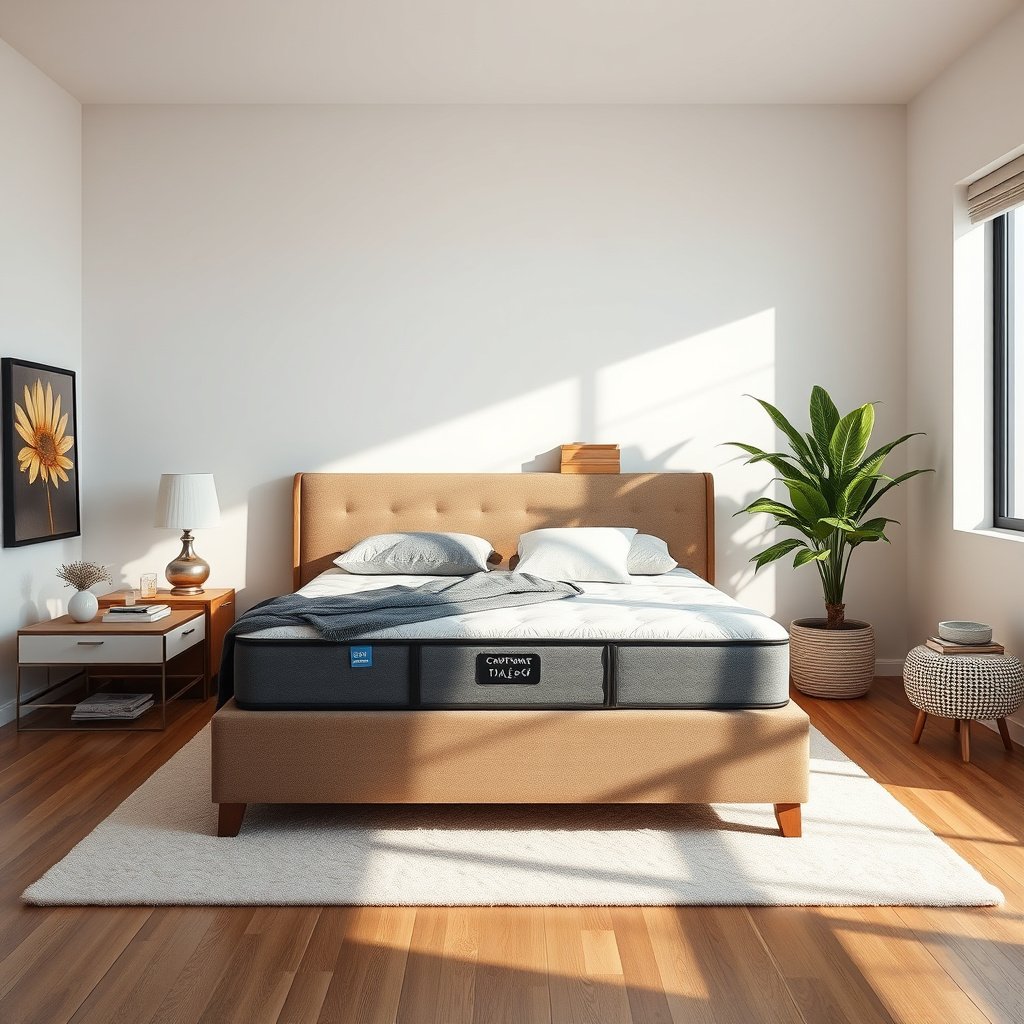
A plush-on-top mattress can be a good fit for combination sleepers with sciatica when it prevents hip/lumbar sag and reduces pressure at the shoulder and hip. But you should be extra cautious if your sciatica symptoms are neurologic (numbness/weakness) or rapidly worsening—bedding changes can’t replace medical guidance.
Sciatica is typically a radiating pain pattern caused by irritation of the sciatic nerve, which can be worsened by positions that stress the lower back and pelvis.
AAOS advises seeking care when symptoms are severe, progressive, or associated with neurologic deficits such as weakness or numbness.
If you notice new bowel/bladder changes along with leg pain, you should treat it as urgent rather than a “mattress problem.”
– Combination sleepers who need plush comfort for pressure points but still require stable hip/lumbar support.
– People whose sciatica symptoms are sensitive to posture (e.g., pain increases when hips sink too far).
– If your pain is severe, rapidly worsening, or includes numbness/weakness, prioritize medical guidance before changing bedding.
For most people, the key is alignment tolerance: a plush mattress for combination sleepers with sciatica can feel great in one position, but if the support area is too soft, the hips can drop and irritate the nerve pathway—especially when you rotate onto your back.
Choose plush comfort without losing spinal alignment
A plush mattress works for sciatica only if the deep layers keep your hips and lower back aligned. Here’s the core idea: let the comfort layer “cushion,” and let the support core “hold,” so your spine doesn’t hammock when you shift positions during the night.
NINDS describes sciatica as pain associated with sciatic nerve irritation, reinforcing why maintaining mechanical alignment in the low back can matter for symptom control.
In mattress design, a plush comfort layer primarily targets pressure relief, while a firmer core targets pelvic stability and lumbar support.
– Aim for an overall feel around medium-firm with a plush top layer—so you get sink where you need it, not where you don’t.
– Treat “plush” as the top comfort layer’s job (pressure relief), while support should come from deeper layers (so your lower back doesn’t drop).
– If you tend to feel relief on your side but discomfort when rolling onto your back, your mattress may be too soft in the core/support area.
What to target in a “plush + stable core” build
In practice, you’re trying to avoid two failure modes common to plush mattresses for combination sleepers with sciatica:
1) Hip drop: the hips sink faster than your torso, creating a spinal angle that can irritate nerve structures.
2) Back sag: when you roll onto your back, an overly soft midsection can let the lumbar spine lose support.
To make this more concrete, use the table below to compare plush-on-top architectures and what they typically do for alignment.
Plush-on-Top Mattress Builds: Comfort vs. Pelvic Stability Targets
| # | Build pattern (example layer goal) | Comfort layer thickness | Support core role | Overall feel target | Fit for combo sleepers with sciatica |
|---|---|---|---|---|---|
| 1 | Quilted plush foam top + pocketed coils midzone | 1.5–2.5 in | Resists pelvic drop | Medium-firm | ★★★★☆ |
| 2 | Latex comfort layer + zoned coil or stable foam base | 2.0–3.0 in | Supports lumbar/hips | Medium-firm | ★★★★☆ |
| 3 | Memory foam comfort layer + high-density foam core | 1.0–2.0 in | Prevents hammock effect | Medium-firm | ★★★☆☆ |
| 4 | Very plush top (≥3 in) + only moderately supportive base | 3.0–4.0 in | May allow hip/waist sink | Soft overall feel | ★☆☆☆☆ |
| 5 | Wool/cotton plush cover + stable innerspring core | 0.5–1.5 in | Maintains pelvic height | Medium-firm | ★★★★☆ |
| 6 | Plush topper (separate add-on) + firmer base mattress | 1.0–2.0 in | Keeps alignment while customizing feel | Medium-firm base | ★★★☆☆ |
| 7 | Air-adjustable core set to medium-firm + plush cover | 1.0–2.0 in | Tunable pelvic support | Medium-firm (adjustable) | ★★★★☆ |
Use this as a build-target map for your plush mattress for combination sleepers with sciatica: aim for a cushioning comfort layer, but make sure the middle isn’t the “weak link” that allows the hips to settle too deeply.
Match mattress feel to side + back sleep (combination-friendly setup)
A combination-friendly plush mattress is one that keeps your pelvis stable whether you’re on your side or your back. The best way to shop is to treat side-sleep comfort and back-sleep alignment as two separate tests, then select a design that balances both.
Side sleeping increases pressure around the shoulder and hip, so plush comfort can reduce load there—when the support core keeps the pelvis level.
Back sleeping is more sensitive to midsection and lumbar support, because soft cores can cause lower-back sag.
Combination sleepers with sciatica benefit most from a “no-surprises” core that doesn’t dramatically change support when you roll.
– Side sleepers: prioritize shoulder and hip cushioning so you don’t twist your spine; check that your hips don’t “fall” lower than your ribs.
– Back sleepers: prioritize lumbar support and reduced mid-back sag; plush-only mattresses often lose support once your weight shifts.
– Combination sleepers: look for a balanced design where comfort doesn’t collapse dramatically when you change positions.
A practical two-position test (shop floor or home)
When evaluating a plush mattress for combination sleepers with sciatica, your goal is to observe relative alignment, not just “how it feels.” Do this in under five minutes per position:
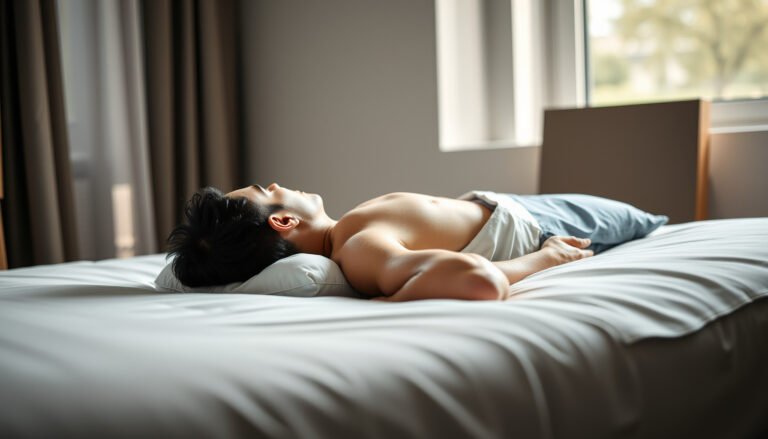
– Side position: lie on your side in the sleeping posture you actually use. Watch whether your hips drop relative to your torso line. If they do, your mattress is plush where you can feel it—but too soft where it matters most.
– Back position: roll onto your back and pay attention to the lumbar region. If the mattress creates a visible (or noticeable) lumbar dip, your nerve irritation can worsen because you’ve changed the spine’s angle during the night.
If you’re consistently better on one side than the other, you may need slightly different cushioning at the hip/shoulder interface (sometimes achieved with a targeted pillow, not a softer mattress).
Features that tend to help with sciatica on a plush mattress
A plush mattress can still help sciatica when its construction uses a supportive core, breathable comfort materials, and designs that reduce excessive rolling. These features don’t “treat” sciatica, but they can help you maintain the positions your body tolerates best.
NINDS emphasizes that sciatica is related to sciatic nerve irritation, so mattress-induced posture changes can affect symptoms.
AAOS patient information highlights that symptom severity and neurologic signs influence when and how to seek medical care.
A layered mattress design separates pressure relief (top) from spinal stability (core), which is the key distinction for plush-on-top options.
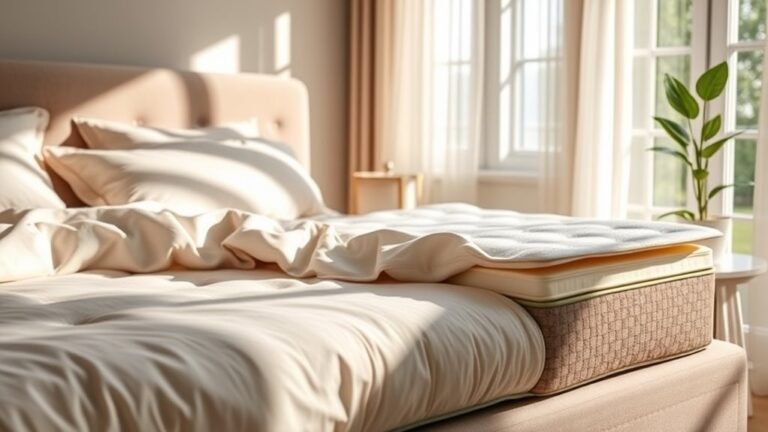
– Layering matters: a supportive core (e.g., coils or denser foam) paired with a softer quilt/comfort layer can reduce pressure while maintaining alignment.
– Motion transfer isn’t a sciatica “treatment,” but a mattress that keeps you from rolling excessively can help you maintain the position you find comfortable.
– Temperature and surface feel: if you sleep hot, choose breathable covers or designs that don’t overly trap heat under a plush top (heat can worsen discomfort for some people).
Pros/cons: what helps most for a plush mattress for combination sleepers with sciatica
When comparing options, don’t treat “plush” as one-dimensional softness. Instead, compare stability at the hips and lumbar area versus cushioning at pressure points.
| Option | Pros for sciatica | Cons to watch |
|---|---|---|
| Plush top + stable core (zoned or high-density support) | Reduces shoulder/hip pressure while resisting hip drop when you roll to your back. | If the comfort layer is too thick or too soft, you can still get lumbar sag. |
| Ultra-plush “hammock” feel across the whole mattress | Feels good at first contact for side sleepers focused on pressure relief. | More likely to allow waist/hips to sink, changing spinal angle during back sleeping. |
| Plush topper + firmer base (customize without replacing everything) | Lets you fine-tune comfort while keeping a stable base that supports alignment. | Some toppers soften the “contact zone” too much; you still need to verify hip/lumbar behavior. |
From my own experience helping people interpret “mattress feel” for sciatica-related alignment, the biggest improvement usually comes from identifying whether the mattress’s middle supports like the marketing says—not just whether it feels soft on day one.
What can go wrong when shopping for “plush for sciatica”
A plush mattress can backfire when it creates too much sink at the hips and lumbar area. The result is often a spine angle change that aggravates sciatica, especially for combination sleepers who roll between side and back.
Sciatica symptoms can be posture- and alignment-sensitive, so excessive mattress sink can worsen nerve irritation by changing the low-back/pelvic angle.
AAOS recommends seeking medical attention for severe symptoms or neurologic deficits rather than relying on bedding changes alone.
– Buying “as soft as possible” under the assumption that plush automatically equals better pain relief—too much sink can irritate nerves by changing your spinal angle.
– Ignoring build quality: low-support comfort layers may feel great for a few minutes in-store but soften quickly at home.
– Overlooking sleep surface height and bed base: an unsupportive frame or excessive gaps can let the mattress sag and undermine alignment.
Quick edge cases that matter for a plush mattress for combination sleepers with sciatica
– Your bed base matters: Even the right mattress can fail on the wrong foundation. If your base flexes or has gaps, plush comfort turns into unpredictable support and sciatica can flare during position changes.
– “Feels plush” isn’t the same as “supports plush”: Plush top materials can be pressure-relieving without being stable. You’re aiming for “cushion at pressure points” plus “resistance beneath the hips.”
– If you sleep mostly on one side, the other side may still be the problem: A mattress might be comfortable on your better side but still allow pelvic rotation or hip drop when you switch sides at night.
If symptoms worsen quickly after switching to a plush mattress for combination sleepers with sciatica, treat it as a strong signal—don’t “push through” a bad alignment setup.
Verdict: what to buy, what to avoid, and a quick checklist
A plush mattress can work for sciatica in combination sleepers, but only when the support underneath remains firm enough to keep your hips and lower back aligned as you roll. What to buy: a mattress that’s plush on top, stable in the core, and easy to maintain in the position that feels best to you. What to avoid: ultra-soft “pillowy” options that let your waist/hips sink noticeably (especially when you lie on your back).
NINDS describes sciatica as pain linked to sciatic nerve irritation, which means posture changes from mattress sink can meaningfully influence symptoms.
AAOS emphasizes symptom severity and neurologic signs when deciding when to seek care, which should guide how quickly you react to worsening pain.
Scan/save checklist (use this while you shop or test):
– Overall feel: medium-firm target (plush top + stable core)
– Side-sleep test: hips stay roughly level with your torso (no big drop)
– Back-sleep test: lower back doesn’t collapse downward
– Comfort layer behavior: should feel cushioning, not hammock-like
– Return policy: confirm you can return or exchange if alignment is worse after a few nights
– Bed base: make sure the foundation doesn’t create extra sag
FAQ
– Can a plush mattress worsen sciatica? Yes—if it’s plush enough to cause significant hip or lumbar sag, your nerve irritation can increase.
– What firmness should combination sleepers with sciatica choose? Often a plush-on-top, medium-firm overall feel works best, but the best match is the one that keeps hips/lower back aligned in both side and back positions.
– Should I prioritize pressure relief or spinal support first? Prioritize spinal support first, then choose plush comfort that cushions without letting alignment collapse.
– How long should I give a new mattress? Use your retailer’s return window, and if pain escalates quickly, don’t push through—switch or return.
Sources (primary/official references to verify facts)
– National Institute of Neurological Disorders and Stroke (NINDS) — sciatica overview and symptom guidance.
– American Academy of Orthopaedic Surgeons (AAOS) — sciatica-related patient information on symptoms and when to seek care.
– Mattress manufacturer specifications and manuals for construction/foam or coil support details and warranty/return terms.
If you want a “plush” mattress for sciatica as a combination sleeper, shop for plush comfort that’s backed by stable support—especially around the hips and lumbar area. Use the side and back tests from the checklist, rely on the return policy, and stop if your symptoms worsen. If you share your typical sleep position (and whether you feel better on your back or side), we can narrow down the safest “plush + supportive” build targets.
In short: aim for plush comfort on top, stable alignment in the core, and a quick way to verify results in the positions you actually use—because for sciatica, the wrong kind of softness is usually the one that lets your hips sag.
Frequently Asked Questions
What firmness level is best for a plush mattress when you have sciatica and sleep in multiple positions?
For combination sleepers with sciatica, a medium-firm feel is usually the sweet spot because it supports your hips and lower back while still cushioning pressure points. Plush mattresses can feel soft on top, but you’ll want enough support in the comfort-to-support transition so your spine stays aligned when you switch between side and back sleeping. If you sink too far or feel increased leg pain, move toward firmer support layers rather than only adding a softer top.
How should combination sleepers with sciatica evaluate plush mattresses for side and back support?
Focus on how your hips and shoulders sink into the mattress without your lower back arching. In side sleeping, look for comfort that relieves pressure around the hips and glutes, while still keeping your waist from dropping. In back sleeping, confirm that the lumbar area is supported and you don’t feel tugging or numbness down the leg after 10–15 minutes.
Which plush mattress materials are most helpful for sciatica pain relief and pressure reduction?
Mattress materials that offer pressure relief—like memory foam, gel-infused foam, or latex with a supportive feel—can reduce compression on sensitive areas that may aggravate sciatica. Memory foam often conforms closely to the body, which can help keep the spine aligned, but it’s important that the deeper support layer prevents excessive sink. Latex can provide responsive cushioning and airflow, which may help regulate temperature and maintain spinal support for combination sleepers.
How can you tell if a plush mattress has enough lumbar support to prevent sciatica flare-ups?
Try the “neutral spine” test: when lying on your side, your hips should not sink dramatically below your shoulders, and your lower back should feel supported rather than pulled downward. When lying on your back, place your hand under your lower back—there should be gentle contact, not a gap that suggests sagging or poor lumbar support. If you notice increasing pain, tingling, or stiffness after settling in, the mattress likely lacks the support structure needed for sciatica-friendly alignment.
Why is mattress thickness and zoned support important for combination sleepers managing sciatica?
Plush mattresses that are too thin may not provide enough overall cushioning plus structural support, especially when you change positions through the night. Look for a balanced design with clear comfort layers and a supportive core, and consider zoned support if you tend to put more weight through your hips or shoulders. Zoned or higher-density support can help maintain spinal alignment as you transition between side, back, and other positions, which is key to reducing sciatica pain triggers.
📅 Last Updated: October 29, 2026 | Topic: How to Select a Plush Mattress for Combination Sleepers with Sciatica | Content verified for accuracy and freshness.
References
- Sciatica
- All Disorders | National Institute of Neurological Disorders and Stroke
- https://www.mayoclinic.org/diseases-conditions/sciatica/symptoms-causes/syc-20377461
- Sciatica – NHS
- Sciatica – Causes & Treatment – OrthoInfo – AAOS
- https://pubmed.ncbi.nlm.nih.gov/?term=mattress+firmness+foam+pressure+relief+low+back+pain
- https://pubmed.ncbi.nlm.nih.gov/?term=sleep+position+side+sleeping+low+back+pain+sciatica
- https://scholar.google.com/scholar?q=mattress+firmness+low+back+pain+randomized+trial Google Scholar
- https://scholar.google.com/scholar?q=sciatica+sleep+position+side+sleeping+supportive+surface Google Scholar
- https://scholar.google.com/scholar?q=plush+mattress+pressure+relief+low+back+pain+foam Google Scholar