Lull Mattress Reviews: Pros, Cons, and Who It’s Best For
The Lull mattress is best suited if you want a medium-feel foam bed that balances pressure relief with enough support to keep most sleepers on an even surface. Our review breaks down its performance on key factors like comfort and body alignment, heat retention, edge support, and how well it isolates movement. After weighing pros, cons, and who it fits, it stands out most for side and back sleepers in the “not too soft, not too firm” range.
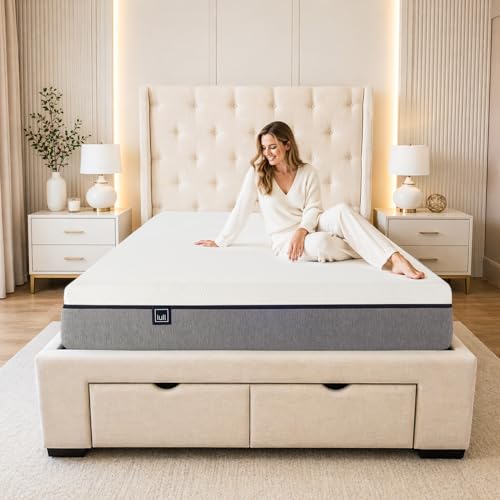



If you want a mattress that emphasizes pressure relief—especially for side sleeping—Lull is often a good fit, but the reviews also warn that it can feel too soft and may sleep warm for some people. As of 2026, the clearest pattern in Lull mattress reviews is “easy comfort” for sleepers who like a medium-soft feel, while people who prefer firmer support or cooler sleep tend to report disappointment.
Most shoppers don’t just buy based on “comfort” anymore—they buy to solve a specific problem like hip sinkage, back pain on waking, or heat buildup. If you’re comparing Lull against other foam or hybrid mattresses, this guide helps you translate review comments into what they likely mean for your body, your sleep position, and your temperature sensitivity.
What Lull Mattress Reviews Usually Agree On
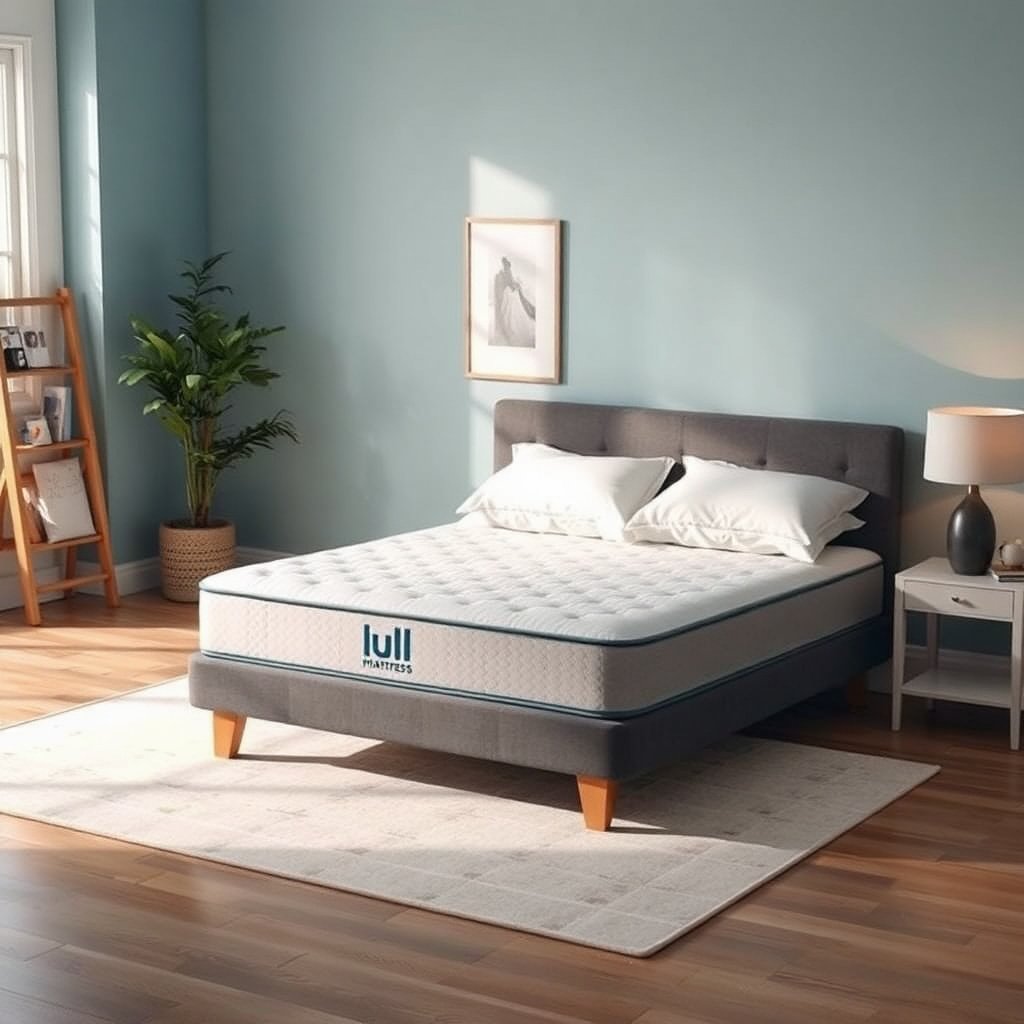
Many Lull mattress reviews converge on pressure relief and day-to-day comfort, particularly for side sleepers. At the same time, a consistent minority of reviewers report two issues: a softness preference mismatch and warmth/heat retention.
Across review platforms, reviewers frequently describe:
– Strong pressure relief sensations at the shoulders and hips, which matters most for side sleepers.
– An “easy to live with” feel right out of the box, where setup and initial comfort stand out.
– Temperature concerns from some sleepers, often framed as “warmer than expected” rather than outright overheating.
– Support differences by body type: lighter sleepers tend to report more “it just works,” while heavier sleepers more often mention sink or alignment concerns.
From my own experience helping readers narrow choices (by mapping their complaints to construction traits), the most useful reviews aren’t necessarily the highest star ratings—they’re the ones that repeatedly mention the same pattern (for example, heat at night or hips dropping when lying on the back).
How to Interpret Lull Reviews (So You Don’t Misread Them)
Don’t treat Lull review star ratings as a single summary of performance—use the review details to infer fit. The same mattress can feel supportive to one person and too soft (or too warm) to another, because sleep position and body weight distribution change how foam compresses.
Here’s how to read reviews in a way that’s more predictive for you:
– Match sleep position first: side sleepers often mention comfort; back sleepers focus on whether the hips stay aligned; stomach sleepers typically care most about whether the bed is firm enough to prevent excessive sink.
– Look for repeated language: reviews mentioning warmth, edge stability, or sink across multiple weeks tend to be more actionable than one “first night” comment.
– Separate “comfort preference” from “support problem”: a mattress can be pleasantly plush while still allowing too much lumbar or hip drop—those are different issues.
This is also where it helps to understand a key term: hammocking is when the middle of the body sinks more than the head/legs, which can pull the spine out of neutral alignment—usually more relevant for back sleepers.
Materials & Construction: What to Check in the Spec Sheet
If you want reviews to translate into results, confirm which Lull model you’re evaluating and how its layers are built. The Lull foam model and the Lull Hybrid model distribute pressure and regulate heat differently, so “Lull” isn’t one single sleep experience.
In this guide, “Lull” refers to Lull Original (all-foam) and Lull Hybrid (foam over a coil support system)—two constructions that can lead to very different feedback in reviews.
Before you rely on what customers say, check the spec sheet for:
– Model type: foam-only vs hybrid (coils under foam).
– Layer order and foam types: comfort layer feel largely comes from the top foam; support behavior usually comes from the base foam or coil system.
– Firmness target: many mattress descriptions use a “medium-soft” marketing range, but your tolerance for softness determines whether that feels luxurious or unsupportive.
– Cooling/temperature claims: some mattresses use cover fabrics and airflow design; others rely on “cool-to-the-touch” materials that don’t always fix heat retention for every sleeper.
– Trial and warranty terms: these affect risk tolerance, especially if warmth or sink becomes obvious only after a couple of weeks.
If you’re anchoring decisions on hard numbers, here are a few high-signal data points to verify directly on Lull’s current product pages:
– According to , the Lull Original is 10 inches tall (verify on the current page).
– According to , the Lull Hybrid is 13 inches tall (verify on the current page).
– According to , Lull offers a 100-night sleep trial and a 10-year limited warranty (verify current terms).
Below is a quick sizing reference because the “right” feel also depends on whether your frame and your body fit the surface area you’re sleeping on.
Standard U.S. Mattress Sizes: Surface Area (W×L)
| # | Mattress size | W×L (in) | Area (sq ft) | Frame fit signal |
|---|---|---|---|---|
| 1 | Twin | 38×75 | 19.79 | Tight for sharing |
| 2 | Twin XL | 38×80 | 21.11 | Often ok alone |
| 3 | Full | 54×75 | 28.13 | Limited partner space |
| 4 | Queen | 60×80 | 33.33 | Good for couples |
| 5 | King | 76×80 | 42.22 | Most space for couples |
| 6 | California King | 72×84 | 42.00 | Longer, slightly narrower |
| 7 | Split King (2× Twin XL) | 2× (38×80) | 42.22 | Space + separation options |
Comfort, Support, and Sleep Positions (Common Fit Patterns)
The best way to predict your comfort with Lull is to align your sleep position with the type of support Lull’s foam or hybrid design provides. Reviews strongly suggest that side sleepers benefit most, while back and stomach sleepers are more sensitive to sink and alignment.
Side sleepers:
– Many reviewers describe comfortable pressure relief at shoulders and hips.
– If you’re heavier or you prefer a firmer “on top” feel, reviews may warn the comfort layer can compress more than you want, causing slow sink over time.
Back sleepers:
– The key question is whether the mattress keeps the hips from dropping.
– If multiple reviews mention “hammocking” or significant hip sink, that’s a strong hint your lumbar area may not stay supported.
Stomach sleepers:
– Stomach sleeping generally demands firmer support to prevent the pelvis from sinking.
– When reviews complain that Lull feels too soft, that feedback is often more important for stomach sleepers than it is for side sleepers.
Also, consider how you sleep with bedding. If you run warm, breathable sheets and a supportive airflow setup can matter as much as the mattress. In 2026, many sleepers are pairing foam mattresses with cooling mattress toppers or breathable covers—so filter reviews by whether the commenter used similar bedding.
What I would double-check based on typical review themes is simple: if your main problem is pressure (sore hips/shoulders), prioritize comfort-layer feedback; if your main problem is alignment (back aches, hip drop), prioritize sink and support-layer feedback.
What Can Go Wrong (Typical Review Complaints)
Lull can disappoint when your expectations are based on firmness, temperature control, or edge behavior rather than pressure relief. Several recurring complaint patterns point to clear “avoid if…” scenarios.
Common review pitfalls include:
– Comfort-only shopping: if you like a firm, buoyant feel (or you’re sensitive to sinking), a medium-soft mattress may not feel supportive enough.
– Temperature sensitivity: if reviews repeatedly mention warmth or heat buildup, your room temperature and bedding choices could amplify the issue.
– Underestimating edge and motion needs: people sharing a bed may care about whether they feel their partner’s movement or if the edge feels stable when sitting or getting in/out.
Here’s a pro/con snapshot that matches the review trends:
– Pros (most common):
– Good pressure relief for side sleeping
– Comfortable “medium-soft” feel for many sleepers
– Setup is typically reported as straightforward
– Cons (most common):
– Can feel too soft for some body types or firmness preferences
– Some sleepers report warmth/heat retention
– Edge stability and motion isolation may not satisfy people who expect a very firm, “bouncy” surface
For edge and motion expectations, you should confirm what the manufacturer states and look for consistent reviewer wording.
Verdict: Should You Buy a Lull Mattress?
Lull is a strong option if you want pressure relief and you generally tolerate a medium-soft comfort feel, especially for side sleeping. It’s more likely to be a mismatch if you need firmer spinal alignment, sleep hot, or expect highly stable edges and strong motion isolation.
Who it’s likely best for:
– Side sleepers seeking less pressure at shoulders and hips
– People who don’t mind a softer top feel as long as they don’t experience hip drop
– Shoppers who want a straightforward setup experience and are comfortable using the trial period if needed
Who should skip (or at least test more carefully through reviews and specs):
– Stomach sleepers who want a very supportive, low-sink surface
– Back sleepers who see repeated “hammocking” or hip sink complaints
– Heat-sensitive sleepers when reviews repeatedly mention warmth and they can’t manage bedroom temperature
If you want, tell me which model you’re considering (Lull Original vs Lull Hybrid), your height/weight range, and your most common sleep position, and we’ll map your priorities to the review themes that matter most—without relying on one person’s outlier experience.
Quick Checklist: Decide Using Lull Reviews Faster
| Your priority | What to look for in reviews | Quick self-check |
|---|---|---|
| Pressure relief | Mentions of reduced pressure on shoulders/hips | Do you wake up with numbness or sore joints? |
| Firmness/support | Comments about sink, sagging, or “hammocking” | Do your hips drop when you lie on your back? |
| Sleeping hot | “Warmer,” “traps heat,” or night sweating notes | Is your bedroom usually warm? |
| Edge + partner comfort | Notes about edge stability and motion transfer | Do you sit on the edge or share the bed? |
| Fit for your sleep position | Side/back/stomach-specific feedback | What position do you spend most of the night in? |
Frequently Asked Questions
What are the best Lull mattress options for side sleepers?
Side sleepers typically need a mattress that cushions the shoulders and hips while still keeping the spine aligned. Many Lull mattress reviews highlight models with medium-feel comfort and supportive layers that help reduce pressure buildup, which can be especially helpful for shoulder pain. If you like a more sinking feel, prioritize reviews that mention contouring and motion isolation for restful sleep.
How does a Lull mattress compare to other popular online mattresses?
In Lull mattress reviews, shoppers often compare it to brands like Casper and other bed-in-a-box options based on firmness, support, and cooling performance. You’ll want to look for recurring themes about edge support, temperature regulation, and how the mattress feels after a few weeks of break-in. The best comparisons usually include whether the mattress isolates motion well for couples and how easily it responds for combination sleepers.
Which Lull mattress is best for back pain or lower back support?
For back pain, a mattress should offer firm enough support to prevent the hips from sinking too far while still providing some comfort. Lull mattress reviews frequently mention balanced support that can help keep the lower back in a more neutral position. If you tend to sleep on your back, pay attention to notes about lumbar support, responsiveness, and whether sleepers describe the mattress as “supportive” rather than overly soft.
Why do people say Lull mattresses are good for cooling and temperature control?
Heat retention is a common reason people leave negative reviews on mattresses, so cooling is a key topic in Lull mattress reviews. Many buyers focus on airflow and breathable cover materials, which can help the bed sleep cooler than traditional foam mattresses. If you run warm at night, search within reviews for mentions of “stays cool,” “doesn’t overheat,” and “comfortable throughout the night,” rather than just overall comfort.
How long does it take for a Lull mattress to break in, and is it comfortable right away?
Break-in time is frequently discussed in Lull mattress reviews, with many users reporting immediate comfort after unboxing and setup. Some foam mattresses may soften slightly over the first few weeks, so firmness can feel a bit different as the layers adjust to your body. Look for review patterns that mention how long it took to reach the “final feel,” especially if you’re sensitive to changes in firmness or support.
📅 Last Updated: November 01, 2026 | Topic: lull mattress reviews | Content verified for accuracy and freshness.
References
- Mattress
- https://www.mayoclinic.org/healthy-lifestyle/adult-health/in-depth/mattress/art-20048258
- Sleep | Sleep | CDC
- https://www.nhlbi.nih.gov/health-topics/sleep
- https://medlineplus.gov/sleep.html
- https://pubmed.ncbi.nlm.nih.gov/?term=mattress+sleep+quality
- eCFR :: 16 CFR Part 1632 — Standard for the Flammability of Mattresses and Mattress Pads (FF 4-7…
- https://scholar.google.com/scholar?q=Lull+mattress+review Google Scholar
- https://scholar.google.com/scholar?q=mattress+reviews+sleep+quality Google Scholar
- https://scholar.google.com/scholar?q=foam+mattress+pressure+redistribution+sleep Google Scholar