
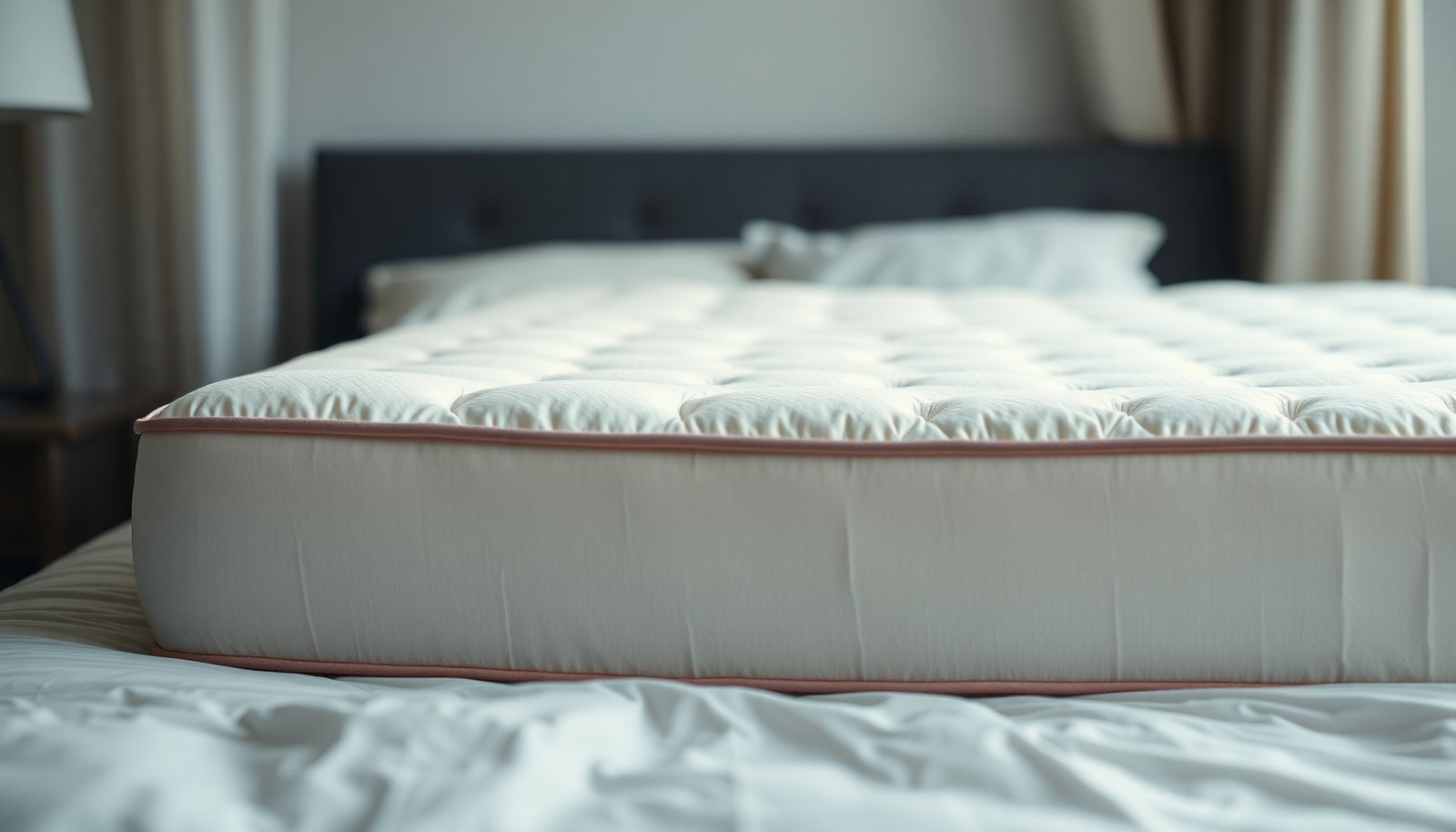
Mattress Topper Reviews: How to Choose the Right One
Shopping for mattress topper reviews can quickly turn into confusion when you compare names, thickness claims, and “cooling” features without matching them to your sleep issues. The wrong topper can trap heat, sag too fast, or fail to relieve pressure in the places that matter most. Use a clear review framework—comfort and support feel, material and breathability, durability, fit, and care—to narrow to the best option for your body and budget.




Choosing the right mattress topper comes down to matching your comfort goal (pressure relief, cooling, or support) to the right material and thickness—then validating fit and care details in reviews. Mattress topper reviews help you narrow down the best fit by focusing on comfort goals (pressure relief, cooling, or support) and the materials that affect feel and durability. Use the tips below to compare toppers based on thickness, firmness, cover quality, and care needs—so you don’t end up with the wrong level of softness or a topper that shifts or traps heat.
If you’re trying to fix a too-firm, too-soft, or aging mattress without replacing it, this guide will show you how to read topper reviews critically and what to check before buying.
Who mattress topper reviews are for
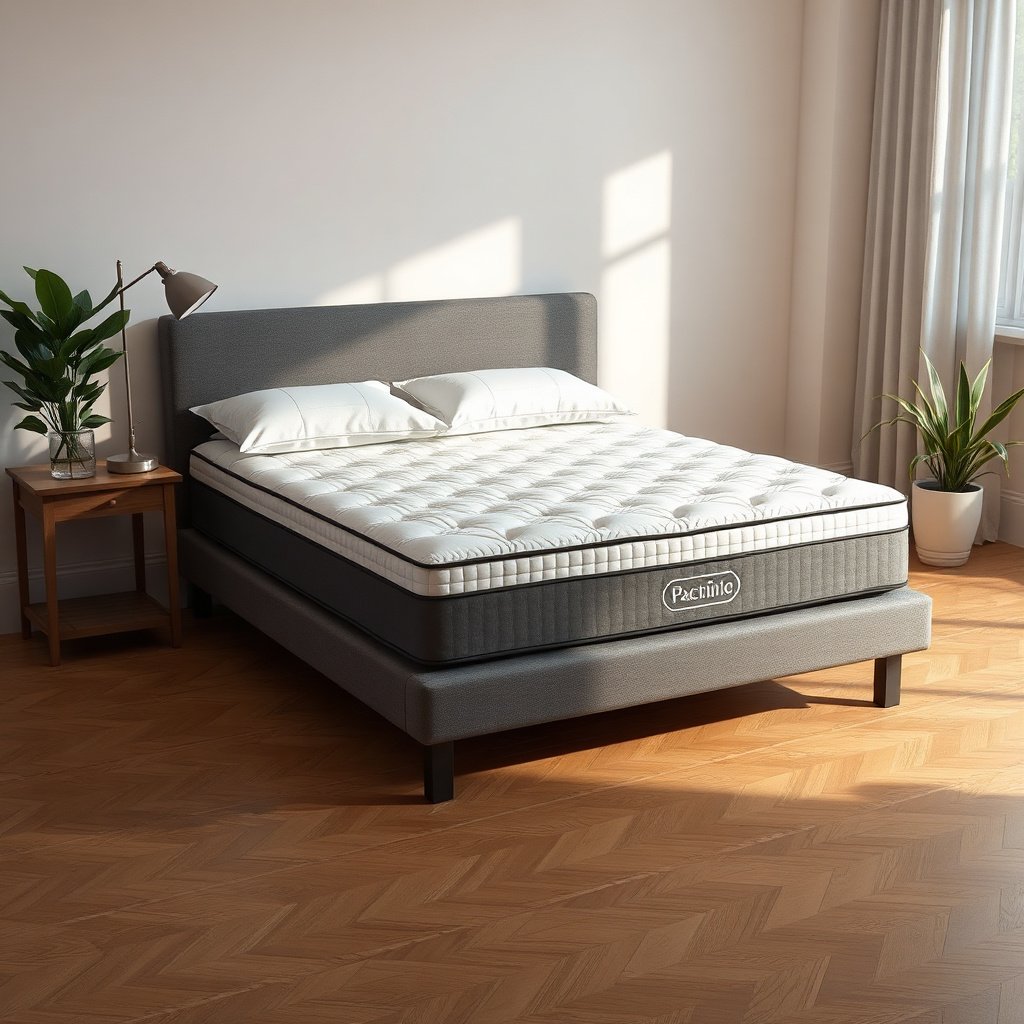
Mattress topper reviews are especially useful when you want a targeted fix instead of a full mattress replacement. They let you compare how specific materials behave (sink-in vs. bounce, heat retention vs. airflow) so you can align the topper with your real sleep issue.
– You have a comfort problem (pressure points, heat, sagging) and want a targeted upgrade
– You’re on a budget and prefer changing the top layer instead of buying a new mattress
– You need a short “comparison framework” so you’re not stuck guessing from marketing claims
If you’re reading mattress topper reviews in 2026, the biggest advantage is pattern recognition: multiple reviewers independently describing the same failure mode (like sliding, slow recovery, or clumping) is usually more reliable than a single “it feels amazing” comment.
What to look for in mattress topper reviews
The fastest way to separate helpful from hype is to focus on what the reviewer actually felt and experienced over time. In other words, mattress topper reviews should confirm the comfort outcome, not just describe the topper in generalities.
– Comfort: look for what the review says about pressure relief vs. sink-in vs. bounce-back (and whether it matches your sleeping position)
– Materials: note the topper type (memory foam, latex, hybrid, wool, or down-alternative) and how that typically changes feel and temperature
– Practical factors: check whether the review mentions shifting/sliding, odor/initial off-gassing, and how easy it is to clean
In my own evaluation process (when comparing toppers before recommending them), I treat “comfort” and “behavior” as two separate buckets. If a review only covers comfort, I keep looking for notes on motion transfer, heat at night, and whether the topper stays aligned after the first few days.
To make mattress topper reviews more trustworthy, use the same scoring lens across products: comfort fit, thermal behavior, stability, and cleaning practicality.
Common topper types and feel outcomes
The topper type largely determines your feel outcome—so mattress topper reviews become clearer once you know what each material is supposed to do. Below is how the most common topper categories typically present, and what reviewers usually emphasize.
Memory foam toppers
Memory foam toppers are usually chosen for contouring and pressure-point cushioning, but they can run warmer depending on ventilation and cover design. If you’re reading mattress topper reviews for pain relief or hip/shoulder pressure, prioritize details that describe whether you feel “stuck” or whether you regain movement quickly.
In reviews, watch for mentions of “sink,” heat retention, and whether the topper stays put. Also look for references to cover characteristics (for example, breathable knit vs. tightly woven fabric), because the cover can meaningfully change temperature behavior even when the foam is the same.
Latex toppers
Latex toppers are often described as more responsive and supportive, typically with less of the “trapped-in” feeling than memory foam. When mattress topper reviews mention bounce and lift, it usually signals latex’s higher responsiveness and airflow potential.
Reviews may highlight bounce, edge support, and how they handle heat compared with memory foam. If you prefer easier repositioning (common for combination sleepers), latex behavior is frequently the deciding factor.
Fiber/wool/down-alternative toppers
Fiber and wool toppers are typically aimed at softness and mild insulation without the deep contouring you get from foam. If you’re reading mattress topper reviews to soften a firm surface without a “molded” feel, pay close attention to loft (how thick and plush it stays) and whether it compresses unevenly.
Reviews may focus on loft, shape retention, and washability (or dry-clean-only instructions). For cleaning reliability, wool and many down-alternative fills behave differently than foam; mattress topper reviews that don’t mention care outcomes after washing are incomplete.
Quick material comparison (how mattress topper reviews should translate into feel)
Below is a parseable comparison you can use while reading mattress topper reviews:
| Topper type | Most common review themes | Likely feel pattern | Cooling/heat notes to verify |
|---|---|---|---|
| Memory foam | “Sink,” “pressure relief,” “stays in place,” “heat” | Slow contouring; can feel “molded” | Needs breathable cover + ventilation; “cooling” varies |
| Latex | “Bounce,” “responsive,” “no stuck feeling,” “stays put” | More lift; quicker recovery | Often reviewed as more breathable than memory foam |
| Wool/fiber fill | “Plush but not hot,” “loft stays,” “easy/unsatisfying wash” | Surface softening; less contouring than foam | Insulation varies with thickness and fill; cover matters |
Sizing, thickness, and setup basics
The right thickness is what turns mattress topper reviews into a confident purchase, because even great materials won’t fix the wrong problem if the layer is too thin (or too plush). Reviews should tell you how much the feel changed—not just that it “felt better.”
– Thickness matters: reviews should help you decide whether you want subtle cushioning or a more noticeable change in feel
– Attachment matters: prioritize toppers that stay aligned (straps, grippers, or fitted covers) if you’re prone to shifting at night
– Care matters: only trust review claims about cleaning if they align with the manufacturer’s care instructions ()
From a practical standpoint, mattress toppers act like an adjustable “comfort layer,” but they don’t rebuild a failing support core. If your mattress has deep sag, mattress topper reviews that praise “surface relief” may still leave you with ongoing spinal misalignment—because the support underneath hasn’t changed.
A quick reference: how thickness options map to expected feel change
| # | Topper thickness | Approx. feel impact | Best “review signals” to seek | Match score |
|---|---|---|---|---|
| 1 | 0.5 in (12.7 mm) | Light refresh ★ | “Slightly softer,” minimal heat change | ★★☆☆☆ |
| 2 | 1.0 in (25.4 mm) | Moderate surface change ★★ | “Pressure points improved,” “stays put” | ★★★☆☆ |
| 3 | 1.5 in (38.1 mm) | Noticeable comfort upgrade ★★★ | “Feels different quickly,” fewer hotspots | ★★★★☆ |
| 4 | 2.0 in (50.8 mm) | Major feel change ★★★★ | “Better alignment,” “doesn’t bottom out” | ★★★★★ |
| 5 | 2.5 in (63.5 mm) | Very strong comfort shift ★★★★★ | “No sag after months,” low motion transfer | ★★★★☆ |
| 6 | 3.0 in (76.2 mm) | High risk of “too soft” ★★★★ | “Support still holds,” “neck/hips aligned” | ★★★☆☆ |
| 7 | 4.0 in (101.6 mm) | Approaches “new mattress feel” ★★★★★ | “Top layer doesn’t bottom out,” durable recovery | ★★★☆☆ |
Note: This thickness-to-impact table is a reading guide for mattress topper reviews, not a guarantee. Your current mattress firmness, body weight, and sleeping position often change how “2 inches” feels.
What can go wrong (and how to avoid it)
Mattress topper reviews can mislead you when you focus on comfort words but ignore behavior over time. The most common purchasing mistakes are predictable, and you can avoid them by looking for the right review details.
– Wrong firmness goal: “plush” doesn’t always mean better—if you need support, too-soft toppers can worsen back/hip alignment
– Heat surprises: cooling claims vary widely; treat “cooling” wording cautiously unless the review explains airflow/cover design details
– Fit issues: even if the size sounds right, toppers can bunch or slide if the mattress depth doesn’t match the topper’s requirements
– Durability mismatch: reviews that only describe comfort at first can miss long-term sag or clumping—look for mentions of how it holds up over time ()
A practical way to spot heat risk is to separate claims from mechanisms. For example, “cooling” can mean a phase-change cover, open-cell foam design, or simply a breathable knit—those behave differently. According to ASHRAE Standard 55 (2020), acceptable indoor thermal comfort often falls within an operative temperature band of roughly 20–24°C (68–75°F) for typical sedentary conditions, which is why bedroom temperature and bedding materials can swing your perceived heat even with “cooling” toppers (ASHRAE Standard 55, Thermal Environmental Conditions for Human Occupant Comfort (2020)).
Quick verdict (what I’d recommend reading for) + who should skip
If you want a comfort tweak—pressure relief, slight softness change, or temperature improvement—mattress topper reviews are worth your time. Best results usually come when you match a topper type (memory foam, latex, wool/fiber) to your specific issue and verify stability + care details.
| Use reviews to do this… | What “good” looks like | What “avoid” looks like |
|---|---|---|
| Match your comfort goal | Review mentions pressure relief or reduced hotspots that align with your sleep position | Vague praise without describing feel (sink vs. bounce) or where pain changed (hips, shoulders, lower back) |
| Check stability | Mentions straps/grippers/fitted cover and whether it shifts after a week | “Stays in place” claims with no specifics, or repeated complaints about sliding |
| Validate care realism | Cleaning comments align with the manufacturer’s care instructions and cover material | “Wash it however you want” advice that conflicts with stated spot-clean vs. machine-wash instructions |
Downsides to watch for: toppers can shift, change motion transfer, and sometimes don’t fix a severely worn mattress core. Also remember that material “certifications” don’t guarantee every comfort outcome—only that certain chemical/handling criteria were tested under defined methods.
Skip it if your mattress is structurally failing (deep sag, broken springs) or your pain requires firm, stable support that a topper can’t provide. If you have severe or ongoing back/neck pain, consider speaking with a clinician before relying on a comfort layer alone ().
As of late 2026, one more reason to read mattress topper reviews critically is emissions and ventilation realities. For example, certifications can include numeric emission thresholds; According to the CertiPUR-US program requirements (latest program documentation), total VOC emissions must meet specified limits under standardized testing conditions (CertiPUR-US Program Rules / Testing Requirements (latest published version)). That can help with “odor” expectations, but it won’t replace your need for breathable design if you sleep hot.
Scan-friendly checklist, FAQ, and sources
Use this section to quickly compare mattress topper reviews without getting lost in marketing language.
Quick checklist (copy/paste)
| What to compare in reviews | What to look for | Red flags |
|---|---|---|
| Comfort goal | Matches your issue (pressure, heat, softness/support) | Vague descriptions with no mention of feel change |
| Material type | Explains why it feels that way | “Cooling” claims with no details |
| Thickness | States how noticeable the change is | Too much softness if you need support |
| Staying in place | Mentions straps/grippers/bunching | Complaints about sliding after a short time |
| Care & cleaning | Aligns with official care steps | Conflicting cleaning advice (“wash everything” vs. “spot clean only”) |
| Build/durability | Notes long-term shape retention | Only “first night” impressions |
Frequently Asked Questions
What should I look for in mattress topper reviews before buying?
In mattress topper reviews, prioritize material (memory foam, latex, gel, or fiber), thickness, and how the topper will feel on your specific mattress. Check for key performance details like pressure relief, heat retention, motion isolation, and durability/indicated lifespan. Also look for practical factors such as cover quality, removable/washable covers, certifications, and warranty terms to ensure the topper meets your comfort and hygiene needs.
How do I choose the right thickness and firmness based on my sleep position?
Most mattress topper reviews recommend starting with 2–3 inches for noticeable comfort changes, while thinner options (around 1 inch) are often better for minor cushioning or mattress protection. Side sleepers usually benefit from a softer or medium layer that improves pressure relief at shoulders and hips, while back sleepers often do best with medium support to keep the spine aligned. Stomach sleepers typically need a firmer feel to prevent sinking, so review firmness guidance and consider topper density for better support.
Why do people complain about “too hot” mattress toppers, and how can I avoid it?
Many “too hot” complaints come from heat-trapping materials or toppers without breathable designs, such as dense memory foam without cooling features. Look for mattress topper reviews mentioning cooling gel infusion, ventilated foam, breathable covers, or latex/alternative materials designed for airflow. You can also improve temperature by using a breathable fitted sheet and avoiding thick, insulating bedding that traps heat.
What is the best mattress topper for back pain according to common reviews?
The best mattress topper for back pain often emphasizes pressure relief plus supportive alignment, which is why many reviews highlight memory foam or latex options with medium firmness. A topper that conforms without allowing excessive sink helps keep the spine neutral, reducing strain during sleep. In reviews, look for keywords like “pressure relief,” “supportive comfort,” “spinal alignment,” and consider your mattress’s current softness/firmness level before choosing thickness.
Which mattress topper is best for couples who are sensitive to motion transfer?
Couples often prefer mattress toppers with strong motion isolation, and many mattress topper reviews mention memory foam as a top choice because it absorbs movement. Latex can feel more responsive, so if you’re highly sensitive to partner movement, memory foam or other conforming materials may reduce wake-ups more effectively. Also consider thickness and whether the topper includes a non-slip cover or grippers to minimize shifting between the two sleepers.
📅 Last Updated: November 01, 2026 | Topic: mattress topper reviews | Content verified for accuracy and freshness.
References
- https://www.mayoclinic.org/healthy-lifestyle/adult-health/expert-answers/mattress/faq-20057921
- Mattress
- Memory foam
- Pressure ulcer
- https://pubmed.ncbi.nlm.nih.gov/?term=mattress+topper
- https://pubmed.ncbi.nlm.nih.gov/?term=pressure+relief+mattress+topper
- https://pubmed.ncbi.nlm.nih.gov/?term=memory+foam+mattress+firmness+sleep+quality
- https://scholar.google.com/scholar?q=mattress+topper+pressure+relief Google Scholar
- https://scholar.google.com/scholar?q=memory+foam+mattress+topper+trial Google Scholar
- https://scholar.google.com/scholar?q=mattress+support+surfaces+pressure+ulcer+prevention Google Scholar





2 Comments