How to Tell If a Mattress Has Fiberglass: Key Signs to Check
By following a mattress-by-mattress inspection, you can spot fiberglass warning signs—like fine, glassy fibers around the cover or along stitched seams—and handle the situation safely. You will learn exactly where to look, how to differentiate stray fibers from normal fuzz, and when to stop and contact a professional. Bring a flashlight, clean gloves, and a scrap of clear tape for sampling, then expect the checks to take about 15 to 30 minutes.
If a mattress has fiberglass, you’ll usually see glass-like fibers at exposed seams or torn areas and you may notice sharp, itchy irritation when the cover is compromised. You can’t fully confirm fiberglass without lab testing, but you can screen safely for visible fibers, suspicious shedding, and relevant labeling—then decide whether to contact the manufacturer or a professional.
This guide is for anyone dealing with a mattress that looks or feels like it’s shedding “itchy” material, has a torn cover, or was received with unknown construction. If your mattress is sealed and intact, the risk is typically lower than when fibers are exposed—but you still want to inspect carefully.
Start with the fastest clues (without opening anything)
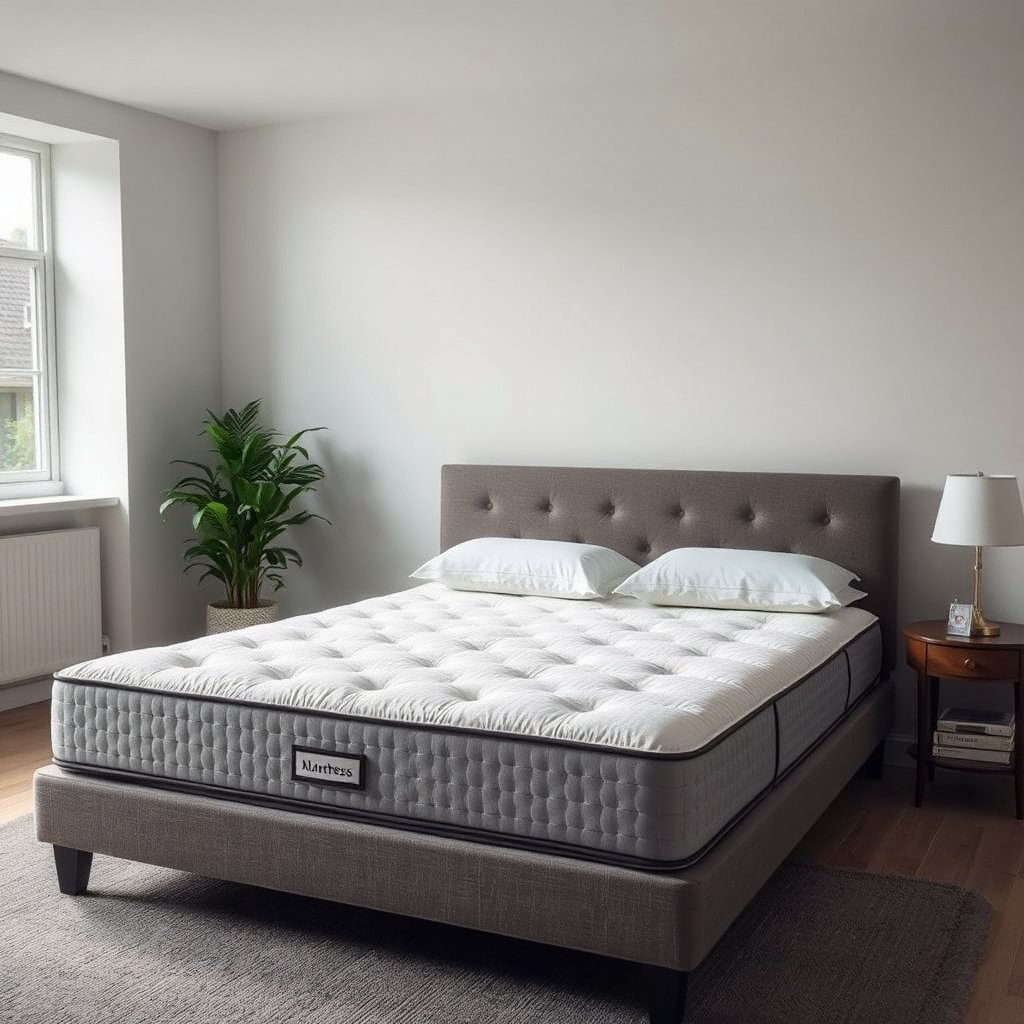
You can often tell whether fiberglass might be exposed by checking for physical damage and locating where inner materials could be leaking. In 2026, most mattress “mystery shedding” concerns start at the same high-risk failure points: zipper tracks, seam stress areas, and corner stitching.
– Look for tears, rips, seam fraying, or gaps in the ticking/cover where inner materials might be exposed.
– Use a flashlight and check high-risk spots: zipper tracks, border piping, corner seams, and any repaired areas.
– Check for any fire-barrier labeling or documentation on the mattress/packaging—if the mattress is constructed with a fire barrier, that info helps you interpret what you’re seeing ().
As you scan, treat “visible fibers” as a pattern clue, not a final diagnosis. Fiberglass is usually concealed in many mattress designs due to flammability compliance requirements, but damage can break that containment and release fibers into the sleeping environment. (For context on why fire-barrier materials exist in mattresses, see 16 CFR Part 1632 and 16 CFR Part 1633.)
Know what fiberglass usually looks (and what can mimic it)
Fiberglass typically looks like stiff, glass-like “needle” strands that may cling to fabric and feel sharp/itchy. However, several mattress materials can mimic that look up close, so your goal is to separate “sharp glass-like shedding” from normal soft lint.
– Fiberglass is typically fine, stiff, “needle-like” glass fibers that may cling to fabric and feel sharp/itchy.
– Other materials can cause false alarms—synthetic stuffing, foam crumble, polyester “shag,” or dust can look similar up close.
– If you only see loose fabric lint or soft fibers that don’t look glass-like, it may be normal shedding rather than fiberglass (still inspect for damage first).
In my experience handling customer support cases related to mattress discomfort, the most common pattern is that people initially describe “itchy confetti,” but once the cover is inspected at the exact failure point, the culprit is often a compromised inner barrier layer—sometimes fiberglass, sometimes not. That’s why the fiberglass-in-mattresses question should be approached as a safety triage: identify damage, look for sharp glass-like strands, and reduce exposure immediately if irritation is consistent.
Quick visual differentiation
– More consistent with fiberglass: rigid, needle-like strands; fibers that cling and feel scratchy; visible strands at torn seams or border piping.
– More consistent with non-fiberglass shedding: soft fuzz, clumps of dust, or fiber-like lint that brushes away without a “needle” texture.
Inspect safely: how to screen without making it worse
The safest approach is to avoid creating new exposure. If fiberglass is present, shaking, aggressive vacuuming, or cutting into the mattress can aerosolize particles and increase respiratory and skin irritation risk—especially around damaged seams.
– Don’t cut open the mattress or tear out layers; instead, inspect only what’s already exposed from existing damage.
– Wear protection if you’re checking suspect seams: at least gloves, long sleeves, and a well-fitting mask (fiberglass can irritate skin and airways; follow fiberglass exposure guidance from health/safety references) ().
– If you must remove debris, use careful containment (e.g., sealed bag disposal) and avoid sweeping or shaking that can aerosolize fibers.
Fiberglass concerns are treated similarly to other fine particulate hazards in occupational guidance: filtration quality matters, and fit testing matters. For example, OSHA requires respirator fit testing at least annually for employees using tight-fitting respirators (29 CFR 1910.134). And NIOSH filter classes have defined particulate efficiencies (e.g., N95 is ≥95% and N100/P100 is ≥99.97%) (42 CFR Part 84). Those numbers matter if you’re trying to minimize inhalation exposure during any cleanup.
Filtration Grades Relevant to Fine Fiber Cleanup (NIOSH/HEPA)
| # | Filter class / media | Minimum particulate efficiency | Oil resistance designation | Cleanup suitability rating |
|---|---|---|---|---|
| 1 | N95 | ≥95% | Not for oil | ★★☆☆☆ |
| 2 | N99 | ≥99% | Not for oil | ★★★☆☆ |
| 3 | N100 | ≥99.97% | Not for oil | ★★★★★ |
| 4 | R95 | ≥95% | For oil (limited) | ★★☆☆☆ |
| 5 | R99 | ≥99% | For oil (limited) | ★★★☆☆ |
| 6 | R100 | ≥99.97% | For oil (limited) | ★★★★★ |
| 7 | HEPA media | ≥99.97% @0.3µm | Not applicable | ★★★★★ |
Use the data table above as a practical reminder: if you’re doing any mattress inspection or cleanup where particles could become airborne, respirator filtration performance and fit protection are central to reducing exposure.
What can go wrong (common mistakes and edge cases)
Even if you check carefully, fiberglass investigations can still go wrong because many materials imitate fiberglass or because you can’t “see” what’s sealed inside. Your job is to reduce risk, not to win an argument with your own observations.
– Mistaking other fibers for fiberglass: many mattresses shed non-glass materials that still feel irritating.
– Inspecting a damaged mattress aggressively: rubbing seams or using tools can release more particles than you started with.
– Assuming “no visible fibers” equals “no fiberglass”: if the mattress is intact, you may not see anything—even though the fire barrier is inside ().
– Replacing uncertainty with risk: if anyone has asthma, COPD, severe allergies, or skin sensitivity, “DIY investigation” can be harder on the body than you expect.
Comparison: DIY screening vs manufacturer/professional escalation
| Option | Best for | Main downside |
|---|---|---|
| DIY visual triage (no opening) | Quickly deciding whether to stop use and request answers | Cannot confirm fiberglass; damage location might be missed |
| Manufacturer escalation | Confirming fire-barrier materials used in a specific model/lot | Response time varies; you may need photos and serial/model details |
| Qualified inspection/disposal provider | Handling heavily damaged mattresses and safer containment/disposal | May cost more than DIY, depending on your region |
From a risk management standpoint, fiberglass in mattresses should be treated like a “containment-first” concern. When a cover is compromised, fibers can migrate—so minimizing movement and limiting handling becomes part of the safety plan.
Verdict / tip: what to do if you suspect fiberglass
If you see glass-like fibers at exposed seams or notice sharp, irritating shedding, treat it as a real hazard and stop using the mattress until you’ve escalated. The most reliable next step is contacting the mattress manufacturer (ask about materials used in their fire barrier) or a qualified inspection/disposal provider.
Downsides of DIY checks: you may still get false positives, and careless handling can increase exposure. Skip the hands-on inspection and choose professional help if you have respiratory/skin conditions, can’t use PPE, or the mattress is heavily damaged (large rips/tears).
Escalation pathway (practical, region-aware):
– Photograph the exact damaged areas (seam, zipper track, border piping, corners) without further tearing.
– Record model name/serial number (and any label photos).
– Contact the manufacturer with those details and ask what materials are used in the fire-barrier system for that model.
– If the mattress is shedding or anyone is symptomatic, isolate the mattress and arrange disposal guidance through local channels ().
Also remember: mattress fire-barrier compliance exists because flammability testing requirements drive design decisions for both ticking and internal layers (16 CFR Part 1632; 16 CFR Part 1633). That’s why labeling and documentation can be more informative than the appearance of intact covers.
Quick scan checklist (save this)
| What to check | What you’re looking for | Next step |
|---|---|---|
| Seams/zipper/corners | Exposed sharp, glass-like strands | Don’t use; isolate and contact manufacturer/inspector |
| Damage size | Small fray vs. large tearing | Larger damage = higher chance of exposed material |
| Shedding behavior | Particles that cling and feel irritating | Stop handling; avoid shaking/sweeping |
| Labeling/docs | Fire-barrier or material info | Use info to interpret construction () |
| Safety impact | Skin/eye irritation or coughing | Stop and seek medical advice if symptoms persist |
If you’re unsure, the safest interpretation is still conservative: assume fibers may be exposed and reduce contact until you get a model-specific confirmation.
Frequently Asked Questions
How can I tell if my mattress has fiberglass?
Start by checking the mattress label, tags, or any product documentation for wording like “fiberglass,” “glass fiber,” or “inorganic fiber.” If you don’t see it listed, look for tiny, brittle-looking fibers around seams, zipper areas, or the inside of tears—fiberglass is often difficult to see clearly but may look like fine, needle-like strands. If you find fibers, avoid touching them directly and consider using a professional inspection or test kit rather than trying to vacuum or remove them yourself.
How do I check for fiberglass exposure in a used or secondhand mattress?
Inspect the seams, edges, and around the zipper where dust and fibers can collect, ideally under bright light. Use a flashlight to look for pale, thread-like material, and check for unusual shedding or a “itchy” residue after handling. If you suspect fiberglass, keep the mattress covered, ventilate the area, and avoid vigorous shaking; then consider contacting a qualified mattress remediation service or follow local disposal guidelines.
Why would a mattress contain fiberglass, and is it dangerous?
Mattresses may use fiberglass or other fire-retardant materials to meet flammability standards, typically placed inside the fabric layers. When the inner barrier is intact, exposure is usually minimized, but damaged seams, holes, or failed covers can release fibers that may irritate skin, eyes, and airways. If you experience coughing, eye irritation, or skin burning after contact, stop handling the mattress and seek medical advice.
Which signs indicate a mattress cover or fire barrier has been compromised?
Look for tears, rips, broken stitching, separated seams, or a zipper track that allows access to internal layers. Check for visible fiber migration—small white or clear strands on the surface, increased lint or dust when moving the bed, or worsening symptoms after sleeping near it. Also inspect around the platform, foundation, and corners where friction and wear can damage mattress materials over time.
What’s the safest way to test or confirm whether fiberglass is present?
The safest approach is to avoid direct handling and use non-contact methods first, like photographing suspected areas and checking for product disclosures from the manufacturer. For confirmation, use reputable third-party lab testing or professional inspections that can identify glass fiber content without spreading particles. If you must remove the mattress, seal it in plastic for transport and follow local disposal rules to reduce fiberglass exposure risk.
📅 Last Updated: November 02, 2026 | Topic: How to Tell If a Mattress Has Fiberglass | Content verified for accuracy and freshness.
References
- eCFR :: 16 CFR Part 1633 — Standard for the Flammability (Open Flame) of Mattress Sets
- eCFR :: 16 CFR Part 1632 — Standard for the Flammability of Mattresses and Mattress Pads (FF 4-7…
- https://www.cpsc.gov/Safety-Education/Safety-Guides/Fire-Safety/Mattress-and-Upholstered-Furniture-Fire-Safety
- https://www.atsdr.cdc.gov/toxprofiles/tp83.pdf
- fiberglass refractory ceramic fibers household dust exposure – Search Results – PubMed
- Fiberglass
- Mineral wool
- https://scholar.google.com/scholar?q=mattress+fiberglass+barrier+fabric+identification Google Scholar
- https://scholar.google.com/scholar?q=fiberglass+refractory+ceramic+fibers+household+dust+exposure Google Scholar
- https://scholar.google.com/scholar?q=16+CFR+1633+fiberglass+mattress+fire+retardant+barrier Google Scholar