

How to Return a Mattress: Steps and What to Expect
You’re holding the delivery paperwork and realizing the mattress you chose just isn’t going to work in your home. The return process is usually straightforward, typically taking a few minutes to start the request and a short window for pickup or drop-off, depending on the retailer’s rules. You’ll just need your order number, the mattress condition and packaging details (if any), and a clear plan for who will handle transit—so you can move from “not right” to “returned” without unnecessary delays.




Return your mattress by following the store/manufacturer’s return window and the exact pickup or drop-off instructions, then keep proof of shipment or collection until your refund posts. Because mattress return policies are strict about timing and condition, the safest move is to confirm policy details (time limit, “like-new” rules, and any fees) before you schedule anything—so you don’t get denied after you’ve already removed tags or used non-approved packaging.
If you bought your mattress online or in-store and now need to send it back, this applies to most major retailers and brands. It’s especially useful when you’re not sure whether you should wait for pickup, ship it yourself, or return only through the original seller.
Before you start: confirm the basics
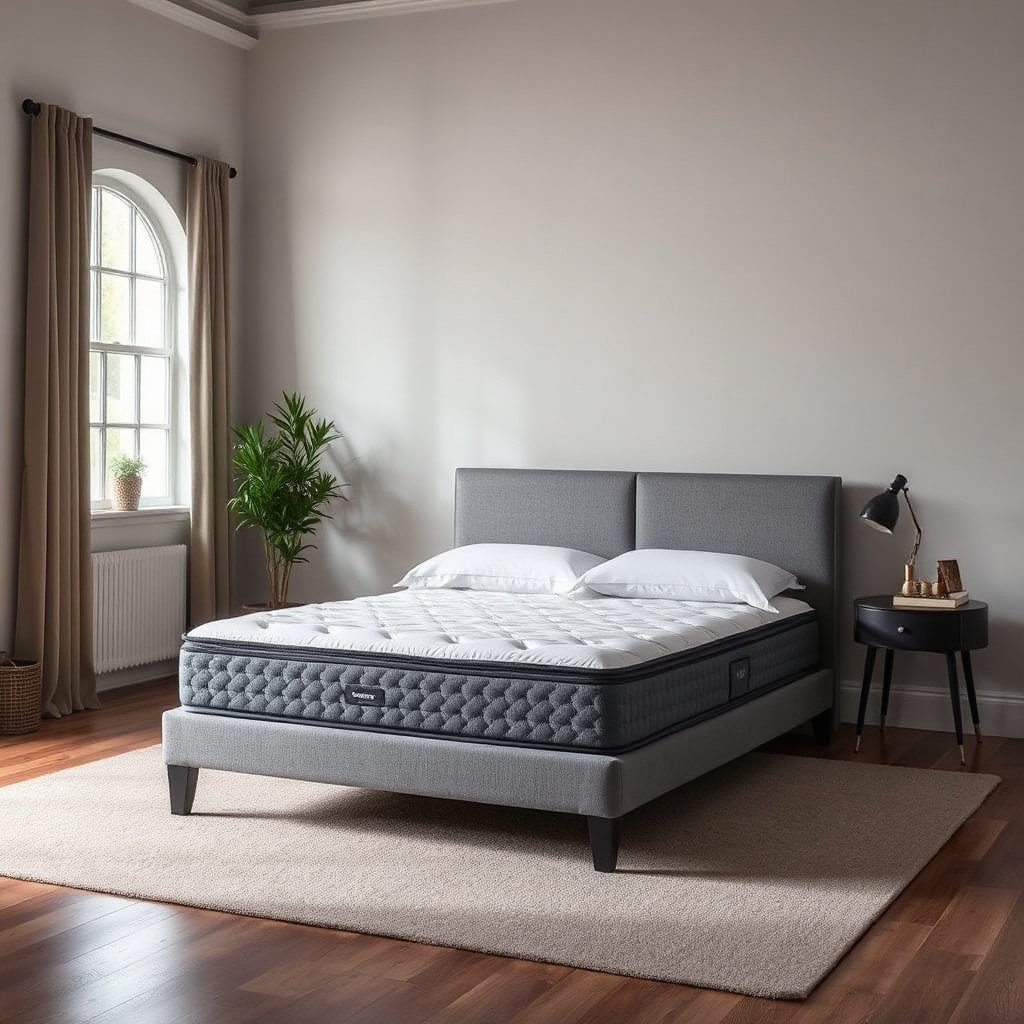
Confirming the basics first prevents the most common mattress return failure: missing the correct process for your order. In practice, most mattress return policies require the return to go through the original seller (the company on your receipt), and the return window usually starts at delivery, not purchase.
Before you touch the packaging, gather the order details and read your mattress return policy end-to-end:
– Find your order number and the purchase method (online vs. in-store), since returns usually must go through the original seller.
– Check the return window (how long you have to return) and whether your mattress must be in “like-new” condition.
– Identify the return method your policy uses: pickup, drop-off, or customer shipping.
If you’re dealing with multiple documents (invoice, mattress tags, delivery confirmation), keep them together. A mattress return policy often references an order number, specific labels, and sometimes even accessories (like a mattress bag or guide) that must be present for the return to be accepted.
Know your return policy (what to look for)
The quickest way to avoid a denied mattress return is to look for the exact requirements that trigger acceptance or rejection. Most mattress return policies are structured like this: a return window, an eligible condition standard, and then very specific steps for how the mattress must be collected, re-packed, or handed off.
What to scan for in your mattress return policy:
– Look for: return window, eligible mattress conditions, required accessories (if any), and whether the trial/return is tied to specific steps.
– Watch for exceptions: stained/soiled mattresses, missing labels, non-original packaging rules, or returns not accepted after delivery.
– Note any costs: some policies have return fees, restocking fees, or pickup charges—always confirm from the policy text tied to your order.
To put timelines in perspective, many “sleep trial” offers use fixed night counts that often start on delivery. For example, according to brand-published trial terms (accessed 2026), sleep trials commonly range from about 100 nights to 365 nights depending on the company.
Sleep Trial Lengths Commonly Used in Mattress Return Policies (2026)
| # | Brand | Sleep Trial (nights) | Founded | Trial Delta vs 100 Nights |
|---|---|---|---|---|
| 1 | Nectar | 365 | 2016 | +265% |
| 2 | Saatva | 180 | 2010 | +80% |
| 3 | Puffy | 101 | 2016 | +1% |
| 4 | Purple | 100 | 2013 | 0% |
| 5 | Leesa | 100 | 2011 | 0% |
| 6 | Casper | 100 | 2014 | 0% |
| 7 | Tuft & Needle | 100 | 2012 | 0% |
Prepare the mattress for pickup or drop-off
Preparing correctly is what protects your mattress return policy claim when conditions get inspected at collection time. If the retailer’s process involves re-packing, you need to follow it closely—because a damaged mattress can trigger deductions or a refusal.
Use these best practices for your mattress return instructions:
– Keep any tags, labels, and documentation that came with the mattress (policies often reference them).
– Clear a path for pickup (or prepare for drop-off) and protect floors/walls as instructed by the retailer.
– If the policy requires re-packaging, use the approved packing method; if it doesn’t, follow their “do not” instructions to avoid damage claims.
Also, treat the mattress surface as “return-ready” immediately. While policies vary, many require the mattress to be free of stains, heavy odor, or pet damage. If you used a protective cover, keep it in place until you’re instructed otherwise—this is one of the simplest ways to stay aligned with common mattress return policy condition standards.
Practical details to plan for:
– Size matters for logistics. For example, standard mattress dimensions are commonly listed as Twin ~38×75 in, Queen ~60×80 in, and King ~76×80 in.
– If you’re doing drop-off, ensure you understand how the store expects it to arrive (unbagged vs. bagged, strapped vs. boxed).
Schedule the return or arrange shipping
Scheduling correctly keeps your mattress return policy on track—especially when pickup windows, label requirements, or carrier rules apply. In most cases, you request the return via a retailer portal or by following the contact method listed in your order email.
Here’s how to proceed without breaking the chain of custody for your mattress return:
– Use the retailer/brand portal (or the customer service contact listed in your order email) to request the return.
– If they offer pickup, schedule it as directed and confirm the pickup date/time window in writing.
– If you must ship it, ask what carrier/packaging method they accept and request tracking/receipt proof before the carrier takes it.
Before pickup/shipping, confirm the “inputs” your mattress return requires:
– The order number and return authorization (if issued)
– The pickup address (and any access instructions like gates, parking, or elevators)
– The mattress condition checklist (some brands require photos at intake)
If you ship it yourself, remember that many mattress return policies treat damage in transit as your responsibility unless the packaging method matches their requirements. That means you should follow their approved compression/boxing instructions exactly—or ask support to confirm the packing approach in writing.
What can go wrong (and how to prevent it)
Most mattress returns fail due to policy timing, condition issues, or misrouted paperwork—not because customers “tried to return.” If you want to protect your refund, treat your mattress return policy like a compliance process: deadlines, eligibility, and proof.
Common issues and how to prevent them:
– Missing deadlines: returns can fail if you’re even slightly outside the return window—double-check dates against your delivery date.
– Condition disputes: stains, tears, or odors can lead to refusal or deductions, so inspect and document the mattress as allowed by the policy.
– Wrong return route: sending the mattress to an address or process not listed for your order can delay or void the return.
– Proof gaps: if you don’t keep tracking numbers, pickup confirmations, or receipts, it’s harder to resolve issues later.
A useful way to think about mattress return risk is “what can the retailer prove?” Keep every piece of evidence that shows you followed the mattress return policy:
– Return request confirmation email/screenshot
– Pickup confirmation (date/time, pickup order number)
– Carrier receipt and tracking number (if applicable)
– Photos if the policy permits inspection documentation
If you’re unsure about a small issue (for example, a light mark), ask support before scheduling. Many mattress return policies allow exceptions when notified early; others require denial as a matter of procedure, even for minor problems.
Verdict / tip: do this the safest way
The safest way to return a mattress is to confirm the exact return instructions for your specific order first, then follow pickup/shipping steps precisely and save proof at each stage. That approach minimizes the two biggest failure points in mattress return policy outcomes: missed deadlines and condition disputes.
What to do (best approach):
– Confirm the exact return instructions for your order (not just the general brand FAQ).
– Follow the pickup/shipping steps in the order-specific email or portal.
– Keep proof until you see refund status updates.
Downsides to understand:
– Some mattress return policies restrict returns by condition, location, or time window.
– Pickup scheduling can be inconvenient if you need a specific timeframe.
Skip the process (or ask support first) if:
– Your mattress is heavily soiled/damaged
– You’re outside the return window
– The seller’s policy is unclear for your specific purchase channel
Quick scan checklist (save this)
| Step | What to do | Proof to keep |
|---|---|---|
| 1 | Confirm return window + eligible condition in your order-specific policy | Policy link/screenshot or order email |
| 2 | Gather order info (order number, delivery details, item/variant) | Order confirmation email |
| 3 | Prepare for pickup/drop-off per instructions (tags, access path, approved packaging) | Photos (if allowed) + packing receipts |
| 4 | Request the return / schedule pickup / start shipping via the approved route | Pickup confirmation or tracking number |
| 5 | Monitor refund updates after collection/scan | Delivery proof + refund confirmation |
Frequently Asked Questions
What should I do before returning a mattress?
Check your return policy first for eligibility, time limits, and condition requirements. Take photos of the mattress and any damage, and keep all paperwork (order number, receipt, delivery confirmation) so you can reference your purchase. If the mattress is in a bag or has protective covers, keep them to prevent additional issues during the return process.
How do I return a mattress to a retailer or manufacturer?
Start by contacting the seller’s customer service or using the return portal on their website, and request a mattress return or pickup. Most companies provide a scheduled pickup or instruct you to drop it off at a local location, so follow their packaging and handling instructions carefully. Ensure the mattress is returned with any required accessories (like base adapters or paperwork) to avoid delays in your refund.
Why do return policies often require the mattress to be in “like-new” condition?
Many mattress return rules are strict because mattresses are bulky and difficult to resell once used or damaged. Terms often require the mattress to be free of stains, odors, tears, and heavy wear, since these can affect sanitation and resale value. If you’re unsure, ask whether cleaning or protective coverings are acceptable before initiating your return.
Which is the best way to return a mattress if you can’t transport it?
If you don’t have a way to move a mattress, look for a return pickup option offered by the manufacturer or store. Many companies arrange white-glove pickup for mattress returns, which reduces the risk of damage during transit. If pickup isn’t available, ask about local drop-off partners or rental solutions, since improper transport can lead to rejected returns.
How long does a mattress return take, and when will I get my refund?
Timelines vary by retailer, but you usually receive a refund after the company receives and inspects the mattress return. Some refunds are processed to the original payment method within a set number of business days, while others may include additional inspection time. Confirm whether shipping, pickup, or restocking fees apply so you know the expected total refund amount and return timeline.
📅 Last Updated: November 02, 2026 | Topic: How to Return a Mattress | Content verified for accuracy and freshness.
References
- https://consumer.ftc.gov/articles/what-you-should-know-about-refunds-and-returns
- Product return
- About Bed Bugs | Bed Bugs | CDC
- Bed Bugs: Get Them Out and Keep Them Out | US EPA
- https://www.epa.gov/recycle/mattress-recycling
- Mattress Recycling Council (MRC) | There's More to Every Mattress
- Mattress
- https://scholar.google.com/scholar?q=how+to+return+a+mattress Google Scholar
- https://scholar.google.com/scholar?q=mattress+return+policy+online+refunds Google Scholar
- https://scholar.google.com/scholar?q=bed+bug+precautions+for+returned+mattresses Google Scholar






One Comment