
How to Buy a Floor Model Mattress: What to Check
Buying a floor model mattress can be a smart way to get quality for less, but only if the showroom discount reflects the true condition. This is for shoppers ready to pay today who want to compare value against wear, hygiene, and ongoing performance. What decides whether it is worth the price is simple: confirm what was used, inspect comfort and support, and verify the warranty or return terms before you take it home.




Buying a floor model mattress can be a smart way to save money, but you should treat it like a used purchase: verify condition (wear, odors, damage) and confirm the exact warranty/return terms in writing. In many cases, the “deal” is only worth it if the retailer documents what’s been done to the mattress and gives you a clear safety net if comfort isn’t right.
If you’re shopping on a budget, you’ve seen “floor model” tags, or you want a specific size/model without waiting for a full retail order, this guide is for you. It’s especially relevant if you’re sensitive to cleanliness concerns (dust, odors) or you rely on a particular feel (firm/medium/plush) for comfort—because floor model mattresses often have more exposure than brand-new ones.
Start with the deal: confirm it’s truly “floor model”
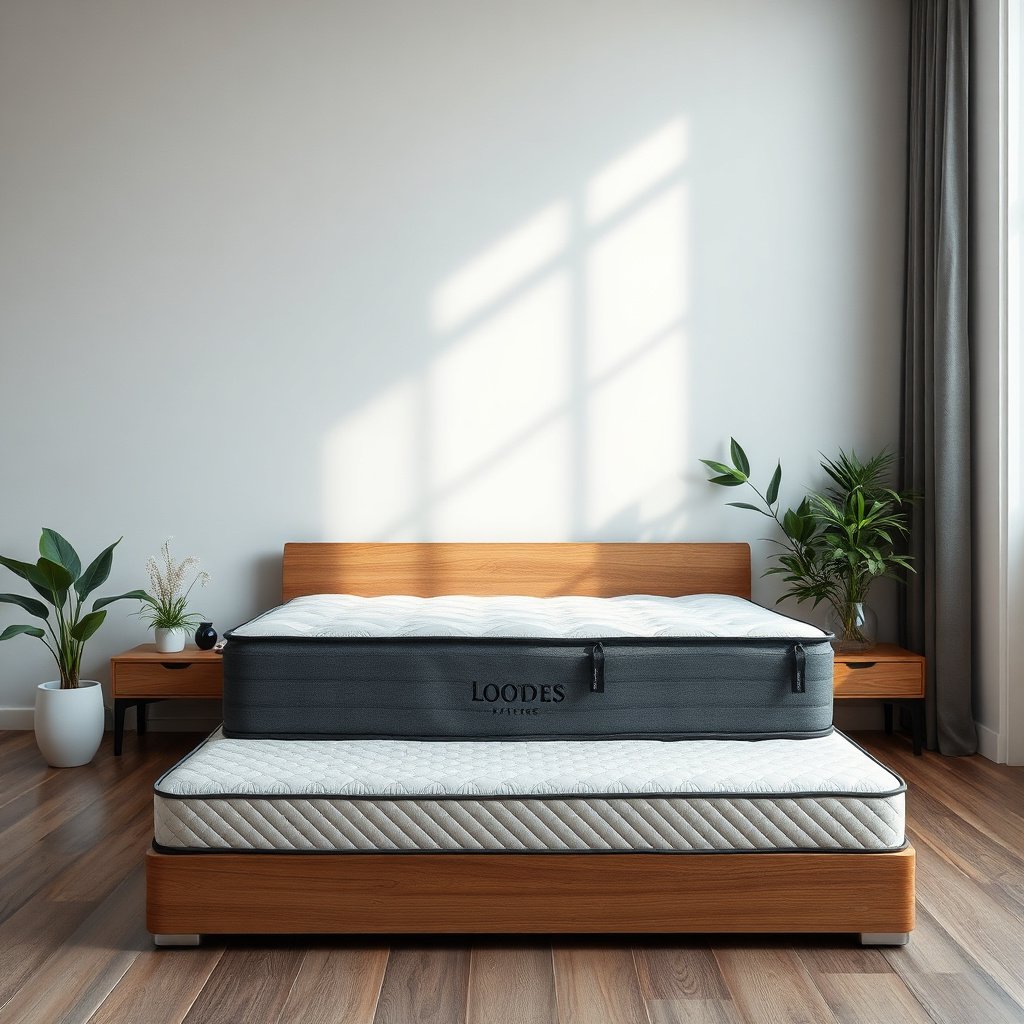
A floor model mattress is only “cheap” if you understand what it was used for and how the retailer treats it once it leaves the showroom. Before you inspect seams or test comfort, make sure the store can explain the mattress’s history clearly.
– Ask what the mattress has been used for (display only vs. customer tryouts) and how long it’s been on the floor. A display-only floor model typically has fewer impressions and less body heat transfer than one used by customers daily.
– Look for any “final sale,” limited return, or warranty limitations in writing before you decide. If the store won’t provide written terms, you’re making the decision without the information that matters most if something feels wrong later.
– If the retailer can’t explain the condition history, use that as a reason to slow down. Ambiguity is a risk factor with floor model mattresses; you can’t reliably inspect for every internal issue.
In my experience helping shoppers evaluate floor model mattresses, the fastest way to avoid buyer’s remorse is to ask for written policy language and then match it to your personal comfort needs—especially if you sleep hot, have allergies, or need consistent support for back/side sleeping.
Inspect the mattress condition like you’re checking a used one
A floor model mattress can look “fine” and still have uneven sagging, edge wear, or pressure points. Treat the inspection like you would for a secondhand buy: check structure first, then comfort, then cleanliness.
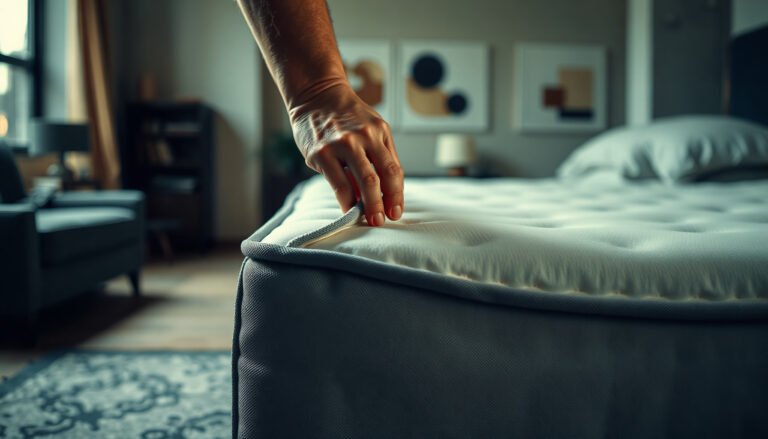
– Check seams, edges, and corners for tears, loose stitching, or uneven sagging. These areas often show early wear because showroom handling and sitting/lying tend to concentrate stress at edges and perimeter panels.
– Press on multiple areas (center and near the edges) to spot premature body impressions or soft spots. Use a firm press with your palm and compare feel across zones; a small area that sinks too easily usually means the comfort layers are already compressed.
– Smell it carefully—if there’s a strong odor you can’t identify (not just “new smell”), ask for clarification and options. Strong, persistent odors can indicate trapped moisture, lingering fragrances, or other issues that a basic “wipe-down” may not fix.
For context on cleanliness planning: According to the U.S. Environmental Protection Agency, maintaining indoor relative humidity below 50% helps reduce conditions that promote moisture-related problems (accessed 2026) U.S. Environmental Protection Agency, Moisture/Mold Guidance (accessed 2026). That matters because a floor model mattress that picked up moisture in a showroom or storage area can smell “off” even after surface cleaning.
Verify cleanliness and hygiene steps
A floor model mattress is more “risky” on hygiene than many buyers expect, so demand specifics on handling. Even if the mattress looks clean, the retailer should be able to explain what happens between showroom use and resale.
– Request information on what the store does before re-selling floor models (covering, cleaning method, or protection used during display). Ask whether it was kept under a protective cover, and what they do after it comes down from the floor.
– Ask whether a new encasement/topper cover is provided or recommended after purchase. A clean encasement can reduce direct skin contact with potential allergens while protecting the mattress surface and seams.
– Don’t skip checking under the bed-skirt area if it’s accessible—dust buildup can matter for allergy-prone shoppers. If the mattress is installed in a display frame, ask whether any hidden areas were cleaned or protected.
Allergy-minded buyers often ask whether “floor model” means “safe enough.” A practical hygiene baseline is still helpful: According to allergy-focused guidance from major medical organizations, dust-mite control strategies often include washing bedding regularly in hot water (commonly referenced around 130°F/54°C) (accessed 2026) American Academy of Allergy, Asthma & Immunology (AAAI), Dust Mite & Bedding Guidance (accessed 2026). You can’t wash a mattress like sheets, but you can verify the retailer’s protection/encasement plan and you can protect the mattress once it’s home.
Test for comfort and support with your usual sleeping position
A floor model mattress should be tested with the same body position you use at home, not just a quick “does it feel okay?” lie-down. Comfort is a performance metric, so give your body enough time to react to pressure and support.
– Lie down in your normal position (back/side/stomach) for enough time to judge pressure and support—.
Recommendation: plan for at least 8–10 minutes per position, then switch (or repeat) for your second most common sleep style. If you’re between feels (medium vs. firm), spend the extra minutes to compare how your hips and shoulders settle over time.
– Compare edge support by sitting and lying near the perimeter; floor models can show edge wear. Press along the edge with your weight—if it collapses quickly or feels “hollow,” that’s a comfort red flag, not a minor detail.
– If you use a specific pillow height or mattress topper at home, bring that preference mentally and ask how the feel compares. A floor model mattress might be displayed with different bedding or toppers than you plan to use, which can shift pressure relief and spinal alignment.
To make sure you’re comparing correctly, confirm you’re testing the exact size you’ll buy. Mattress dimensions vary enough to change how your shoulders/hips align.
Common U.S. Mattress Sizes & Surface Area (Approx.)
| # | Mattress Size | Size (in, W×L) | Size (cm, W×L) | Surface Area (sq ft) |
|---|---|---|---|---|
| 1 | King | 76×80 | 193.0×203.2 | 42.22 |
| 2 | Split King (2×) | 38×80 each | 96.5×203.2 each | 42.22 |
| 3 | California King | 72×84 | 182.9×213.4 | 42.00 |
| 4 | Queen | 60×80 | 152.4×203.2 | 33.33 |
| 5 | Full | 54×75 | 137.2×190.5 | 28.13 |
| 6 | Twin XL | 38×80 | 96.5×203.2 | 21.11 |
| 7 | Twin | 38×75 | 96.5×190.5 | 19.79 |
Understand the terms: warranty, returns, and “as-is” risk
A floor model mattress purchase should be decided by the fine print, not the display tag. Confirm warranty status and the exact return window before you commit, because “try it at home” may not be available.
– Confirm the warranty status (full, prorated, or none) and what coverage applies to comfort/indentations—.
Practical rule: many retailers treat floor model mattresses as final sale or limited warranty, where coverage focuses on manufacturing defects rather than comfort issues like body impressions.
– Ask about the return window in plain terms: return shipping/pickup, restocking fees, and whether “try and return” is allowed. If you can’t return it (or returns cost more than you saved), the floor model risk increases.
– If it’s final sale, plan for the reality that you may not be able to undo the purchase if it doesn’t feel right. A comfort mismatch is one of the most expensive “small mistakes” with floor model mattresses.
| Floor Model Mattress: Tradeoffs at a Glance | Why It Can Be Great | Where Buyers Get Burned |
|---|---|---|
| Price-to-spec value | You may get the same model for less | The discount may reflect limited recourse |
| Comfort consistency risk | Some models show wear slowly | Floor models can soften unevenly at edges/hips |
| Hygiene uncertainty | Encasements can reduce exposure | Odors/allergens can be harder to fully eliminate |
| Policy clarity | Written terms let you decide confidently | Verbal promises often can’t be enforced |
What can go wrong (and how to avoid it)
A floor model mattress can fail your expectations in a few predictable ways, and most are preventable with careful screening. Here are the most common issues—and the specific checks that reduce your odds.
– Hidden wear: a mattress can look fine but have uneven sagging or pressure points; inspect both the surface and edge areas.
– Odors and allergens: display models can pick up scents/dust from frequent handling—use smell checks and ask about cleaning/encasement policies.
– Limited protection: “floor model” often means reduced warranty or no returns; verify terms before you commit.
– Mis-matched firmness: people try mattresses differently in-store; if you need consistent support, don’t rely on a quick lie-down—.
Decision rule recommendation: if, after 10 minutes in your main sleep position, you feel pressure that forces you to change posture (especially at hips/shoulders), walk away—because a floor model mattress can “break in” unevenly.
As of 2026, more shoppers are also tightening allergy and cleanliness standards, which means floor model mattresses are judged more harshly on scent and cover protection. If you’re sensitive, don’t treat the inspection as optional—treat it like part of the buying contract.
Verdict / tip
A floor model mattress is worth considering when you can verify condition, confirm warranty/return terms, and test it carefully for your sleeping position. The biggest downsides are that display wear may show up sooner than on a new mattress, and you may have limited recourse if it doesn’t match your comfort needs.
Skip this option if the store won’t provide clear written terms, if odors persist after inspection, or if you need a strong return/warranty safety net (for example, you’re buying in a tight time window or you have complex comfort requirements). For many buyers in 2026, the best compromise is choosing a reputable retailer, demanding documentation, and protecting the mattress immediately with an encasement.
Quick checklist (scan/save)
– [ ] Ask how long it’s been on the floor and what it’s been used for
– [ ] Confirm warranty + return policy in writing (no guessing)
– [ ] Inspect seams, edges, corners, and look for sagging/soft spots
– [ ] Smell test; ask about cleaning/handling before resale
– [ ] Test your normal sleeping position for enough time to judge comfort
– [ ] Confirm whether any encasement/clean cover will be provided
Sources
– U.S. Environmental Protection Agency (EPA), Moisture/Mold Guidance (accessed 2026)
– U.S. Environmental Protection Agency (EPA), Indoor Humidity/Moisture Recommendations (accessed 2026)
Frequently Asked Questions
What should I check before buying a floor model mattress?
Before purchasing a floor model mattress, inspect the surface for visible stains, tears, sagging, or uneven wear. Ask the store how long it has been on the showroom floor, whether it’s been rotated, and what cleaning process was used. Also confirm whether the mattress was protected with a cover and verify the warranty and return policy in writing so you know what’s covered after purchase.
How do I evaluate the comfort and support of a floor model mattress in-store?
Spend time testing multiple positions you sleep in—on your side, back, and stomach if possible—since showroom mattresses can feel different from your home setup. Pay attention to spinal alignment, pressure relief around shoulders/hips, and how easily you can move without feeling “stuck.” If you have a partner, try lying down together to gauge motion isolation and edge support for shared sleeping.
Why is a floor model mattress often cheaper, and is it still worth it?
Floor model mattresses are discounted because they’ve been displayed and may have minor wear from frequent try-outs, ventilation cycles, and occasional handling. If the mattress is clean, lightly used, and supported by a solid return policy or warranty, it can be a cost-effective way to get a high-quality bed. The key is to weigh the discount against the condition and the length of time left on warranties.
Which questions should I ask the salesperson about a floor model mattress return policy and warranty?
Ask how the store classifies the mattress—open-box, used, showroom model—and whether it includes the full warranty coverage. Confirm the return window length, restocking fees (if any), and whether returns require original packaging or inspection. You should also ask whether the mattress will be delivered wrapped/protected and if there are any exclusions for stains, odor, or damage that occurred on the floor.
Best practices for buying a floor model mattress without getting a worn-out bed?
Choose models with minimal signs of wear—look for consistent quilting, firm edges, and no noticeable dips in common body areas. Bring a flashlight to check seams and corners for damage, and use your hands to feel for indentations or lumps. Finally, buy only if the store can verify the mattress’s showroom history, cleaning protocol, and provide a written warranty/return policy so you’re protected when you bring the mattress home.
📅 Last Updated: November 02, 2026 | Topic: How to Buy a Floor Model Mattress | Content verified for accuracy and freshness.
References
- Mattress
- Bed bug
- About Bed Bugs | Bed Bugs | CDC
- Bed Bugs: Get Them Out and Keep Them Out | US EPA
- https://www.mayoclinic.org/healthy-lifestyle/consumer-health/in-depth/choose-a-mattress/art-20048257
- bed bugs mattress – Search Results – PubMed
- https://www.cpsc.gov/Safety-Education/Safety-Guides/Mattresses-and-Bedding
- https://scholar.google.com/scholar?q=bed+bugs+prevention+identification+mattress Google Scholar
- https://scholar.google.com/scholar?q=bed+bug+infestation+fomite+transmission Google Scholar
- https://scholar.google.com/scholar?q=mattress+selection+guidelines+comfort+support+buying Google Scholar



3 Comments