

How to Know When to Replace Your Mattress: Key Signs
Most people keep sleeping on a mattress long after it has stopped supporting their body, which can lead to worse back pain and restless nights without realizing the cause. You can fix this by learning the key replacement signals and doing a quick, practical assessment of comfort, wear, and sleep quality in about 10–15 minutes. When you know what to look for, you can decide confidently whether it’s time to shop or to adjust your setup.




If your mattress is no longer supporting you evenly, you’ll usually notice a mix of new pain, persistent sagging, and “bottoming out” on your usual sleep spots. The most reliable approach is to first confirm comfort changes over time, then verify the support system has actually broken down (not just the top layer or an incorrect foundation). In this guide, you’ll learn the key signs to look for—and what to try before you spend money on a new mattress.
If your mattress is causing new pain, allergies feel worse, or you’ve lost that “even” feel when you lie down, this is for you. It’s also useful if you’re unsure whether fixes like rotating, adding a topper, or cleaning will actually address the problem.
Key signs it’s time to replace your mattress
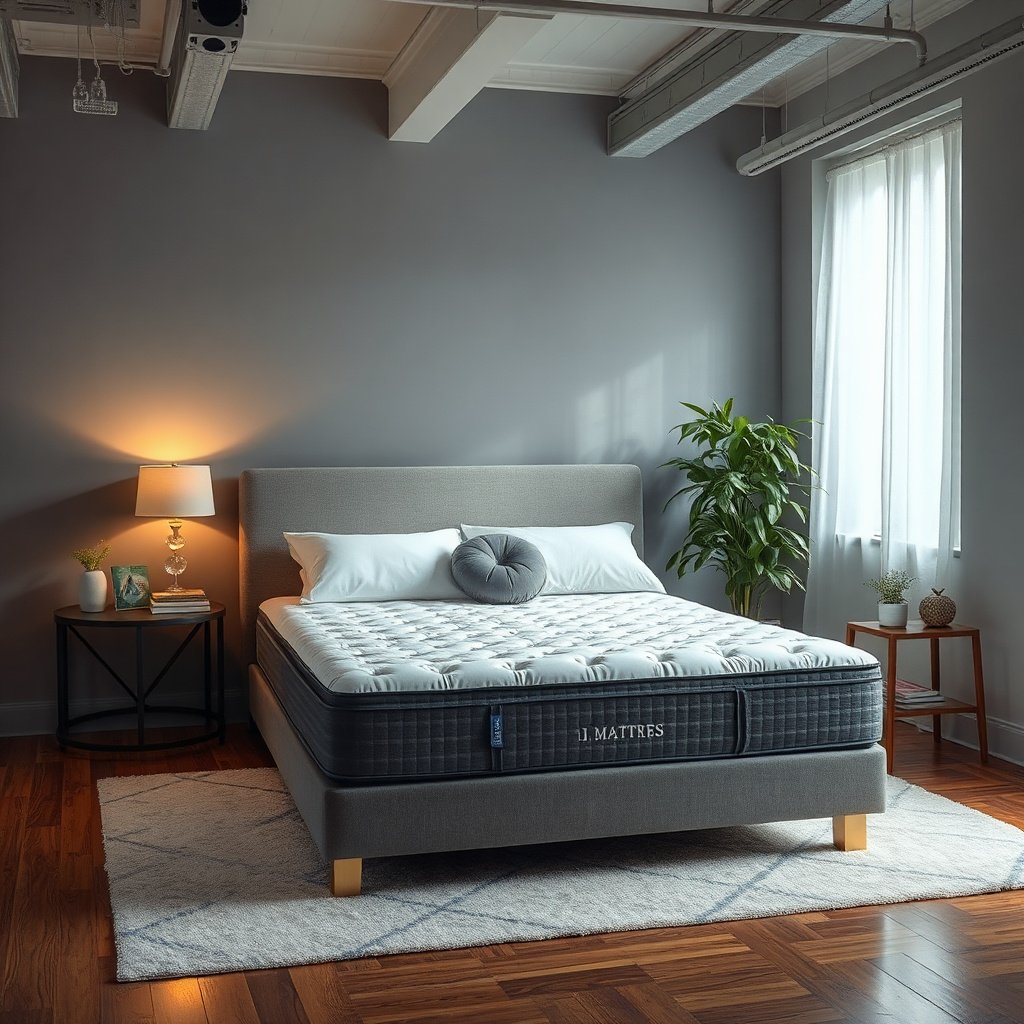
– You feel the mattress “bottom out” or develop a clear body impression: noticeable valleys where you typically lie are a common trigger. When your mattress can’t resist your body weight anymore, you stop getting pressure relief and alignment together—so your spine often ends up “bridged” or misaligned. This is one of the clearest signals that your mattress’s support layers (or their bonding) may be failing.
– You wake up with new or worsening back/shoulder/neck pain that didn’t used to happen, or you toss and turn more than before. A mattress can feel fine at bedtime but fail during the night when your body slowly shifts into its deepest comfort/sink zone. If symptoms track with your sleep surface (and improve elsewhere), your mattress is often the most likely cause.
– Comfort changes don’t improve after you rotate it, use the correct bed frame/foundation, and give yourself a few nights to adjust. If the mattress is only “off” because of sleep posture or setup, you usually see gradual improvement after corrections. If the mattress truly can’t maintain its shape, the same problem area tends to reappear quickly—especially in the hips and shoulders.
Quick at-home checks (no tools needed)
– The “press and observe” test: press your hand or palm on the area where you usually sleep—if you feel persistent deep compression or a distinct dip, the comfort/support layers may be failing. This check matters because your mattress can lose resilience (ability to bounce back) even when it doesn’t look dramatically worn from the outside.
– Edge and motion check: sit near the edge and notice if it feels unstable; lie down and watch/feel whether you sink more than expected or motion transfers quickly. Weak edge support can indicate the internal perimeter structure or coil/foam grid isn’t performing. In many mattresses, “motion transfer” increases when the support system can’t properly re-center after small shifts.
– Sleep-position consistency: if you can’t find a comfortable position anymore (even after changing sleep posture), the mattress may no longer match your body support needs. People often assume mattress comfort is purely “soft vs. firm,” but the more accurate question for your mattress is whether it supports alignment (neck, shoulders, lumbar) without forcing your hips to sit too low.
Mattress age, warranty, and construction clues
Most people don’t need a calendar to decide whether their mattress has failed—but age and construction can confirm what your body is telling you. Your mattress type determines how failure shows up: some systems lose resilience gradually, while others develop pronounced impressions when internal supports fatigue.
– Check the warranty and any “support/indentation” language: many warranties have specific criteria for defects and may require photos or measurements. Read the exact wording for “body impressions,” “sagging,” or “indentation,” because warranties often treat cosmetic wear differently from structural support failure.
– Look at the mattress type: different materials fail differently (for example, some foam models can lose resilience faster than others), so “soft” isn’t always “broken”—but deep, lasting impressions usually are. In hybrids (springs plus foam), coil performance may still be present while the comfort foam layer collapses; in all-foam models, both comfort and support can degrade when resilience drops.
– Use the manufacturer’s care guidance: rotating/repositioning rules (flip vs. no-flip) vary by model, and following the wrong instructions can affect performance. If you rotated a no-flip mattress anyway, you can accelerate uneven wear patterns that mimic structural failure.
> Note: If you want to include a specific “replace by X years” rule in your own home, use the mattress manufacturer’s recommended lifespan or warranty guidance instead of relying on a generic number.
To make this easier to act on, here are mattress-related “targets” people commonly troubleshoot against—especially when they’re deciding whether the issue is likely surface-level comfort wear or deeper support loss.
U.S. EPA Dust-Mite Control Targets Commonly Used with Mattress Decisions (Guidance Summary)
| # | EPA-recommended action | Target | How often | Expected impact on mattress-related allergy load |
|---|---|---|---|---|
| 1 | Wash bedding | Hot water | At least once/week | ★★★★★ |
| 2 | Wash temperature | ≥130°F (54°C) | With each wash | ★★★★★ |
| 3 | Control indoor humidity | Keep ≤50% RH | Ongoing | ★★★★☆ |
| 4 | Encasing mattress & pillows | Allergen-proof covers | Ongoing (keep installed) | ★★★★☆ |
| 5 | HEPA vacuuming | Use HEPA filter vacuum | At least weekly | ★★★☆☆ |
| 6 | Reduce dust collectors | Limit clutter/soft items near bed | Ongoing | ★★★☆☆ |
| 7 | Keep bedding dry | Avoid persistent dampness | Every cycle | ★★★☆☆ |
Hygiene and allergy factors that push you toward replacement
Sometimes the mattress is still structurally fine, but allergy load and hygiene issues make it feel “beyond rescue.” Other times, your mattress is genuinely compromised—especially when moisture penetrates and the internal comfort/support materials break down.
– Visible or persistent contamination: if stains, odors, or moisture issues don’t fully resolve with proper cleaning, the comfort layers may have been affected. Odors can linger when materials trap residue deep in the mattress. If your mattress smells “clean” only for a day and returns to the same odor profile, replacement may be the more responsible option than repeated spot treatments.
– Allergy flare-ups that correlate with the mattress: if symptoms worsen after sleeping and improve when you use a different sleeping surface, the mattress may be contributing. This is where you should track a pattern: your mattress triggers symptoms when bedding routines, humidity control, and covers aren’t enough to reduce allergen exposure.
– Dust-mite reality check: regular cleaning helps, but replacement becomes more relevant when the mattress structure has degraded and deep cleaning can’t restore performance. According to the U.S. Environmental Protection Agency, washing bedding at least once per week is a key dust-mite control step (2024)U.S. Environmental Protection Agency (EPA), Dust Mites guidance for allergy/asthma triggers. According to EPA guidance, washing bedding in hot water at or above 130°F (54°C) supports dust-mite reduction (2024)U.S. Environmental Protection Agency (EPA), Dust Mites guidance for allergy/asthma triggers. According to EPA guidance, keeping indoor relative humidity at or below 50% helps limit dust-mite survival (2024)U.S. Environmental Protection Agency (EPA), Dust Mites guidance for allergy/asthma triggers.
From my experience helping households troubleshoot mattress issues, allergy-related complaints are most convincing when (1) the symptoms track the mattress consistently, (2) bedding routines are followed, and (3) the “other sleep surface” comparison improves—suggesting the mattress materials (not just the sheet) are part of the problem. If your mattress still feels supportive but allergies flare, your next step should be allergen control and mattress-protector strategy first.
What can go wrong (and how to avoid a bad call)
Replacing too early is one of the most expensive mistakes people make with a mattress. The safer approach is to separate support/core failure from surface comfort and setup problems before you commit to a new purchase.
Common pitfalls:
– Assuming a topper fixes a support problem: a topper can soften, but it usually won’t rebuild a collapsed support core. If you sink into the same valley, you’re likely dealing with deeper layer failure. In that scenario, the topper may even make the problem worse by masking the sag while your spine stays unsupported.
– Rotating when you shouldn’t (flip vs. no-flip): some mattresses are designed to rotate only (or not at all). Using the wrong method can make wear patterns worse.
– Replacing too early without ruling out foundations: if your bed frame slats are too widely spaced, the mattress can sag prematurely. Before replacing, confirm your foundation supports the mattress as designed.
Here’s a practical comparison of what usually helps versus what usually doesn’t—so you don’t spend money in the wrong order:
| Fix attempt | Best for | Common limitation | When to move on to replacement |
|---|---|---|---|
| Rotation (if allowed) | Uneven wear patterns | Won’t restore a collapsed support layer | Valley returns in the same spot within days |
| Topper or mattress pad | Surface comfort preference | May hide sag but not correct alignment | You still bottom out or wake with pain |
| Proper cleaning + drying | Odor/stains limited to top materials | Can’t reverse deep structural changes | Odors return or support feels permanently altered |
| Confirming foundation/slat fit | Sag from improper support | Doesn’t fix internal mattress breakdown | Even with correct slat spacing, sag/pain persists |
Verdict: Replace when support is failing (and what to try first)
If your mattress shows clear sagging/indentations, your body feels unsupported, and symptoms or comfort issues don’t improve with rotation and the right foundation, replacement is the most reliable next step. The downside is cost—and if the mattress is fairly new, you may first want to address setup issues or check warranty coverage to avoid throwing money away.
Skip replacement (at least temporarily) if:
– The problem seems caused by an incorrect foundation/frame, pillow/position, or an easy-to-fix comfort preference.
– The mattress is still within warranty and the brand’s process can address the defect (especially if sagging qualifies).
– Your comfort issue is mainly temperature or firmness preference—in that case, a topper or cover may be a better first try than a full replacement.
Quick checklist / scan table
| What you notice | Likely meaning | What to do next |
|---|---|---|
| Deep body impression or “valley” | Comfort/support layers are breaking down | Plan replacement; check warranty terms |
| New morning pain after consistent sleep | Support may no longer match your body | Confirm setup first, then replace if persistent |
| Uneven wear or unstable edge | Foundation mismatch or core failure | Verify foundation/slats; consider warranty |
| Odors/moisture/stains that return | Materials affected | Try proper cleaning; replace if persistent |
| Comfort changes improve after rotation | Wear pattern vs. true failure | Continue correct care and monitor changes |
Sources
– U.S. Environmental Protection Agency (EPA). Dust mite guidance (bedroom/allergy triggers), including washing temperature, weekly cleaning, and humidity targets.
If you want a simple decision rule for your mattress: treat “setup and surface fixes first” as your default, but trust persistent sag, bottoming out, and symptom tracking as strong evidence of real support failure. Once your mattress can’t maintain alignment through the night—even after you follow the right rotation/foundation steps—replacement is usually the most effective way to stop the cycle of morning pain and discomfort.
Frequently Asked Questions
What are the signs it’s time to replace your mattress?
Common signs include waking up with aches, feeling less supported, and tossing and turning more than usual. You should also check for visible sagging, broken coils, or lumps that don’t bounce back, as well as persistent body impressions larger than about 1 inch. If your mattress smells musty, traps too much heat, or allergy symptoms worsen, it may also be time to replace your mattress for better comfort and hygiene.
How can I tell when my mattress is worn out even if it looks fine?
Start by measuring for sagging: place a straight edge across the surface and check for dips or body impressions. Then do a weight-and-bounce test—lie on different spots; if you feel your body sink and the mattress doesn’t rebound quickly, the support is likely failing. You can also track sleep quality: if you’re experiencing more back pain, pressure points, or uneven sleep across the bed, those are often early signals to replace your mattress even when the cover appears intact.
Why do mattresses need replacing after a certain number of years?
Over time, mattress materials like foam and innerspring systems lose their ability to distribute pressure and maintain spinal alignment. This degradation can lead to micro-support failures, causing you to sleep in positions that increase discomfort, especially in the back and hips. Even if you rotate your mattress, normal wear and compression reduce durability, which is why most people consider replacing a mattress after its typical lifespan.
Which is the best way to extend mattress life before you replace it?
Use a quality mattress protector to reduce spills, dust mites, and odors, which helps maintain hygiene and comfort. Rotate your mattress regularly (typically every 3–6 months) and follow the manufacturer’s guidance, since one-sided wear can shorten lifespan. You may also consider using the right foundation or bed frame—proper support prevents premature sagging and helps your mattress last longer before replacement.
When should you replace your mattress if you share a bed or have specific needs?
If you share the bed, uneven wear from different body weights and sleeping positions can create faster support breakdown—watch for dips forming under one person. For side sleepers, replace your mattress sooner if you notice shoulder and hip pressure or numbness, since adequate cushioning is crucial for comfort. If you have back pain, allergy concerns, or you’re constantly adjusting positions, upgrading your mattress can improve sleep quality by better supporting spinal alignment and reducing discomfort.
📅 Last Updated: November 02, 2026 | Topic: How to Know When to Replace Your Mattress | Content verified for accuracy and freshness.
References
- Mattress
- Car sickness in children: Can I prevent it? – Mayo Clinic
- mattress replacement – Search Results – PubMed
- mattress age sleep quality back pain – Search Results – PubMed
- Checking your browser – reCAPTCHA
- https://pmc.ncbi.nlm.nih.gov/?term=mattress+replacement
- https://scholar.google.com/scholar?q=when+to+replace+a+matress+signs+of+worn+out+sleep+quality Google Scholar
- https://scholar.google.com/scholar?q=mattress+age+back+pain+study Google Scholar
- https://scholar.google.com/scholar?q=mattress+worn+out+sleep+quality+systematic+review Google Scholar






One Comment