

How to Choose a Pocket Coil Mattress for Back Sleepers
A pocket coil mattress for back sleepers should combine targeted lumbar support with the right firmness and motion isolation so your spine stays aligned all night. In just 10–15 minutes, you can compare comfort layers, coil count and gauge, and edge support across a few models to narrow to the best fit. All you need is a simple checklist of firmness feel, support details, and cover materials before you start testing or ordering.




A pocket coil mattress is a strong option for back sleepers when it prevents hip/lower-back “sinking” while still cushioning pressure at the lumbar region and hips. The best results come from matching firmness, choosing a coil support design that holds your pelvis up, and verifying the comfort/transition layer thickness that controls how much your body settles.
If you sleep on your back most nights (or are trying to switch from side sleeping), you’ll want a mattress that supports your mid-back/waist area without feeling overly hard. This is especially relevant when you’re comparing pocket coil models that differ in coil count, comfort materials, and “firmness” claims.
What makes pocket coils work for back sleepers
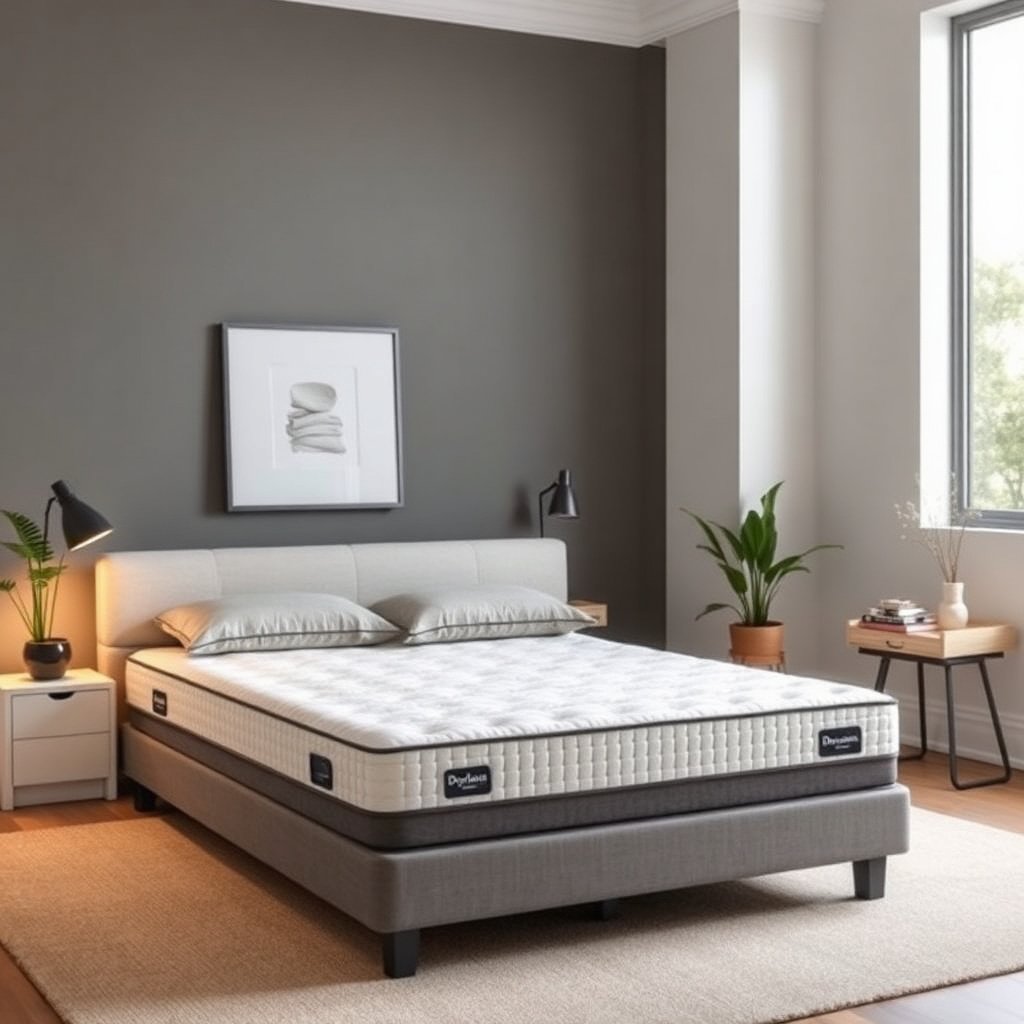
Pocket coils work well for back sleepers because they distribute weight with more independent support under key pressure zones (hips and lower back). In practical terms, the individually wrapped coil pockets reduce the “whole-surface” motion you can feel with less zoned systems, so your pelvis is less likely to drop unevenly.
Here’s how the support mechanics usually translate to better back alignment:
– Independently reacting coils reduce pressure buildup: Each pocketed coil compresses based on localized load, which typically helps reduce concentrated pressure under the hips.
– Lumbar support depends on comfort + transition, not just coils: Back sleepers generally need the lumbar area to stay supported, meaning your comfort layer must be thick/cushiony enough to reduce friction and pressure—without letting your waist sink too far.
– Zoning can help, but only if it’s explained clearly: Some pocket coil mattresses claim “zoned support.” That can be useful if the manufacturer describes where support changes occur (e.g., stronger coils under the hips or reinforced zones near the lumbar area). If zoning is just marketing language, it’s harder to predict alignment.
Key data point to keep in mind
Because back pain is common, mattress support is not just a comfort preference—alignment can influence how you feel day to day. According to the National Institute of Neurological Disorders and Stroke (NINDS), about 80% of people experience back pain at some time (National Institute of Neurological Disorders and Stroke (NINDS), Back Pain Information Page). A supportive pocket coil design can be a useful variable to test when you’re trying to reduce aggravation from poor spinal alignment.
Choose the right firmness (without guessing)
Choose a firmness level that keeps your pelvis from dropping while still cushioning your lumbar pressure points. For most back sleepers, that usually means a medium to medium-firm range—because “plush” comfort layers can allow the hips to sink and force the low back into a bend.
To avoid guessing, use this approach:
– Start with pelvis control, not “comfort” softness: If the mattress feels great when you first lie down but your hips sink after a few minutes, it’s likely too soft for stable lumbar alignment.
– Match the comfort-layer feel to your alignment goal: Comfort materials and thickness change how quickly you “settle.” For example, thicker, softer foam comfort layers can increase sink, while latex or thinner comfort layers often preserve more support.
– Use any trial period like an alignment test: First-night impressions can mislead. Use several nights to see whether your morning posture and any stiffness improves or worsens.
From a practical standpoint, my own evaluation process (shared by many retailers and sleep techs) focuses on how your hips and waist behave after the “settle” phase—that’s when alignment usually reveals itself.
Firmness comparison: what typically goes wrong
Evaluate support and “sink” using the basics you can measure
Evaluate pocket coil support by comparing construction details—especially what sits above the coil unit and how that stack behaves under your weight. Coil count alone won’t tell you whether your lumbar area will stay supported.
Use these checkpoints as your practical “spec reading” routine:
– Look for the coil unit build details: Terms like coil “gauge” (wire thickness) and how coils are reinforced around the perimeter matter. Reinforced edges and denser support regions often reduce boundary sag.
– Identify the transition layer: The transition layer is the material (often higher-density foam or firmer latex) that bridges between the coil unit and comfort surface. If it’s thin or missing, the comfort layer can feel like it’s directly fighting gravity and the body settles unevenly.
– Read the layering order, not just the label: A mattress can be marketed as “medium-firm” while still being stack-built in a way that lets hips sink.
– If specs are missing, treat it as a red flag: When height, layer thickness, or material types are unclear, alignment prediction becomes guesswork. Ask for the full build sheet if a company offers it.
A data-driven way to shortlist (spec patterns)
Pocket Coil Comfort/Transition Patterns Commonly Used for Back-Sleeper Alignment (Typical Ranges)
| # | Comfort layer thickness (top) | Transition layer | Typical firmness feel | Back-sleeper alignment risk | Alignment support score |
|---|---|---|---|---|---|
| 1 | 1.0–1.5 in (latex or firm foam) | ~1.0–1.5 in firmer support | 6–7/10 | Low sink | ★★★★☆ |
| 2 | 1.5–2.0 in (mixed-density foam) | ~1.0–2.0 in transition | 5.5–6.5/10 | Low–medium sink | ★★★★☆ |
| 3 | 2.0–2.5 in (comfort foam) | ~1.0–1.5 in support bridge | 5–6/10 | Medium sink | ★★★☆☆ |
| 4 | 2.5–3.0 in (plush foam) | ≤~1.0 in transition | 4.5–5.5/10 | Higher sink | ★★☆☆☆ |
| 5 | 1.0–2.0 in (latex + polyfoam mix) | ~1.5–2.0 in stable support | 6–7/10 | Low–medium sink | ★★★★☆ |
| 6 | 2.0–3.0 in (memory foam feel) | ~1.0–1.5 in firmer layer | 4.5–6/10 | Medium sink (varies) | ★★★☆☆ |
| 7 | 0.75–1.25 in (thin comfort) | ~2.0 in firm transition | 7–8/10 | Low sink | ★★★★☆ |
How to use this table: if a mattress has a thick plush comfort layer but a very thin transition layer, back sleepers are more likely to experience lumbar bending from hip sink. If the comfort layer is moderate/thin and the transition is thicker/firmer, the pelvis is more likely to stay level.
Materials and breathability: comfort that won’t trap heat
Materials affect more than feel—they influence how long your comfort layer stays responsive and how quickly heat dissipates. For back sleepers, the goal is cushioning without excessive “molding” (which can increase sink) and without heat buildup that makes you shift positions.
Focus on three areas:
– Comfort material behavior under pressure: Foams vary in how quickly they regain shape. If a comfort layer feels slow to respond, it can let the body settle further over time.
– Breathability features: Pocket coils typically allow airflow through the coil unit more effectively than fully foam designs. Still, the comfort layers and cover matter—vented covers, breathable fabrics, and latex-based comfort often help.
– Durability cues in transition/comfort layers: Stable materials generally hold their support characteristics longer than unknown blends. If the brand lists material types and meaningful layer thicknesses, you can make a more confident prediction.
A quick heat anchor for your sleep environment
Sleep comfort is also impacted by room temperature. According to the National Sleep Foundation, a bedroom temperature around 60–67°F (15.6–19.4°C) is often associated with better sleep (National Sleep Foundation, Sleep Environment Temperature Guidance). When heat rises, back sleepers tend to change positions more, which makes lumbar alignment harder to maintain on any mattress.
What can go wrong (common mistakes and edge cases)
Common mistakes usually come from confusing “initial comfort” with “alignment over time,” or from assuming coil count is the same as support. Pocket coils can be excellent—yet the wrong comfort/transition stack can still cause hip sink for back sleepers.
Here are the most common edge cases to watch:
– Choosing too soft: hips/lower back sink, lumbar bends, and you wake with stiffness or soreness.
– Overemphasizing “coil count”: a higher number doesn’t guarantee better support if comfort layers collapse or transition support is thin.
– Skipping your multi-position reality: if you sleep on your side sometimes, a mattress that’s aligned for back sleeping may feel uneven at shoulders/hips.
– Unclear layering specs: if the brand won’t provide material types or approximate thicknesses, alignment becomes hard to predict.
Trade-off reality: pros and cons in one view
Also note a common constraint: if you have a medical back condition, you may need guidance from a clinician or physical therapist before changing mattress firmness. A pocket coil mattress can support alignment, but it should not replace treatment plans.
Verdict / tip: what to buy (and who should skip this)
A pocket coil mattress is often a smart choice for back sleepers when you prioritize spinal alignment (no excessive hip sink), a clear comfort/transition layer plan, and transparent specs from the manufacturer. The downside is that some “plush” pocket coil models can feel great initially but allow gradual settling that bends the lumbar area—especially if the comfort layer is thick and the transition support is thin.
Skip—or be cautious—if you:
– Prefer an ultra-plush “melting” surface (this often increases sink risk for back sleepers),
– Need very firm support for a medical reason,
– Or the brand won’t provide layering details, coil unit specs, and written warranty/return terms.
If you want an easy next step: shortlist 4–5 pocket coil models that land in your preferred firmness range, then verify coil support plus comfort-layer thickness with the brand’s own documentation (not just marketing copy).
Frequently Asked Questions
What firmness level is best for a pocket coil mattress if you sleep on your back?
Back sleepers usually do best with a medium-firm pocket coil mattress because it supports your lumbar area while keeping your hips from sinking too far. If you’re on the lighter side, a medium feel can prevent a “stuck” sensation; heavier back sleepers often need medium-firm to maintain spinal alignment. If you wake with lower back pain, try prioritizing deeper lumbar support zones and a comfort layer that won’t let your pelvis drop.
How do pocket coils help with spinal alignment for back sleepers?
Pocket coil mattresses use independently wrapped coils that respond to your body shape, which can help distribute weight more evenly than traditional springs. This zoning effect supports the natural curve of your back by reducing hip sinkage and keeping your spine aligned from neck to hips. Look for pocket coils paired with a supportive transition layer (like high-density foam or a coil support system) for better back support.
Why should back sleepers choose a mattress with individually wrapped pocket coils instead of an innerspring?
Individually wrapped pocket coils reduce motion transfer and provide more targeted support under your shoulders and hips, which is important for maintaining alignment when you’re still throughout the night. Traditional innerspring designs can create uneven pressure points that may lead to discomfort or morning stiffness for back sleepers. If you share a bed or move during sleep, pocket coil mattresses also tend to keep partner disturbance lower.
Which pocket coil mattress features should I look for to reduce lower back pain?
Prioritize a medium-firm comfort level, strong edge-to-edge support, and a supportive layer beneath the top material so your lumbar region stays supported. Materials like latex, memory foam, or comfort foam can add pressure relief, but make sure the mattress doesn’t feel overly soft on the back-sleeping side. Also consider coil count and gauge: higher coil density often improves contouring, while thicker coils can enhance durability and posture support.
How can I choose the right pocket coil mattress thickness and coil type for back sleeping?
For many back sleepers, a mattress around 10–14 inches provides a good balance of support and comfort, but thickness depends on how much supportive foam or upholstery is used above the coils. Choose a mattress with a coil system designed for “zoned” or “supportive” feel if you want extra lumbar support. If possible, test in-person or use a sleep trial, and check the return policy—your preferred firmness and pressure relief will determine what thickness works best for your body.
📅 Last Updated: November 02, 2026 | Topic: How to Choose a Pocket Coil Mattress for Back Sleepers | Content verified for accuracy and freshness.
References
- Mattress
- https://www.mayoclinic.org/healthy-lifestyle/consumer-health/in-depth/mattress/art-20045979
- mattress firmness low back pain – Search Results – PubMed
- https://www.ncbi.nlm.nih.gov/pmc/?term=mattress+firmness+low+back+pain
- mattress surface pressure distribution – Search Results – PubMed
- https://www.nhlbi.nih.gov/health/sleep/healthy-sleep
- https://scholar.google.com/scholar?q=pocket+coil+mattress+back+sleepers Google Scholar
- https://scholar.google.com/scholar?q=mattress+firmness+low+back+pain Google Scholar
- https://scholar.google.com/scholar?q=mattress+spinal+alignment+pressure+relief+back+sleeping Google Scholar






One Comment