
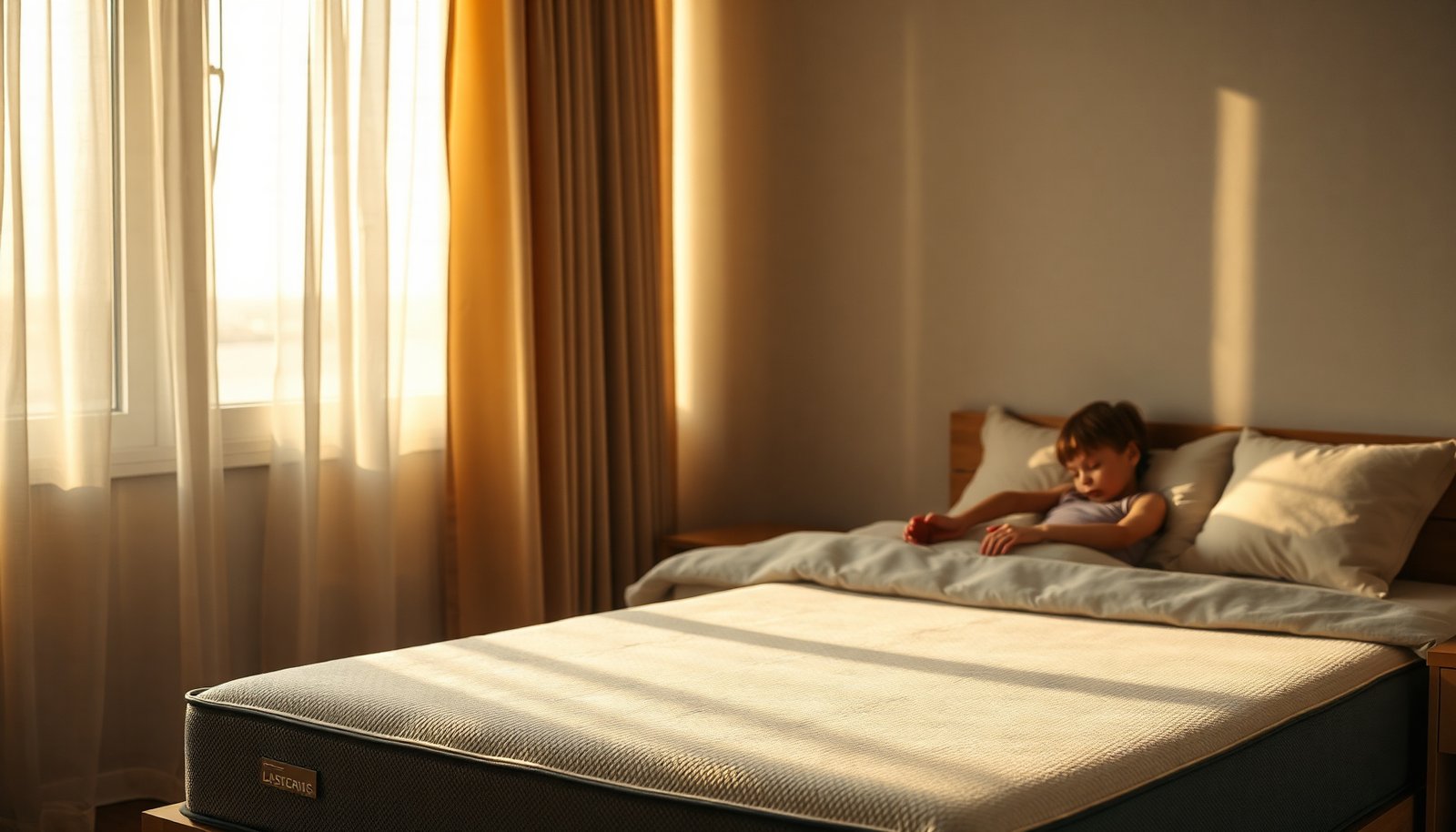
How to Choose a Latex Mattress for Kids With Eczema—Coastal Apartment
Choosing a latex mattress for a child with eczema can feel extra stressful when you live in a coastal apartment where humidity and allergens are always nearby. You can narrow down the right mattress in about 30–45 minutes by focusing on materials, construction, and a skin-friendly, removable cover that supports washing and airflow. Bring your room conditions, kid’s age/weight, and budget, and you’ll be ready to compare options confidently.
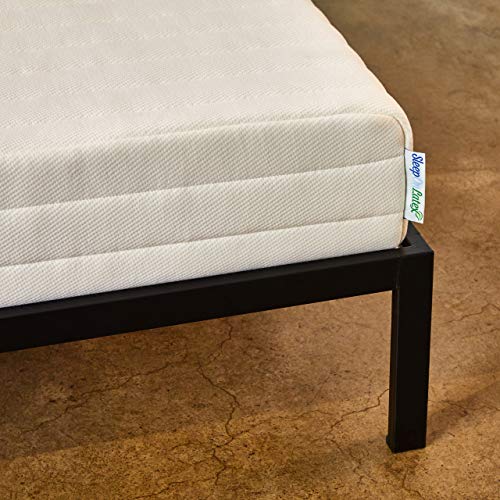

For kids with eczema in a coastal apartment, the best latex mattress choices are the ones that combine strong moisture/airflow potential with an eczema-friendly, washable allergen barrier setup. Prioritize natural (or certified) latex, low-odor delivery/venting, and a removable, breathable protector and cover you can wash on a consistent schedule to reduce dust mites and trapped humidity—especially in 2025–2026 coastal humidity conditions.
If your child has eczema and you’re choosing a mattress for a humid, salt-air environment, this is for you. It’s especially relevant if you’re trying to reduce irritation from common bedroom triggers (dust mites, trapped moisture, and strong new-mattress smells) while keeping the sleep surface comfortable for sensitive skin.
Pick the right latex type (and confirm it’s safe)
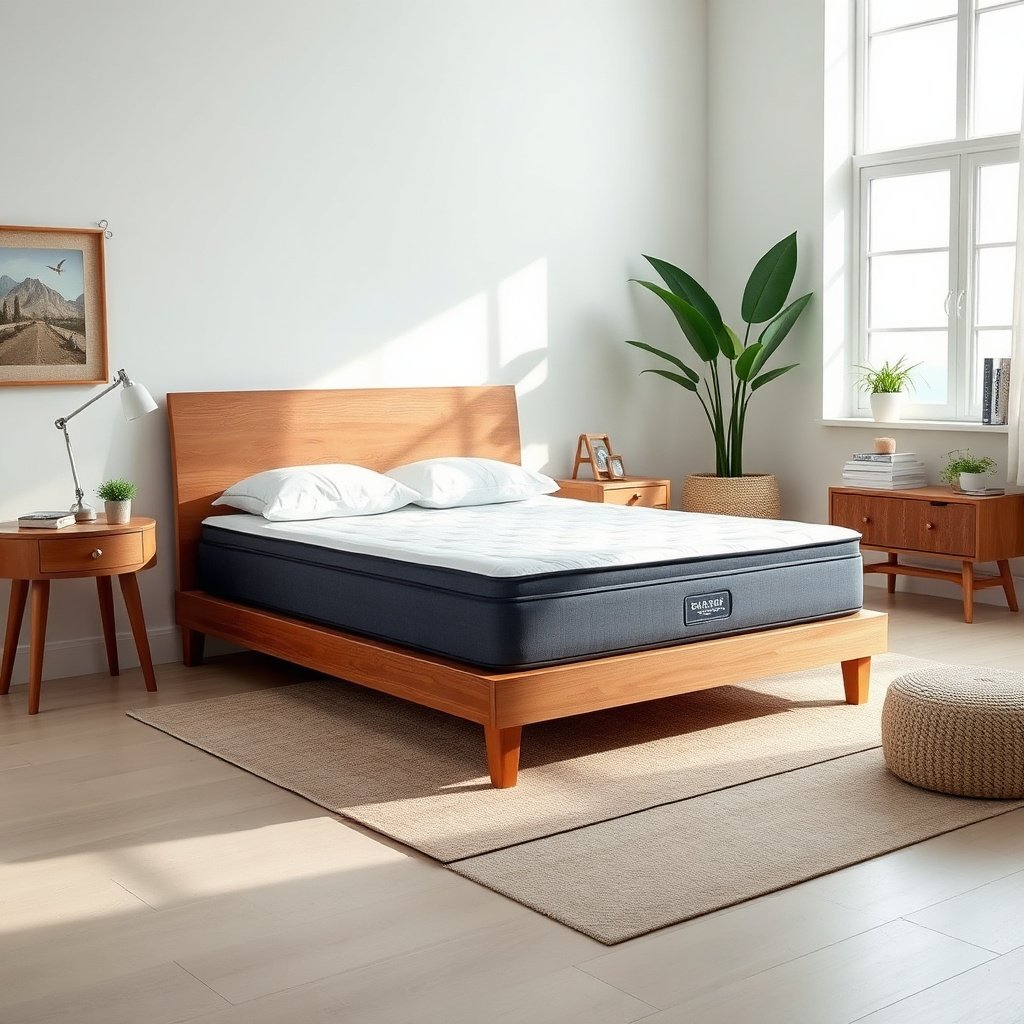
The fastest way to narrow down latex is to choose natural latex (or a clearly described blend) and verify it with recognized third-party testing—not just marketing. From there, confirm whether latex is appropriate for your child (eczema is not automatically a latex allergy), and then select a construction style your child tolerates—because pressure relief and ventilation feel can differ.
Start with material transparency. Look for independent certification that specifically covers latex content and chemical testing, such as:
– GOLS (Global Organic Latex Standard) for organic latex and processing controls
– OEKO-TEX Standard 100 for harmful substances testing in textiles and some mattress components
– GOTS (Global Organic Textile Standard) for certified organic textile covers (useful if you’re sensitive to cover fabric treatments)
Below are seven certification standards you’ll commonly see on latex/comfort layers and bedding materials, and what they signal for eczema-relevant concerns (chemical residues, emissions testing, or textile safety).
7 Standards Often Used for Latex Mattresses & Eczema-Friendly Bedding (2025–2026)
| # | Standard | Primary focus | Best for | Eczema-setup value |
|---|---|---|---|---|
| 1 | GOLS | Organic latex content & processing | Latex layer sourcing confidence | ★★★★★ |
| 2 | OEKO-TEX Standard 100 | Harmful substance testing in textiles/components | Fabric & material chemical screening | ★★★★☆ |
| 3 | GOTS | Organic textile production standards | Organic covers & top fabrics | ★★★★☆ |
| 4 | GREENGUARD Gold | Low-emission requirements for indoor air | Odor/VOC sensitivity reduction | ★★★★☆ |
| 5 | OEKO-TEX STeP | Sustainable production & chemical management | Factory controls (indirect eczema relevance) | ★★★☆☆ |
| 6 | CertiPUR-US | Polyurethane foam emissions & content | Hybrid mattresses with foam layers | ★★☆☆☆ |
| 7 | bluesign® | Chemical/material control in textile production | Cover fabric risk reduction | ★★★☆☆ |
Next, address the safety question: latex allergy risk. Eczema itself isn’t automatically a latex allergy, but any history of latex reactions (or reactions to latex gloves/balloons) should be discussed with your child’s clinician before you switch to a latex mattress. If you’re deciding in 2025–2026, remember that clinicians typically prefer evidence over trial-and-error when skin reactions are involved.
Finally, choose between common latex feels like Talalay vs. Dunlop. They’re both latex, but families often report different “bounce” and pressure-relief impressions. If your child sleeps hot, also remember that the cover/protector is part of the ventilation equation—latex helps, but it’s not the only factor.
Choose firmness and support that won’t irritate or overheat
The safest rule is: prioritize support and pressure relief first, then consider heat. For eczema-prone skin, the goal is to avoid both sagging (which can create uneven pressure) and “too-firm” sleeping positions (which can intensify pressure points and friction).
In a coastal apartment, heat retention becomes a second variable. Even when latex has good inherent airflow, a thick or poorly breathable top cover can trap warmth, sweat, and humidity—conditions that can make itching worse. The mattress layer is only one part of your sleep surface system.
Use a realistic matching process instead of guessing:
– Match firmness to your child’s sleep position (side, back, stomach) and body size.
– If the manufacturer offers weight/height guidance, use it rather than “harder is better.”
– If you use a topper, remember that toppers change pressure distribution; an overly plush topper can reduce perceived support, while an overly firm topper can shift pressure to bony areas.
If you want one actionable method: place the mattress topper/protector stack you plan to use, then assess comfort after a few nights. . Avoid making any changes mid-week if your child is flaring—eczema needs time to stabilize after you adjust one variable.
Account for coastal humidity (this is where many choices backfire)
The biggest “gotcha” in coastal living is that even the best latex mattress can underperform if indoor humidity stays high. Humidity drives dust mite activity and can increase the risk of musty odors if bedding doesn’t dry quickly.
A practical starting point is to keep indoor humidity in a range that discourages mites and mold. According to the U.S. Environmental Protection Agency, maintaining indoor relative humidity around 30%–50% can reduce moisture-related problems (U.S. Environmental Protection Agency (EPA), indoor moisture/mold guidance). In other words, your mattress choice can’t “out-solve” a persistently damp bedroom.
Here’s how to translate that into setup actions:
– Use a dehumidifier if you can’t keep the room comfortably dry. (If you already own one, verify it’s set appropriately and empty/maintained.)
– Run room airflow (mechanical ventilation, safe window airflow when feasible, or a fan) so bedding and protectors dry between wash cycles.
– Vent after delivery. New-mattress odor can be real even when materials meet safety standards. Follow the manufacturer’s venting guidance because initial off-gassing period varies by brand and packaging.
To keep dust mite risk low, your washing routine matters as much as your mattress surface. According to the American Academy of Allergy, Asthma & Immunology, dust-mite control includes washing bedding at at least 130°F / 54°C when fabrics allow (American Academy of Allergy, Asthma & Immunology (AAAAI), dust mite control guidance). In humid coastal environments, you also need drying discipline—don’t store washed bedding in damp laundry rooms or closets.
Use an eczema-friendly cover + protector system (don’t skip this)
The fastest way to improve eczema outcomes is to think in layers: breathable, washable top bedding + an allergen/moisture-protecting protector. For many families, the protector system is the difference between “nice mattress” and “noticeable symptom relief,” because it controls both irritant exposure and humidity near the skin.
Start with the top layer. Look for:
– Breathable, washable sheets (cotton or other soft, low-irritant weaves that your child tolerates)
– A washable, breathable cover if your mattress includes a removable knit cover
Then choose the protector. The ideal protector for eczema-prone kids balances three things:
1. Allergen barrier (helps block dust mites and debris)
2. Moisture management (reduces sweat retention and protects the mattress)
3. Breathability (avoids “plastic-crinkle” heat trapping that can increase night sweating)
Some parents choose fully sealed-feeling waterproof protectors; in coastal apartments, those can sometimes trap warmth. If you notice sweating, dampness under the protector, or worsening flare patterns, you may need a more breathable “water-resistant” style designed for airflow—not just impermeability.
What to do right now, practically:
– Use a protector you can remove and wash frequently.
– Match wash temperature to fabric care labels.
– Keep a consistent schedule for washing sheets and the protector; humidity slows drying, so plan drying time accordingly.
One more detail people overlook: surface humidity after bedtime. If your child wakes up with a “clammy” feeling, the fix is often the protector breathability or bedding thickness—not replacing the mattress.
What can go wrong (and how to avoid it)
The most common failure mode is treating the mattress as the only variable when eczema is driven by the full sleep system plus indoor environment. In humid coastal apartments, the second biggest issue is choosing protectors that block moisture but also trap heat.
Here are the main risks and how to reduce them:
– Latex sensitivity: If your child has signs consistent with latex-related reactions, don’t “test by trial.” Ask their clinician about appropriate allergy testing or consider non-latex alternatives.
– Ignoring humidity: A great mattress doesn’t help if bedding can’t dry. Build a humidity plan (dehumidifier, airflow, quick drying).
– Overusing closed-off protectors: If a sealed protector makes your child sweat, itching often increases because trapped moisture can irritate already inflamed skin. Switch to a protector designed for breathable airflow while still providing allergen protection.
Also watch for a less obvious mistake: skip-to-bed delivery. If you bring a new latex mattress in and put your child down immediately without venting, you can create a short-term irritant exposure window even when the mattress materials are safe.
To make your decision more analytical, here’s a quick pros/cons comparison of the “latex + protector system” approach for eczema in coastal humidity:
| Aspect | Pros for eczema | Cons / tradeoffs |
|---|---|---|
| Latex material | Generally supports airflow and can feel pressure-relieving compared with many dense foams. | If there’s a true latex allergy, it may be inappropriate regardless of comfort. |
| Protector choice | Allergen barriers can reduce dust mite exposure; removable designs make washing realistic. | Some waterproof styles reduce breathability and can worsen heat/sweat in coastal rooms. |
| Humidity control | Limits dust mite activity and reduces musty odor risk when bedding dries quickly. | Without dehumidification/airflow habits, no mattress material fully prevents triggers. |
Verdict: what to buy, who should skip latex, and a scan checklist
For most kids with eczema (without known latex allergy), a latex mattress paired with breathable, washable protection can be a practical choice—especially if you manage coastal humidity and reduce new-mattress odor with proper venting. The downside is that latex isn’t universally appropriate (especially for documented latex allergy), and some protector styles can trap heat in coastal apartments even when the mattress itself breathes.
Skip latex (or pause and get medical guidance) if your child has a known latex allergy, unexplained immediate reactions after latex exposure, or a clinician has advised avoiding latex materials. Also be cautious if your bedroom stays persistently humid despite dehumidification—eczema trigger control is only partially solvable through mattress selection.
Quick checklist before you decide
– [ ] Natural latex or latex blend + relevant certifications (e.g., GOLS/OEKO-TEX)
– [ ] Comfort-based firmness (not just “harder is better”)
– [ ] Manufacturer guidance for airing/venting after delivery (follow it)
– [ ] Breathable, removable protector + washable top bedding system
– [ ] Humidity plan for a coastal apartment (dehumidifier/ventilation as needed)
– [ ] No latex allergy history (or clinician-approved safety)
| Item to check | What “good” looks like | Red flag to watch |
|---|---|---|
| Latex material | Natural latex or well-documented latex blend | No clear material info; known latex reactions |
| Certifications/care info | Clear manufacturer guidance + third-party testing marks | Only marketing language without care/material details |
| Breathability setup | Breathable sheets + protector that doesn’t feel heat-trapping | Sticky heat, persistent sweating, constant musty odor |
| Coastal humidity control | Dehumidification/airflow + fast drying | Damp room smell or bedding staying “slightly wet” |
If you take one approach, make it this: choose a latex mattress with credible material/testing info, pair it with breathable washable protection, and manage coastal humidity so bedding can stay dry. If you’re unsure about latex safety for your child, pause and check with their clinician—then set up the mattress for ventilating and consistent care right from day one.
Frequently Asked Questions
What should I look for when choosing a latex mattress for a child with eczema in a coastal apartment?
Choose a mattress made with natural latex that’s designed for sensitive skin and has breathable comfort layers to help reduce heat buildup—important in coastal humidity. Look for certifications such as GREENGUARD Gold or OEKO-TEX to avoid harmful chemicals, and prioritize a breathable cover that helps manage moisture. Also consider a mattress that resists dust mites naturally (latex can be a good option) and supports healthy spinal alignment for kids.
How can I reduce humidity and mold risk in a coastal apartment when using a latex mattress for eczema?
In humid coastal climates, use a breathable, washable mattress protector and ensure the room has proper ventilation or a dehumidifier. Air out the mattress periodically (if the manufacturer allows) and avoid thick, non-breathable covers that trap moisture against the skin. Pair the latex mattress with a fitted waterproof protector that’s designed to be breathable to reduce flare-ups from dampness.
Which mattress cover features are best for kids with eczema sleeping on latex?
Opt for a breathable, hypoallergenic mattress protector with a tight weave to help block dust mites without creating a sweaty barrier. Look for cotton or bamboo-cotton covers with moisture-wicking properties, or a breathable waterproof layer that prevents liquid from reaching the latex. Make sure the protector is easy to wash in hot water when safe for the fabric and check that the materials are low-odor to minimize irritation.
Why is latex sometimes recommended for eczema, and what evidence should I verify before buying?
Natural latex is often valued for its resilience, breathability, and resistance to dust mites, which can be helpful for kids whose eczema is triggered by allergens. However, “latex” can still irritate some children if they have sensitivities, so look for low-irritant certifications and consider patch-testing if advised by a dermatologist. Verify the specific product’s materials, certifications, and care instructions to confirm it’s truly suitable for eczema-prone skin.
What is the best firmness and size for a kid’s latex mattress in a small coastal apartment?
For most children, a medium-firm latex mattress helps support posture while keeping pressure points comfortable—reducing discomfort that can worsen eczema-related itch. Choose the size based on your apartment layout (twin and twin XL options are common for kids) but ensure the mattress thickness fits the bed frame and doesn’t leave the child too close to the floor. If space is tight, consider a latex mattress that’s easier to maneuver and rotate (if recommended), and prioritize easy cleaning and waterproof protection for coastal humidity.
📅 Last Updated: November 25, 2026 | Topic: How to Choose a Latex Mattress for Kids with Eczema in a Coastal Apartment | Content verified for accuracy and freshness.
References
- Ringworm (scalp) – Symptoms and causes – Mayo Clinic
- https://www.cdc.gov/mold/default.htm
- https://www.epa.gov/mold/mold-and-your-health
- https://scholar.google.com/scholar?q=childhood+eczema+sleep+environment+bedding+dust+mites Google Scholar
- https://scholar.google.com/scholar?q=natural+rubber+latex+allergy+contact+dermatitis+children Google Scholar
- https://scholar.google.com/scholar?q=humidity+mold+atopic+dermatitis+eczema+residential+environment Google Scholar




One Comment