

How to Fix a Sagging Memory Foam Mattress for Couples’ Sleep Needs
If your memory foam mattress has started to sag in the areas where you and your partner sleep, you may both be waking up with uncomfortable body impressions and uneven support. This usually happens when the foam compresses over time or when the base underneath can’t provide enough, even support—problems that can become more noticeable with different sleep positions and weights. The good news is that calm, practical fixes are below to help restore support and improve how the mattress feels for couples.


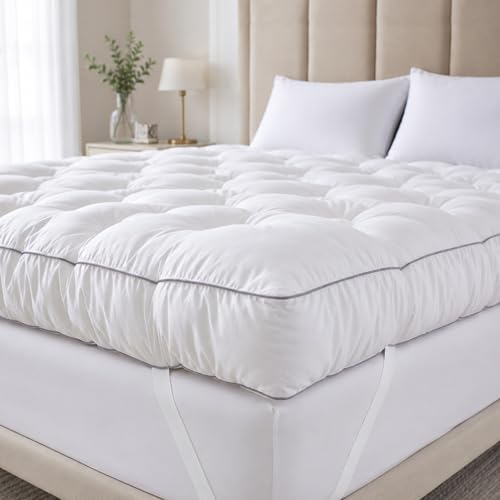
If your memory foam mattress is sagging, the fastest fix is usually improving the support underneath (foundation/slats) and then rebalancing comfort with the right topper and pillow setup. Start by identifying whether the foam is “bottoming out” or the base is failing—because the solution changes based on what’s actually causing the dip. In this guide, you’ll learn what to check, what to try first for couples, and when it’s time to replace.
This is for couples who share a memory foam mattress but don’t feel the same firmness or support at night—like one person needing more pressure relief while the other wants a flatter, more supportive surface. It’s also for anyone whose mattress sag isn’t just minor body impressions but seems to be getting worse over time.
Diagnose the sag: base issues vs. foam breakdown

If the bed feels like a “valley” for both partners, the foundation or slats are often the culprit; if only one side sinks, the foam is more likely compressing in a specific zone. Either way, confirming which layer is failing is the quickest way to stop the problem from returning after you add more comfort.
How to tell whether it’s bottoming out or support collapse
– Check whether the sag is mostly in one area (often a sleeper’s spot) or across the whole bed (more likely a support problem).
What this looks like in real life: One partner consistently sinks deeper near hips/waist while the other feels the dip only when they land in the same position—often points to localized foam compression. A “U-shape” or broad dip that appears no matter who sleeps where—often points to uneven support.
– Look for signs the comfort layer has worn down so far it feels “bottomed out” when you sit or lie in the same position.
Bottoming out means the mattress stops behaving like soft pressure relief and starts acting like you’re reaching a firm boundary underneath (even if the bed doesn’t look visibly damaged).
– Verify your mattress is being used on the intended foundation type (bed frame, slats, platform, adjustable base) and that it matches the manufacturer’s guidance.
Memory foam usually depends on stable support; a mismatch can accelerate sag even when the foam is otherwise “fine.”
Quick “mechanical” check you can do in minutes
Take a flashlight and look at the foundation from the side and from the foot of the bed. If the slats show uneven spacing, bending, or visible dips, the foam will be forced to collapse where the base fails—especially for couples because both body weights shift continuously through the night.
Fix support first: rotation, foundation, and airflow
If the base is failing, no topper choice will fully solve the sag—at best, it temporarily hides the problem. Start with support corrections that reduce flex and redistribute load so the mattress can return closer to its original shape.
Make the bed “structurally level” before you re-soften it
– Rotate the mattress (and flip only if the label/manufacturer allows it—many memory foam models should not be flipped).
Why this helps couples: Even when one person’s comfort needs differ, rotating often changes which sleeping zone is stressed. That can slow ongoing compression while you choose a long-term comfort plan.
– Inspect the foundation and slats: if there’s any bending, excessive flex, or uneven support, the foam will sag faster.
What to look for: bowed slats, missing center support rails, loose bed-frame joints, or slats spaced too far apart. If the foundation flexes under a “sit test,” the mattress foam will follow that motion cycle.
– Improve airflow where possible (keep the mattress uncovered for a short period during routine maintenance, and ensure the bed isn’t sealed against walls or blocked by furniture).
Heat and moisture don’t “cause sag” by themselves, but they can change how foam feels and recovers. If your topper traps heat, the foam may feel softer and take longer to regain shape.
A data-informed baseline couples should know
Small environmental changes can make toppers feel dramatically different. For heat management—especially when comfort layers soften—maintaining a cooler sleep environment matters.
Support Guidance That Affects Memory Foam Sag (Common Manufacturer Ranges)
| # | Manufacturer support guidance (foam beds) | Max slat gap (inches) |
Typical “bottoming” behavior when base flexes | Expected lift after support correction |
|---|---|---|---|---|
| 1 | Tempur-Pedic (memory foam support requirements) | 3 | Faster localized sink at hips/waist | ★★★★★ |
| 2 | Casper (foam mattress support guidance) | 3 | Pressure relief feels “cut off” sooner | ★★★★☆ |
| 3 | Purple (support requirement for foam beds) | 3 | Valley forms quicker for heavier partner | ★★★★☆ |
| 4 | Nectar (foam mattress foundation guidance) | 3 | Edge-to-center feel becomes noticeably uneven | ★★★☆☆ |
| 5 | Tuft & Needle (mattress support guidance) | 3 | Sinking increases when couple shifts late-night | ★★★★☆ |
| 6 | Helix (foundation compatibility guidance) | 3 | Hip support “vanishes” in the main sink zone | ★★★☆☆ |
| 7 | Brooklyn Bedding (foam mattress support guidance) | 3 | Body impressions deepen with repeated nightly use | ★★★★☆ |
Note: Verify against your exact mattress label and manual, because support instructions can vary by model (and by whether you’re using a platform, slatted base, or adjustable frame).
Use targeted comfort for two different sleep needs
If the mattress feels saggy mainly because one partner is “falling into” the dip, targeted comfort can rebalance pressure without making the whole bed too soft. The key is choosing comfort that supports the valley—rather than stacking more plush over already-compressed foam.
Match topper strategy to what each partner feels
– If one person sinks too much, try a topper strategy that adds support rather than just adding softness (choose a firmness level aimed at reducing the “valley” feel).
Think of the topper as a load-distribution tool. When couples use memory foam toppers, they should aim for reduced sinking and faster surface recovery.
– If the issue is pressure on hips/shoulders for one partner, look for comfort that relieves pressure without letting the whole mattress become too plush.
Pressure relief doesn’t require excessive softness; it requires the right combination of surface contour and stable support underneath.
– Consider zoning approaches (for example, topper thickness/firmness differences) if your comfort mismatch is consistent night after night.
Zoning helps when one partner benefits from pressure relief while the other needs flatter alignment for lower back support.
What I recommend you decide first (before shopping)
Both partners should describe the problem using three words each:
1) “Too firm” or “too soft,”
2) “Too hot” or “comfortable,”
3) “Sinks in one spot” or “all over.”
This keeps topper selection focused on the cause of sagging comfort—not just the sensation.
Dial in the couple setup with pillows and alignment
If sag feels worse than it “should,” pillow and body alignment can amplify the valley effect by pulling hips and shoulders out of neutral. Correct alignment can restore comfort even when the mattress is already doing some sinking.
Align the spine, then fine-tune pressure relief
– Match pillow height to sleeping positions so shoulders and hips align—misalignment can make saggy feel worse even when the mattress isn’t the only culprit.
If the pillow is too high or too low, your shoulder can roll forward while your pelvis drops into the sag zone. That increases perceived softness and can worsen morning stiffness.
– Reposition after settling: small changes (like moving toward the higher-support side) can reduce how quickly each partner sinks.
Couples often “learn” which side is better without realizing it. Make that intentional during troubleshooting while you adjust toppers or slat spacing.
– Use a mattress protector thoughtfully—keeping it on is good for hygiene, but avoid add-ons that trap heat or increase softness beyond what you need.
Some protectors add noticeable loft (thickness) and can soften the top layer. If the sag problem is borderline, you may want a thinner protector during the adjustment period.
A practical comfort-environment anchor
According to the National Sleep Foundation and other sleep-health guidance that compiles clinical recommendations, a bedroom around 60–67°F (15.6–19.4°C) often supports easier sleep onset and comfort Sleep Foundation (updated guidance commonly referenced through 2024–2025). Cooler rooms can also make memory foam feel less “melted,” especially with heat-trapping toppers. If you’re troubleshooting sag plus heat, control temperature first—then evaluate the mattress feel.
What can go wrong (and when DIY won’t help)
If you skip the cause and only treat the symptom, sag tends to return quickly—sometimes within weeks. The biggest risks are changing the bed setup in ways that fight the mattress construction or accidentally voiding coverage.
Common mistakes that worsen sag for couples
– Rotating or flipping against the manufacturer’s instructions can damage the mattress feel or void coverage—confirm before you do it.
Memory foam often has a directional comfort profile; flipping may break the intended layering or reduce warranty eligibility.
– Adding a thick, soft topper when the foam is already “bottomed out” may hide the problem briefly but worsen it by masking the true support failure.
A thick topper can turn “bottoming out” into “bottoming out + extra heat,” which can be a double comfort penalty for couples who sleep hot or shift often.
– If the foundation is uneven or too flexible, comfort tweaks won’t last; you’ll keep creating the same sag pattern in the worn area.
In other words, you can improve the surface, but the base continues to force repeated compression in the same spot.
Pros/cons of the two most common DIY paths
| Approach | Pros | Cons |
|---|---|---|
| Fix support first (slats/foundation, rotation) | Longer-lasting comfort gains | May not fully restore already-compressed foam |
| Add topper for couples’ mismatch (comfort rebalancing) | Faster feel improvement for pressure differences | Can add heat and reduce surface firmness stability |
Verdict: try support + topper first—replace if the foam is done
If the mattress is sagging because of a weak base or uneven support, you can often recover comfort with foundation fixes and a well-chosen topper. If the foam has permanently compressed (especially when you feel like you’re sinking into a deep, persistent pocket), replacement is usually the honest end point.
Downsides to consider: toppers can improve feel, but they can also change temperature, movement (couples may feel more “slide” or bounce depending on topper type), and long-term comfort consistency. Skip DIY-first approaches if the mattress is well past its usable life, shows deep persistent impressions, or if the manufacturer explicitly says the comfort layer can’t be rotated/flipped or repaired.
Quick scan checklist (save this):
| Check | Why it matters | What to look for |
|---|---|---|
| Mattress label rules | Prevent wrong flip/rotate behavior | “Rotate only” vs “do not flip” instructions |
| Foundation/slats condition | Sag often starts underneath | Bending, uneven support, worn slats |
| “Bottoming out” test (feel) | Determines whether topper can help | Persistent deep sink in the same spot |
| Topper choice | Couples need two different outcomes | One partner gets lift/support; the other gets pressure relief |
| Pillow + alignment | Reduces the “valley” impact | Better shoulder/hip alignment for each position |
Frequently Asked Questions
How can I fix a sagging memory foam mattress when my partner sleeps hot and I sleep cold?
Start by addressing the root cause: rotate the mattress (or flip it if it’s flippable) and ensure the bed frame has solid, supportive slats with minimal spacing. If your memory foam has developed body impressions, try adding a supportive mattress topper (like a firm foam or latex topper) to reduce uneven sinking for both sleep temperatures. For couples with different sleep needs, consider a cooling mattress protector and a breathable fitted sheet to manage heat without fighting the mattress’s shape. If the sagging is severe or you’re feeling the support core, it may be time to replace the mattress to restore proper spinal alignment.
What’s the best way to prevent a sagging memory foam mattress for couples with different sleep positions?
Prevention works best when you improve support and reduce pressure points. Use a flat, sturdy foundation, and make sure the mattress is not sitting on an unstable or overly flexible base that allows localized sagging. Couples with different sleep positions often benefit from a medium-firm top layer to limit deep “trench” impressions, so choose a topper that offers pressure relief without excessive sink. Regularly rotating the mattress (every 3–6 months) can also slow the development of uneven body impressions.
Which mattress topper works best to repair minor sagging in memory foam beds for couples?
For minor sagging, a high-density memory foam or latex mattress topper can help distribute weight more evenly and reduce the feel of dips. Latex is often a strong choice for couples because it adds buoyancy and helps maintain alignment while still offering pressure relief, which can reduce “stuck” sink for one partner. Aim for a topper thickness around 2–3 inches and choose a firmness level that matches the deeper-sinking partner’s pressure needs. A supportive topper plus a quality mattress protector typically provides the quickest improvement for couples without immediately replacing the bed.
Why does a memory foam mattress sag more with couples, and how can I stop it?
Memory foam sagging often happens when one or both sleepers repeatedly compress the same zones, especially if the mattress sits on a foundation with weak support or wide slat gaps. Couples may also create uneven wear because body weight, sleep posture, and movement differ night to night, forming localized body impressions. To stop it, rotate the mattress, check the frame for structural stability, and use a topper designed to reinforce pressure distribution. If you notice persistent deep impressions that remain after rotation and topping, the inner support layers may be failing and replacement is usually the most effective “fix.”
How do I fix a severely sagging memory foam mattress that causes back pain for one partner and hip pain for the other?
First, rule out foundation issues by tightening or replacing the bed frame and using a supportive base with evenly spaced slats. Next, test a temporary solution like a firm mattress topper or adding a supportive platform layer to lift and stabilize the sagging area, since memory foam can only “hold shape” when supported properly. If the sagging is deep enough that you can feel the mattress bottoming out or the support core, a topper may not fully restore spinal alignment—consider replacing the mattress for durable relief. To avoid repeat issues, choose a mattress with higher-density memory foam or a hybrid design and ensure it’s paired with a supportive foundation for couples with different body needs.
📅 Last Updated: November 14, 2026 | Topic: How to Fix a Sagging Memory Foam Mattress for Couples with Different Sleep Needs | Content verified for accuracy and freshness.
References
- Domestic violence against women: Recognize patterns, seek help – Mayo Clinic
- Memory foam
- Mattress
- About Sleep | Sleep | CDC
- mattress firmness low back pain systematic review – Search Results – PubMed
- https://pubmed.ncbi.nlm.nih.gov/?term=memory+foam+pressure+distribution+sleep+comfort
- https://www.britannica.com/technology/memory-foam
- https://scholar.google.com/scholar?q=sagging+memory+foam+mattress+repair+rotate+foundation Google Scholar
- https://scholar.google.com/scholar?q=mattress+firmness+low+back+pain+systematic+review Google Scholar
- https://scholar.google.com/scholar?q=memory+foam+pressure+relief+posture+support+sleep Google Scholar

2 Comments