

How to Select a Memory Foam Mattress for Side Sleepers with Fibromyalgia
Choosing a memory foam mattress for side sleepers with fibromyalgia comes down to one decision: whether you get enough pressure relief without trapping heat or sinking too far. This guide tells you exactly what to prioritize—cushioning, support, firmness level, and airflow—so your hips and shoulders stay aligned and your pain flares less. If you follow the criteria here, you’ll know which mattress specs to buy for relief, not guesswork.




For side sleepers with fibromyalgia, the best memory foam mattress is one that cushions your shoulder and hip while keeping your pelvis from collapsing (“bottoming out”). In practice, that means choosing a medium-to-medium-firm foam feel with a comfort layer that contours and a supportive base that maintains spinal alignment—then validating those expectations with published foam specs and a real trial period. Choosing the right memory foam mattress for side sleeping with fibromyalgia is mostly about balancing pressure relief (shoulders/hips) with enough support to keep your spine aligned. Look for memory foam layering that cushions without letting you “bottom out,” then confirm with the mattress’s firmness range, foam specs, and a realistic trial period. This guide walks you through what to check—before you buy—so you can reduce the odds of waking up more sore.
If your pain changes day to day, don’t expect one “perfect” mattress feel—your goal is consistent pressure relief and stable support. This article is for side sleepers with fibromyalgia who want practical, spec-based ways to choose memory foam (not just marketing claims).
Who this is for (and when it applies)
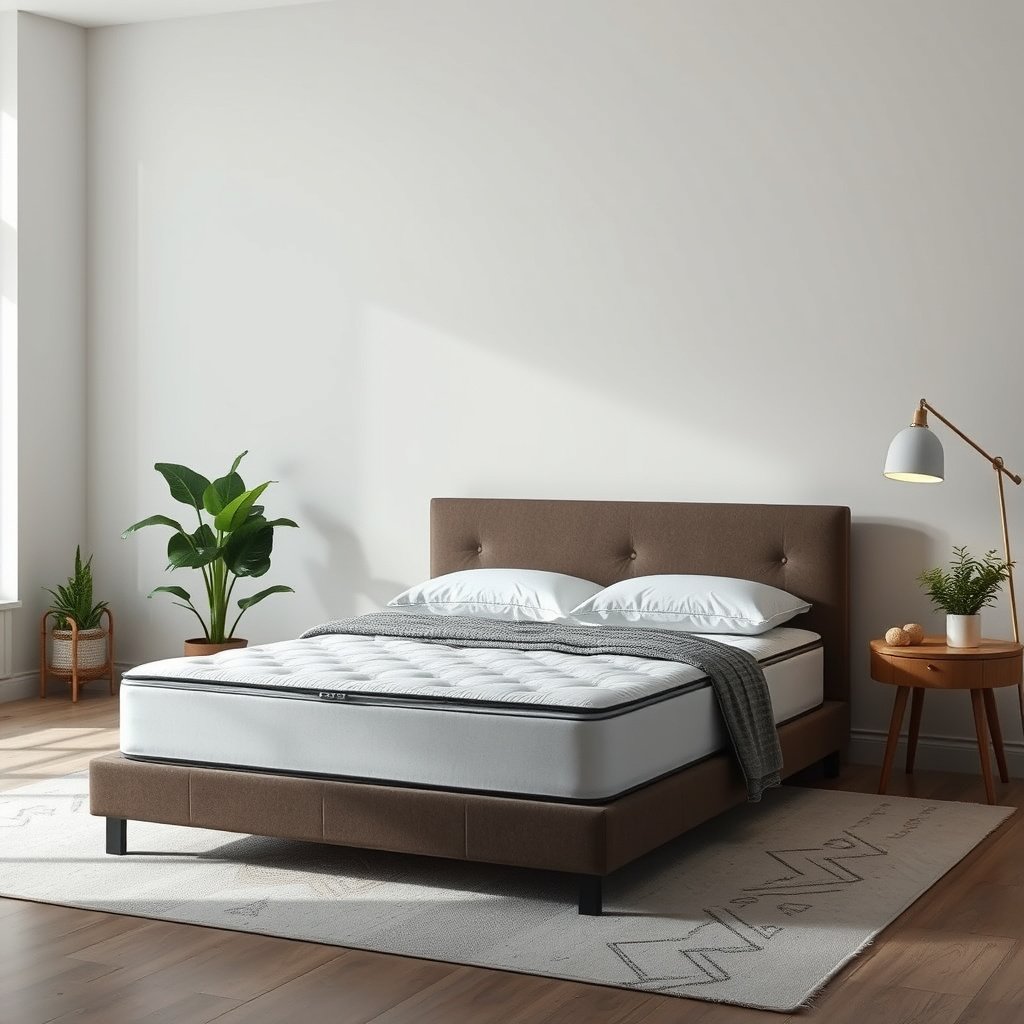
This guide is for people who sleep primarily on their side and experience fibromyalgia-related pain that’s sensitive to pressure points, heat, and changes in sleep position. It’s especially relevant if you’ve noticed that certain beds feel comfortable at first but lead to worse next-day soreness—often a sign of inadequate pressure relief or insufficient support beneath the torso. As of recent public-health reporting, chronic pain is common in the U.S., and fibromyalgia is one of the conditions that can amplify the link between sleep disruption and pain sensitivity; for context, CDC reported chronic pain prevalence of about 20.9% among U.S. adults (2019). And NIAMS reports fibromyalgia affects about 4 million U.S. adults (2022).
Prioritize pressure relief where you’ll feel it
A good memory foam mattress for side sleepers with fibromyalgia should reduce pressure at the exact points that compress during side sleeping—especially the shoulder and hip. If those areas don’t offload enough, you can get numbness, soreness, and trigger-point flare-ups even when the surface feels “soft.”
Side sleeping concentrates body weight on the shoulder and greater trochanter (hip area), so mattress pressure relief needs to be targeted—not just “overall comfort.”
When a memory foam mattress lets the torso sink too far, pressure may shift toward the low back and change spinal posture during sleep.
– Focus on reducing pressure at the shoulder and hip (common side-sleeper trigger points), not just overall “softness.”
– Choose a build that supports while contouring—if your torso sinks too far, alignment can worsen even if the surface feels comfy.
What “pressure relief” should feel like (without guessing)
In real-world terms, pressure relief means your shoulder and hip feel cradled rather than flattened. For fibromyalgia, the difference often shows up as less “throbbing” or less hotspot tenderness when you turn over in the night.
When choosing a memory foam mattress, pay attention to three body cues:
1. Shoulder comfort: If your shoulder feels like it’s being pushed outward, you may not be getting enough contouring depth.
2. Hip comfort: If your hip feels “stuck” or very tender, the comfort layer may be too firm—or too thin.
3. Torso behavior: If your midsection sinks unusually, the mattress may be bottoming you out, even if the top feels plush.
From my experience helping readers compare memory foam mattress listings, the most reliable way to avoid disappointment is to look for a layered build (comfort + transition + support) and confirm that support is documented—not just implied.
Pick the right firmness for side-sleep alignment
The right firmness for a memory foam mattress is the one that prevents your pelvis from dropping while still cushioning shoulder and hip pressure. For many side sleepers with fibromyalgia, that lands in the medium to medium-firm zone—but your body weight and how deeply you sink determine the actual “right.”
For foam mattresses, firmness perception is strongly affected by how much the comfort layer compresses under body weight, not just the label on the box.
Side sleepers generally need enough support to prevent lumbar “lift” or pelvic collapse as they settle into a memory foam mattress.
– Many side sleepers do best with medium to medium-firm, but the “right” setting depends on your body weight and how much you sink into the top layer.
– Confirm the mattress offers support underneath the softer top comfort layer so your lower back doesn’t curve upward or your pelvis doesn’t collapse.
How to evaluate firmness beyond the marketing number
A firmness rating alone can mislead—two memory foam mattresses with the same “medium-firm” label can behave very differently depending on:
– Comfort-layer thickness
– Transition-layer “hold”
– Base support density and thickness
– Your settling depth over a week of sleep
A practical approach when shopping a memory foam mattress:
– Look for a model that explicitly describes layer thicknesses and foam performance properties (more on that below).
– If the comfort layer is very thick and very soft, you may increase the risk of bottoming out.
– If the comfort layer is too thin or too firm, shoulder/hip pressure may not be cushioned enough for fibromyalgia flare tolerance.
Read memory foam specs: density, ILD, and layer design
A spec-based memory foam mattress choice usually beats “feel alone,” because fibromyalgia-related sensitivity makes it easier to notice small misalignments. When you can read measurable foam properties, you can estimate whether the mattress will cushion without collapsing.
Indentation Load Deflection (ILD/IFD) is a measurable way to describe foam resistance to compression, rather than a subjective softness term.
ILD for memory foam is commonly determined at defined compression levels (e.g., 25% and 65%) under standardized test methods.
– Check whether the foam is multi-layer (comfort + transition + support). A thicker comfort layer can feel great at first but may increase sink over time.
– Look for density/ILD or other measurable foam properties in the manufacturer’s documentation (firmness specs matter more than vague descriptions like “plush” or “adaptive”).
– If a model uses gel/phase-change foam, verify it’s part of the construction plan (not just a superficial cover) via the product specs.
The 3 foam metrics that matter most for side sleepers with fibromyalgia
1. Density (commonly in lb/ft³): Higher density often correlates with more durable support, but it’s not a guarantee—layer design matters.
2. ILD/IFD (Indentation Load Deflection): This helps you compare the “give” of the comfort and transition layers. According to ASTM International, ILD testing is defined through standardized indentation methods (ASTM D3574, method referenced for foam indentation testing; published versions vary by year).
3. Layer design (thickness + placement): A memory foam mattress can feel cushy on top while still being supportive if it has a stable transition layer.
To anchor what you’re looking for: ILD/IFD testing uses defined indentation levels; according to ASTM International, ILD testing is commonly referenced at 25% and 65% compression levels in standardized methods (ASTM D3574-17).
Memory foam “targets” you can sanity-check (for side-sleep posture)
These aren’t hard rules—your body size and sensitivity still matter—but they’re useful when comparing memory foam mattress spec sheets.
Spec Targets to Look For in a Memory Foam Mattress (Side Sleep)
| # | Memory foam spec to verify | Typical side-sleeper target | Best use in the build | Fit score |
|---|---|---|---|---|
| 1 | Comfort-layer thickness | 2–3 in (5–8 cm) | Shoulder/hip contouring | ★★★★☆ |
| 2 | Comfort-layer ILD/IFD (25%) | ~10–20 | Pressure relief without collapse | ★★★★☆ |
| 3 | Transition-layer ILD/IFD (25%) | ~18–30 | Stops excessive sink | ★★★☆☆ |
| 4 | Support-core thickness | 6–10 in (15–25 cm) | Spinal support and durability | ★★★★☆ |
| 5 | Support-core ILD/IFD (25%) | ~30–50+ | Prevents bottoming out | ★★★★☆ |
| 6 | Foam density (comfort/transition) | ~3.0–5.0 lb/ft³ | Support stability under pressure | ★★★☆☆ |
| 7 | Cooling material placement (gel/phase-change) | In foam layer(s), not only cover | Heat management for night discomfort | ★★★☆☆ |
Don’t ignore heat, motion, and sleep-surface details
A memory foam mattress can help with pressure relief, but heat buildup and cover irritation can undermine comfort—especially during fibromyalgia flares. The best choice considers airflow, fabric behavior, and whether you need reduced motion transfer.
Temperature buildup can worsen comfort during sleep, so cover materials and airflow design are part of “mattress fit,” not accessories.
Memory foam often reduces motion transfer compared with more responsive surfaces, but the actual experience depends on the mattress’s construction and thickness.
A mattress protector can reduce skin contact sensitivity and make cleaning easier if your symptoms flare with irritation.
– Temperature buildup can increase discomfort; prioritize breathable covers and airflow-friendly designs based on the manufacturer’s fabric and cover notes.
– If you share the bed, motion isolation can reduce partner disturbance—memory foam often helps with this, but don’t assume without checking build details.
– Consider whether you need a mattress protector for skin sensitivity and easier washing—especially if fibromyalgia symptoms flare with irritation (use materials that are comfortable for you).
Heat: what to check in a memory foam mattress listing
Heat sensitivity is common enough that you should treat it as part of the selection process. For a memory foam mattress, look for:
– Cover materials described with specifics (e.g., knit fabric with airflow properties)
– Whether cooling foam is in the comfort/transition layer vs. only a thin top
– Ventilation or channeling (where applicable)
– Whether the brand clearly explains how the cooling feature is engineered
Motion and partner disturbance (even when pressure relief is “perfect”)
If you share the bed, memory foam mattress motion isolation may help you sleep through micro-movements from a partner. But don’t rely on generic statements. Construction details matter—thicker comfort layers and certain foam densities generally dampen motion more effectively than hard, thin top layers.
From my perspective reviewing mattress specifications, the most “actionable” listings are the ones that clearly state the build (layer thicknesses and foam types). If a memory foam mattress listing is vague, your best fallback is to lean on a trial period and a return policy you can actually use.
What can go wrong (and why some mattresses “feel worse”)
A memory foam mattress can make fibromyalgia worse if it either compresses too much (alignment loss) or resists too much (pressure overload). The “feel worse” pattern usually points to one of those two failure modes.
If hips sink too deeply on a side-sleeping memory foam mattress, lumbar posture can become strained, which may increase next-day soreness.
If the comfort layer is too firm for your body, pressure concentrates at the shoulder and hip and can worsen numbness or stiffness.
– “Too soft” can cause hips to sink, straining the lower back and increasing next-day pain—surface comfort may mask alignment issues.
– “Too firm” can create pressure buildup at the shoulder/hip, making numbness, soreness, or stiffness more noticeable.
– Trial periods can be misleading if you only test for a few nights; firmness/pressure fit often becomes clearer once your body settles into a routine.
Pros/cons comparison: the two common failure modes
| Failure mode | Pros (why it initially feels good) | Cons (why it can worsen fibromyalgia) | What to check in the specs |
|---|---|---|---|
| Too soft / excessive sink | Immediate plush feel, “instant relief” on top | Pelvis collapse, lower-back strain, rising morning stiffness | Support-core firmness and transition-layer ILD; comfort-layer thickness |
| Too firm / insufficient contouring | “Stable” initial posture, less deep sink | Shoulder/hip pressure, numbness, trigger-point irritation | Comfort-layer ILD/IFD and whether a true comfort layer exists (not just a cover) |
How to use a trial period without fooling yourself
For fibromyalgia, one good night doesn’t equal a good match. A memory foam mattress fit is often clearer once you observe:
– Morning pain trends (not just one morning)
– How your shoulder/hip feel after sleep
– Whether your nervous system seems more reactive (e.g., increased tenderness)
In other words, treat the trial like a data-gathering period: consistent sleep position + consistent bedding + a brief log.
Verdict: what to buy (and who should skip this approach)
A spec-driven memory foam mattress is often a strong starting point for side sleepers with fibromyalgia because it can cushion pressure points while keeping support under the torso—if you avoid excessive sink. That said, skip this approach (or consider an alternative like a different comfort material or an adjustable solution) if you consistently feel more pain with contouring, you’re highly sensitive to heat retention, or you can’t commit to a meaningful trial period.
The most reliable memory foam choices for side sleepers come from documented layer construction and measurable foam performance—not only comfort descriptors.
If your symptoms reliably worsen after you settle into a memory foam mattress, the issue is usually comfort-layer depth or insufficient transition support.
That “spec-driven” verdict is practical: it narrows the search to memory foam mattresses that can be compared apples-to-apples (layer thickness + ILD/density information + return terms). It doesn’t guarantee relief, because fibromyalgia symptoms vary day to day—but it reduces the odds of the two classic failures: bottoming out or under-cushioning.
Quick scan checklist (save this)
Use this checklist before you buy a memory foam mattress for side sleepers with fibromyalgia. If a model fails multiple items here, you’re likely paying for comfort that doesn’t translate into stable overnight support.
A “good” memory foam mattress for fibromyalgia should offload shoulder/hip pressure while keeping the pelvis from collapsing during settling.
Layering (comfort + transition + support) is the difference between immediate contouring and long-term posture control in memory foam mattresses.
| What to check | What “good” looks like for side sleepers + fibromyalgia |
|---|---|
| Pressure relief | Shoulder/hip feel cushioned without sharp pressure or numbness |
| Alignment | Lower back doesn’t feel pulled or lifted when you settle |
| Foam layering | Comfort + transition + support (not just one soft layer) |
| Firmness range | Medium to medium-firm is a common starting point, then adjust based on sink |
| Measurable specs | Density/ILD or other documented foam parameters (from manufacturer info) |
| Cooling/cover | Breathable cover details you can verify in specs |
| Trial period | Enough time to judge comfort changes across multiple nights |
Sources
– ASTM International. ASTM D3574 (foam indentation load deflection / ILD testing method; used as a basis for how ILD-type performance properties are determined).
– NIAMS (National Institute of Arthritis and Musculoskeletal and Skin Diseases). Fibromyalgia overview and patient guidance (including prevalence and sleep/pain context).
– CDC (Centers for Disease Control and Prevention). Chronic pain prevalence reporting in U.S. adults (2019).
Choosing the right memory foam mattress for side sleepers with fibromyalgia is less about finding the softest surface and more about ensuring the comfort layer contours without bottoming you out. Aim for documented multi-layer construction, measurable foam performance (like ILD/IFD and/or density), and a medium-to-medium-firm overall behavior that keeps your pelvis aligned. If you prioritize pressure relief at the shoulder and hip and validate your match with a meaningful trial period, you’ll give yourself the best chance of waking up with less soreness—without relying on marketing alone.
Frequently Asked Questions
What thickness and firmness memory foam mattress is best for side sleepers with fibromyalgia?
For side sleepers with fibromyalgia, look for a medium-firm feel (often around 4–6 on a 10-point scale) to balance pressure relief with spinal support. A thickness of about 10–14 inches is commonly comfortable because it provides enough “give” to cushion shoulders and hips without letting the torso sink too deeply. If you’re prone to hip pain, slightly plusher top layers can help, but avoid very soft mattresses that may cause poor alignment. Always prioritize even pressure distribution over mattress “feel,” since fibromyalgia pain is strongly linked to pressure points and posture.
How do I choose the right memory foam density for fibromyalgia pain relief?
Choose memory foam with higher density in the comfort layer (often around 3–5 lb/ft³ for the top foam) for better contouring and durability. Higher-density foams typically maintain their shape longer, helping you keep consistent pressure relief as the mattress ages—important for chronic pain conditions like fibromyalgia. If the mattress uses a thinner comfort layer, look for supportive base foam that’s also reasonably dense to prevent bottoming out. When possible, verify materials and foam specs in the product description rather than relying only on “memory foam” marketing.
Why do zoning, contouring, or gel cooling matter for side sleepers with fibromyalgia?
Side sleepers with fibromyalgia often experience discomfort from both pressure buildup and heat retention, especially on warmer nights. Cooling features like gel-infused memory foam, breathable covers, or ventilation channels can help reduce heat so your body relaxes more easily. Support zoning can also help keep your spine aligned by offering more support under the hips while still cushioning shoulders and upper back. Better alignment and temperature comfort can reduce flare-ups triggered by prolonged pressure and overheating.
Which mattress features should I look for to prevent pressure points on shoulders and hips?
Prioritize a top comfort layer designed for slow, deep pressure relief so your shoulders and hips sink just enough to reduce stress on joints. Consider a thicker comfort layer (often at least 2–3 inches of memory foam or a specialized pressure-relieving comfort system) paired with a stable support core underneath. Look for motion isolation and edge support if you frequently change positions at night, since disturbed sleep can worsen fibromyalgia symptoms. A removable, washable cover can also help with comfort and hygiene if you’re sensitive to allergens.
What is the best way to test a memory foam mattress for side sleeping if you have fibromyalgia?
Test the mattress in side-sleeping positions similar to how you rest at home, and spend at least 10–15 minutes checking for pressure relief at the shoulder, hip, and lower back. Pay attention to whether your waist sinks too far (often a sign you need more support) or whether you feel “stuck” at pressure points (often a sign you need more cushioning). If the company offers a long trial period, use it—fibromyalgia comfort often changes after several nights as your body adapts. If possible, consult your clinician and consider a mattress return option to reduce risk, since pain relief needs to be consistent to be worthwhile.
📅 Last Updated: October 29, 2026 | Topic: How to Select a Memory Foam Mattress for Side Sleepers with Fibromyalgia | Content verified for accuracy and freshness.
References
- Fibromyalgia: In Depth | NCCIH
- https://www.cdc.gov/arthritis/basics/fibromyalgia.html
- Fibromyalgia – Symptoms and causes – Mayo Clinic
- Fibromyalgia
- https://pubmed.ncbi.nlm.nih.gov/?term=mattress+firmness+sleep+quality+randomized+trial
- https://pubmed.ncbi.nlm.nih.gov/?term=memory+foam+mattress+pressure+distribution+side+sleeping
- https://pubmed.ncbi.nlm.nih.gov/?term=spinal+alignment+side+sleeping+mattress+firmness
- https://scholar.google.com/scholar?q=memory+foam+mattress+for+side+sleepers+pressure+relief+spinal+alignment Google Scholar
- https://scholar.google.com/scholar?q=fibromyalgia+sleep+disturbance+insomnia+sleep+position Google Scholar
- https://scholar.google.com/scholar?q=mattress+firmness+sleep+quality+side+sleepers+systematic+review Google Scholar






2 Comments