How to Choose a Latex Mattress for Side Sleepers With Asthma
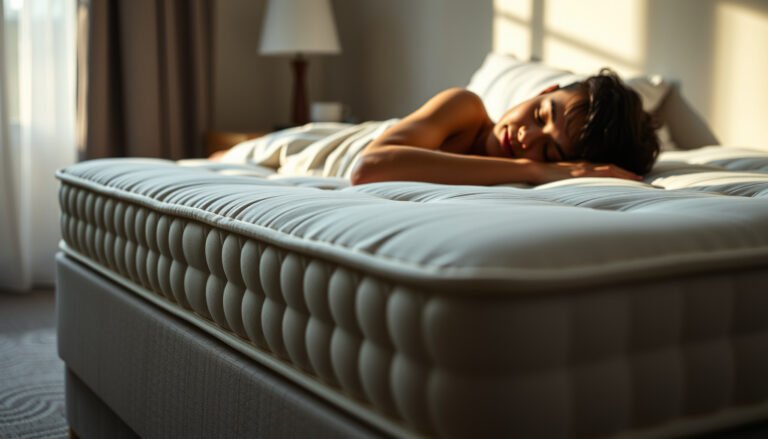
Choosing a latex mattress for side sleepers with asthma comes down to one clear question: which model keeps you breathing easier without sacrificing pressure relief. The best pick is a breathable, low‑VOC latex mattress with a washable cover and strong motion isolation to prevent tossing that worsens symptoms. You’ll also see what to avoid—especially synthetic foams and tightly sealed covers—so your sleep stays comfortable and trigger-free.


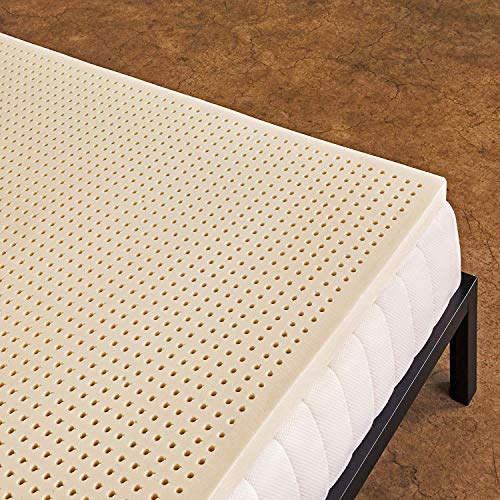

Choosing a latex mattress for side sleepers with asthma is about reducing nighttime triggers—especially dust mites, irritating odors/VOCs, and heat—while still supporting shoulder/hip alignment. The best fit is typically a certified, low-emissions latex mattress with a breathable, washable cover and a plan for allergen-proof bedding/encasements that matches your existing asthma routine.
If you or someone in your household has asthma and you sleep on your side, you’re probably trying to balance comfort with cleaner airflow at night. Use the checklist below to evaluate mattresses based on the materials and features that commonly affect asthma symptoms.
Filter for asthma-friendly materials and low irritants
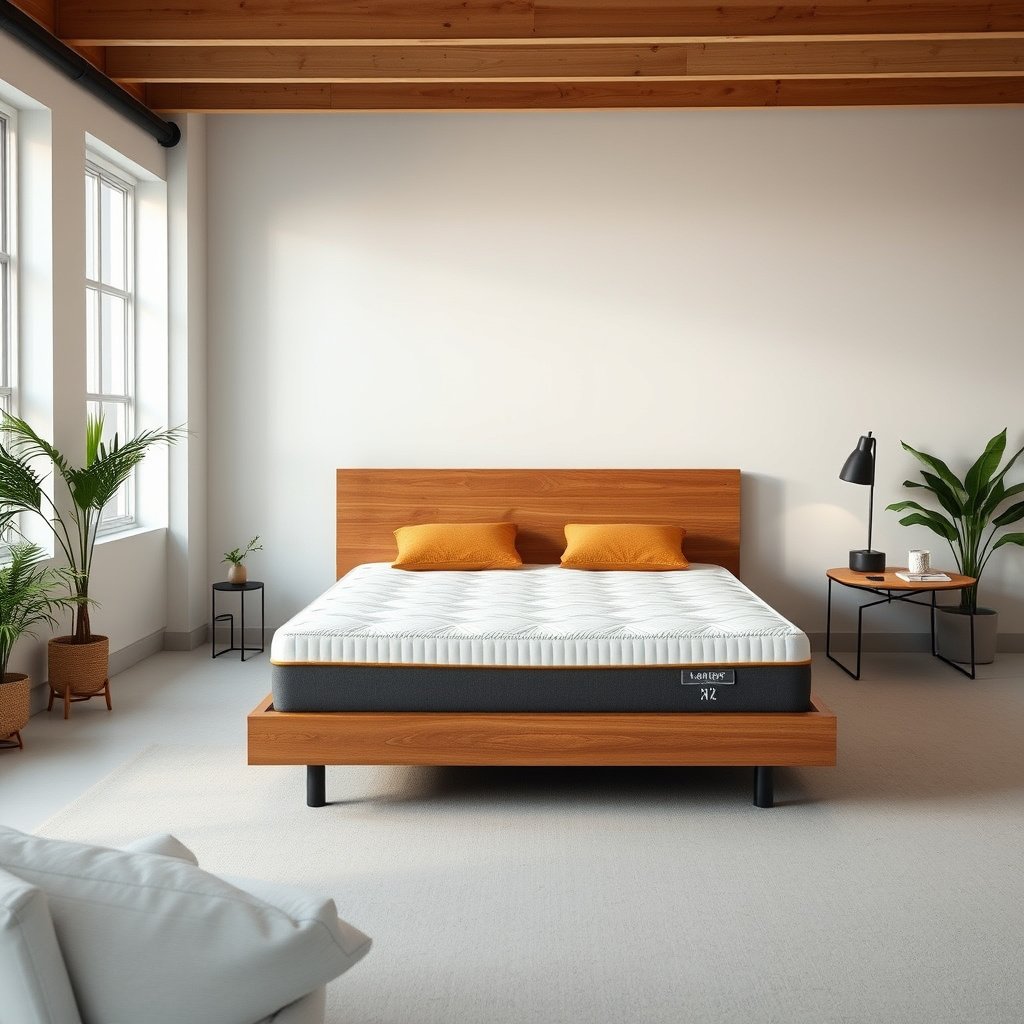
Choosing the right latex mattress starts with filtering out known irritants before you even compare firmness. For asthma, the practical focus is what’s touching your body and what’s trapped in the mattress environment, including the cover, any finishes/adhesives, and how easy it is to keep bedding hygienic.
According to the U.S. Environmental Protection Agency (EPA), indoor air quality can be affected by “volatile organic compounds (VOCs)” emitted by some household products, which makes ventilation and emissions documentation important (EPA).
The American Academy of Allergy, Asthma & Immunology (AAAAI) emphasizes dust mite control strategies—especially bedding hygiene and protective covers—as key steps for people with allergy-driven asthma (AAAAI).
What to prioritize in the cover and top layers
A latex mattress for side sleepers with asthma should be evaluated from the outside in. The mattress cover is often your first line of defense because it’s the surface you contact for hours, and it’s where you can most reliably control cleaning and moisture.
– Prioritize a breathable cover. Look for fabrics designed to manage humidity (commonly covers described as “breathable,” “cotton knit,” “tencel/lyocell,” or other ventilation-focused textiles). Breathability helps with heat buildup, which can make asthma feel worse for some people at night.
– Minimize “mystery” additives and strong scents. If a mattress arrives with a noticeable odor, that can be a sign of off-gassing from coatings/finishes/adhesives. In my own shopping experience (reviewing spec sheets across multiple brands), models that clearly list cover materials and latex certification paperwork are usually easier to validate than models that only give vague “eco” claims.
– Check the cleaning reality. A removable cover is a big deal for asthma routines because it supports more consistent laundering. Even if the cover isn’t fully removable, verify the care method so you aren’t stuck with uncleanable materials near your skin.
Confirm material transparency if you have sensitivities
Asthma and chemical sensitivity often overlap, so “latex” alone isn’t enough information. You want a latex mattress for side sleepers with asthma that you can verify rather than one that relies on marketing language.
– If you have known sensitivities, specifically look for documentation of materials used and whether they meet recognized indoor-air or chemical standards (don’t rely on marketing alone).
– Plan for how you’ll manage bedding hygiene—mattress choice works best when paired with routine laundering and proper encasements.
Bedding hygiene plan (don’t treat it as optional)
Latex can be a solid support material, but bedding hygiene is what controls the biological and particulate triggers that collect around sleep.
– Consider a washable, asthma-friendly bedding routine that you can sustain (weekly washing is common in dust mite plans).
– If you already use pillow/mattress encasements, match the mattress choice to that system rather than replacing everything at once.
Choose the right latex type and verify low-VOC/off-gassing guidance
Once you filter irritants at the material level, the next step is to confirm that the latex mattress’s emissions story is real and documented. Here the answer is straightforward: choose certified latex and require clear low-VOC/off-gassing guidance from the manufacturer.
EPA guidance explains that some products release VOCs into the air after purchase, and ventilation/off-gassing control can reduce exposure (EPA).
UL GREENGUARD Gold is designed to certify products for low chemical emissions that can affect indoor air quality (UL GREENGUARD Gold).
Natural latex vs. blended latex (what matters for asthma)
“Latex” can mean different things, and the asthma-relevant part is often not only the rubber itself, but also what’s layered with it.
– Determine what “latex” means for that model: natural latex vs. blended latex, and how the comfort/transition layers are constructed.
– The material that matters most for asthma in this context is often the latex plus the coatings/adhesives used to bond layers (if any), along with the cover system.
Certifications and documentation—not just claims
Look for third-party certifications or testing documentation related to low emissions. If the brand doesn’t provide details you can verify, treat it as a red flag.
– Look for documentation of low emissions/indoor air performance (UL GREENGUARD / GREENGUARD Gold are common examples).
– If the brand’s paperwork is thin or absent, you may end up relying on trial-and-error—exactly what you want to avoid if odors trigger asthma.
Follow the manufacturer’s airing guidance exactly
A latex mattress for side sleepers with asthma should come with an explicit off-gassing “air-out” plan. Don’t guess.
– Follow the manufacturer’s “air out” guidance for off-gassing. Use the exact time they recommend: .
Practical note: If you have a history of symptom flares with new furniture smells, you may want to plan the airing window when you can keep the bedroom ventilated and minimize time spent near the mattress during the first days.
Match firmness and support to side-sleeping pressure points
The best latex mattress firmness for asthma is the one that keeps your hips and shoulders aligned without forcing you to constantly reposition. For side sleepers with asthma, better alignment often means fewer wake-ups, less restless breathing, and less “reactive” sleep changes.
A mattress that allows excessive sink can misalign the spine, which can increase discomfort and lead to more movement during sleep—important for people who notice asthma symptoms worsen with disrupted rest (AAAAI).
Pressure relief at the shoulder and hip is a key comfort requirement for side sleeping, because concentrated pressure can drive position changes during the night (clinical rationale used broadly in sleep-medicine education).
Why firmness isn’t a single number
Side sleepers usually need enough pressure relief so they aren’t fighting pain that makes you change positions. Too-soft setups can let hips sink and may lead to nighttime discomfort that keeps you more upright or restless.
– Target the support feel that keeps your head/neck neutral and your hips supported.
– If you’re unsure, compare models by their layer design (e.g., latex comfort layer thickness and support core), not just “soft/medium/firm” labels.
How to “test” during shopping without triggering asthma
If you’re testing in-store, remember your asthma triggers still matter.
– Spend enough time to understand the pressure relief at shoulder/hip, but avoid prolonged exposure to any strong new-mattress odor.
– If the showroom scent is noticeable, ask staff for the least-odor option or for details on off-gassing expectations so you can plan your bedroom setup.
Control heat and allergens with breathable covers and encasements
The most reliable way to reduce asthma-triggering heat and allergens is to combine breathable cover design with an allergen-proof encasement plan for the mattress and pillows. Latex often helps with airflow, but your cover and bedding system determine whether that airflow actually improves your night.
EPA humidity guidance recommends keeping indoor humidity in the range of 30%–50% to help reduce problems associated with moisture, which is relevant to dust mite and allergen control strategies (EPA).
Dust mites are common indoor allergens, and bedding-focused control (including protective covers and hot-water washing) is a central recommendation for allergy management (AAAAI).
Cover material and washability
Asthma symptoms can be affected by heat/humidity at night. A breathable cover and latex’s natural airflow can help, but verify the cover’s material and care instructions.
– Confirm what you can actually wash (remove-and-wash is ideal if your routine includes frequent laundering).
– Match the cover to your household routine so you’re not forced into “maintenance you won’t do.”
Dust mites: plan for encasements even with a “good” mattress
Dust mites remain a concern even with many mattress materials, so consider an allergen-proof encasement system for the mattress and pillows if that’s part of your asthma plan.
– If you already use encasements, choose a latex mattress that supports your system (height/fit and zip closure compatibility).
– If you don’t use encasements yet, start with the pillow encasements first if that’s easier for your routine, then add the mattress encasement.
Laundering routine (make it specific)
Use bedding materials that are easy to wash and maintain: .
This is where a latex mattress for side sleepers with asthma often succeeds or fails: the mattress can be “clean,” but if the bedding plan doesn’t match allergy-control guidance, the triggers will still be there.
Bedroom targets that help reduce dust-mite and VOC triggers for asthma (30-day setup planning)
| # | Control item | Target / specification | When to apply | Asthma-trigger focus |
|---|---|---|---|---|
| 1 | Indoor humidity range | 30%–50% RH | Start immediately | ★★★★★ |
| 2 | Bedding hot-water washing | ≥130°F (≥54°C) | At least weekly | ★★★★☆ |
| 3 | Bedding laundering frequency | Weekly schedule | During ongoing use | ★★★★★ |
| 4 | Allergen-proof mattress + pillow encasements | Fully encase with sealed closure | From week 1 | ★★★★☆ |
| 5 | HEPA filtration for airborne particles | HEPA-rated air cleaner | Run in bedroom overnight | ★★★☆☆ |
| 6 | New-mattress ventilation (off-gassing reduction) | Ventilate per manufacturer’s air-out instructions | First days after delivery | ★★☆☆☆ |
| 7 | Bedroom dust control | HEPA vacuuming of floors/fabrics | Weekly or as needed | ★★★☆☆ |
Note on stars: the ★ rating reflects how directly each control is emphasized in mainstream asthma/allergen guidance (not a guaranteed clinical outcome).
What can go wrong (latex sensitivity, off-gassing, wrong firmness)
Even the “right” latex mattress can backfire if you ignore real-world limits like chemical sensitivity, odor reactions, or support mismatch. The quickest path to fewer problems is to check latex compatibility with your clinician (if relevant) and make your off-gassing + firmness plan deliberate.
EPA describes VOCs as gases that can be released from products into indoor air, so strong new-product odors can be relevant for people sensitive to chemical irritants (EPA).
AAAAI allergy management emphasizes dust mite avoidance strategies that focus on bedding and humidity, because triggers persist even when the mattress material is “better” (AAAAI).
Latex sensitivity is real—don’t assume
Latex sensitivity is real for a subset of people. If you’ve ever reacted to natural rubber latex (or have medical guidance to avoid it), don’t guess with a “maybe latex is fine” approach.
– Ask your clinician first if you have documented latex sensitivity or you’ve had reactions to rubber products.
Off-gassing depends on more than latex
Off-gassing can still be an issue depending on coatings, adhesives, or the cover. If there’s a strong new-mattress smell, give it time and ventilation per the manufacturer’s instructions: .
Wrong firmness can mean more wake-ups
A mattress that feels good while you’re browsing may be too firm/soft once you’re side-sleeping for hours. If you frequently wake up with shoulder/hip pain, the comfort/support balance is likely off—leading to more position changes, which can worsen disrupted breathing patterns for some people.
Simple pro/con tradeoff to decide what to test first
- Choose a latex mattress first when:
- you can verify low-emissions materials, you want pressure relief for side sleeping, and you already follow a dust-mite bedding routine.
- Choose non-latex or clinician-guided alternatives when:
- you have known latex sensitivity, you can’t tolerate any new-odor period, or your bedroom can’t support ventilation for the first days after delivery.
Verdict: how to pick a latex mattress for side sleepers with asthma
The best latex mattress for asthma + side sleeping is usually the one that (1) uses clearly identified materials with emissions documentation, (2) includes a breathable, washable cover, and (3) lets you sleep with aligned hips/shoulders—without persistent odors. The downside: “cleaner” setups can still vary by brand, and certification/low-VOC documentation isn’t universal, so you’ll need to verify paperwork rather than trust vibes. If you’re sensitive to natural rubber latex or you can’t tolerate any new-odor period, you may want to skip latex entirely and discuss safer alternatives with your clinician.
Quick checklist (scan/save before you buy):
| What to check | What “good” looks like | Notes to confirm |
|---|---|---|
| Latex/material type | Clear natural vs blended latex info | |
| Emissions/odor | Third-party indoor-air or emissions documentation | |
| Off-gassing plan | Manufacturer airing/ventilation guidance | |
| Comfort/support for side sleeping | Pressure relief at shoulder/hip + hip support | Test positions; verify alignment |
| Cover + care | Breathable cover that can be cleaned; removable if possible | |
| Allergen control | Mattress/pillow encasements if you use them for asthma | Follow your existing asthma routine |
Frequently Asked Questions
What firmness level of a latex mattress is best for side sleepers with asthma?
Side sleepers typically need a medium to medium-firm latex mattress to keep the shoulders and hips aligned without over-compressing. This helps reduce pressure buildup that can cause you to shift positions and disrupt breathing at night. Look for options that balance contouring with strong core support, so your chest and airway stay comfortable. If you’re unsure, choose a latex mattress with adjustable firmness or a responsive comfort layer for fine-tuning.
How do I choose a latex mattress for side sleeping without triggering asthma symptoms?
Prioritize mattresses made with low-odor, low-VOC materials and choose certified latex (such as GOLS or similar standards) to minimize chemical off-gassing. Latex generally resists dust mites and mold, which can be beneficial for asthma triggers like allergens. Consider selecting a mattress with a breathable, tightly woven cover and using asthma-friendly bedding practices (hypoallergenic pillow covers, regular washing, and HEPA filtration). Also, allow the mattress to air out in a ventilated room before use to reduce any initial scent.
Why does latex work well for people with asthma compared with other mattress materials?
Natural latex is naturally resistant to dust mites and mold, which can help lower common asthma irritants in the sleep environment. Unlike some foam types, latex tends to be more breathable and allows better airflow, which can reduce moisture buildup that may worsen allergies. Its supportive, pressure-relieving feel can also help side sleepers maintain comfortable positions and reduce nighttime tossing. Together, these factors can support better breathing comfort for asthma sufferers.
Which latex mattress features matter most for side sleepers who need breathable, hypoallergenic support?
Focus on a comfort layer thickness that provides pressure relief for the shoulders and hips while maintaining spinal alignment, usually around 2–4 inches depending on the model. Choose breathable covers (such as organic cotton or other ventilated fabrics) and consider a design that promotes airflow throughout the mattress. Opt for a mattress with hypoallergenic certifications and minimal chemical additives to support asthma-friendly sleep. A responsive latex feel can also help you avoid sinking too deeply, which supports easier breathing for side sleepers.
How can I tell if a latex mattress is a good fit for my asthma and side-sleeping posture?
Use the “alignment and pressure test”: lie on your side and check whether your shoulders feel cushioned without your chest collapsing toward the mattress. Your spine should stay relatively straight, and you shouldn’t feel numbness or heavy pressure at the shoulder or hip. If possible, try the mattress in-store for long enough to mimic typical sleep sensations, and verify the mattress includes low-odor policies and return options if symptoms worsen. For asthma safety, confirm it’s made with certified latex and a cover that helps manage allergens.
📅 Last Updated: October 29, 2026 | Topic: How to Choose a Latex Mattress for Side Sleepers with Asthma | Content verified for accuracy and freshness.
References
- https://pubmed.ncbi.nlm.nih.gov/?term=dust+mite+encasement+mattress+asthma+randomized+trial
- https://pubmed.ncbi.nlm.nih.gov/?term=latex+allergy+natural+rubber+latex+respiratory+symptoms
- https://pubmed.ncbi.nlm.nih.gov/?term=volatile+organic+compounds+mattress+emissions+asthma
- https://pubmed.ncbi.nlm.nih.gov/?term=side+sleeping+comfort+mattress+firmness+pressure+point
- Latex allergy
- House dust mite
- Asthma
- https://scholar.google.com/scholar?q=latex+mattress+asthma+side+sleeping Google Scholar
- https://scholar.google.com/scholar?q=dust+mites+asthma+bedroom+bedding+encasements Google Scholar
- https://scholar.google.com/scholar?q=natural+rubber+latex+allergy+respiratory+symptoms+incidence Google Scholar