

Choosing a Cooling Mattress for Heavy People with Asthma in Vacation Homes
A cooling mattress for heavy sleepers with asthma should combine breathable materials, a stable support core, and an allergen-resistant barrier to help reduce heat and irritants in a vacation home. You can narrow the choice in about 20–30 minutes by focusing on cooling performance, firm-enough pressure relief, and low-odor, easy-to-clean construction. Once you verify these features before delivery, you will be able to sleep cooler and breathe easier during every stay.




A cooling mattress for heavier sleepers with asthma should prioritize breathable airflow and durable support—then add allergen/dust-mite barrier layers you can maintain between stays. In practice, that means a ventilation-friendly mattress design, a breathable (not overly “sealed”) washable protector, and a zippered dust-mite encasement—plus a plan to air out any low-VOC/new-material odors before the first night.
If you’re renting or staying in someone else’s place (where you may not control bedding hygiene, humidity, or bed frames), the “right” mattress is the one that performs well even when conditions aren’t ideal. This is especially relevant for heavy sleepers with asthma, because overheating and irritants like dust mites, allergens, and lingering new-mattress odors can make symptoms worse.
Cooling features that actually help heavier sleepers
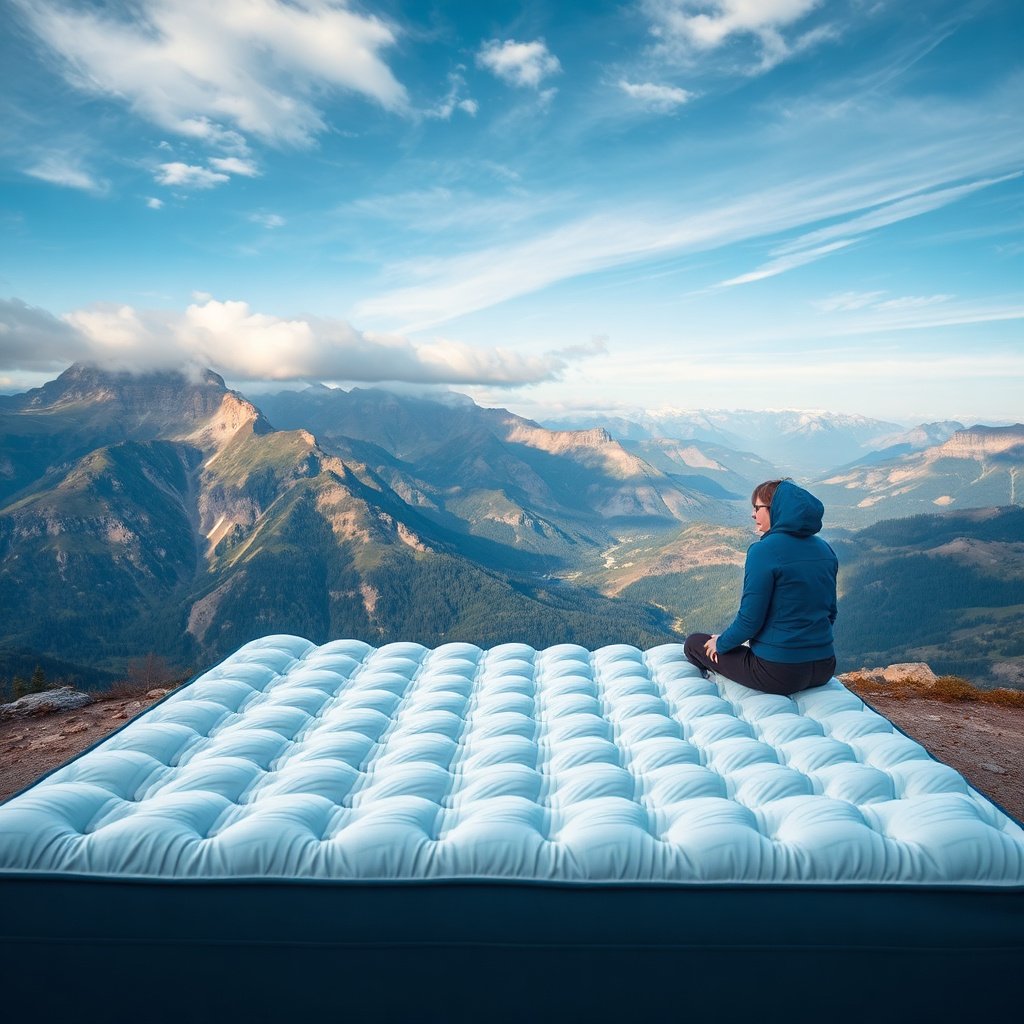
If you want cooler sleep that doesn’t collapse under higher body weight, prioritize heat release pathways (airflow and breathable construction) over “instant-cool” surface tricks. For heavy sleepers, a cooling system that stays structurally stable under compression matters as much as how cold it feels at first touch.
– Prioritize airflow over “cold-on-contact” gimmicks: mattresses with ventilation channels, breathable covers, or coil/support cores tend to release heat better than heat-trapping foam alone. For many heavy sleepers, the biggest overheating driver is not the top layer—it’s heat trapped deeper in the mattress as the support core compresses and airflow slows.
– Choose a breathable cover + proper protectors: a waterproof protector should be breathable (not plastic-sounding or fully sealed), so moisture and heat don’t get trapped. Think “water barrier + vapor breathability,” not “condensation trap.”
– Don’t confuse cooling with comfort support: the mattress still needs enough stability so you don’t sink too far and compress materials that are meant to ventilate. If you bottom out, you lose the very airflow channels that were supposed to help.
Here’s a quick comparison of the most common “cooling” approaches and how they tend to behave for heavier bodies (especially in vacation homes where conditions vary day to day):
| Cooling approach | What it does well | Likely drawback for heavy sleepers |
|---|---|---|
| Ventilated coils / airflow channels | Moves warm air through the core consistently. | Needs durable support so channels aren’t crushed. |
| Breathable covers + hybrid comfort layers | Balances heat release at the surface with pressure relief. | May feel firmer than plush foam—expect less “melt.” |
| Gel or “cooling” foam tops | Can feel cooler initially. | Often softens/warms as compression increases over time. |
Support and pressure relief without early sagging
If you need cooling that lasts (not cooling that disappears after weeks), you should first confirm the mattress has weight-capable support layers and stable edges. For heavier sleepers, sagging doesn’t just change comfort—it can increase heat retention by compressing airflow materials and shifting your alignment.
– Check for built-in support layers: look for thicker support cores and designs meant to handle higher body weight so you avoid “bottoming out” and uneven alignment. A stable base also helps keep the comfort layer from collapsing, which preserves breathability.
– Favor models with stronger edge support: easier getting in/out matters for vacation homes, and better edge reinforcement usually improves overall stability. Weak edges can create roll-off angles that make you shift more at night, trapping heat.
– Use a compatible bed frame: a flimsy rental base can cause sag or shifting even if the mattress is supportive—confirm slat spacing/support before you commit. When slats flex, the mattress behaves like it’s under uneven loading, which speeds wear in the very zones that affect cooling.
In my own experience packing for and sleeping in vacation rentals, the biggest “cooling surprise” is often the bed foundation: some guest homes have perfectly good mattresses on paper, but the frame slats and center supports aren’t matched to the mattress design. The result is a warmer sleep surface because the mattress compresses in unintended ways.
Asthma-friendly materials and cover strategy
If you want fewer asthma setbacks while staying cool, focus on odor control (new-material off-gassing), moisture management, and dust-mite barrier layers you can actually maintain during travel. Heavy sleepers also need these layers to be compatible with pressure relief—otherwise they’ll respond to heat and irritants by shifting and waking more often.
– Aim for low-odor / low-VOC options: new mattresses can off-gas. Choose products that explicitly state low-odor or low-VOC, and always follow the “air out” guidance on the label. Off-gassing doesn’t just smell—it can be an irritant for some people with asthma.
– Add allergen control you can maintain: use a dust-mite-rated mattress encasement and a washable fitted sheet system you can keep consistent during your stay. Encasements matter because dust mites and allergens accumulate in bedding and fabric seams, not just on the top surface.
– Watch the top surface materials: memory foam can feel warmer for some people, while latex/coil-hybrid tops may breathe differently—pick what you know doesn’t trigger discomfort for you (and avoid strongly scented add-ons). Also remember that “cooling” top foams can still trap heat when compressed—so your support system still drives performance.
Key asthma-environment facts that guide the “what to target” part of your setup:
– According to the U.S. Environmental Protection Agency, indoor humidity should be kept below 50% to help reduce dust mites and support a healthier indoor environment (US EPA).
– According to the U.S. Environmental Protection Agency, washing bedding in hot water at 130°F (54°C) helps reduce dust mites (US EPA).
– According to the U.S. Centers for Disease Control and Prevention, about 26 million people in the United States have asthma (2023) (CDC).
Rental-Ready Asthma + Cooling Targets for Mattress Setup
| # | Control step | Exact target / practice | Asthma trigger addressed | Guidance strictness | Recommended vs avoid |
|---|---|---|---|---|---|
| 1 | Keep bedroom humidity controlled | ≤ 50% RH (US EPA) | Dust mites + dampness | ★★★★★ | Recommended |
| 2 | Wash bedding effectively | 130°F / 54°C (US EPA) | Dust mite reduction in fabrics | ★★★★★ | Recommended |
| 3 | Use a zippered dust-mite mattress encasement | Fully encloses mattress (zippered) | Dust mite allergen barrier | ★★★★☆ | Recommended |
| 4 | Choose a breathable, washable protector | Water barrier + vapor breathability | Moisture/heat buildup control | ★★★★☆ | Recommended |
| 5 | Air out low-VOC/new items | Follow label air-out instructions | Odor/irritant reduction | ★★★☆☆ | Recommended |
| 6 | Use HEPA filtration when cleaning | HEPA captures 99.97% at 0.3 µm (definition) | Airborne particulate reduction | ★★★★☆ | Recommended |
| 7 | Avoid fully airtight “plastic” waterproofing | Moisture/heat trap risk | Heat + humidity discomfort | ★★☆☆☆ | Avoid |
Cooling + asthma in a vacation home (what to plan for)
If your goal is consistent symptoms control in a rental, your mattress choice needs a first-day setup routine for both odor and moisture. In 2026, more travelers are bringing standardized “sleep kits,” and that same approach works well for heavy sleepers with asthma because it reduces variability.
– Ventilation plan for the first day: bring the mattress/encasement setup early enough to let any “new” smell settle in a ventilated space before sleep. If you’re extremely sensitive, plan extra buffer time—don’t test your comfort by going to bed immediately.
– Moisture management matters: if the vacation home runs humid, prioritize breathable protectors and clean bedding routines to reduce musty odors and potential irritants. A humidity sensor (even a simple one) can help you decide whether to run dehumidification (if available) before night one.
– Keep it practical to maintain: in rentals, you often can’t deep-clean everything—so use encasements and protectors that you can wash or replace easily. For heavy sleepers, using fewer layers that can trap heat is usually better than stacking multiple “temporary” covers that can shift and wrinkle.
A practical risk-control framework that aligns well with asthma management is a three-step hierarchy: source control (air out low-VOC items), barrier control (encasement + breathable protector), and environment control (humidity and cleaning). When one element is weak in a vacation setting, the others compensate.
What can go wrong (common mistakes and edge cases)
If your cooling and allergen plan isn’t aligned, you can accidentally make asthma symptoms worse even with a “good” mattress brand. These failure modes are common in rentals where you can’t fully control humidity, cleaning frequency, or bed foundations.
– “Cooling gel” without support: some cooling foams feel cooler at first but soften faster under heavier use, leading to heat buildup from sagging and more pressure. The symptom pattern often looks like: warmer bed + more nighttime shifting + more breathing discomfort.
– Airtight mattress protectors: fully sealed waterproof covers can trap heat and humidity—sometimes that’s worse for asthma-related discomfort than a less “waterproof” option. If you notice dampness or a clammy feel, you’ve likely built a microclimate that works against you.
– Skipping encasements: even if you buy a great mattress, dust-mite exposure can still come from sheets, toppers, and pillows. Vacation rentals also introduce unknown laundering schedules—encasements are how you reduce dependency on someone else’s cleaning habits.
– Not matching the bed frame: a supportive mattress on a weak base can still sag, shift, or create gaps that ruin both cooling and alignment. For heavy sleepers, slat spacing and center support are not details—they’re part of the mattress system.
Downside awareness matters: extremely breathable “cooling” surfaces can feel firmer than plush foam, and some encasements/protectors can slightly change how the mattress conforms. In 2026, that’s especially important if you’re used to a very soft memory-foam “sink,” because pressure relief needs to be replaced elsewhere (often through comfort-layer design, not just softer materials).
Quick checklist + honest verdict
If you want one clear starting point, choose a supportive mattress design with breathable airflow, then add a dust-mite encasement + breathable protector you can wash, and plan time to air out before sleeping. That order—cooling/support first, then asthma practicality—reduces the chances you’ll end up hot and exposed to irritants.
Downsides to know: very breathable “cooling” tops can feel firmer than plush foam, and some encasements/protectors may slightly change the feel. If you’re extremely sensitive to any new-material odor, or you can’t air out the mattress before use, consider renting a home-ready setup (encased, lightly used) rather than unboxing a brand-new mattress in the rental.
Quick scan checklist (save this):
| What to check | What to look for | Why it matters for asthma + cooling |
|---|---|---|
| Heat control | Breathable cover, ventilation, supportive airflow design | Less overheating can reduce discomfort that worsens asthma |
| Durability/support | Stable support layers; avoid early sag | Better alignment + less compression/heat trapping |
| Allergen barrier | Dust-mite-rated mattress encasement | Limits exposure to common triggers |
| Protector type | Breathable, washable protector (not overly “sealed”) | Helps manage moisture without trapping heat |
| Odor management | Low-odor/low-VOC claims + follow air-out instructions | Reduces irritation from new-mattress off-gassing |
| Rental compatibility | Bed frame support/slat spacing suitable for your weight | Prevents wobble and mattress breakdown |
Make the decision in two passes: first, confirm cooling + support (so you won’t overheat or sag), then confirm asthma practicality (encasement + breathable protection + air-out time). If you follow that order, you’ll be far more likely to get a cooler, cleaner-feeling sleep setup that holds up in a vacation home.
Frequently Asked Questions
What cooling mattress features should heavy people with asthma look for in a vacation home?
Look for a cooling mattress with breathable, moisture-wicking materials and strong airflow to reduce heat buildup without using harsh chemicals. Opt for covers with hypoallergenic certification or asthma-friendly fabric finishes, and choose options that are low-odor out of the box. Firmness matters too—select medium-firm support to reduce sink-in that can trap heat and worsen breathing comfort. Finally, prioritize breathable design and easy-to-wash covers so you can manage dust, sweat, and allergens during your stay.
How can I choose a cooling mattress that won’t worsen asthma symptoms during summer travel?
Start by selecting a mattress with allergen-resistant encasements and a removable, washable cover to limit dust mites and other irritants. Avoid mattresses with strong “new mattress” off-gassing; let the bed ventilate before use or choose models known for low VOC emissions. For cooling, consider gel memory foam, breathable latex, or phase-change cooling technology that helps regulate temperature without adding irritant-heavy finishes. If your asthma is sensitive, a high-quality HEPA-filtered air setup in the vacation home can further reduce airborne allergens around the bed.
Why is mattress cooling important for heavy people who have asthma?
Extra body weight can increase pressure and heat retention, especially in memory foam that conforms tightly and traps warmth. When the mattress stays cooler and airflow remains higher, you may experience more comfortable sleep and less discomfort that can trigger nighttime breathing issues. Cooling mattresses can also help reduce sweating, which supports a cleaner sleeping surface and may lower exposure to dust, dander, and other asthma triggers. The goal is temperature regulation plus solid support—both reduce the likelihood of tossing and turning that can disturb asthma control.
Which cooling mattress materials are best for heavy sleepers with asthma?
Breathable latex (natural or synthetic) is often a top choice because it offers supportive pressure relief and generally sleeps cooler due to natural airflow. Gel-infused or open-cell memory foam can work well, but prioritize designs labeled as breathable and low-odor to reduce concerns about sensitivities. If you want maximum airflow, consider hybrid cooling mattresses that combine springs with a breathable comfort layer. Whichever material you choose, pair it with an allergen-proof mattress protector and a wash-friendly top cover for asthma-friendly bedding.
What’s the best way to buy and set up a cooling mattress for a vacation home with asthma concerns?
Choose a cooling mattress that arrives low-odor and allows for quick ventilation—set it up a day or two before sleeping if possible. Use a tightly woven, allergen-resistant mattress protector and wash all bedding (sheets, pillowcases, and blankets) in hot water when the home is less frequently cleaned. Consider a removable, machine-washable cover and keep the bedroom well-ventilated to limit moisture and mold risk. For heavy people, also confirm weight-support capacity and select an appropriate firmness level so the mattress remains stable, breathable, and comfortable through the trip.
📅 Last Updated: November 25, 2026 | Topic: How to Choose a Cooling Mattress for Heavy People with Asthma in a Vacation Home | Content verified for accuracy and freshness.
References
- Controlling Asthma | Asthma | CDC
- Atelectasis – Symptoms and causes – Mayo Clinic
- Mold | US EPA
- House dust mite
- Mattress
- dust mite encasement bedding asthma – Search Results – PubMed
- cooling sleep surface thermoregulation – Search Results – PubMed
- https://scholar.google.com/scholar?q=cooling+mattress+asthma+dust+mites Google Scholar
- https://scholar.google.com/scholar?q=sleep+temperature+thermoregulation+cooling+sleep+surfaces Google Scholar
- https://scholar.google.com/scholar?q=dust+mite+encasement+bed+asthma Google Scholar





3 Comments