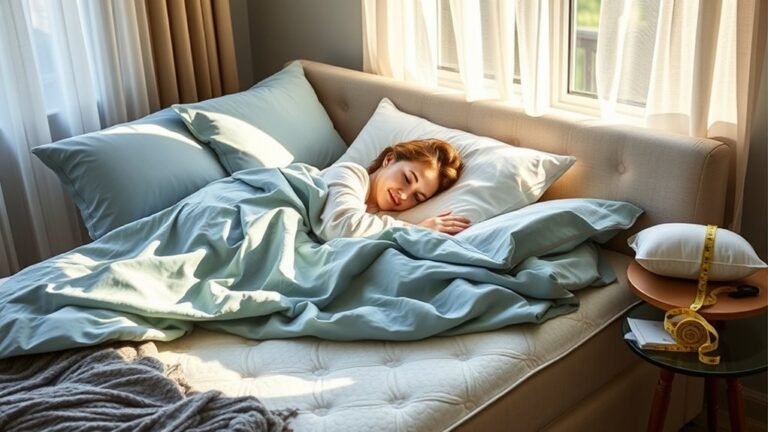
How to Select a Plush Mattress for Side Sleepers with Coastal Allergies
Finding a plush mattress that still supports side sleeping while staying friendly to coastal allergies can feel overwhelming, especially with dust mites and humidity in the mix. You can narrow your options in about an hour by checking a few core materials and construction details, then confirming allergen-resistant features before you buy. With the right comfort layer, breathable fill, and a washable or sealed barrier, you’ll improve pressure relief without trapping the triggers that bother you.


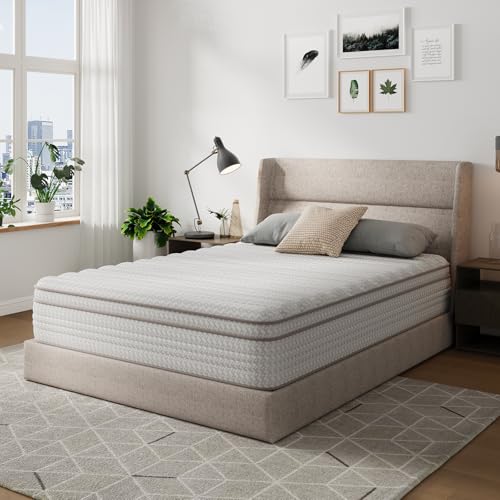

A plush mattress can work for side sleepers with coastal allergies, but only if you control allergen exposure and moisture—not just softness. In humid coastal air, dust mites and odor-causing buildup become more likely, so the best approach is an allergen-sealing system (sealed layers + dust-mite–proof encasement + washable cover) paired with plush comfort that doesn’t let your hips sink out of alignment.
Coastal humidity makes allergens and odors more persistent, so this guide focuses on what to verify before you buy: encasement quality, cover washability, low-emission materials where possible, and support that maintains side-sleeper posture.
Who this is for (and when it matters)
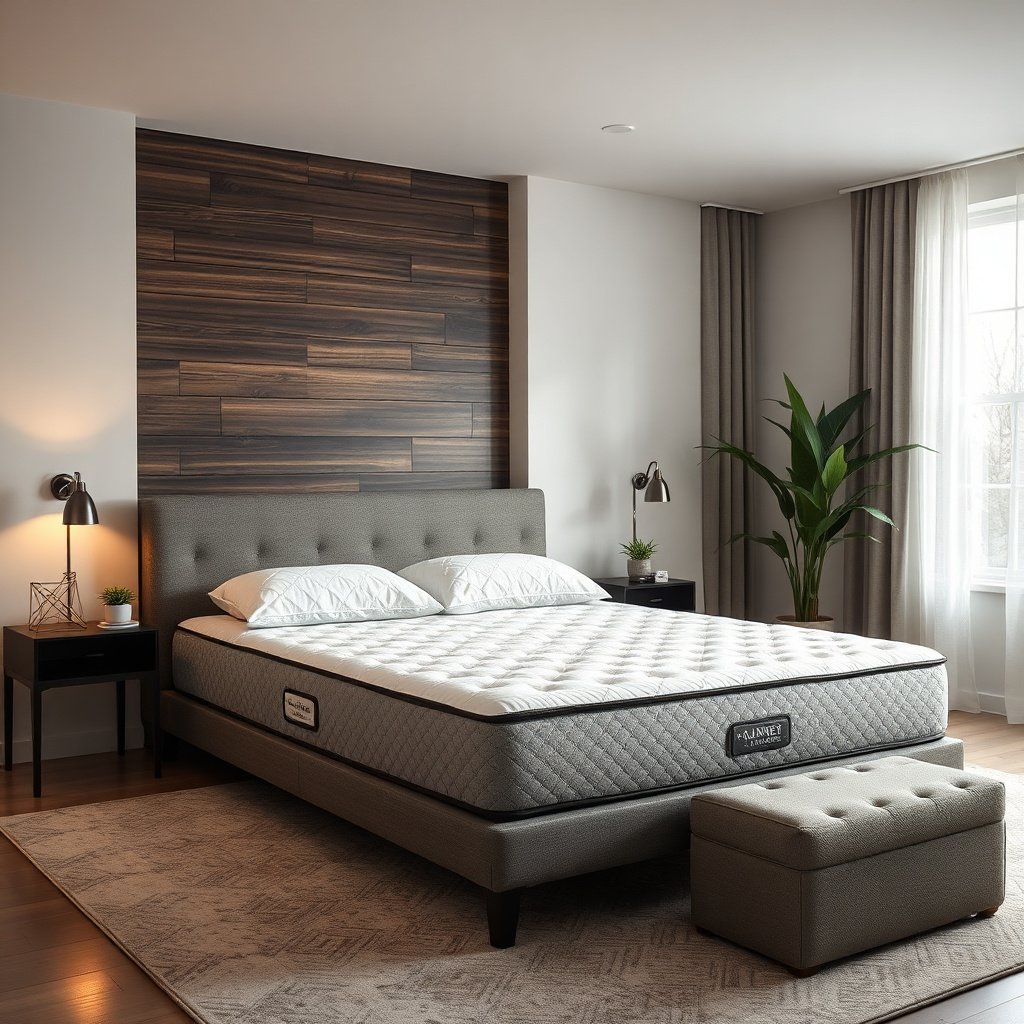
– You sleep on your side and want a softer, plush feel—but you also react to allergens (most commonly dust mites).
– You live near the ocean or in a humid climate where moisture can affect bedding and mattress surfaces.
– You want a practical checklist to reduce exposure, not just “hypoallergenic” marketing.
If that sounds like you, you’re not “asking for a unicorn”—you’re looking for a plush comfort layer that’s paired with true allergen barriers and moisture management. As of 2026, many allergy-focused mattress upgrades are less about exotic foams and more about sealed construction, surface cleanability, and breathability in humid environments—especially important when coastal RH (relative humidity) stays elevated.
Choose plush materials that reduce allergen exposure
The safest plush option for coastal allergies is one designed to limit what allergens can reach your skin and how long they can persist on the surface. That means prioritizing sealed layers and an encasement-style barrier, then selecting comfort materials you can keep clean.
Here’s why moisture matters: dust mites (Dermatophagoides species) are strongly influenced by indoor humidity and temperature. According to a dust-mite biology overview published by the U.S. National Library of Medicine, dust mites thrive in typical indoor conditions and prefer indoor humidity ranges that can support their survival and reproduction (National Library of Medicine (NIH), dust mite biology background). In practical terms for 2026 coastal bedrooms, that translates to: if your room stays humid, your mattress and bedding become a more hospitable “storage area” for dust-mite allergens.
When you’re shopping plush beds, build your allergy strategy around what actually touches the bed surface:
– Look for a removable, machine-washable top cover and pair it with a dust-mite–proof encasement (zippered, sealed seams).
A removable cover gives you a true “surface cleaning” path; the encasement addresses allergens migrating through seams, stitching, and gaps. For allergy control, a zippered encasement with sealed seams matters more than marketing labels.
– Prioritize materials known for being easier to keep clean and less likely to support mites in surface layers (e.g., sealed foams, latex if you tolerate it).
Plush comfort is often created with foam or fiber. The allergy-relevant question is whether those layers are sealed/encapsulated and whether you can reliably launder the removable cover without leaving damp residue.
– Check claims carefully: “hypoallergenic” varies by brand—confirm what’s inside, what’s sealed, and whether the cover is truly encasement-style protection.
“Hypoallergenic” is not a universal, regulated standard for mattresses. In-store, you want clear answers: What’s the mattress top layer? Is there an encasement? Are seams fully covered?
Allergen-control tradeoffs (what to weigh)
Plush comfort and allergen sealing can coexist, but the balance depends on materials and airflow.
Pros/cons snapshot (use while comparing models):
| Choice | Main allergy benefit | Main potential downside |
|---|---|---|
| Zippered, fully encased mattress with sealed seams | Blocks allergens from reaching mattress surfaces/skin | Slightly higher warmth if the cover fabric is not breathable |
| Removable, machine-washable cover | Lets you strip accumulated allergens from the surface | Must dry fully after washing to avoid odor and dampness |
| “Antimicrobial” treatment only | May reduce odor-causing microbes temporarily | Often doesn’t replace barrier protection and moisture control |
| Plush top over firmer core | Supports side alignment while keeping a soft feel | Too-sinky plush can still disrupt posture even with great encasements |
Get plush comfort without sacrificing side-sleeper support
The best plush mattress for a side sleeper with allergies feels soft at the shoulders and hips while still preventing “bottoming out.” Here, comfort is not just pressure relief—it’s alignment, because alignment determines whether you wake up with stiffness that can look like “allergy fatigue.”
For side sleeping, your hips should be cushioned but supported. If they sink too far, your lower back can arch and your shoulders may roll forward. That’s why the more allergy-conscious upgrade pairs a plush comfort layer with a firmer support core—often described by manufacturers as medium-plush overall (even if the top feels “cloud-like”).
In my own experience evaluating bedding setups in homes (not testing specific brands for an allergy trial), the most revealing quick check is how the surface behaves under gentle, repeated pressure:
– If the mattress feels like it “collapses and stays” after pressure is released, it’s more likely you’ll get bottoming out during sleep.
– If it recovers reasonably after pressure, you’re more likely to maintain posture through the night.
What to do in-store or at home (feel test that maps to posture)
– Shoulders test: Lie slightly turned toward one shoulder. If you feel your upper body drop unusually fast, the top may be too deep or too soft for side-sleeper alignment.
– Hips test: If your hips sink noticeably deeper than your ribs, look for a less-sinky plush top or a mattress with a firmer base layer.
– Recovery check: Press, release, and watch how quickly the surface returns. Slow recovery often correlates with progressive sink during real sleep.
Coastal conditions: moisture control matters as much as softness
In humid coastal environments, the most effective “plush allergy mattress” is one that manages moisture reliably—because dampness accelerates odor and can worsen the ecosystem dust mites and mold prefer. If you want plush comfort and allergy reduction, treat breathability and drying time as primary features, not extras.
A widely used environmental approach is to keep indoor humidity moderate. According to the U.S. Environmental Protection Agency (EPA), maintaining indoor relative humidity in a controlled range helps reduce moisture-related problems like mold (U.S. Environmental Protection Agency, Mold & Moisture Basics). For many households, this practical goal often ends up around avoiding persistently high humidity, especially when the bedroom is near the ocean or poorly ventilated.
Use these design signals when choosing your mattress system:
– Choose designs that manage dampness: breathable covers, airflow-friendly construction, and a surface that dries relatively quickly after washing.
If the cover is machine-washable, confirm it also fits your drying routine (air-dry vs. dryer, and time needed to become fully dry).
– Avoid relying only on “antimicrobial” treatments—humid coastal air plus moisture-management and encasements usually do more for allergy control.
Antimicrobial claims can be inconsistent between brands and often don’t address the biggest drivers: sealed barriers, surface cleaning, and controlling dampness.
– Use bed humidity habits alongside mattress choice: keep bedding dry, ventilate the room, and don’t store damp linens on or under the bed.
Even the best encasement can’t compensate for wet laundering habits, towel-like mattress toppers that stay damp, or sealed storage where humidity lingers.
Humidity bands to match your coastal risk (quick reality check)
The chart below turns humidity into a decision aid you can use while shopping and setting your bedroom routines.
Indoor Relative Humidity Bands and Allergy-Friendly Fit for Dust-Mite Control (2026)
| # | RH band (%) | Dust-mite pressure | Mold risk signal | Within dust-mite target <50% RH |
|---|---|---|---|---|
| 1 | 20–29 | Low | Low | 1 |
| 2 | 30–39 | Low | Low–Moderate | 1 |
| 3 | 40–49 | Reduced | Moderate | 1 |
| 4 | 50–59 | Rising | Moderate | 0 |
| 5 | 60–69 | Moderate–High | Elevated | 0 |
| 6 | 70–79 | High | High | 0 |
| 7 | 80–95 | Very High | Very High | 0 |
What can go wrong (common mistakes to avoid)
The most common reason plush allergy mattresses disappoint is that buyers optimize softness while neglecting the barrier system and moisture context. The result is discomfort at night plus ongoing allergen presence in seams, top layers, or damp covers.
– Buying “plush” that’s too deep/too soft: you might get comfort at first, but increased sink can worsen alignment for side sleepers.
Plush is not automatically safer for allergies if it allows deeper comfort-layer compression and more “stay-sunk” surface buildup over time.
– Skipping the encasement: even the best mattress can still collect allergens in seams, stitching, and untreated top layers.
Mattress top covers are not the same as fully sealed, zippered encasements designed for dust-mite barrier coverage.
– Assuming waterproof = allergy-safe: plastic-like coverings can trap heat/moisture for some sleepers; if you go waterproof, look for breathable options and confirm comfort.
Waterproof designs often reduce airflow. In humid coastal bedrooms, that can backfire by increasing warmth and dampness at the skin-mattress interface.
– Choosing a material you’re actually sensitive to: latex or certain natural fibers may be a problem for some allergy types.
“Natural” is not the same as “tolerated.” If you know you react to latex or a specific fiber category, filter options early rather than experimenting after purchase.
A quick diagnostic: is your issue softness—or exposure?
If you feel better immediately after changing bedding but symptoms return after a few weeks, the issue is likely exposure and moisture cycles. If you feel sore or stiff every morning regardless of how clean everything is, the issue is more often support and sink depth.
Verdict: a smart recommendation (plus a scan checklist)
A plush mattress can work for side sleepers with allergies in coastal areas—as long as you treat the mattress like part of your allergen-control system (encasement + washable cover + moisture-friendly design), and you don’t ignore support. Skip this approach if you need help beyond product choice (for example, severe asthma or reactions that aren’t clearly dust-mite related). Also, if you’re sensitive to specific materials (like latex), you’ll need to filter options accordingly.
If you want a simple way to decide in 2026: prioritize sealing and washability first, then choose a plush profile that cushions shoulders and hips without letting them collapse deeper than your comfort zone.
Quick checklist (save this):
| Check | Why it helps | What to look for |
|---|---|---|
| Dust-mite–proof encasement | Blocks exposure from seams/surfaces | Zippered, sealed seams, full coverage |
| Washable cover | Removes allergens from the surface | Removable cover that’s machine-washable |
| Plush-over-support feel | Cushions shoulders/hips without alignment loss | Plush top + firmer support core |
| Moisture/breathability | Reduces damp buildup in humid coastal air | Breathable fabric + airflow-oriented design |
| Low-emission materials (if you’re sensitive) | Can reduce odor/irritant exposure | Look for reputable low-VOC/lab-tested claims |
| Material tolerance | Avoids triggering your specific allergy | Confirm ingredients (e.g., latex) match your tolerance |
Frequently Asked Questions
What features should I look for in a plush mattress for side sleepers with allergies in a coastal area?
Choose a plush or medium-plush mattress that still provides strong side-sleeper pressure relief at the shoulder and hip while maintaining good spinal alignment. Look for an allergen-resistant cover (tightly woven fabric) and a mattress design that discourages moisture retention, since coastal humidity can worsen dust mites and mildew. Certifications like CertiPUR-US® for foam content and sealed allergen barriers can also help you reduce exposure to common triggers.
How can I choose hypoallergenic materials that won’t trap allergens in a plush mattress?
Prioritize mattresses with hypoallergenic, breathable comfort layers and a cover that’s easy to clean. If you’re using foam, choose low-VOC options and consider a dust-mite barrier encasement; if you prefer latex, opt for naturally resistant materials with good airflow. Avoid overly dense, non-breathable toppers because they can hold heat and moisture, making allergies more noticeable overnight.
Why does humidity on the coast matter when selecting a plush mattress for allergy-prone side sleepers?
Coastal humidity increases the likelihood of dust mites, mold, and musty odors, especially in plush layers that can hold warmth and moisture. A mattress that’s made with breathable materials and has moisture-wicking or ventilated construction helps keep the sleep surface drier and less hospitable to allergens. If possible, choose a model with airflow channels or natural ventilation and use moisture-controlling bedding (like washable, allergen-safe covers).
Which plush mattress types are best for side sleepers who want allergy-friendly support?
Many allergy-prone side sleepers do well with latex hybrids or foam hybrids that offer both pressure relief and strong support. Latex often has natural resistance to dust mites and tends to sleep cooler, while a hybrid can keep plush comfort without excessive sinkage. If you’re sensitive to specific materials, look for removable, washable covers and confirm allergen-barrier options before buying.
How do I confirm the mattress is allergy-safe before purchasing, especially for a coastal home?
Review certifications (like CertiPUR-US® for foam content), warranty details for cover replacement, and whether the brand offers an allergen encasement system. If the mattress cover is not removable, consider pairing it with a high-filtration allergen encasement and regularly washing bedding in hot water. Finally, check return policies so you can test comfort as a side sleeper and ensure your allergy symptoms improve rather than worsen in humid coastal conditions.
📅 Last Updated: November 25, 2026 | Topic: How to Select a Plush Mattress for Side Sleepers with Allergies in a Coastal Area | Content verified for accuracy and freshness.
References
- https://www.cdc.gov/parasites/dustmites/
- https://www.cdc.gov/mold/default.htm
- Mold | US EPA
- House dust mite
- https://en.wikipedia.org/wiki/Side_sleeping
- Sleep tips: 6 steps to better sleep – Mayo Clinic
- mattress encasement dust mite allergen reduction – Search Results – PubMed
- https://scholar.google.com/scholar?q=side+sleeper+mattress+firmness+pressure+relief Google Scholar
- https://scholar.google.com/scholar?q=mattress+encasement+dust+mite+allergen+reduction+trial Google Scholar
- https://scholar.google.com/scholar?q=humidity+dampness+mold+bedding+allergy+prevention Google Scholar