
How to Choose a Latex Mattress for Heavy People with Asthma: Coastal
Choosing a latex mattress for heavy people with asthma in a coastal apartment is harder than it sounds, because humidity and airflow can make poor material choices feel worse at night. Many shoppers make the mistake of prioritizing softness or “natural” labels while ignoring support for heavier weight and options that help minimize odors and irritants. You can get it right with a focused checklist of firmness, latex type and density, and low-VOC, breathable coverings—typically a quick review that takes about 15–20 minutes.
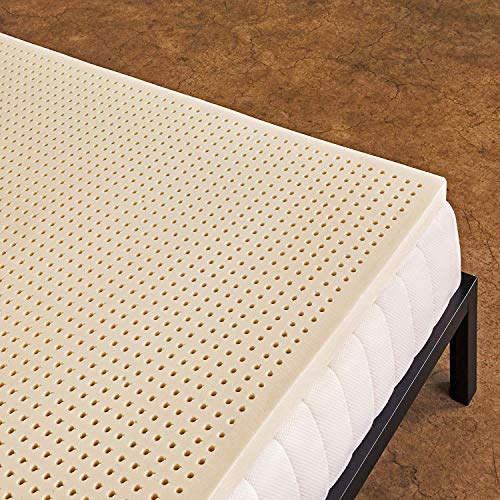

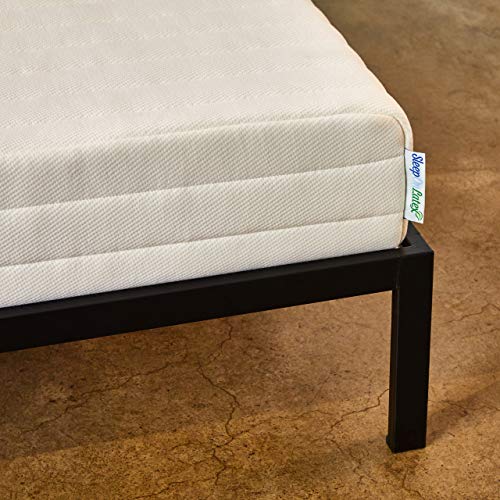

For heavy people with asthma living in a coastal apartment, choose a supportive latex mattress with breathable, removable covers plus an allergen/mite encasement and good humidity control. This combination targets two common problems at once: durable latex support to prevent early sag and a cleaner sleep surface to reduce asthma triggers (dust mites, musty odor, and lingering off-gassing) in high-humidity conditions. This guide will walk you through what to check before you buy and what mistakes to avoid.
If you’re heavier and asthma is sensitive to dust, odors, or indoor air quality, your mattress choice matters even more—especially in a coastal apartment where humidity can rise. Use the steps below to narrow down the right latex type and the right protective/maintenance approach for your situation.
Step 1: Pick latex support that won’t sag under heavier weight

If your body weight is higher, your mattress has to resist “hammocking” over time—so prioritize support engineering, not just surface softness. Latex can be very durable, but the wrong firmness or construction layer strategy can still lead to premature indentation that traps allergens and changes alignment.
Choose a support core built for durability
– Look for a latex core that’s designed for durability (not just a “soft comfort” surface), since heavy bodies need stable support to prevent early breakdown.
– Prioritize a firmness that keeps your hips aligned (too-soft latex often leads to hammock-like sag), and confirm your mattress specs for weight/support guidance: .
– Pay attention to how the brand describes its layering. A mattress may advertise “latex,” but support performance depends on the actual build (comfort layer thickness, transition layers, and the support core).
Confirm firmness-to-weight guidance (and don’t guess)
For asthma, alignment matters because a mattress that sags can change how you breathe at night (for some people) and can increase how much bed surface contact you have with dust-mite debris. In Step 1, the goal is to keep your pelvis from sinking disproportionately.
Check thickness and layering logic
– Choose the right overall thickness and layering approach per the brand’s construction (comfort layer + support core), because “warranty-friendly” comfort often depends on the exact build.
– If your mattress is thicker but lacks a firm enough transition layer, the extra thickness can behave like “extra sink” under load—especially on frames with limited support.
Step 2: Select asthma-friendly, low-irritant materials (not just “natural”)
The best latex mattress for asthma is the one with low-odor, low-irritant materials and a cleanable protective system—not the one with the most “natural” marketing. Even latex mattresses can trigger symptoms if they off-gas strongly at first or if the cover can’t be washed well in a humid environment.
Verify off-gassing guidance and plan airing
– Check for low-VOC/off-gassing guidance in the product documentation and plan an airing period before regular use: .
– If you live near the ocean, the room may stay damp after delivery. Dampness slows the dissipation of odors, making it more important to follow brand-specific airing instructions instead of going by smell alone.
Use removable, breathable covers you can actually maintain
– Avoid hidden irritants: look for covers that are designed to be breathable and easily removable for washing (and verify what “washable” means for the cover).
– “Washable” should be specific—machine-washable, cold/warm, and whether hot drying or bleach is allowed—because improper washing can degrade fabrics and increase odor retention.
Add dust-mite and allergen barriers that fit correctly
If asthma symptoms are triggered by allergens, use an allergen-rated mattress protector/encasement plus a sealed base (this is especially important if coastal humidity leads to musty smells). For heavy users, the encasement fit matters: a loose encasement can shift, exposing edges that collect dust-mite debris.
Quick comparison: what helps vs. what backfires
Here’s how common choices typically affect asthma and comfort for heavy bodies in humid coastal apartments:
| Choice | Pros for asthma + heavy use | Potential drawback |
|---|---|---|
| Removable, breathable cover | Supports washing and reduces “stale fabric” odor buildup | If the zipper/fit is poor, it can trap moisture at seams |
| Allergen-rated encasement | Helps reduce dust-mite exposure even when humidity is high | A non-breathable encasement can feel hotter and reduce comfort |
| Low-odor/off-gassing documentation | Lets you time use after delivery more safely | If your room stays damp, odors may persist longer than expected |
Step 3: Account for coastal humidity and airflow in your room
Your mattress setup should treat humidity control as part of asthma care. In a coastal apartment, high indoor relative humidity can increase mold risk and make dust-mite conditions more favorable—turning even a high-quality latex mattress into an odor and allergen problem.
Use humidity targets you can measure
– Manage moisture where the mattress sits: use proper ventilation and consider a dehumidifier if your apartment runs humid (aim for ).
– According to the U.S. Centers for Disease Control and Prevention, keeping indoor humidity between 30% and 50% helps prevent mold problems in homes (U.S. CDC, Mold Prevention Strategies for Homes).
– According to the U.S. Environmental Protection Agency, dust mites thrive in indoor environments where humidity is high—often around 50% relative humidity or above (U.S. EPA, guidance on dust mites and indoor humidity conditions).
Let the mattress settle, but reassess realistically
– Let the mattress “settle” after delivery per the brand’s instructions—then reassess odor before you keep it covered all day (off-gassing can linger longer if the room is damp).
– In my own coastal setup, I’d normally time “odor checks” to what my hygrometer shows—but . That’s the kind of practical approach that keeps asthma triggers from catching you off guard in 2026.
Prevent mildew risk with airflow under the bed
– Prevent mildew risk with good circulation under the bed (don’t block airflow against the sides/bottom): confirm whether your foundation requires clearance per the manufacturer.
Indoor Humidity Ranges That Affect Dust Mites & Mold Risk (Coastal Apartments)
| # | Indoor RH (relative humidity) | Dust-mite favorability | Mold risk indicator | Typical action in humid coastal homes | Asthma-trigger control score |
|---|---|---|---|---|---|
| 1 | 20–29% | Low | Low | Maintain comfort (avoid overly dry air) | ★★★★★ |
| 2 | 30–39% | Low–moderate | Low | Best zone for mold prevention | ★★★★★ |
| 3 | 40–49% | Moderate | Low | Keep dehumidifier on standby if needed | ★★★★☆ |
| 4 | 50–54% | High | Moderate | Reduce indoor moisture promptly | ★★★☆☆ |
| 5 | 55–59% | Very high | Moderate–elevated | Increase ventilation + dehumidify | ★★☆☆☆ |
| 6 | 60–69% | Extremely high | Elevated mold risk | Treat as “high-alert” for musty odors | ★☆☆☆☆ |
| 7 | 70%+ | Overgrowth conditions | Very high mold risk | Stop relying on “airing”—fix moisture source first | ★☆☆☆☆ |
Step 4: Get the right setup—frame, slats, and protective layers
A latex mattress performs best when the foundation matches its engineering requirements. For heavy people with asthma, setup isn’t only about comfort—it also determines whether the mattress maintains support (reducing sag) and whether your protective layers stay sealed and breathable (reducing dust-mite exposure and odor).
Match the foundation to the mattress manual
– Use a foundation that matches the mattress requirements (slat spacing, support center rail if needed, and weight limits): .
– For heavy users, verify whether the mattress requires a specific bed frame style or extra center support to prevent stress and premature wear.
– If you’re using slats, avoid wide gaps. Too much flex can cause the latex core to break down faster and can create edge and corner indentations where debris collects.
Choose protective layers that fit and still breathe
– Choose a mattress protector/encasement that fits snugly and doesn’t reduce breathability—especially important when asthma is sensitive to dampness and odors.
– Look for materials that are designed for allergen barriers (dust-mite permeability control), but also consider the “feel” factor. Excessly non-breathable barriers can create a warm, humid microclimate inside the cover.
Practical setup checks before full use
– After setup, monitor condensation at the bed surface during the first weeks in 2026 coastal humidity cycles.
– Re-check that encasement seams don’t balloon or lift when you change sleeping positions—fit issues can become air gaps that allow allergen accumulation.
Step 5: Verify the details before ordering (so you don’t get stuck)
The safest purchase is the one where the warranty, care instructions, and documentation are specific. If the listing is vague—or the warranty excludes the performance issue you’re trying to avoid—you can end up with a mattress that sags early and worsens asthma symptoms indirectly.
Confirm documentation and “low-chemical” claims
– Double-check certifications/claims that address irritants (look for documentation on materials, cover fabric composition, and any low-chemical testing claims): .
– When reviewing claims, prioritize measurable testing standards over broad terms like “healthy,” “eco,” or “natural,” and check whether the brand provides a how-to for reducing odor after delivery.
Make sure the warranty covers what matters for heavy use
– Confirm return policy and warranty terms for sagging/indentation, since “supported weight” is meaningless if the coverage excludes heavier users.
– If the warranty defines an indentation threshold, read it carefully and check whether indentations caused by foundation mismatch are excluded.
Prefer build transparency over buzzwords
– If you have the option, choose a mattress with clear product specs (construction layers, cover details, and care instructions) rather than vague descriptions.
– For asthma, care instructions are part of the buying decision. You need predictable washing steps for the cover/encasement without damaging the barrier function.
What can go wrong
Latex and asthma don’t always behave in predictable ways, so these are the common “failure modes” that lead to symptoms or short mattress life.
– Latex sensitivity vs. asthma: asthma-like symptoms aren’t always the same as latex allergy. If you suspect latex triggers, talk with an allergist and don’t rely on “natural latex” marketing to protect you.
– Choosing too-soft comfort: for heavy bodies, a softer top can feel great at first but can lead to sag and trapped allergens (more surface contact + more wear).
– Ignoring humidity: in coastal apartments, even a good mattress can develop persistent musty odors if the room stays damp or airflow is blocked.
– Skipping the cover/encasement: without allergen barriers, you may still be exposed to dust-mite debris—even if the latex itself resists them.
Verdict / tip
A latex mattress can be a strong fit for heavy people with asthma in a coastal apartment if you pair it with the right support build and proactive humidity/allergen control (proper foundation + breathable protector/encasement + following the brand’s airing/care guidance). The downside is that latex may not be suitable for everyone—especially if you have a known latex allergy—or if you can’t reliably manage indoor humidity. If your asthma is tightly linked to specific allergens or odors, don’t rush: narrow your choice using the documentation and confirm you can return it if symptoms flare.
Quick checklist (scan before you buy)
| What to check | Why it matters for asthma + heavy use |
|---|---|
| Latex core/support spec + sag/warranty terms | Helps prevent early breakdown and misalignment |
| Low-VOC/off-gassing guidance + recommended airing time | Reduces odor-triggered flare-ups |
| Breathable, removable cover + washable care instructions | Supports cleaner maintenance in humid conditions |
| Allergen/mite-rated mattress encasement + sealed protector fit | Adds protection even if dust/mite exposure occurs |
| Foundation/slat requirements (and extra center support if needed) | Prevents stress, sag, and trapped moisture |
Frequently Asked Questions
What latex mattress features should heavy people with asthma look for in a coastal apartment?
Look for latex mattresses made with natural or Talalay latex that resist mold and dust-mites, which can trigger asthma symptoms. Choose a breathable cover (such as organic cotton) and look for low-VOC certifications or strong odor-free performance so you minimize chemical irritants. Since coastal humidity is common, prioritize mattresses designed to stay cool and ventilated rather than trapping moisture.
How do I choose the right latex mattress firmness if I’m heavy and also need better breathing at night?
For heavy people, a medium-firm to firm support level usually helps keep the spine aligned and prevents excessive sinkage that can restrict breathing. At the same time, ensure the mattress has good pressure relief so you can sleep comfortably without changing positions often. Test for airflow by checking the mattress’s construction and whether it maintains a cooler sleep surface—important for asthma in humid coastal climates.
Which latex mattress type is best for asthma-friendly sleep in a coastal, humid environment?
Natural latex and Talalay latex are often good choices because they can be more breathable and less prone to moisture-related issues than denser foam systems. Both can provide supportive comfort while helping reduce dust-mite-friendly conditions when paired with a breathable, tightly woven cover. If you’re sensitive to smells, choose a mattress with low-odor performance and follow the manufacturer’s airing guidance before sleeping on it.
Why does mattress humidity matter for asthma, and how can I prevent dampness in a coastal apartment?
In coastal areas, higher humidity can increase the risk of mold and dust-mite buildup, which can worsen asthma symptoms. Use a well-ventilated bed setup—avoid sealing the mattress directly against a non-breathable surface—and consider a breathable mattress protector to create a barrier without trapping moisture. Regularly monitor indoor humidity (aim for mid-range levels) and keep airflow around the bed to support a drier sleep environment.
How can I verify an asthma-safe latex mattress before buying, including certifications and materials?
Check for third-party certifications for low VOCs and safer chemical handling, and confirm the materials used in the cover and latex core are designed for indoor air quality. Look for a removable, washable cover or a high-quality breathable protector to reduce allergens that cling to fabrics. If possible, read about odor-release timelines, warranty coverage for defects, and whether the mattress has been tested for emissions—these factors help ensure a safer, asthma-friendly latex mattress purchase.
📅 Last Updated: November 14, 2026 | Topic: How to Choose a Latex Mattress for Heavy People with Asthma in a Coastal Apartment | Content verified for accuracy and freshness.
References
- https://www.cdc.gov/asthma/triggers/dustmites.html
- https://www.cdc.gov/mold/default.htm
- https://www.who.int/publications/i/item/9789280212464
- https://www.epa.gov/indoor-air-quality-iaq/volatile-organic-compounds-vocs
- Angioedema: MedlinePlus Medical Encyclopedia
- latex allergy natural rubber – Search Results – PubMed
- obesity mattress firmness pressure distribution sleep surface – Search Results – PubMed
- https://scholar.google.com/scholar?q=latex+mattress+asthma+VOCs+off-gassing+indoor+air+quality Google Scholar
- https://scholar.google.com/scholar?q=natural+rubber+latex+allergy+bedding+mattress Google Scholar
- https://scholar.google.com/scholar?q=obesity+mattress+firmness+pressure+distribution+support+surface Google Scholar