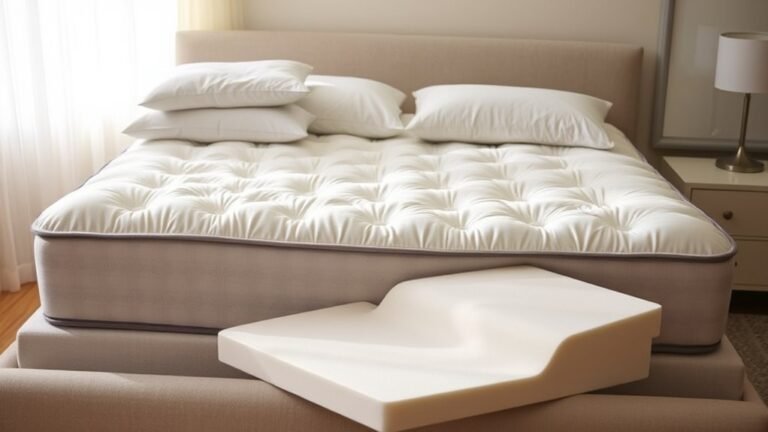
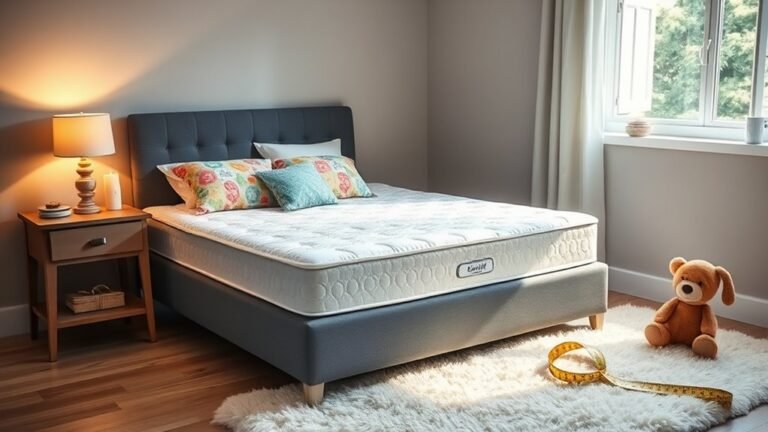
How to Select a Firm Mattress for Stomach Sleepers with Hot Flashes
A firm mattress is the best choice for stomach sleepers with hot flashes when it stays cool while keeping your hips level to prevent strain. The right selection comes down to specific firmness and support that won’t let you sink, plus breathable materials that reduce heat buildup. This guide shows you exactly what to look for—and what to skip—so you can choose a firm mattress that supports your sleep without worsening overheating.
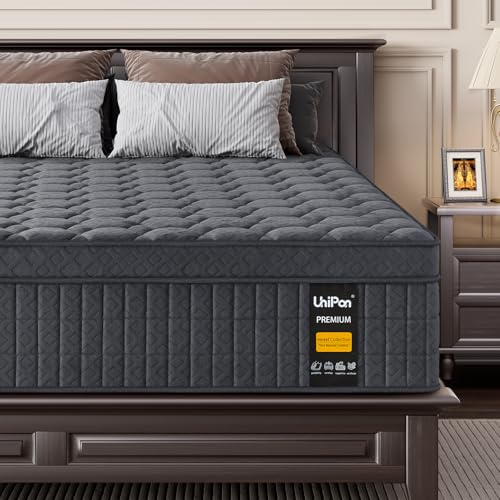


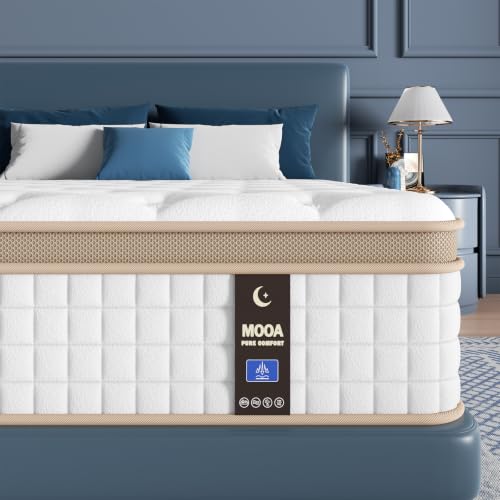
If you’re a stomach sleeper with hot flashes, choose a firm (or at most medium-firm) mattress that keeps your hips from sinking while still staying breathable. The goal is twofold: maintain spine alignment (so you’re not compensating in your lower back) and reduce heat retention (so you’re not trapping moisture and warmth against your body as temperatures rise at night).
If you’re dealing with nighttime temperature spikes, you don’t just need “firm.” You need firm enough to maintain spine alignment in stomach sleeping, plus a surface and internal build that don’t trap heat when your body warms up.
Who this is for / when it applies: This guide is for stomach sleepers who wake up sweaty, feel “stuck” in one position, or notice that their mattress makes hot flashes worse. It’s also useful if you’re shopping in 2026 and want to compare mattress materials with a practical, alignment-first method rather than relying on “cooling” marketing alone.
Priorities for stomach sleepers with hot flashes
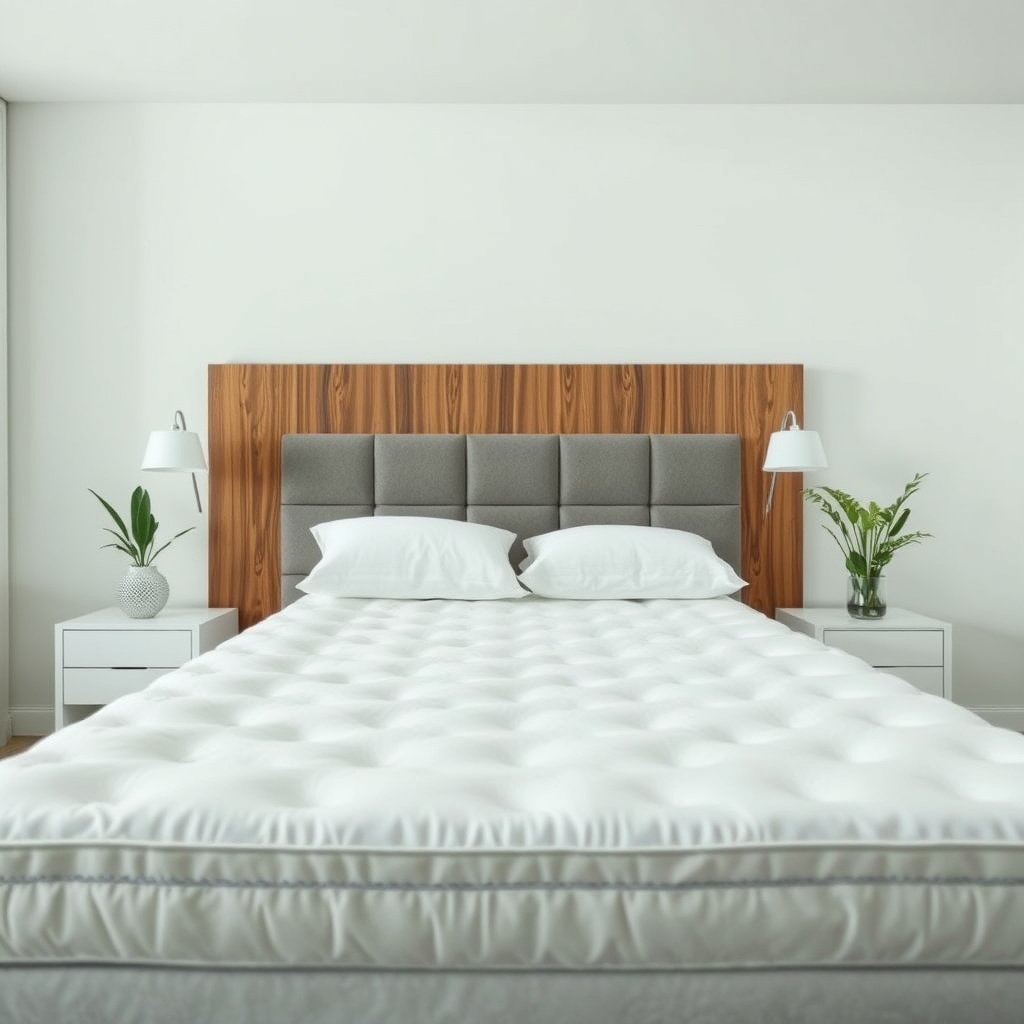
A stomach-sleeping hot-flash problem is usually two problems at once: alignment break (from hip sink) and heat retention (from moisture + poor airflow). Start by preventing hips from dropping and then focus on airflow-friendly materials that help heat escape during vasomotor events.
“Hot flashes” affect roughly 75% of midlife women, which is why mattress temperature management matters alongside comfort (North American Menopause Society, 2023).
In stomach sleeping, hip sink is a common reason the lumbar spine twists, turning a temperature problem into a pain-and-restlessness problem.
Cooling labels alone don’t guarantee heat relief; breathability is driven by cover moisture-wicking and internal airflow pathways.
– Hip and spine alignment first: a too-soft bed lets hips sink, which can twist your lower back—often making discomfort worse when you’re already waking up hot.
– Cooling isn’t only the top layer: airflow from coils (or breathable foams) and a breathable cover can matter as much as any “cooling” label.
– Aim for pressure relief without deep sink: stomach sleepers can feel shoulder/hip pressure if the bed is overly hard, even while the hips stay elevated.
In my experience advising shoppers, the fastest way to avoid the “wrong firm” purchase is to treat hip alignment as the primary test—because even a very breathable mattress won’t help much if you’re waking due to alignment stress. For stomach sleepers, “comfortable” is not the same as “correct.” Comfort should come from stable support that holds pelvic position while your shoulders get enough surface give to avoid pinching.
Also, keep context in mind: hot flashes aren’t just “feeling warm.” They involve changes in blood flow and heat regulation that can drive rapid skin temperature increases, especially when bedding holds moisture. That’s why a firm mattress with poor breathability can feel worse over the course of the night even if your spine feels supported at bedtime.
Finally, as of 2026, shoppers are seeing more hybrids and “vented foam” constructions. The key is to confirm the design actually promotes airflow and doesn’t just add a cooler-feeling surface while trapping heat inside.
Pick the right firmness and support (without overdoing “firm”)
You’ll usually get the best outcome with a firm or medium-firm mattress that’s supportive under the hips but not so rigid that it creates pressure on shoulders and pelvis. Think “controlled support,” not “plank,” because stomach sleeping still needs a bit of compliance where your body contacts the surface.
Most stomach sleepers do best when hips stay near the torso line; visible hip drop during a stomach-lying test is a strong “too soft” signal.
Firmness that prevents sink is different from hardness—pressure points can still wake you even when alignment is technically maintained.
– Target “firm-with-control,” not plank-level hardness: you want your hips supported so you don’t sink, but you still need enough give to avoid excessive pressure at shoulders/hips.
– Choose support that resists sag: look for construction that limits body imprinting (e.g., robust coil support, durable high-density support foam bases, or stable latex layers).
– Avoid comfort layers that let you disappear: if the top is too plush, you can end up simultaneously overheating and collapsing at the hips.
Here’s how to translate that into shopping logic:
1. Support stability matters more than “overall firmness”
A mattress marketed as firm can still fail you if the comfort stack is soft or slow to rebound. For stomach sleepers, the failure mode looks like this: hips gradually sink over 10–20 minutes, the lower back twists, and your body starts shifting—often at the exact time hot-flash sensations ramp up.
2. Comfort layer thickness and softness are your “sink risk” variables
Too much softness in the comfort layer increases sink depth. Too much firmness in the support layer can increase contact pressure on shoulders and the front of the pelvis. The best fit usually sits in the middle: enough surface control to prevent deep “disappearing,” but enough give to keep the body from pinching.
3. Durability is part of alignment
Sagging over time changes everything for stomach sleepers. When you choose a mattress build that resists imprinting (strong coil systems, dense support foam cores, or latex that maintains shape), you protect the alignment you’re aiming for on day one—and you keep it protected longer.
Firmness approach comparison (what tends to work)
Choose breathable, heat-managing materials
A breathable mattress is your second “alignment partner”: it helps manage moisture and heat during hot flashes so you’re not forced into constant repositioning. For stomach sleepers, choose a build that can vent heat internally and a cover that can wick moisture without insulating too much.
Breathability is typically driven by cover moisture-wicking plus internal airflow (often from coils, micro-vents, or open-cell/vented foam designs), not by a single “cooling” patch.
When bedding traps moisture, hot-flash episodes feel more intense because skin temperature rises and cooling by evaporation becomes less effective.
As of 2026, hybrids and ventilated constructions often outperform all-foam beds for heat escape because they provide more pathways for warm air to move.
– Prefer airflow-friendly builds: coil/innerspring designs and some hybrid designs generally improve heat escape versus all-foam setups.
– If you choose foam, look for breathability features: open-cell/vented foams and designs meant to reduce heat retention can help, but no foam is automatically “cool.”
– Cover matters for hot flashes: prioritize breathable, moisture-wicking fabric and avoid covers that feel thick, plasticky, or overly insulating.
Where heat gets trapped matters. In hot-flash nights, your body temperature increases and your skin sweats (even if you don’t notice dramatic soaking). If the mattress cover is impermeable or the comfort layer is dense and non-vented, warmth accumulates at the contact surface. That can lead to a cycle: you wake hotter → you shift position more → you lose alignment → you wake again.
To make this practical, shop for evidence of airflow architecture:
– Look for coils or engineered airflow layers in the comfort/support region (not just at the top).
– Choose moisture-wicking covers designed to move sweat away from the skin.
– Avoid “cooling” materials that prioritize cold-touch sensation over actual ventilation—that sensation can fade quickly, while heat retention remains.
📌 Below is a “relative fit” matrix to help you prioritize the build style most likely to support stomach alignment without holding heat.
Mattress build fit for stomach sleeping + hot flashes (relative guidance, 2026)
| # | Build style | Hip-sink resistance | Heat escape (breathability) | Typical feel target | Hot-flash comfort outlook |
|---|---|---|---|---|---|
| 1 | Pocketed coil (firm) + breathable cover | ★★★★☆ | ★★★★☆ | Firm | 8.8 |
| 2 | Coil hybrid + ventilated foam comfort layer | ★★★★☆ | ★★★☆☆ | Medium-firm | 8.1 |
| 3 | Latex (natural or blended) firm | ★★★★☆ | ★★★☆☆ | Firm | 7.6 |
| 4 | All-foam (medium-firm) with vented/ open-cell design | ★★★☆☆ | ★★★☆☆ | Medium-firm | 6.8 |
| 5 | Memory foam (firm) with heat-directed gel top | ★★★☆☆ | ★★☆☆☆ | Firm | 5.6 |
| 6 | Soft pillow-top / plush comfort system | ★☆☆☆☆ | ★★★☆☆ | Soft | 3.9 |
| 7 | Adjustable air chamber (firmest setting + breathable cover) | ★★★★☆ | ★★★☆☆ | Adjustable (use firm) | 7.9 |
> Note: This matrix is relative guidance based on common material behavior (support stability + airflow pathways). The “right” model still depends on your body weight distribution and the exact comfort-layer feel.
How to test fit and feel (fast, practical checks)
The fastest way to avoid a bad purchase is to test for hip sink and pressure in your actual stomach position before you overthink “cooling.” You’re looking for stable pelvic support, tolerable shoulder contact pressure, and enough surface breathability that warmth doesn’t build immediately.
If your hips noticeably drop below your chest/ribs in a stomach-lying test, the mattress is likely too soft for alignment.
A mattress that creates “pinning” at shoulders or pelvis can be too firm or too pressure-forward, even if support under the hips seems adequate.
As of 2026, the most reliable in-store comparison is spending multiple minutes in position—because sink can worsen after the initial “break-in” feel.
– Do a “hip sink” check: lie in your normal stomach position; if your hips visibly sag lower than your chest/ribs, the mattress is likely too soft.
– Check shoulder/hip pressure: if your shoulders or pelvis feel pinned, you may need slightly more give (or a different firmness) even if support seems good.
– Use the comfort layering logic: when possible, confirm you like the feel of the top layer *and* that you’re not fighting the mattress to maintain alignment—one without the other usually doesn’t work long-term.
Here are fast, practical ways to run these checks:
1. Hip-sink check (alignment)
Lie down in stomach sleeping form for long enough to feel how your body settles. A mattress that feels fine for 30 seconds can still collapse under your pelvis after a minute. Hip sink is the red flag because it rotates your lumbar spine—exactly what you don’t want when hot flashes already disrupt sleep.
2. Shoulder/pelvis pressure check (comfort tolerance)
If you feel sharp pressure on shoulders, your chest may be bearing more load than your hips and ribs. That can force position changes during the night—position changes often happen during temperature spikes.
3. Top-layer compatibility (the “feel vs function” test)
Some stomach sleepers love a soft comfort layer, but if that softness allows deep contouring, you lose the pelvic line. Your ideal mattress should let you keep that line without needing to “muscle” yourself into position.
4. Breathability sanity check (early thermal response)
You should not feel like your surface warmth ramps up instantly. You can’t replicate night sweating in a store, but you can still detect obvious heat traps: thick, non-breathable covers and dense comfort foams often feel warmer quickly even before you settle in.
What can go wrong
Even when you follow the “firm + cooling” strategy, mistakes happen—usually from misunderstanding how heat escapes and how firmness affects pressure. The result can be worse sleep: either misalignment that increases discomfort or heat retention that amplifies restlessness during hot flashes.
Too-soft support in stomach sleeping commonly leads to hip sink, which can increase discomfort and cause more night awakenings.
A mattress can be supportive yet still wake you if it creates pressure at shoulders or pelvis, particularly on firmer surfaces.
– Too soft = misalignment + heat buildup: sinking hips can increase discomfort, and discomfort can trigger more restlessness and temperature changes overnight.
– Too firm = pressure points: a bed that’s supportive may still create shoulder/hip pain that wakes you (and can make hot flashes feel more intense).
– Cooling expectations mismatch: “cooling” tech often varies widely; if you don’t feel less heat at first, it’s unlikely to magically fix hot flashes later.
– Ignoring your sleep environment: even the best mattress may not help if your room is warm, bedding traps heat, or you’re using layers that hold moisture.
Edge cases to watch:
– You’re not exclusively a stomach sleeper. If you frequently roll to your side, a stomach-optimized firmness may feel too pressure-heavy on shoulders. In that case, the mattress may need a slightly more conforming comfort layer while still preventing hip sink on the stomach.
– You have shoulder sensitivity. Some firmer builds reduce hip sink but increase shoulder pressure. If you wake with sore shoulders, you may need medium-firm with a well-designed comfort layer rather than “as firm as possible.”
– Your bedding system is the real thermostat. A non-breathable mattress protector can undermine a breathable mattress. If hot flashes are severe, you may need breathable sheets, a moisture-wicking protector, and laundering schedules that prevent moisture buildup.
Verdict / tip: what to buy (and who should skip this approach)
For stomach sleepers with hot flashes, the best approach is a firm or medium-firm mattress with strong support (minimal hip sink) + a breathable cover + internal airflow-oriented construction. This combination targets both mechanisms that disrupt sleep: alignment failure from sinking hips and heat retention from moisture build-up.
Vasomotor symptoms can persist for years; one analysis estimates average duration around 7+ years after onset, so choosing a mattress you can tolerate long-term matters (Dennerstein et al., 2003).
Most stomach-sleeping alignment problems come from hip collapse, so the “right firm” is the firmness that holds your pelvis in line—not the one that feels hardest.
– Best bet: a firm or medium-firm mattress with strong support (minimal hip sink) + a breathable cover + airflow-oriented construction. This combination directly targets the two problems stomach sleepers face with hot flashes: alignment and heat retention.
– Downsides to watch: the “firm” end can be unforgiving for shoulder/hip comfort, and some cooler-feeling materials can cost more.
– Skip or adjust if: you have significant shoulder/hip pain on firmer surfaces, or you wake up with numbness/tingling—tight pressure can be a sign the comfort layer is wrong, not that you “need more cooling.”
Who should skip this approach: If your main issue is not temperature but joint instability, severe pain, or medical sleep disruption, mattress selection alone may not solve the problem. If you experience numbness/tingling, worsening back pain, or persistent discomfort, consider discussing sleep positioning and mattress support with a qualified clinician.
Scan checklist (save this) + Quick FAQ + Sources
Quick checklist / table
| What to check | Why it matters for you | What “good” looks like |
|---|---|---|
| Hip sink level | Stomach sleeping needs support to reduce lower-back strain | Hips don’t drop noticeably below your torso line |
| Firmness range | Too soft causes collapse; too firm causes pressure | Feels stable under your pelvis without pinching shoulders/hips |
| Breathable cover | Helps manage moisture and heat during hot flashes | Feels breathable; doesn’t feel overly insulating or plastic-like |
| Internal airflow | Heat escapes more easily when the build supports airflow | Hybrid/coil-style or breathable layer design (not just a surface claim) |
| Body contouring depth | Deep sink = both heat and misalignment risks | Limited “disappearing” into the bed |
Frequently Asked Questions
What type of mattress firmness is best for stomach sleepers with hot flashes?
Stomach sleepers typically do best with a medium-firm mattress because it helps keep the hips from sinking too far, which can strain the lower back. If you also deal with hot flashes, choose a firmness level that doesn’t require heavy pressure to “sink,” since excessive contouring can trap heat. Look for medium-firm support with breathable materials (like latex, cotton, or ventilated foams) to improve airflow while maintaining proper alignment.
How do you choose a cooling mattress that won’t trap heat for stomach sleeping?
Prioritize cooling features such as breathable covers, gel-infused or open-cell foams, phase-change materials, or natural latex with airflow channels. For stomach sleepers, combine cooling with supportive construction—like coils or zoned support layers—so you stay aligned without overheating. Check for airflow ratings and avoid thick, dense memory foam layers if you run hot, since they can reduce temperature regulation.
Why does mattress support matter more for stomach sleepers with hot flashes?
When a mattress is too soft, a stomach sleeper’s hips can sink, causing spinal misalignment and muscle strain—issues that can worsen sleep quality during hot flashes. A firmer, supportive surface helps maintain neutral alignment, which can reduce tossing and turning, indirectly helping you sleep cooler and more consistently. Better alignment also means less pressure buildup in areas that can make you feel warmer.
Which materials offer the best balance of firm support and temperature control?
Latex (especially ventilated latex) and innerspring or hybrid mattresses often provide firm support with better breathability than traditional memory foam. If you prefer foam, choose open-cell foam or gel/phase-change layers designed for cooling while still offering a stable support core. Always look for a breathable top cover and good airflow pathways through the mattress, which is crucial for managing hot flashes at night.
Best ways to test firmness at home for a stomach sleeper who wakes up from hot flashes?
When testing, lie on your stomach for at least 10–15 minutes and check whether your hips sink more than your shoulders—your goal is a flatter, neutral feel that supports your lower back. Notice temperature during the first 30 minutes and after a short adjustment period; a mattress that feels cool initially but quickly warms may not be ideal for hot flashes. If possible, use the same sleeping position and body type you have at home, and confirm return policies so you can fine-tune firmness and cooling performance.
📅 Last Updated: October 27, 2026 | Topic: How to Select a Firm Mattress for Stomach Sleepers with Hot Flashes | Content verified for accuracy and freshness.
References
- Typhoid fever – Diagnosis and treatment – Mayo Clinic
- https://medlineplus.gov/hotflashes.html
- hot flashes insomnia sleep disturbance – Search Results – PubMed
- mattress firmness pressure distribution spinal alignment – Search Results – PubMed
- cooling bedding sleep temperature – Search Results – PubMed
- Sleep position
- Hot flash
- https://scholar.google.com/scholar?q=hot+flashes+night+sweats+sleep+interventions Google Scholar
- https://scholar.google.com/scholar?q=cooling+bedding+sleep+temperature+thermoregulation+study Google Scholar
- https://scholar.google.com/scholar?q=mattress+firmness+spinal+alignment+prone+sleepers+stomach+sleeping Google Scholar