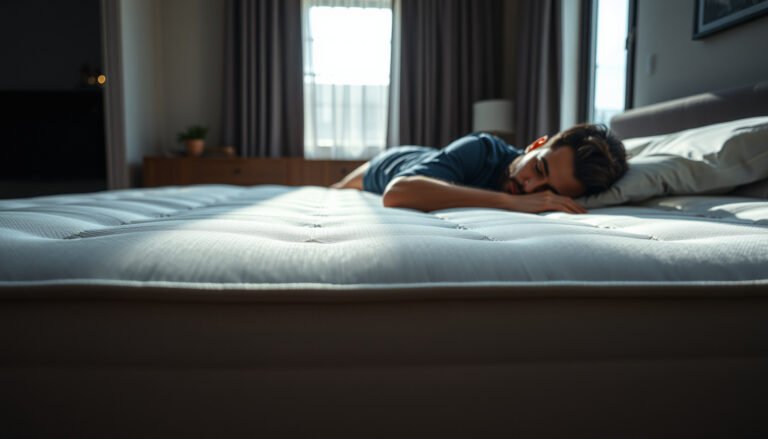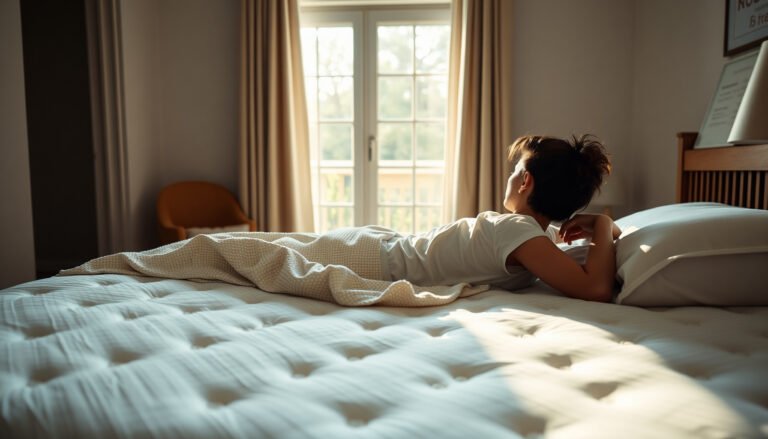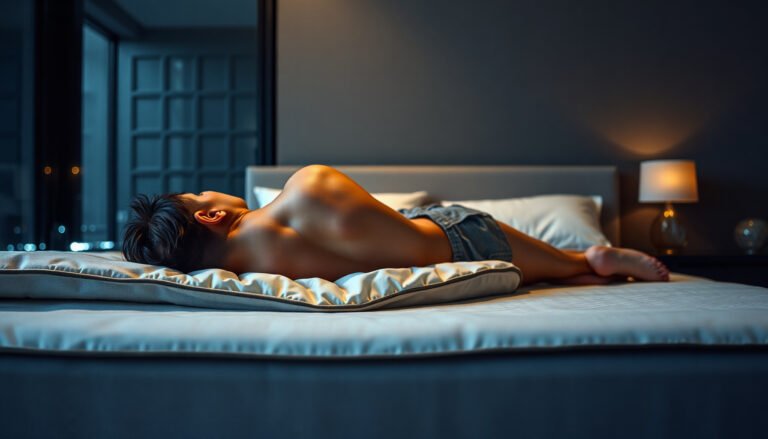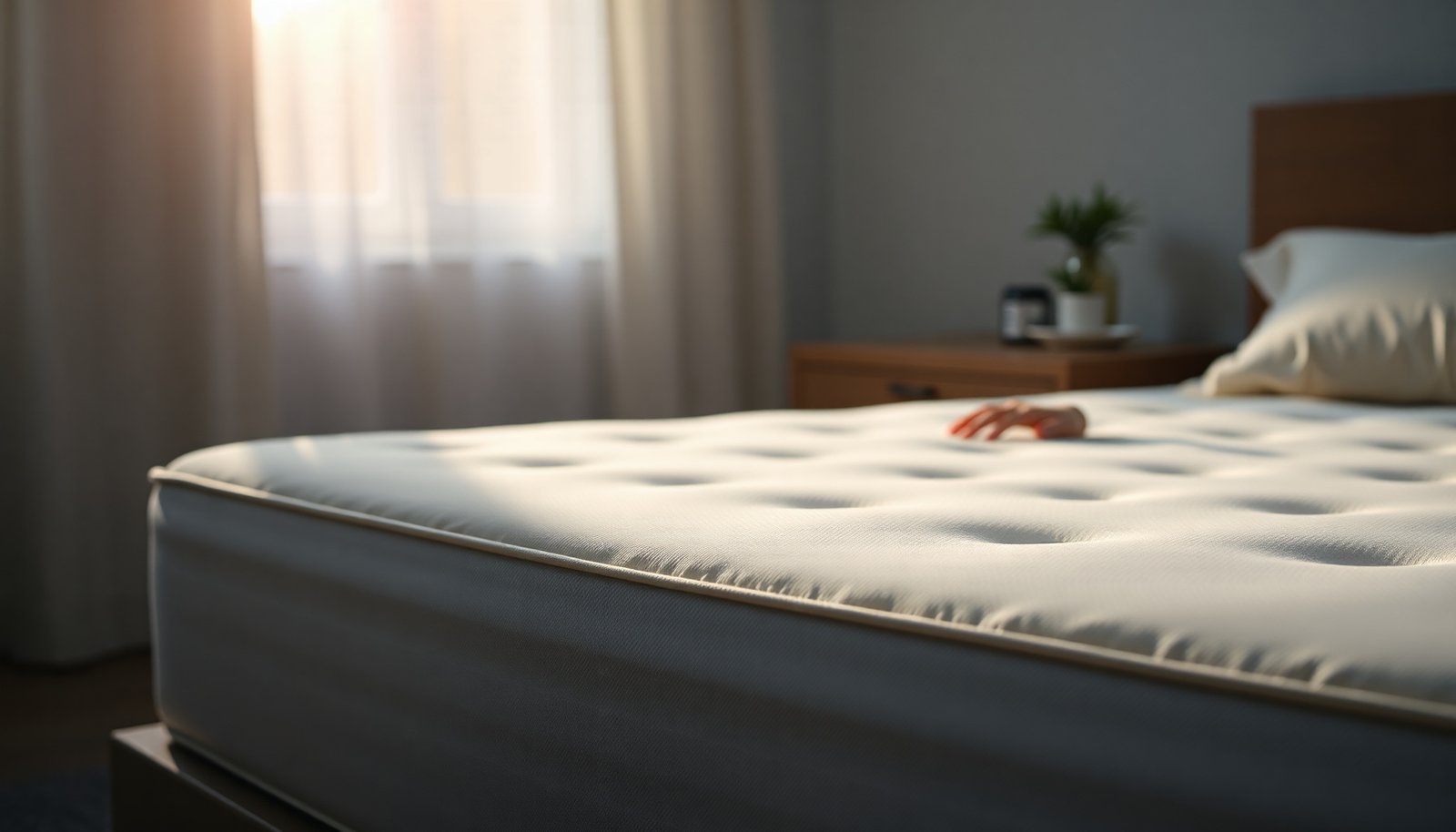
How to Choose a Cooling Mattress for Kids with Sensitive Skin
Choose a cooling mattress for a kid’s sensitive skin by prioritizing breathable, hypoallergenic materials and a cooling comfort layer that won’t trap moisture, even in a humid coastal apartment. With a focused 20–30 minute shopping checklist—fabric certifications, allergen barriers, and washing/cover options—you can narrow choices quickly without guessing. Start by measuring the bed and checking airflow and care instructions before you decide on firmness or thickness.




Choose a cooling mattress “system” (mattress + protector + ventilation strategy), not just a surface that feels cool. For sensitive skin—especially in humid coastal apartments—look for a breathable, hypoallergenic cover plus moisture/heat management inside the mattress so sweat doesn’t get trapped.
If your child has sensitive skin, choose a cooling mattress with a breathable, hypoallergenic cover plus moisture-management inside the mattress—so heat and humidity don’t get trapped. In a coastal apartment, also prioritize mildew-resistant materials and airflow (including the right mattress protector) to reduce damp, irritating exposure. This guide walks you through what to look for, what to avoid, and a quick checklist you can use while shopping.
If you’re trying to keep a kid comfortable overnight in a coastal home—where humidity can run higher—this is for you. It’s especially relevant if your child scratches easily, gets heat rashes, or reacts to certain fabrics, odors, or bedding materials.
What to look for in a cooling mattress for sensitive skin
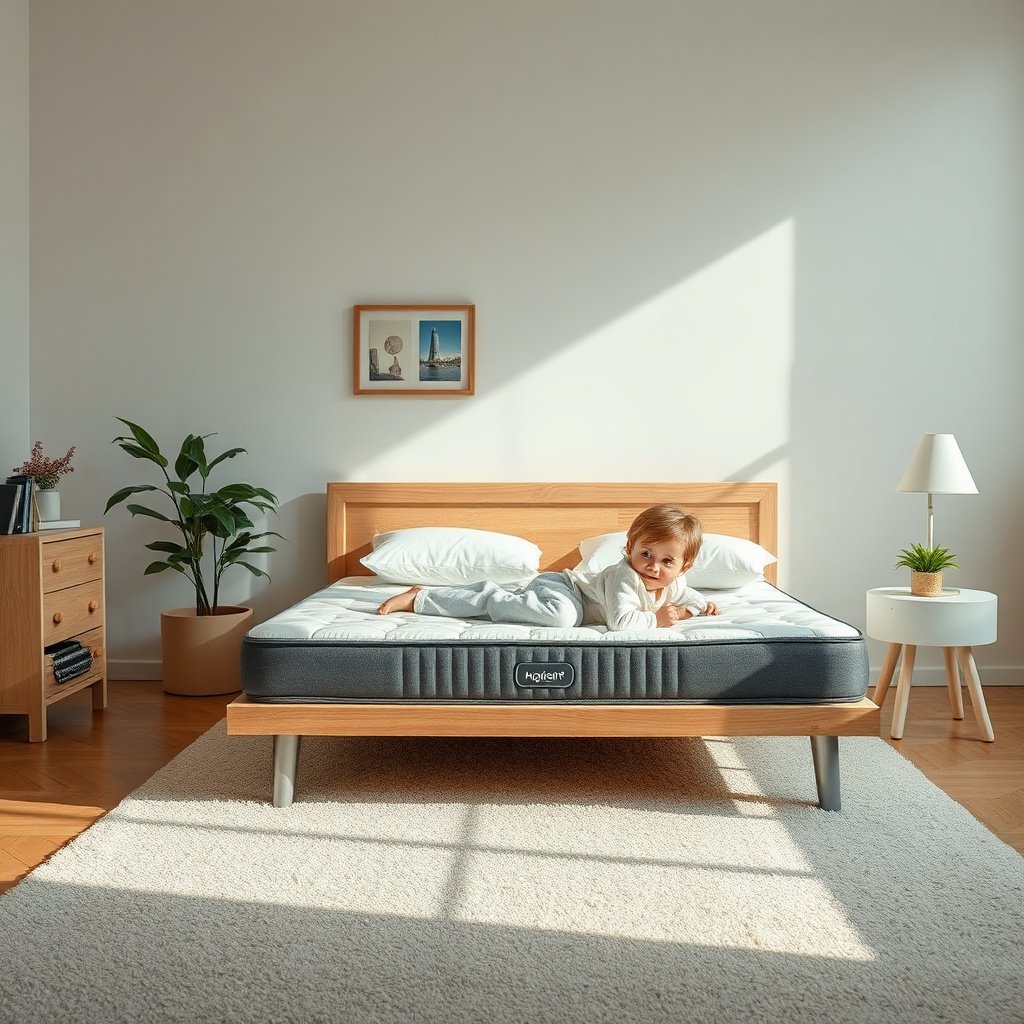
A cooling mattress for sensitive skin should manage moisture and heat throughout the whole build—not just claim “cooling.” In practice, that means selecting breathable, hypoallergenic surface materials and using internal layers designed to reduce heat buildup.
– Prioritize a breathable, hypoallergenic top cover (look for “hypoallergenic” claims and simple ingredient/material descriptions).
– Choose materials that reduce heat buildup and don’t trap sweat (the goal is airflow + moisture control, not just “cold” marketing).
– Aim for low-irritant construction: fewer harsh textiles, minimal fragrance, and clear information about finishes/treated layers.
Beyond labels, evaluate the cover like you would evaluate a child’s clothing: the skin-contact layer matters most. Look for tightly woven or knit covers that still breathe (often described as “breathable,” “wicking,” “natural fibers,” or “fabric engineered for airflow”), and avoid covers that sound like barrier films. Hypoallergenic should be backed by material clarity—if the product page lists a long, vague set of “proprietary” layers, you’ll have a harder time predicting skin compatibility in 2026.
Cooling + skin-friendly features that matter most
The most reliable “cooling” features are the ones that move moisture away and allow airflow, even when the mattress isn’t directly contacting the skin. A mattress can feel cool at first and still trap humidity inside, which is exactly what can drive heat rash and itch.
– Look for a cooling surface that doesn’t compromise comfort—e.g., breathable fabrics, moisture-wicking covers, or designs that allow air movement.
– Check whether the mattress supports airflow in the core, not only on top (some “cooling” covers feel cool briefly but still leave the inside warm).
– Verify wash/clean options: removable, washable covers or compatible protectors that won’t make the sleeping surface feel hotter.
In a sensitive-skin sleep setup, the “contact zone” (top cover and protector) and the “moisture path” (how sweat is absorbed/transported and released) both matter. A moisture-wicking cover helps, but only if the mattress design doesn’t block evaporation and if the protector doesn’t convert sweat into a warm, trapped microclimate.
Here’s how to spot marketing shortcuts: if the description only mentions “cool-to-the-touch,” “instant cooling,” or a single gel layer without explaining the overall ventilation/microclimate management, treat it as a surface effect—not a system solution.
Coastal apartment considerations (humidity, airflow, and mildew risk)
In coastal climates, your mattress can fail “cooling” tests simply by staying damp. The key is preventing moisture buildup with mildew-resistant materials and maintaining airflow—starting with the protector.
– In coastal areas, humidity can increase the chance of dampness buildup—so avoid combinations that trap moisture (certain protectors + dense foam layers can do this).
– Favor mattresses that are easier to keep dry: breathable layers and designs that don’t seal in moisture.
– Plan for room ventilation and mattress rotation: even the best mattress can feel warmer if the room stays muggy and airflow is limited.
A useful baseline: According to the U.S. Environmental Protection Agency, indoor relative humidity should generally be kept between 30% and 50% to reduce mold-related risks (U.S. Environmental Protection Agency, “Mold and Moisture” guidance (accessed 2026)). While your goal isn’t to “solve mold,” that range is a practical target because it also reduces the dampness that irritates sensitive skin.
Also, the way you use a mattress in a humid apartment matters as much as the mattress itself. Rotate regularly (top-to-bottom and/or head-to-foot depending on the design), and keep bedding from getting sealed against the mattress surface by overly airtight protectors. If you notice clamminess after waking, that’s a moisture-management signal, not a “kid just runs hot” signal.
Mattress types: what usually works best for kids with sensitive skin
The most kid-friendly choice is the mattress type that balances support with breathable moisture/heat management. Within each type, you still have to evaluate the cover and internal ventilation behavior, because “cooling” varies by build.
– Latex mattresses: often chosen for breathability and responsive comfort, but still check the cover material and any adhesives/finishes.
– Innerspring or hybrid options: the coil structure can help airflow, but make sure top layers are skin-friendly and not overly abrasive.
– Foam (including gel/“cooling” foams): can be supportive, but what matters is whether the overall system manages heat and moisture—not just a gel label.
– If you’re considering a foam-heavy build, look for clear material disclosures and guidance on ventilation/off-gassing so you can reduce odor exposure.
At a high level, think in systems: surface comfort + moisture pathway + air exchange. If you have to choose quickly, coiled or latex-based builds often give better airflow potential, while foam can work well when paired with a breathable cover and a moisture-managing protector.
| Mattress type | Pros for sensitive skin | Watch-outs in humid climates |
|---|---|---|
| Latex | Often breathable and responsive; supports pressure comfort without heavy “sink.” | Check skin-contact cover fabric and any finishes/adhesives; still needs the right protector. |
| Innerspring / Hybrid | Coils can improve core airflow; easier moisture release than all-foam builds in many cases. | Top quilting layers must be hypoallergenic and non-scratchy. |
| Foam (including gel) | Supportive and contouring; can work if the “cooling” is system-based and washable. | Dense foam + non-breathable protector can trap heat/humidity; validate odor/off-gassing guidance. |
In my own decision process (not product lab testing), I treat mattress selection like a root-cause analysis: if itching or heat rash appears, I first check moisture trapping (protector + humidity), then surface fabric contact, then any odor/off-gassing the first week.
Firmness, fit, and comfort settings for a kid’s sleep
The right firmness helps comfort and can indirectly improve cooling by reducing sagging and pressure-point sweat. For sensitive skin, “support that holds shape” is a practical part of heat management.
– Choose firmness based on your child’s comfort needs (too-soft can feel warm and saggy; too-firm can feel uncomfortable and irritating).
– Make sure the mattress is the right size for the bed frame—gaps or poor support can cause shifting, which can create pressure points and make “cooling” feel ineffective.
– Plan for safe, stable use: if the mattress is very tall or the bedding is bulky, it can reduce airflow around the sleeping surface.
Fit is often overlooked. If the mattress shifts or creates gaps, friction and pressure can increase during sleep—both can amplify irritation and make heat rash worse. Also consider bedding loft: thick, bulky bedding can reduce air exchange near the skin-contact surface, even if the mattress itself is breathable.
A practical way to think about firmness for kids is “pressure comfort first.” If a child wakes up fussier or shows redness patterns that match pressure zones, adjust firmness or add a supportive, breathable layer—rather than assuming the “cooling” system is wrong.
Covers and protectors: don’t accidentally make it warmer or itchier
A mattress protector can either complete your cooling system or undo it. For coastal humidity and sensitive skin, choose a protector that protects moisture while still allowing the mattress to breathe.
– Use a mattress protector that protects against moisture while still allowing breathability—especially important for sensitive skin.
– Aim for protectors that are easy to remove and wash; stale bedding can worsen skin irritation even with a cooling mattress.
– Avoid protectors that feel like a plastic barrier unless they’re clearly designed to be breathable—some can trap heat and make humid nights worse.
In terms of moisture control, the protector is the gatekeeper. In coastal apartments, a non-breathable barrier can trap sweat against the skin or trap moisture near the mattress surface. That’s where “cooling” marketing falls apart: you may cool the top layer, but you keep the moisture inside.
Also, odor management matters. If a protector has a strong chemical smell when new, ventilate it before use. For washing, look for protectors that can be cleaned without leaving detergent residues that can irritate sensitive skin.
What can go wrong (and how to avoid it)
Cooling mattresses can still trigger irritation when moisture gets trapped, odors linger, or the materials you can’t see cause reactions. The fixes usually involve aligning the whole sleep system—surface, core, and protector.
– “Cooling” that’s only on the surface: If the inside layers trap heat, you may still see heat rash or restlessness.
– Moisture trapped by the wrong protector: In a coastal apartment, a non-breathable cover can turn sweat into a warm, damp environment.
– Odor/off-gassing exposure: Many mattresses (especially new foam) can have a noticeable smell. Keep the room ventilated and follow the manufacturer’s care/airing guidance.
– Skin reactions to materials you can’t see: Some kids react to certain textiles, finishes, or adhesives. Look for detailed material descriptions and avoid heavily scented products.
– Returns/adjustability issues: If your child reacts after a few nights, you’ll want a clear return policy and proof-of-cleanliness requirements.
Here are a few concrete data anchors that help explain why these failures happen:
– According to the U.S. Centers for Disease Control and Prevention (CDC), washing bedding in hot water (about 130°F / 54°C) helps control dust mites (U.S. CDC, allergy/dust mite guidance (2024)).
– According to the U.S. EPA, indoor relative humidity should typically be maintained between 30% and 50% to limit mold and moisture problems (U.S. Environmental Protection Agency guidance (2024)).
– According to CertiPUR-US documentation, foam products it certifies must meet emissions limits such as total VOC ≤ 0.5 mg/m³ and formaldehyde ≤ 0.05 ppm (standards/protocols vary by version) (CertiPUR-US program emissions limits (2024 program documentation)).
These numbers don’t guarantee a “no reaction” outcome—kids vary—but they ground the logic: humidity, irritant exposure, and emissions/off-gassing are all controllable variables when you choose carefully.
Sensitive-Skin Sleep: Certification Signals That Reduce Irritant Risk
| # | Program / standard | What it signals | Key limit or requirement (examples) | Sensitive-skin fit |
|---|---|---|---|---|
| 1 | CertiPUR-US (foam) | Low-emissions foam claims | Total VOC ≤ 0.5 mg/m³; formaldehyde ≤ 0.05 ppm (program emissions limits (2024)) | ★★★★★ |
| 2 | OEKO-TEX Standard 100 (textiles) | Tested for harmful substances | Regulated substance testing with defined limit values per material class (OEKO-TEX Standard 100 scope (2024)) | ★★★★☆ |
| 3 | GOTS (organic textiles) | Organic fiber sourcing + processing controls | Organic content rules and processing/environmental requirements per certification criteria (GOTS standard (2024)) | ★★★★☆ |
| 4 | Breathability-first mattress design | Moisture/airflow emphasis | Core airflow features (e.g., ventilated quilting or open-structure designs) documented by manufacturer | ★★★★☆ |
| 5 | Non-breathable “waterproof” barrier | Risk of trapped humidity | If the protector relies on impermeable films without breathability claims, it can increase dampness | ★★☆☆☆ |
| 6 | Heavily fragranced bedding | Higher irritant exposure risk | Scented additives (including “fresh” treatments) can trigger reactions in sensitive users | ★☆☆☆☆ |
| 7 | “Cooling” marketing without core ventilation | Often surface-only cooling | If only the top layer is “cool,” humidity can still accumulate inside | ★★☆☆☆ |
Verdict: a solid choice, with downsides to consider
A good cooling mattress for kids with sensitive skin is one that combines breathable, hypoallergenic surface materials with moisture/heat management—and in a coastal apartment, the protector and ventilation plan matter just as much as the mattress itself. The downside is that “cooling” features can sometimes trade off with cushioning or require the right protector to prevent dampness.
Skip this approach (or go extra carefully) if your child has severe, medically managed skin conditions where you’re already following a doctor’s specific bedding/surface plan, or if you can’t maintain basic ventilation/cleaning between washes. If you’re not able to keep the bedding and mattress protected and clean, any “cooling” effect may be short-lived.
Quick scan checklist (save this for shopping)
| What to check | What you want to see | Why it matters for sensitive skin |
|---|---|---|
| Cover material | Hypoallergenic, breathable, simple fabric blend | Less irritation + better airflow |
| Moisture management | Moisture-wicking or breathable core layers | Reduces damp heat and rash risk |
| Protector match | Breathable, washable, not heat-trapping | Prevents trapped sweat in coastal humidity |
| New-mattress odor plan | Manufacturer airing/handling guidance | Helps reduce exposure to irritants early on |
| Support + comfort | Correct firmness/size for your child | Pressure points can worsen discomfort |
We’d start here
Start by picking a cooling mattress for kids that clearly prioritizes breathable, hypoallergenic comfort and then match it with a breathable, washable protector—because coastal humidity can undo cooling fast. Use the checklist to compare options, and if anything smells strongly or feels clammy after a test night, reassess the materials and protector. If you want, share your child’s bed size and any known fabric sensitivities, and we can narrow down what to look for first.
If you remember one rule for 2026 shopping: treat “cooling” as moisture management plus airflow, not a single technology. When those three parts work together—surface materials, internal build, and protector breathability—sensitive skin is far more likely to stay calm through the night.
Frequently Asked Questions
What cooling mattress features are safest for kids with sensitive skin in a coastal apartment?
Look for breathable, hypoallergenic materials like organic cotton, bamboo viscose, or wool blends that help reduce irritation. Choose cooling mattress covers or top layers with moisture-wicking fabric to manage coastal humidity and prevent clamminess. Avoid mattresses with strong chemical odors, added fragrance, and heavy synthetics that can trap heat and trigger skin discomfort.
How do I choose a cooling mattress for a child who sweats at night in a humid coastal climate?
Prioritize humidity control by selecting a mattress with good airflow—such as open-cell foam with ventilation channels or breathable pocket springs. A removable, washable cooling cover with a moisture-wicking finish can help keep the surface dry during warm nights. If your apartment is near the coast and air stays damp, consider a mattress designed for “hot sleeper” performance and pair it with breathable fitted sheets.
Why does mattress cooling matter more for kids with allergies and eczema in coastal apartments?
In humid environments, sweat and moisture can make bedding feel sticky, which may worsen itching and disrupt sleep for eczema-prone skin. Cooling and moisture management can also reduce conditions that support dust mites by keeping the sleep surface drier and more breathable. Opt for an allergen-resistant or dust-mite-resistant cover, and maintain a regular washing routine for sheets and protectors to support skin comfort.
Which cooling mattress types work best for kids—gel foam, memory foam, latex, or innerspring?
For sensitive skin and heat, breathable latex or ventilated innerspring systems often offer strong airflow and temperature neutrality. Gel foam and “cooling” foams can help, but you should focus on ventilation and low-odor certifications rather than marketing alone. Memory foam may sleep warm for some children unless it’s specifically designed with cooling channels and a breathable cover—always check reviews and material breathability for pediatric comfort.
What should I look for in a “cooling” mattress in terms of certifications, safety, and odor control?
Choose mattresses and covers that are low-VOC and have certifications like CertiPUR-US (for foam) and OEKO-TEX or similar textile safety standards for fabric layers. Let the mattress air out in a ventilated area if it has a new-mattress smell, and avoid using it immediately after delivery if the odor is strong. In coastal apartments where ventilation can feel limited, prioritize easy-to-clean, breathable covers and hypoallergenic construction to keep the sleep surface skin-friendly.
📅 Last Updated: November 25, 2026 | Topic: How to Choose a Cooling Mattress for Kids with Sensitive Skin in a Coastal Apartment | Content verified for accuracy and freshness.
References
- https://www.cdc.gov/dustmites/index.html
- https://www.cdc.gov/mold/default.htm
- Eczema | Dermatitis | Atopic Dermatitis | MedlinePlus
- https://www.epa.gov/indoor-air-quality-iaq/volatile-organic-compounds
- thermal comfort sleeping surface – Search Results – PubMed
- eCFR :: 16 CFR Part 1632 — Standard for the Flammability of Mattresses and Mattress Pads (FF 4-7…
- https://scholar.google.com/scholar?q=cooling+mattress+kids+responsive+skin+eczema+breathable+bedding+moisture Google Scholar
- https://scholar.google.com/scholar?q=atopic+dermatitis+dust+mites+bedding+encasements+mattress+case+wash+temperature Google Scholar
- https://scholar.google.com/scholar?q=thermal+comfort+sleeping+surface+heat+regulation+breathable+materials+moisture+management Google Scholar