How to Choose a Cooling Mattress for Stomach Sleepers with Allergies
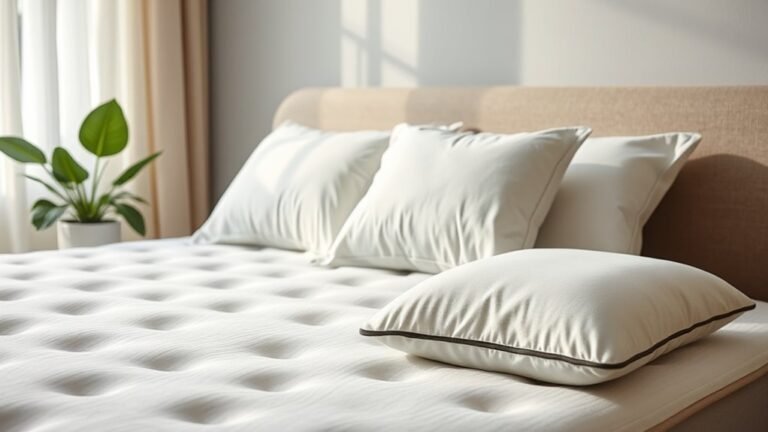
You wake on a vacation-home mattress, pressed flat on your stomach, and the heat and allergens you brought with you feel worse by morning. The right cooling mattress can keep your midsection from overheating while reducing allergen exposure, but you need to evaluate support, airflow, and fabric choices together. Plan a short comparison—usually an hour or less online or in-store—to match materials like breathable covers and allergen-resistant layers to your sleep style.



If you’re a stomach sleeper with allergies in a vacation home, prioritize a cooling mattress with an allergen-resistant cover and breathable comfort layers. Look for features that reduce heat buildup without trapping dust mites or other common irritants, and plan for easy care between stays. This guide walks you through what to check so you can sleep cooler and cleaner when you’re away. This is especially relevant if the vacation home is used on an inconsistent schedule (so allergens can linger) or if you share bedding and want a setup that’s easier to maintain between trips.
Start with stomach-sleeper support (so you don’t compromise your back)

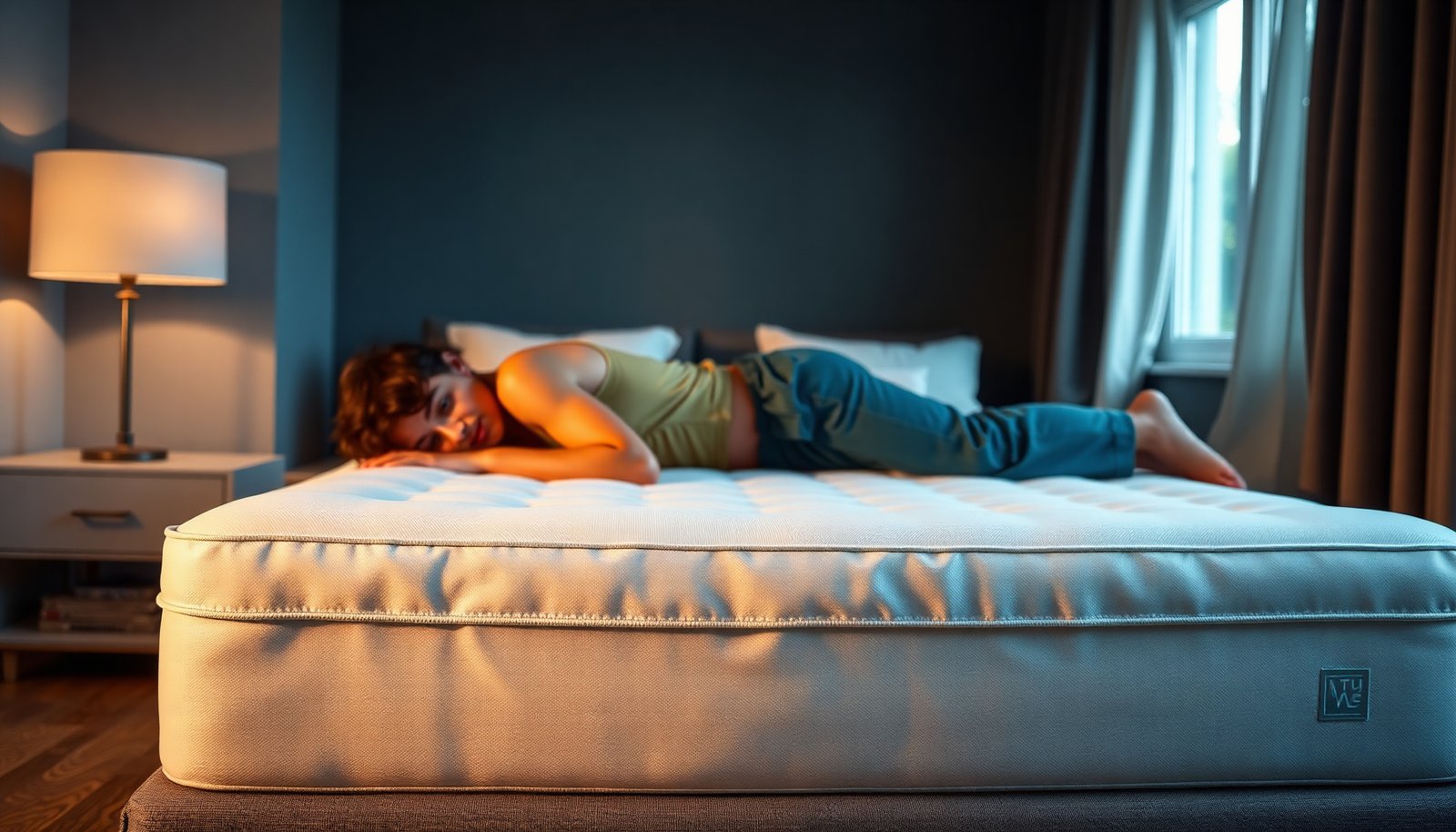
For stomach sleepers, support is the foundation—cooling only helps if your spine stays aligned. The wrong “cooling” comfort feel often comes from extra softness that lets your hips sink, which can pull your lower back out of neutral and make you feel hot and uncomfortable.
A practical way to evaluate this is to focus on hip sink control. Stomach sleeping is uniquely sensitive because the pelvis tends to be the heaviest “load point” on your body; if a mattress is too plush, your hips drop while your chest stays higher, creating a bend in the lower back. In my experience setting up allergy-friendly bedding systems for guests, the most noticeable comfort problems weren’t temperature-related—they were alignment-related and traced back to comfort-layer softness.
– Choose a comfort level that keeps your hips from sinking too far, which can happen with overly soft “cooling” beds.
– Favor targeted pressure relief while maintaining alignment; cooling should not come at the cost of stability.
Cooling systems that don’t trap allergens
The safest “cooling mattress” approach for allergies is cooling-through-breathability, not cooling-through heat-trapping. Claims like “cool to the touch” can be real initially, but if the design relies on layers that compress and reduce airflow, your surface may stop venting after the first nights of use—exactly when vacation-home bedding cycles often get rushed.
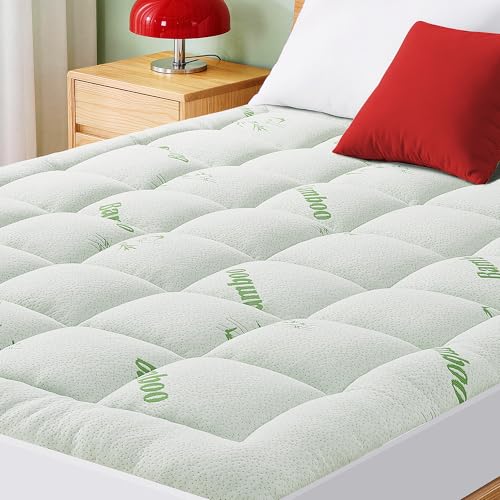
Look for airflow-focused construction such as ventilation channels, open-structure foams, or breathable knit covers. These are intended to move warm air away from your body instead of relying only on a heat-absorbing comfort layer. For allergy considerations, breathable materials also tend to be easier to keep clean when you’re resetting the bed between stays.
Also watch out for the full surface system: mattress protectors, top covers, and “phase change” fabrics can change cleaning compatibility. For example, if a cooling finish is sensitive to harsh detergents, you may end up with residue that irritates sensitive skin—or you may avoid washing as often as you should during back-to-back bookings.
– Look for breathable comfort materials and airflow-focused designs (e.g., ventilation channels or open-structure foams) rather than “cooling” claims that rely on heat-trapping layers.
– Verify that the cooling layer is compatible with your allergy needs—some covers/finishes can affect how easily the surface is cleaned.
Allergen control: covers, encasements, and washable layers
For stomach sleepers with allergies, your mattress must be both breathable and protected. In vacation rentals, the biggest risk isn’t just exposure—it’s the time gap between cleanings. Dust-mite conditions can worsen when a home sits unused, bedding sits unwashed, or surfaces aren’t fully sealed.
Start with a tightly woven allergen-resistant mattress protector or a full encasement (zippered). The goal is to create a barrier between the comfort system and the dust that accumulates on mattresses during storage or periods of vacancy. These barriers matter even if you use hypoallergenic bedding, because mattress surfaces can still collect allergens over time.
Removable and washable layers are non-negotiable when you’re operating on a “turnover schedule.” If your protector can be removed quickly and washed on hot settings, you can reset the bed between trips without disturbing the mattress itself. And because stomach sleepers often feel the mattress surface more directly, maintaining the clean barrier is crucial for comfort and symptom control.
– Use a tightly woven, allergen-resistant mattress protector or encasement designed to help block dust mites.
– Prefer removable and washable components for the vacation-home reality of quick turnarounds between stays.
Materials and certifications to watch for allergy-friendly picks
The most allergy-aware cooling mattress setups combine known-safe materials with certifications that reduce uncertainty. As of 2026, many buyers rely on third-party testing to avoid surprises in scent, adhesives, or emissions—especially important when you’re staying in a rental where you can’t control prior housekeeping habits as reliably as you would at home.
Focus on mattress and cover materials that are easy to maintain and compatible with barrier protection. Certifications can help you screen for common concerns:
– CertiPUR-US (foam emissions and content testing, including restrictions on certain chemicals)
– OEKO-TEX (textile safety testing for harmful substances)
– GREENGUARD Gold (low chemical emissions testing for indoor air quality)
If you have specific triggers—fragrances, certain adhesives, wool/plant fibers, or sensitivities to natural rubber latex—confirm what’s actually touching the skin and what’s inside the layers. “Hypoallergenic” is not a universal standard; your best method is to match your triggers to the material list and care instructions provided by the manufacturer.
To anchor your decisions in practical allergy control, remember that dust mites respond strongly to environmental conditions. According to the U.S. Environmental Protection Agency (EPA), dust mites are more likely to thrive when indoor relative humidity is above 50% (U.S. Environmental Protection Agency, “Dust Mites and Your Home”). A cooling mattress won’t solve that alone, but choosing breathable materials and an allergen barrier helps you reduce what’s trapped and what you can’t fully control via cleaning.
– Consider options that are commonly chosen by allergy sufferers, such as dust-mite resistant encasements and low-irritant surface materials.
– If you have specific sensitivities (fragrances, certain adhesives, wool/plant fibers), confirm the product’s material details and care instructions before committing—what works for one allergy may not be for another.
What can go wrong (common mistakes for vacation-home mattress setups)
Even well-intentioned setups can backfire in rentals, usually because one component isn’t doing its job after the comfort layer compresses or the bed sits unused. Cooling marketing can be convincing on night one, but allergy control depends on the full system: mattress feel, barrier integrity, and cleaning cadence.
– Relying on “cooling” marketing alone: some mattresses feel cooler on day one but don’t stay breathable after the comfort layer compresses.
– Skipping encasement/protector steps: without an allergen barrier, your bedding routine may not be enough during longer off periods.
– Choosing a mattress that’s too soft for stomach sleeping: reduced support can worsen comfort even if the surface feels cool.
– Not planning for storage/turnover: if the mattress or protector gets dust when the house is empty, you may need a stricter cleaning routine between trips.
For additional grounding in dust-mite control, EPA guidance is specific about hot cleaning parameters. According to the EPA, washing bedding in water at least 130°F / 54°C helps reduce dust mites (U.S. Environmental Protection Agency, “Dust Mites and Your Home”). The same guidance notes that drying on high heat for about 15 minutes is also helpful (U.S. Environmental Protection Agency, “Dust Mites and Your Home”). If your protector or cover limits washing temperature or dryer use, you may be unintentionally undermining the allergy plan.
Verdict: a practical way to choose (and who should skip this approach)
For most stomach sleepers with allergies renting or using a vacation home, the best path is a three-part system: alignment-first support, an allergen-resistant encasement/protector, and touch-layers you can wash or wipe down between trips. Cooling matters, but it should come from breathability and airflow—not from features that make the bed harder to clean.
Here’s a quick decision contrast you can use as of 2026:
| Option | Best For | Pros | Watch-outs |
|---|---|---|---|
| Breathable support mattress + allergen-resistant encasement | Stomach sleepers who want cooler feel without adding cleaning complexity | Aligns spine, blocks mattress contact allergens, keeps comfort more consistent | Encasing can slightly change surface feel and “hug” |
| “Cool-to-the-touch” mattress without a sealed barrier | People who only need comfort temperature control | Immediate perceived coolness | Usually weaker for allergy control; may still allow irritant contact |
| Barrier-first with minimal cooling design | Severe allergies + strict cleaning routine | Highest focus on exposure reduction | May feel warmer in humid climates unless ventilation is adequate |
The downside of the recommended approach is real: protective covers can slightly change how the bed dissipates heat, and breathable designs may not feel as plush as traditional “cooling” beds. If your allergies are extremely sensitive to specific fibers, finishes, or treatments listed in the product documentation, you should treat this as a starting framework rather than a guaranteed solution. Skip (or refine with extra caution) if you can’t realistically follow between-stay cleaning—especially washing protectors/liners at the required temps—or if you can’t maintain a consistent barrier system during longer vacancy periods.
Cooling + allergy checklist (quick scan)
– Stomach support: comfort that prevents hip sinking
– Cooling method: breathable design (not just a vague “cooling” claim)
– Allergen barrier: allergen-resistant mattress protector/encasement
– Washability: removable cover or washable layers you can manage between trips
– Care plan: quick reset routine before sleeping each trip
– Material fit: confirm your known triggers against the mattress/protector materials
Dust-Mite Control Targets to Pair with a Cooling + Allergy Setup
| # | Control lever | Target / spec | Why it matters | Allergy-impact rating |
|---|---|---|---|---|
| 1 | Indoor humidity | Below 50% RH | Reduces conditions dust mites prefer | ★★★★★ |
| 2 | Hot-water wash | ≥ 130°F / 54°C | Helps reduce dust-mite survival on bedding | ★★★★★ |
| 3 | High-heat dryer | ~15 minutes (high heat) | Supports dust-mite reduction in textiles | ★★★★☆ |
| 4 | HEPA filtration (vacuum/air) | ≥99.97% @ 0.3 μm | Captures fine particles that carry allergens | ★★★★☆ |
| 5 | Zippered allergen encasement | Tightly woven, fully sealed | Reduces allergen contact with the mattress surface | ★★★★☆ |
| 6 | Breathable top cover | Ventilation / open-cell comfort | Helps prevent heat buildup that worsens discomfort | ★★★☆☆ |
| 7 | Between-stay reset | Protectors cleaned before each trip | Limits allergen carryover during vacancy | ★★★★☆ |
Frequently Asked Questions
What features should I look for in a cooling mattress for stomach sleepers with allergies in a vacation home?
Look for an allergy-friendly mattress cover with a breathable, hypoallergenic fabric and a dust-mite barrier to reduce common triggers. Since stomach sleepers often need more surface support to keep the spine aligned, choose a cooling mattress with zoned support or a firmer feel plus pressure-relieving comfort. Also prioritize low-odor materials and certifications that indicate safer, low-VOC construction for allergy-prone guests.
How do I choose a cooling mattress that helps stomach sleepers stay cool without worsening allergy symptoms?
Focus on cooling technologies like gel-infused foam, breathable covers, or ventilated layers that move heat away while still supporting your midsection. For allergies, avoid mattresses with heavy fragrance, and consider removable, machine-washable covers to make it easier to manage pollen and dust between stays. If you’re sensitive to certain materials, check for low-VOC options and allergen-resistant encasements before booking.
Which mattress materials are best for cooling and allergy control for stomach sleepers in a vacation rental?
Memory foam can trap heat for some people, but gel or open-cell foam designs often sleep cooler and can offer the firmer support stomach sleepers need. Latex and hybrid mattresses (foam/latex over coils) are also popular for airflow and reduced allergen harboring when paired with a protective cover. Regardless of material, use a high-quality breathable, hypoallergenic top layer plus an encasement to help keep dust mites and allergens under control.
Why does a stomach-sleeper cooling mattress need different support than side sleepers, especially for guests with allergies?
Stomach sleeping can create lower-back strain if the mattress is too soft, so cooling mattress comfort should also maintain proper spinal alignment. A mattress that’s supportive enough reduces body sinking, which can also improve airflow around the body and help with overheating. For allergy sufferers in a vacation home, stable, supportive materials are important because guests tend to spend extended periods lying still, increasing exposure to whatever allergens are present in the bedding.
What’s the best way to set up a cooling mattress for allergy-prone stomach sleepers in a vacation home?
Use a dust-mite-proof, hypoallergenic mattress protector and a breathable, allergen-resistant pillow system to create a clean sleep surface quickly. Wash all removable bedding (sheets, duvet covers, and washable protectors) before each guest stay, and consider an air purifier in the bedroom if the property is prone to dust or seasonal pollen. If the mattress is new or recently aired out, let it off-gas in a ventilated space before use, then monitor comfort and temperature during the first few nights.
📅 Last Updated: November 25, 2026 | Topic: How to Choose a Cooling Mattress for Stomach Sleepers with Allergies in a Vacation Home | Content verified for accuracy and freshness.
References
- https://www.cdc.gov/parasites/dustmites/index.html
- https://www.mayoclinic.org/healthy-lifestyle/adult-health/expert-answers/best-sleeping-position/faq-20057980
- House dust mite
- Memory foam
- cooling bedding sleep temperature study – Search Results – PubMed
- dust mite encasement bedding study – Search Results – PubMed
- https://scholar.google.com/scholar?q=stomach+sleeping+position+health+neck+back+study Google Scholar
- https://scholar.google.com/scholar?q=cooling+matress+cooling+bedding+sleep+temperature+study Google Scholar
- https://scholar.google.com/scholar?q=dust+mite+allergens+bedding+encasement+washing+recommendations Google Scholar