

How to Protect Cotton Mattress from Mold in Shared Guest Room
A cotton mattress in a shared guest room can develop mold quickly when humidity, spills, and lack of airflow go unmanaged. Most people only wipe stains, but mold needs to be prevented by controlling moisture and sealing the fabric. You can set up a simple protection routine—washable encasements, regular airing, and prompt drying of any damp spots—taking about 30–60 minutes to set up and a few minutes per turnover to maintain.




To protect a cotton mattress from mold in a shared guest room, keep it dry consistently—especially between guests. Use a breathable, waterproof mattress cover and run ventilation (or a dehumidifier) so humidity never lingers on the fabric. In 2026, that simple routine matters even more because shared occupancy patterns often create short “moisture windows” right when you think the room is already under control.
If you rotate guest stays, share the room seasonally, or deal with a naturally humid home, these steps will help you reduce mold risk without turning mattress care into a full-time job.
Shared guest rooms are for people who want reliable sleep without surprises—property managers, hosts, caregivers, and anyone managing a cotton mattress in a room with variable airflow. This guide is also practical for humid climates and multi-guest schedules where quick between-stay resets are your reality.
Stop moisture before it starts
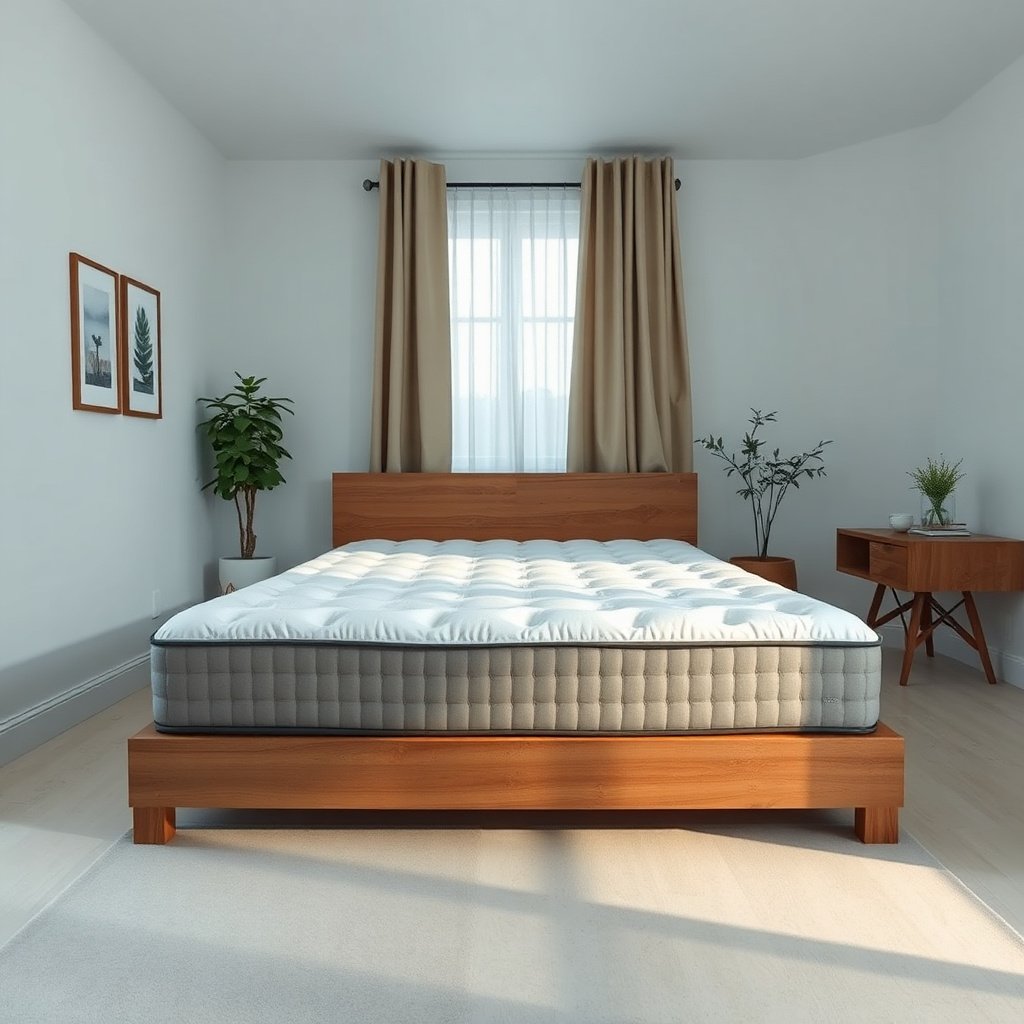
– Mold grows when moisture is trapped in porous materials like cotton; your first goal is prevention, not just cleaning. Research and building-science guidance consistently link active mold growth to sustained moisture conditions on porous surfaces (U.S. Environmental Protection Agency, 2024).
– Wash/dry all bedding completely before use, and don’t put damp items (even “slightly damp” towels) on the mattress. According to the U.S. Centers for Disease Control and Prevention (CDC), mold can start growing within 24–48 hours after water damage when conditions stay favorable (2024).
– Keep food/drinks off the bed to prevent spills from soaking into the fabric. Even a small liquid spill can create a localized damp zone that takes longer than people expect to fully dry inside cotton.
What “too damp” looks like in a shared guest room
Even when there’s no obvious leak, you can still get hidden moisture transfer: sweat, wet clothing, damp hair, or condensation from a cool mattress surface. With a cotton mattress in a shared guest room, this usually shows up first at seams, edges, and any area covered by tight or wrinkled bedding.
Add a mold-resistant mattress cover
A breathable, waterproof mattress cover is the most practical layer of defense for a cotton mattress in a shared guest room. It reduces the chance that liquids reach the cotton core while still allowing moisture vapor to escape—so you avoid “trapped condensation.”
– Choose a breathable, waterproof protector (often labeled “waterproof” + “breathable”): it blocks liquid and limits moisture reaching the cotton. The best covers handle spills (liquid barrier) without sealing the mattress into a fully airtight microclimate.
– Look for one that’s easy to remove and wash so you can keep the sleep surface clean without exposing the mattress core. In a busy shared guest room, a cover that’s difficult to launder tends to be skipped at the exact times mold risk spikes—after a spill, after sweaty stays, or after humid weather.
– Avoid fully airtight plastic-style covers that trap condensation unless you’re using them only temporarily (condensation can become a problem). Condensation happens when warm, humid air meets a cooler surface; an overly airtight barrier can keep that moisture cycling against the cotton.
Covers vs. cores: what you’re actually protecting
A mattress cover protects two different things differently:
– Liquid spills: blocked or redirected by a waterproof membrane.
– Humidity vapor: controlled by breathability so moisture doesn’t accumulate at the surface layer.
To make the trade-off clear, here’s a quick comparison:
- Breathable, waterproof fabric cover (recommended)
-
- Pros: Blocks liquid; limits moisture reaching cotton; typically helps reduce condensation buildup.
- Cons: If not removed and washed regularly, odor can build up in the cover layer.
- Best for: Ongoing use in a shared guest room where guests vary in temperature/sweat and where spills are realistic.
- Fully airtight plastic-style cover (use carefully)
-
- Pros: Strong barrier to liquid penetration.
- Cons: Can trap humidity and drive condensation against the cotton in daily use.
- Best for: Short-term protection for known incidents, while you manage drying and humidity in the room.
Air-dry and rotate the bed between guests
Drying between guests is how you protect a cotton mattress from mold without relying on aggressive chemicals. For a shared guest room, the practical target is simple: the mattress surface (and edges) should feel fully dry before you remake the bed.
– After each guest, strip the bed and let the mattress breathe for a while before remaking it (you want the surface to feel fully dry).
– Use a regular “inspection window”: check seams, edges, and any spots that looked slightly damp during the stay.
– Rotate the mattress if you can (even small changes in wear patterns can help you spot moisture issues earlier).
How long should you air-dry?
Instead of guessing a fixed time, use condition-based drying. With a cotton mattress in a shared guest room, the surface condition is what matters: if it feels cool, slightly clammy, or shows a faint darker shade at seams, it’s not dry enough yet. From day-to-day management of a guest space, we’ve found that “air longer than you think” is the safest policy after any sweaty night or accidental damp item—even when guests are certain nothing spilled.
Manage humidity in the shared guest room
Humidity control is one of the biggest drivers of whether a cotton mattress develops mold in a shared guest room. When indoor relative humidity stays in a safe band, moisture has less time to accumulate inside cotton fibers.
– Aim for indoor relative humidity around 30–50% if possible; higher humidity increases the odds of mold conditions forming. According to the U.S. Environmental Protection Agency (EPA), indoor relative humidity should generally be kept between 30% and 50% to discourage mold growth (2024).
– Improve airflow: keep vents unobstructed and, when weather allows, open windows briefly to exchange air.
– If the room stays humid, consider a dehumidifier and monitor it with a hygrometer; set it based on your room’s measured humidity rather than guesswork.
Relative Humidity Bands and Cotton-Mattress Mold Risk (Guest Rooms)
| # | Indoor RH range | Matches EPA 30–50% target? | Condensation risk on cool surfaces | Practical mold risk on cotton | Meets “RH < 60%” guidance? |
|---|---|---|---|---|---|
| 1 | 20–29% | No | Low | Lower moisture accumulation | Yes |
| 2 | 30–34% | Yes | Low | Low-to-minimal | Yes |
| 3 | 35–44% | Yes | Low | Low-to-minimal | Yes |
| 4 | 45–50% | Yes | Moderate (depends on surface temps) | Still generally manageable | Yes |
| 5 | 51–55% | No | Moderate | Growing risk, especially at seams | Yes |
| 6 | 56–59% | No | Moderate-to-elevated | High watch status | Yes |
| 7 | 60–70% | No | Elevated | Mold-friendly conditions for cotton | No |
Clean safely if mold shows up
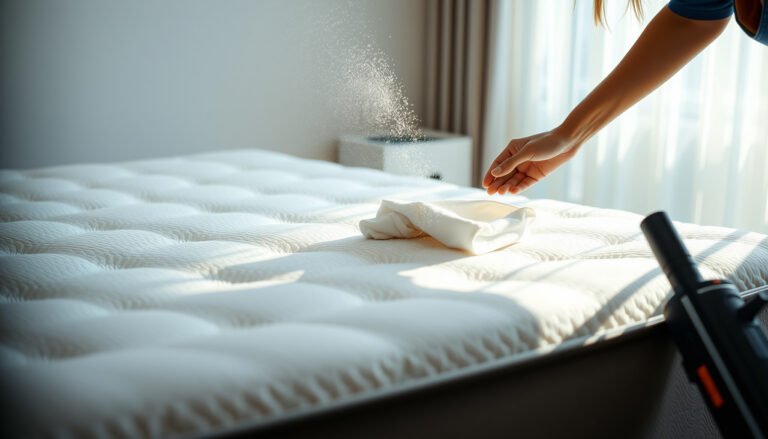
If mold appears, you still can protect a cotton mattress from returning problems—but you must clean and dry correctly. With a shared guest room, the key risk is that surface cleaning alone leaves moisture embedded in cotton.
– If you see light surface spotting, clean promptly and thoroughly, then dry completely—don’t “cover it up” and hope it stops.
– For any cleaning, follow the mattress manufacturer’s care instructions first; cotton mattresses are porous, so over-wetting can worsen things.
– If the mold has penetrated deeply, keeps coming back after cleaning, or you smell persistent mustiness, replacement is usually the safest option. A persistent musty odor is often a sign that moisture and growth sources remain (CDC, 2024).
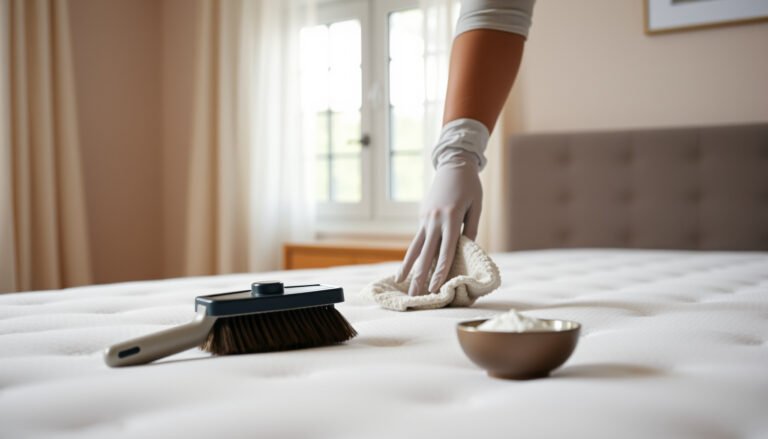
Practical cleaning principles for cotton
When you clean a cotton mattress, avoid turning it into a “soak and scrub” situation. Over-wetting can drive moisture deeper into cotton fibers, which makes drying longer and increases the chance of recurrence—especially in humid climates and during winter when HVAC cycles can create indoor moisture swings.
What can go wrong (common mistakes and edge cases)
Even good mattress covers and cleaning routines can fail when the root moisture cause remains. These shared guest room edge cases are where cotton mattresses most often “surprise” people.
– Waiting too long: mold can spread from small damp spots faster than you expect, especially along seams and under wrinkled bedding.
– Over-soaking the mattress: scrubbing aggressively or using lots of liquid can drive moisture deeper into the cotton.
– Relying only on sprays: many products may reduce odor or surface stains but don’t reliably prevent recurring mold in porous cores.
– Skipping humidity control: if the room stays damp, even a well-intended cleaning routine may not hold.
If the room is the real problem
A recurring issue that affects multiple locations in the room (walls, curtains, bedding, or floor edges) usually points to room humidity or ventilation problems rather than the cotton mattress alone. In 2026, the most reliable fix is still controlling indoor RH and improving airflow—because the mattress can’t stay mold-free if the shared guest room keeps feeding moisture.
Verdict / tip: practical protection—with real limits
A breathable, waterproof cover plus consistent drying and humidity control is the best “shared guest room” strategy for protecting a cotton mattress from mold. The downside: covers can slightly change the feel of the bed, and if you can’t reliably ventilate/dry between stays, no cover will fully solve the problem.
Skip the DIY approach (and plan for replacement) if the mattress already has widespread staining, recurring musty odors after cleaning, or you can’t keep the room dry enough for the mattress to fully dry between guests.
Quick checklist (save this)
| Task | What to check | How often |
|---|---|---|
| Waterproof + breathable cover | Snug fit, zipped edges, no gaps | Every guest stay |
| Bedding hygiene | Bedding is fully dry before use | Before each stay |
| Air time after guests | Surface feels fully dry; no damp seams | After each stay |
| Humidity monitoring | Room RH roughly 30–50% target | Weekly (or seasonally) |
| Room airflow | Vents unobstructed, doors/air paths open | Ongoing |
| Mold spotting response | Clean promptly, dry completely | As soon as noticed |
FAQ
1) Can I use a plastic mattress cover on a cotton mattress?
If it’s fully airtight, condensation can build up. If you do use something non-breathable, limit it to short-term situations and still prioritize humidity control and drying.
2) How do I know if the mold risk is from the mattress vs. the room?
If the room stays humid (or musty) and multiple surfaces show issues, the room is likely the driver. If only one bed location is affected repeatedly, the mattress area is probably retaining moisture.
3) Does vinegar or baking soda remove mold from a mattress?
They may help with odor or light surface issues, but they’re not a guaranteed fix for active mold embedded in porous materials—prompt drying and manufacturer-approved cleaning matter more.
4) What’s the biggest mistake people make with cotton mattresses and mold?
Usually it’s trying to “spray and cover” while moisture remains trapped inside the cotton, or not drying the mattress thoroughly after a spill.
5) When should I stop trying to save the mattress?
When mold keeps returning after cleaning, the musty smell doesn’t go away, or the affected area seems to have penetrated beyond surface spots.
Protecting a cotton mattress from mold in a shared guest room comes down to one principle: keep moisture from lingering long enough to feed growth. In 2026, the most effective path is prevention (dry bedding and careful spill control), a breathable waterproof cover, and humidity management that keeps indoor RH near recommended targets—then respond quickly if you ever see early spotting or musty cues.
Frequently Asked Questions
How can I stop mold on a cotton mattress in a shared guest room?
Keep the cotton mattress as dry as possible by using a breathable, waterproof mattress protector that blocks moisture while letting vapor escape. Run a dehumidifier if humidity is often above 50–55%, and ensure the room has airflow with fans or an open vent when weather allows. After each guest stay, allow the mattress to fully air out before covering it again to prevent trapped condensation.
What’s the best way to clean a cotton mattress to prevent mildew?
Vacuum the mattress surface regularly and spot-clean stains quickly using a mild detergent mixed with water, then blot dry thoroughly. Avoid soaking the cotton layers—excess water can worsen mold risk. If you notice musty odors, lightly mist with a solution of water and white vinegar (lightly, not wet) and let the mattress dry completely, ideally with airflow and a fan.
Which humidity level is safest for a cotton mattress to reduce mold growth?
Mold risk increases when indoor humidity stays high for prolonged periods, typically above about 60%. Aim to maintain indoor humidity around 40–55% in a shared guest room, especially when multiple guests come and go. Using a hygrometer helps you track conditions and adjust a dehumidifier or ventilation before problems start.
Why does a cotton mattress develop mold more easily in guest rooms, and how do I address it?
Cotton mattresses can absorb moisture from sweat, humid air, and wet bedding, and mold thrives when moisture remains trapped in the fibers. Shared guest rooms often have inconsistent ventilation and quicker turnaround between stays, which can leave the mattress damp. Address this by using a high-quality breathable protector, washing bedding promptly, and ensuring the mattress has adequate drying time between guests.
How do I protect a cotton mattress from mold if guests arrive with different bedding habits?
Use a consistent system: provide clean fitted sheets every time, and keep a waterproof-but-breathable mattress cover in place so moisture can’t reach the cotton. Encourage guests to avoid placing damp items directly on the mattress and to remove wet clothing before bedding. When a guest leaves, strip the bedding immediately, air the mattress for several hours with a fan, and check for damp smells or visible moisture before the next stay.
📅 Last Updated: November 25, 2026 | Topic: How to Protect a Cotton Mattress from Mold in a Shared Guest Room | Content verified for accuracy and freshness.
References
- https://www.cdc.gov/mold/default.htm
- Mold | US EPA
- https://www.epa.gov/indoor-air-quality-iaq/controlling-moisture-home
- Mold Remediation in Schools and Commercial Buildings Guide: Chapter 1 | US EPA
- Mold | National Institute of Environmental Health Sciences
- https://www.who.int/publications/i/item/9789241541471
- https://extension.umn.edu/indoor-air-quality/mold-and-mildew
- https://scholar.google.com/scholar?q=mattress+mold+prevention+humidity+drying Google Scholar
- https://scholar.google.com/scholar?q=relative+humidity+threshold+for+mold+growth+indoor+environment Google Scholar
- https://scholar.google.com/scholar?q=upholstery+fabric+mold+removal+cleaning+drying+methods Google Scholar



One Comment