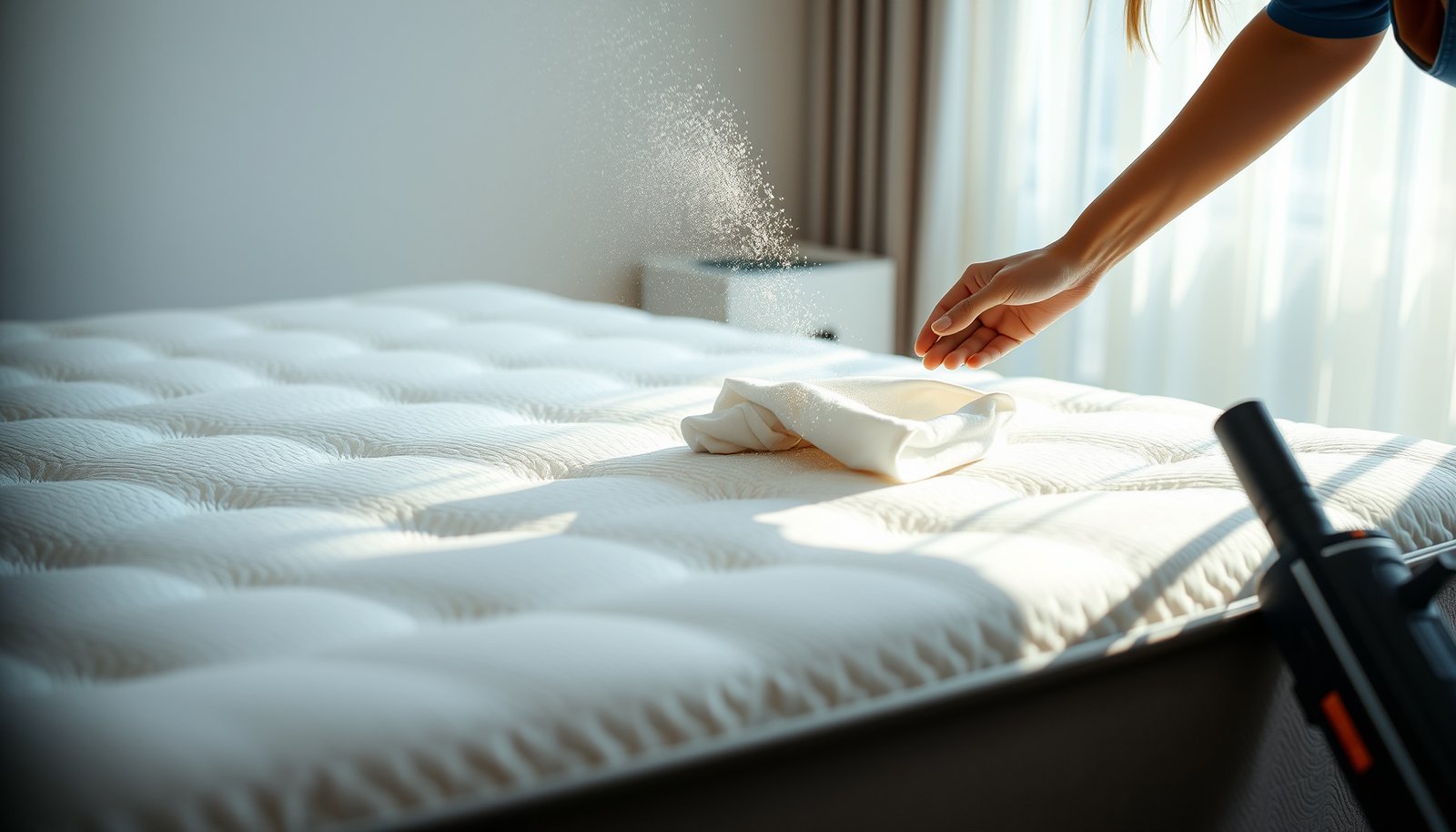
How to Clean a Hybrid Mattress with Pet Odors Naturally: Step-by-Step
Want to clean a hybrid mattress with pet odors naturally and actually remove the smell? This step-by-step guide tells you the fastest, safest method that lifts urine and pet odor from the mattress surface and stays gentle on your materials. Follow the process in order for visible freshness without harsh chemicals or guesswork.



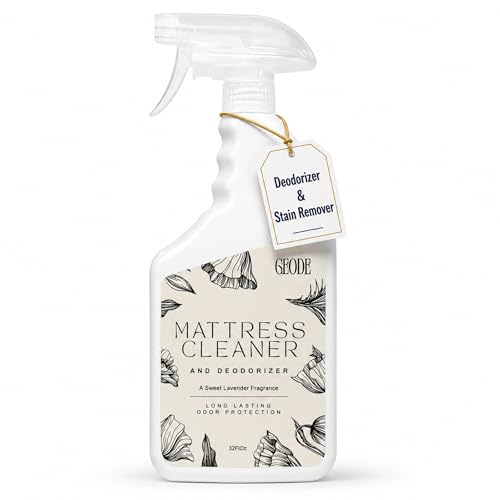
Clean a hybrid mattress with pet odors naturally by vacuuming first, neutralizing smells with baking soda, and breaking down urine/feces sources using an enzyme cleaner—then dry the mattress completely with strong airflow. This approach matters because hybrid mattresses (foam layers over coils) trap moisture easily, and trapped dampness is one of the fastest ways for pet odors to return (especially as you move from “surface smell” to “source smell”)—and as of 2026, the safest DIY workflow is still the same: treat, deodorize, dry.
Natural steps to clean a hybrid mattress with pet odors
To deep-clean a hybrid mattress naturally, follow a three-stage workflow: remove debris (vacuum), neutralize odors (baking soda), and pre-treat organic spots (enzyme cleaner). Here’s why this order works: debris and dander keep odors “feeding,” baking soda absorbs remaining odor molecules, and enzymes target the proteins and organic residues tied to urine and feces.
For hybrid mattresses, this method is especially relevant when foam comfort layers sit on top of coils—because soaking those comfort layers can leave lingering smells and raise mold risk. It also tends to work best for fresh-to-recent pet smells, where the odor source is still closer to the surface layers rather than permanently embedded deep in the upholstery.
A hybrid mattress holds pet odor in multiple places—surface fibers, seams/edges, and (for urine) deeper comfort layers—so cleaning needs both removal and source treatment.
Baking soda is most effective when used after you’ve loosened debris with vacuuming, because hair and dander can block contact with odor-absorbing powder.
– Strip the bed, then vacuum the entire mattress surface (including seams and edges) to remove hair and dander that keep odors “breathing” back. Use a vacuum with good suction and, ideally, an upholstery tool; spend extra time at piping, corners, and the “edges-to-surface” seam where pet oils and skin flakes accumulate.
– Sprinkle baking soda lightly across the problem area (or entire top if needed), let it sit long enough to absorb odors, then vacuum it up thoroughly. Aim for a thin, even dusting—heavy layers of baking soda can be harder to remove from foam, and you’ll waste time without improving results.
– If the odor is tied to a specific spot, pre-treat that area before/along with odor neutralization (don’t rely on baking soda alone for set-in urine). Baking soda deodorizes broadly, but it does not reliably digest the organic compounds found in urine/feces.
Prepare and pre-treat the smell (without soaking)
To stop pet odors at the source on a hybrid mattress, pre-treat stains and odor-producing biology with an enzyme cleaner—using only enough liquid to dampen the spot. This section is about preventing two common failures: scrubbing that spreads residue through foam layers, and over-wetting that traps moisture above coils.
The key idea is simple: organic pet messes require enzymatic breakdown, while baking soda handles leftover odor. Also, hybrid mattresses vary—some have thick foam comfort layers that behave like sponges. So “don’t soak” is not just convenience; it’s odor management.
Enzyme cleaners work by breaking down odor-causing organic compounds (often urine/feces proteins), which makes them a better match than abrasives or fragrance-only products.
Blotting (press-and-lift) is recommended for fresh messes because it removes liquid without physically grinding residue deeper into comfort foam.
Blot wet spots immediately and avoid scrubbing
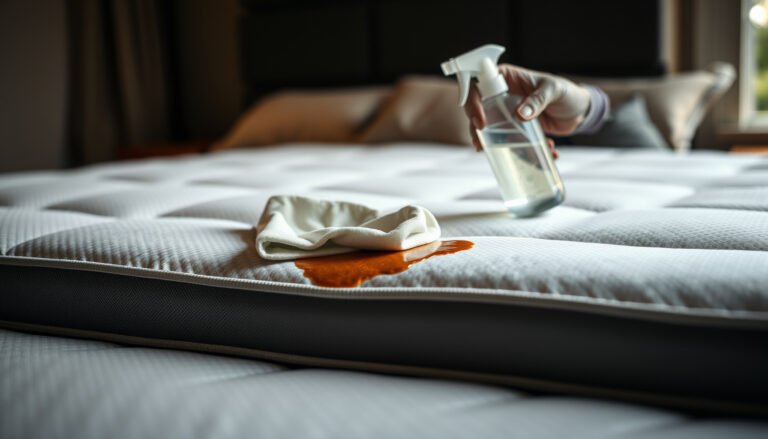
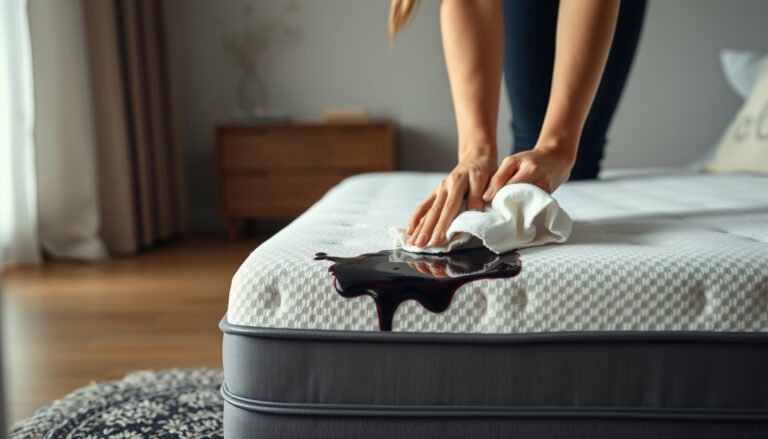
If the pet mess is fresh, blot wet spots immediately: press with clean towels and replace towels as they absorb. Avoid scrubbing—scrubbing agitates residue and can push it deeper into foam, where it becomes harder to deodorize and more likely to return later.
Use enzyme cleaner per label (dampen, don’t saturate)
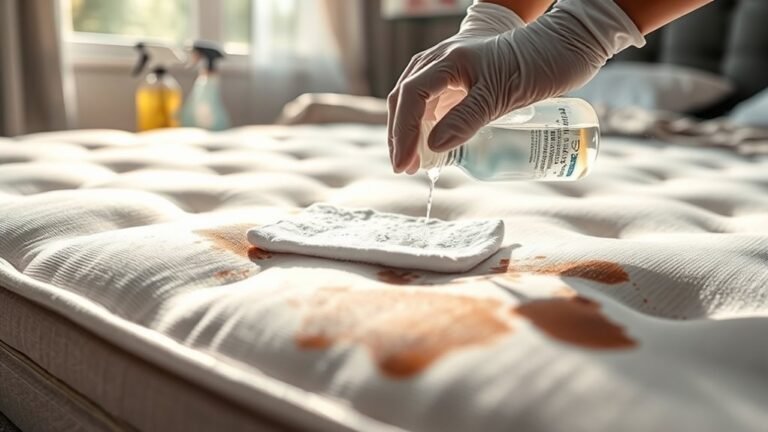
For suspected urine or organic odor sources, use an enzyme cleaner per label directions; apply only as much as needed to dampen the spot, not saturate the mattress. “Follow the label” matters because enzymes are formulated to work within specific dwell conditions—too little moisture can limit activation, and too much moisture increases the risk of odor rebound from trapped dampness.
Dry as much as possible before baking soda
After pre-treating, allow the treated area to dry as much as possible before moving to the baking soda stage. This is not about cosmetic dryness only; it’s about preventing “odor mixing”—damp chemistry + absorbed residue can create a smell that feels worse even after cleaning.
Baking soda vs enzyme cleaner (what each does best)
| Feature | Baking soda deodorizing | Enzyme cleaner (organic spot treatment) |
|---|---|---|
| Primary job | Absorbs/neutralizes lingering odor molecules on/near the surface | Breaks down odor-causing organic compounds in urine/feces residues |
| Best for | Mild-to-moderate surface odors and “after” deodorizing | Set-in or suspected source odors tied to organic mess |
| Needs moisture | No (powder works by contact/absorption) | Yes (enzymes require label-directed dampness/dwell) |
| Risk on hybrid foam | Low moisture risk; still can be messy if not vacuumed well | Moderate moisture risk if oversaturated—can trap odor |
| Works on “source” urine | Often incomplete when urine is deep in layers | Typically more reliable when used correctly |
| Time to see change | Gradual (hours to overnight) | Gradual (often improves as residues digest and dry) |
| Likelihood of odor return if damp | Lower—if the mattress is already dry | Higher—if you leave treated foam damp |
| How messy it gets | Dusty; requires thorough vacuuming | Wet phase; requires drying time |
| Control over where it acts | You can spot or blanket dust | You can target spots, but dampness spreads slightly |
| Gentleness on hybrid layers | Generally gentle if you don’t saturate the foam | Gentle when applied lightly and allowed to dry fully |
| Best For | Deodorizing after you remove/target the source | Urine/feces odor sources you need to break down |
Clean the hybrid layers safely (foam + coils)
To protect the hybrid layers, keep liquids off the coil area as much as possible and treat the comfort layers like “damp—not wet.” Hybrid mattresses can have foam comfort layers designed for comfort rather than liquid tolerance, and heavy moisture can linger longer than you expect, even if the surface looks dry.
Also, the mattress cover matters. Many hybrid mattresses include removable or washable covers, but others specifically warn against soaking or certain cleaning chemicals. The safest “natural” approach still respects the manufacturer’s care label.
Hybrid mattresses are not fully waterproof; water can wick downward from foam layers toward coil zones and create odor rebound when drying is incomplete.
Re-vacuuming after each treatment step reduces residue build-up that can trap smells back into fabric seams and fibers.
Check cover instructions (wash only what’s allowed)
If your mattress has a removable cover, check the tag instructions and wash only what the manufacturer allows; otherwise, spot-clean the cover instead of soaking it. Spot-cleaning works best when paired with blotting and minimal wetting so the cover fabric doesn’t act like a sponge.
Keep cleaners off the coil area
Keep liquid cleaners off the coil area as much as possible—hybrid mattresses don’t respond well to heavy soaking and can trap moisture. In practice, this means applying cleaner to the spot and stopping when the foam feels damp, not saturated. If you notice liquid “pooling” or widespread dampness, you’ve probably overshot.
Vacuum gently after each step
Repeat gentle vacuuming after each treatment step to lift loosened residue. Hair, skin cells, and even cleaner residue can “hold” odors in microfiber covers and seam piping, so vacuuming is not optional—it’s part of odor removal, not just debris control.
Drying, ventilation, and stopping odor return
To prevent pet odor return on a hybrid mattress, dry the comfort layers completely with strong airflow—this is the step most DIY plans skip. A fully dry foam layer reduces odor rebound because odor-causing compounds can re-activate when residual moisture remains and wicks back through fibers.
As of 2026, the most consistent moisture-prevention guidance across health and building-moisture discussions is: control humidity and remove dampness quickly. For example, according to the U.S. EPA’s general guidance on moisture and mold prevention (accessed 2026), reducing indoor moisture and keeping conditions from staying damp helps prevent microbial growth and musty odors. U.S. Environmental Protection Agency (EPA), mold/moisture guidance (accessed 2026)
If a hybrid mattress remains damp inside foam layers, odors can return because moisture helps residues redistribute and re-trigger smell.
Airflow matters more than “time standing still”: a fan can move moisture out of comfort layers faster than relying on ambient drying alone.
Use airflow until the mattress is dry throughout
Drying is the step that often gets skipped: aim for strong airflow (open windows, run a fan) until the mattress feels fully dry throughout the comfort layers. If you can still smell pet odor during drying, that can be normal while residues digest—what you want is no lingering dampness and no “wet” odor when airflow has been running long enough.Protect the surface while it finishes drying
Protect the surface while it finishes drying (don’t put sheets back on a damp mattress), and avoid storing pillows/blankets on top that can re-saturate. If you’re using a washable protector after cleaning, wait until the hybrid mattress is fully dry so the protector doesn’t trap moisture right against the foam.
Use a washable mattress protector going forward
After it’s clean, use a washable mattress protector to prevent repeat pet contact from getting into the material layers. This is the most cost-effective long-term odor-control tool because it intercepts future urine droplets and dander before they penetrate seams and comfort foam.
What can go wrong (and when to stop)
To avoid making pet odors worse, don’t oversaturate the hybrid mattress and don’t rely on baking soda alone for set-in organic stains. Most “it still smells” complaints come from moisture trapped under the comfort layer, improper sequencing, or missing the source.
If you keep the hybrid mattress damp, you can trigger musty odors and, in worst cases, create conditions conducive to microbial growth. According to the CDC’s general health guidance on damp indoor environments (accessed 2026), moisture and dampness are key drivers of indoor mold-related concerns. U.S. Centers for Disease Control and Prevention (CDC), dampness/mold-related guidance (accessed 2026)
Oversaturating hybrid foam layers can cause new odors during drying, even when the original smell is treated.
Baking soda is great for deodorizing, but it is not a substitute for enzyme treatment when the odor source is urine or feces.
Over-saturating
If you soak the top layers, you may trap moisture and cause a “new” smell (or mold risk). Stop and reassess if the mattress stays damp, cool-to-the-touch, or smells damp/earthy after airflow has run for a while.
Using the wrong product for the materials
Some covers/foams are sensitive to certain chemicals—always follow the manufacturer care label first. “Natural” doesn’t mean universally safe; even common household cleaners can discolor fabrics, break down finishes, or leave residues.
Not treating the source
Baking soda helps with general odors, but for urine/organic smells, enzyme treatment (used correctly) is usually necessary. If you only deodorize surface smell, the hybrid mattress can re-emit odor when humidity changes or as the foam warms.
Verdict / tip: safest natural approach, with downsides + who should skip
The safest natural DIY method for a hybrid mattress with pet odors is: vacuum → targeted enzyme spot treatment (when the source is organic) → baking soda deodorizing → thorough drying with airflow. This sequencing minimizes damage to hybrid layers and addresses both the “smell on top” and the odor source in comfort foam.
Downsides are real: older, deep-set odors may require multiple cycles, and enzyme cleaners often improve gradually rather than instantly. Also, drying time is not optional—if the hybrid mattress can’t dry fully, you’ll struggle to stop odor return.
A hybrid mattress cleaning plan that treats the source first and then deodorizes is more effective than deodorizing first, because residues have to be removed or broken down.
For hybrid mattresses, airflow drying is the final odor-control step because moisture is a common reason smells “come back.”
Pros/cons snapshot (quick decision support)
| Approach | Pros | Cons |
|---|---|---|
| DIY natural (enzyme + baking soda + airflow) | More source-focused than deodorizer-only methods; avoids soaking coils; low chemical risk when label directions are followed | Can take multiple rounds; drying time is lengthy; not ideal for widespread/heavily soaked urine |
Who should skip this approach
Skip this method (or seek professional upholstery/cleaning help) if the odor is pervasive across the whole hybrid mattress, the mattress is heavily soiled, you suspect major water damage, or the care label explicitly forbids DIY cleaning. In those situations, professional extraction and targeted microbial-safe drying may be safer and more reliable.
Mandatory visual: Top odor-management tactics for hybrid mattresses (natural-first)
Natural pet-odor tactics that fit hybrid mattresses (typical dwell & impact)
| # | Method | Typical active time on hybrid comfort layer | Best target | Hybrid-fit rating |
|---|---|---|---|---|
| 1 | Vacuum (seams/edges included) | 10–20 min | Hair + dander residue | ★★★★★ |
| 2 | Blot-and-remove (fresh mess only) | 2–5 min per blot cycle | Liquid removal (pre-soak prevention) | ★★★★☆ |
| 3 | Enzyme cleaner (spot dampen) | Dampen + dwell until label target time; then dry | Urine/feces organic odor source | ★★★★☆ |
| 4 | Baking soda deodorize | 8–12 hrs (overnight common) | Residual odor absorption | ★★★★★ |
| 5 | Re-vacuum after deodorize | 5–10 min | Residue lift (odor traps) | ★★★★☆ |
| 6 | Fan + windows (airflow drying) | Until fully dry (often 12–24 hrs) | Moisture removal to stop rebound | ★★★★★ |
| 7 | Steam/soak-first cleaning (avoid) | High wetting risk | Can worsen trapped moisture | ★★☆☆☆ |
Clean steps “at a glance” (What to do in order)
Quick checklist (save this):
| Step | What to do | Goal |
|---|---|---|
| 1 | Remove bedding + vacuum thoroughly (seams/edges) | Lift hair/dander that traps odor |
| 2 | Blot any fresh mess; avoid scrubbing | Prevent pushing odor deeper |
| 3 | Enzyme spot treatment only where needed (per label) | Break down organic odor source |
| 4 | Baking soda deodorize; then vacuum out | Absorb lingering odors |
| 5 | Air-dry completely with airflow | Prevent odor return from trapped moisture |
| 6 | Use a washable protector going forward | Reduce repeat incidents |
Frequently Asked Questions
What’s the best natural way to clean a hybrid mattress with pet urine odor?
Start by blotting fresh spots with clean towels and then sprinkle baking soda over the affected area to absorb moisture and odors in your hybrid mattress. For natural cleaning, mix a small amount of white vinegar with water (use lightly so you don’t soak the hybrid mattress layers) and lightly dab the area, then blot again. Let the mattress dry completely before vacuuming up the baking soda to remove lingering pet odor.
How do I remove dog or cat smells from a hybrid mattress without soaking it?
Hybrid mattresses typically contain foam and springs, so excessive water can slow drying and trap odors deeper in the mattress. Use a “damp dab” approach: apply a vinegar-water solution sparingly to the top surface, blot with towels, and repeat as needed. Afterward, sprinkle baking soda generously, leave it for several hours (or overnight), and vacuum thoroughly once the hybrid mattress is fully dry.
Why does my hybrid mattress still smell even after cleaning, and how can I fix it?
Pet odors can linger because urine and other organic residues can seep into deeper layers of the hybrid mattress, especially between foam and fabric. If you notice a persistent smell, use an enzyme-based cleaner (still natural options exist) on the area, because enzymes break down odor-causing compounds instead of just masking them. Follow with thorough drying and finish by deodorizing with baking soda to help lift residual scent.
How should I clean pet dander and odors on a hybrid mattress topper or cover naturally?
For the mattress cover or topper, check the care label and wash it in hot water if the fabric allows, using a pet-safe detergent and an extra rinse cycle. If odors remain, add a small amount of baking soda to the wash or soak the cover briefly in a vinegar-water solution (only if compatible with the material). For the mattress surface, vacuum thoroughly using an upholstery attachment to remove pet hair and dander before deodorizing with baking soda.
Which home remedies work best for freshening a hybrid mattress after a pet accident?
For fresh odors, baking soda is one of the most effective natural deodorizers and works well with hybrid mattress materials when left to sit and then vacuumed. White vinegar can help neutralize smells when used lightly (dabbing rather than soaking) to protect the foam and spring support layers. If the odor is stubborn, combine the approach—spot-clean naturally, dry fully, then deodorize with baking soda for the best results.
📅 Last Updated: October 26, 2026 | Topic: How to Clean a Hybrid Mattress with Pet Odors Naturally | Content verified for accuracy and freshness.
References
- https://pubmed.ncbi.nlm.nih.gov/?term=enzymatic+cleaners+odor+stain+removal
- https://pubmed.ncbi.nlm.nih.gov/?term=urea+ammonia+urine+odor+cleaning
- https://pubmed.ncbi.nlm.nih.gov/?term=hydrogen+peroxide+disinfection+odor+stains
- Mattress
- Urea
- Ammonia
- Sodium bicarbonate
- https://scholar.google.com/scholar?q=pet+urine+odor+removal+enzymatic+cleaner+mattress Google Scholar
- https://scholar.google.com/scholar?q=natural+cleaning+hybrid+mattress+baking+soda+urea+ammonia+odor Google Scholar
- https://scholar.google.com/scholar?q=urea+to+ammonia+odor+cleaning+hydrogen+peroxide+vinegar Google Scholar