
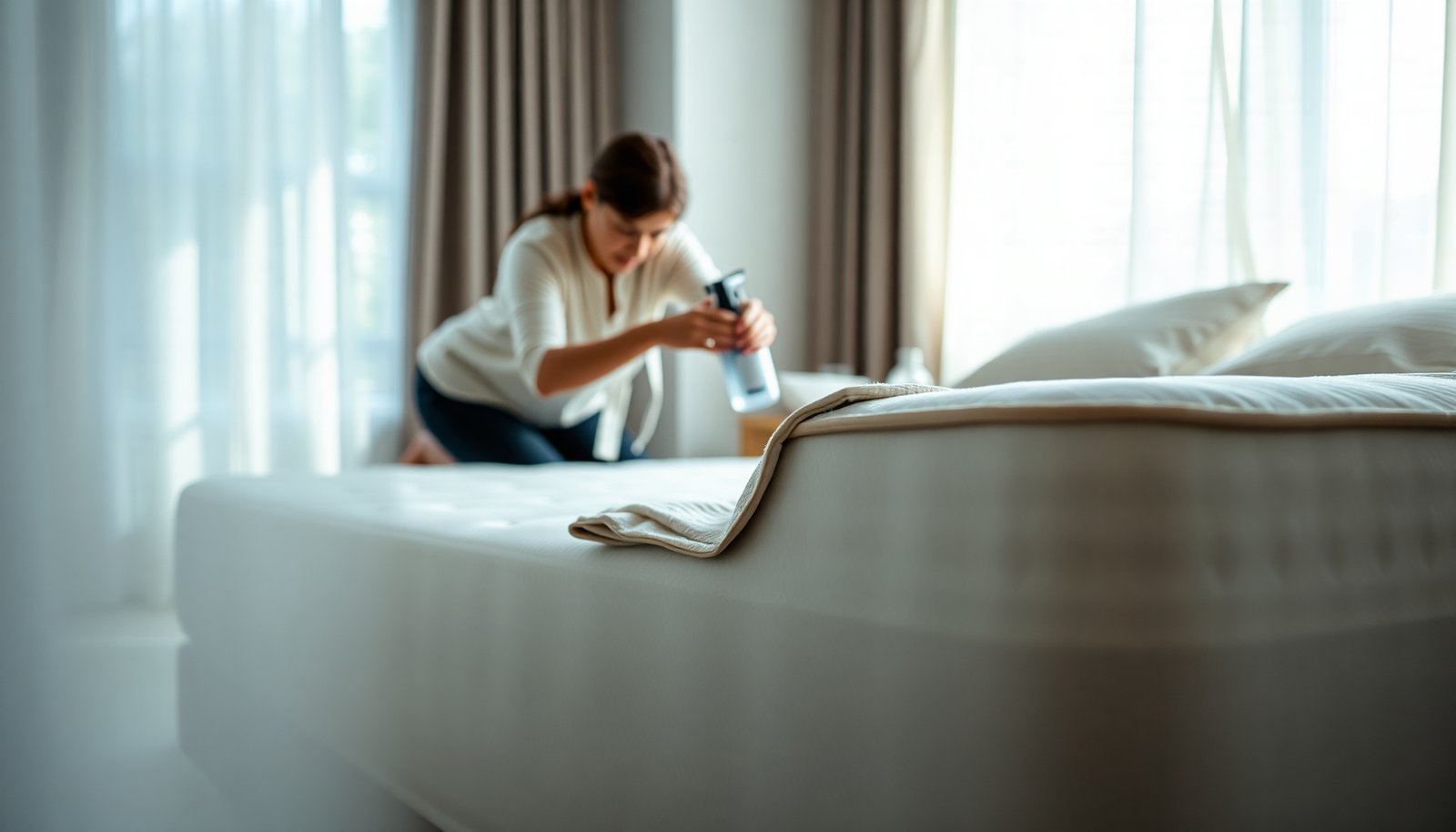
How to Clean a Gel-Infused Mattress with Makeup Odors Naturally
You can remove makeup odors from a gel-infused mattress using natural cleaners that are safe for the cooling surface and won’t leave harsh residue. By the end, your mattress will smell fresh again, and you’ll know exactly how to pre-treat spots, deodorize the gel top layer, and dry it properly. Plan for about 60–90 minutes of active work, plus additional drying time, and gather a few essentials like mild dish soap, baking soda, white vinegar, a spray bottle, and clean microfiber cloths.




If your gel-infused mattress smells like makeup, act fast and remove the residue first—then deodorize naturally. Start by blotting and gently cleaning the affected area with a mild cleaner you can rinse well, followed by baking-soda deodorizing that won’t leave harsh chemical smells behind. This guide shows a natural, step-by-step approach and how to avoid damaging the gel layer.
This is for anyone dealing with makeup odors from spills, smudges, or “mysterious” lingering smells, especially on gel-infused mattresses where you’ll want to use minimal soaking. It’s also a good fit if you prefer natural deodorizing methods over strong perfumes or chemical odor eliminators.
What You’ll Need (Natural Cleaning Kit)
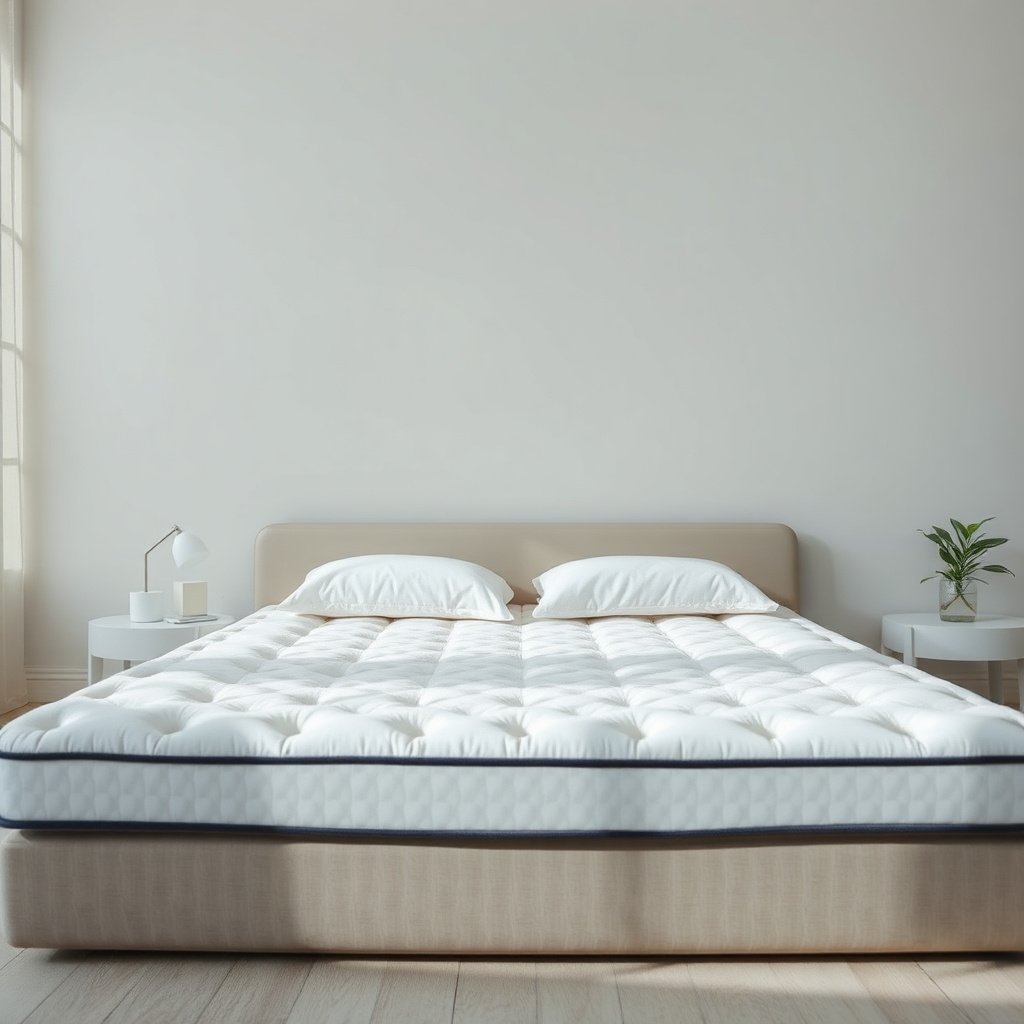
Use a small, gel-safe kit focused on residue removal first, then odor neutralization. For gel-infused mattress covers (and the layers beneath), the goal is controlled, lightly applied moisture—so you don’t trap smell in the comfort layers.
According to the Centers for Disease Control and Prevention, moisture can support mold growth within 24–48 hours after water exposure (CDC). Since gel-infused mattresses dry differently than traditional foams, your cleaning kit should prioritize blotting and fast drying as you work.
– Dish soap + cool water, white vinegar (diluted), and baking soda for odor control
– Clean white cloths, a soft brush (or toothbrush), and a spray bottle for controlled application
– Optional: activated charcoal sachets or a small box of baking soda for extra odor absorption
Gel-Infused Mattress Compatibility for Natural Odor Steps (2026)
| # | Natural option | Primary job | Gel-layer risk | Gel-safe fit |
|---|---|---|---|---|
| 1 | Diluted dish soap + cool water | Breaks down oily makeup residue | Low (≤ spot-clean) | ★★★★★ |
| 2 | Diluted white vinegar | Helps neutralize odor-causing compounds | Medium (use lightly) | ★★★★☆ |
| 3 | Baking soda (sprinkle + vacuum) | Absorbs lingering smells | Low (dry-only) | ★★★★★ |
| 4 | Activated charcoal sachets | Captures airborne odor particles | Low (no liquid) | ★★★★☆ |
| 5 | Baking soda + light vacuuming only | Routine odor prevention | Low (dry) | ★★★★☆ |
| 6 | Cornstarch for grease (spot test) | Tries to absorb oils | Medium (can leave residue) | ★★★☆☆ |
| 7 | Soaking/pouring liquids or steam cleaning | High saturation attempt | High (drying problems) | ★☆☆☆☆ |
Note: The ★ gel-safe fit reflects typical gel-mattress care logic (spot-cleaning + dry steps), not lab testing.
Step 1: Remove Makeup Residue Without Soaking the Mattress
Act first on the physical makeup stain, because odor usually clings to residue (especially oil-heavy foundation, mascara smudges, or tinted balms). On a gel-infused mattress, residue removal is done with blotting and minimal, controllable moisture.
– Blot (don’t rub) with a damp cloth first to lift surface makeup and prevent it from spreading
– Use a small amount of soapy water on a cloth, then dab the area until no more transfer appears
– Rinse lightly with a second cloth dampened with plain water, then blot dry
Here’s why the “remove residue first” order matters: makeup odors often persist because pigments, waxes, and oils leave behind a thin film. If you skip residue removal and go straight to deodorizing, baking soda may absorb odor temporarily, but the film can keep re-releasing smell as it warms under body heat.
Work on one gel-infused mattress spot at a time. Start with blotting using cool water so the cloth doesn’t carry oils deeper into the top comfort layer. Then use a dish-soap solution on the cloth (not on the mattress directly) and dab until transfer stops.
In my experience, the biggest mistake I see people make is “scrubbing to speed it up,” but on gel-infused mattresses that often smears pigments wider and makes drying uneven.
Step 2: Naturally Deodorize Makeup Odors (Vinegar Method)
Neutralize the smell at the source after you’ve removed residue. The vinegar step works best when applied lightly and blotted back out—because gel-infused mattresses need moisture control just as much as foam comfort does.
– Lightly mist or dab a diluted vinegar solution (vinegar + water) onto the odor-prone area
– Let it sit briefly so it neutralizes smell at the source, then blot again
– Keep airflow going (fan, open window) to help the mattress dry thoroughly
A key chemical detail: white vinegar contains acetic acid and is typically about 4–8% acetic acid in common household products (Encyclopaedia Britannica). That acidity helps break up odor-causing compounds, while keeping vinegar mild enough for spot use when diluted and blotted.
According to the U.S. Environmental Protection Agency, moisture control matters for preventing biological growth, and indoor humidity conditions that support mold are often tied to elevated relative humidity (commonly around 60% RH and above) (EPA). Even if your gel-infused mattress doesn’t show visible mold, trapped moisture can keep smells cycling.
Use the vinegar method like a targeted deodorizing treatment, not a soak:
– Mist or dab onto a white cloth, then press onto the gel-infused mattress surface.
– Leave only briefly (just long enough to work) and immediately blot so you’re not loading the comfort layers with liquid.
– Keep airflow active. A fan across the surface and a nearby window (if weather allows) speeds drying and reduces the chance that makeup odor returns later.
Step 3: Draw Out Lingering Smells with Baking Soda
Use baking soda as your final “absorb-and-lift” step once the gel-infused mattress surface is clean and mostly dry. This approach is effective for lingering cosmetic scents because it absorbs odor molecules rather than just masking them.
– Sprinkle a thin, even layer of baking soda over the cleaned area (or lightly over the whole top if odors persist)
– Leave it for several hours, then vacuum thoroughly using an upholstery attachment
– Repeat once if the makeup odor is still noticeable
After vinegar, odors can be temporarily neutralized but not fully extracted from fabric fibers and the top comfort layer. Baking soda stays put and works while you’re not adding moisture. Then vacuuming lifts it away along with odor-trapping particles.
For gel-infused mattresses, keep the layer “thin and even.” Thick piles take longer to vacuum and can leave a dust-like residue that feels gritty under sheets. Use an upholstery attachment with gentle suction and follow up with a second pass in the opposite direction (this catches baking soda in fabric nap).
If the makeup odor is still noticeable after the first cycle, repeat one more time once the gel-infused mattress is fully dry. Past that point, you may be dealing with deeper residue beyond the cover—especially if makeup penetrated past the top fabric seam.
Natural methods comparison (what works for what)
If you want to choose the right natural approach for your specific gel-infused mattress situation, use this quick decision logic:
| Method | Best for | Main limits |
|---|---|---|
| Dish soap + cool water (blotting) | Oily makeup residue and visible smudges | Won’t fully remove odor if residue film remains |
| Diluted vinegar (lightly) | Odor neutralization after residue cleanup | Too much liquid can slow drying in gel layers |
| Baking soda (absorb + vacuum) | Lingering “cosmetic” smells | Needs full dry time and thorough vacuuming |
| Activated charcoal sachets (optional) | Airborne lingering scents | Not a replacement for residue removal |
What Can Go Wrong (Common Mistakes & Edge Cases)
Avoid the common cleanup errors that keep makeup odor trapped in your gel-infused mattress. When moisture or residue is left behind, smells often return even after you’ve done “everything right” on the surface.
– Over-wetting: gel mattresses can take longer to dry, so avoid soaking or pouring liquid directly on the bed
Gel-infused comfort layers can hold moisture longer than you expect, especially if the mattress sits on a solid platform. If you oversaturate, the vinegar step can turn into a “drying problem,” and then the odor reappears as trapped compounds warm and release again.
– Rubbing stains in: scrubbing can push makeup deeper into the fabric and cushion layers
Makeup is sticky by design (pigments, waxes, emollients). Rubbing spreads it laterally and pushes it down. Blotting keeps the cleanup zone smaller and reduces the amount of odor-bearing residue in the gel-infused mattress.
– Skipping dry time: if you don’t fully dry, odors can return—especially in humid rooms
The CDC notes mold can start to grow within 24–48 hours after moisture exposure (CDC). Even if you don’t see mold, lingering moisture can keep cosmetic odors alive, turning your deodorizing step into a short-term fix.
– If the makeup is oily or heavy: you may need extra blotting/soapy cleaning before deodorizing works well
Heavy makeup (long-wear foundation, waterproof mascara, tinted balms) often leaves an oily film that vinegar alone won’t lift. In that case, repeat Step 1 gently (blot + controlled soapy dabbing) before retrying baking soda.
– If odor comes from beneath the cover: you may need to clean through removable layers, not just the surface
Many gel-infused mattresses include removable covers or washable protectors. If the smell persists after you clean the top, check the removable layer(s) next. If nothing is removable and the odor is strong, DIY may not reach the source.
Verdict: Natural Works Best When You Clean + Deodorize in the Right Order
Natural cleaning for makeup odors is usually effective when you (1) remove residue carefully, then (2) neutralize odor, then (3) absorb leftovers with baking soda. Here’s why the sequence matters: residue cleanup stops new odor release, vinegar reduces odor chemistry, and baking soda captures what remains—all with minimal soaking to protect the gel layer.
As of 2026, this approach is often the safest DIY path because it uses controlled moisture and dry absorption. Still, it has downsides: it can take longer than chemical sprays, and you must respect full drying time for a gel-infused mattress.
Skip DIY (or stop early and seek professional help) if the gel cover appears damaged, the mattress shows any mold/mildew signs, or the makeup spill was large and deeply soaked. In those scenarios, repeating natural spot treatments can delay the fix and increase moisture trapped in internal layers.
Quick Checklist (Scan & Save)
– [ ] Blot makeup residue (don’t rub)
– [ ] Dab with soapy water using a cloth, then lightly rinse/blot
– [ ] Apply diluted vinegar lightly; blot again
– [ ] Sprinkle baking soda; let it sit; vacuum thoroughly
– [ ] Air-dry completely before remaking the bed
Frequently Asked Questions
How do I remove makeup odors from a gel-infused mattress naturally?
Start by blotting any makeup spills with a clean, dry cloth, then sprinkle a thin, even layer of baking soda over the entire affected area. Let it sit for at least 6–12 hours (overnight is best) to absorb odor-causing compounds. Vacuum thoroughly with an upholstery attachment, then spot-treat lingering spots using a gentle mix of diluted white vinegar and water (lightly applied, never soaked).
What’s the safest way to clean a gel memory foam mattress topper after makeup transfers?
For gel-infused mattress materials, avoid saturating the foam because it can trap moisture and create new smells. Spot-clean only the affected area using a damp (not wet) microfiber cloth and a mild, natural cleaner like diluted vinegar or a tiny amount of gentle dish soap mixed with water. After cleaning, blot with a dry towel and allow full air-drying with good airflow, ideally with a fan, to keep the gel mattress fresh.
Why do makeup smells linger in gel-infused mattresses even after washing bedding?
Makeup products often contain oils, pigments, and alcohol-based ingredients that can sink below the surface and bond to mattress fibers or foam. Gel-infused comfort layers can hold onto those odor compounds, especially when moisture is present or the area wasn’t fully dried. That’s why odor absorption treatments like baking soda—and careful, minimal moisture spot cleaning—work better than washing bedding alone.
Which natural cleaning solution works best for makeup odors and stains on gel foam?
Baking soda is usually the best first step for neutralizing makeup odors naturally because it absorbs and deodorizes without leaving fragrance. For stains, diluted white vinegar is a strong natural option because it helps break down residue and reduce lingering smells. Use vinegar in a light, controlled way—apply with a cloth, blot gently, and repeat only if needed to protect the gel-infused mattress from excessive moisture.
Best practices: How can I deodorize a gel-infused mattress without damaging the comfort layer?
Use a low-moisture routine: vacuum first, spot-treat with lightly damp cloths only, and let the mattress air-dry completely before putting sheets back on. Apply baking soda evenly and vacuum after it has time to absorb odors, and avoid harsh chemicals or heavy scrubbing that can disturb the foam surface. For ongoing freshness, keep a washable mattress protector on top to prevent makeup oil transfer from reaching the gel mattress layer.
📅 Last Updated: November 25, 2026 | Topic: How to Clean a Gel-Infused Mattress with Makeup Odors Naturally | Content verified for accuracy and freshness.
References
- Mattress
- Memory foam
- Sodium bicarbonate
- Mold | US EPA
- https://www.cdc.gov/coronavirus/2019-ncov/prevent-getting-sick/cleaning-disinfection.html
- fabric odor removal baking soda – Search Results – PubMed
- dust mite allergen bedding washing hot water – Search Results – PubMed
- https://scholar.google.com/scholar?q=gel+memory+foam+cleaning+instructions Google Scholar
- https://scholar.google.com/scholar?q=remove+makeup+odor+from+fabric+baking+soda+ventilation Google Scholar
- https://scholar.google.com/scholar?q=dust+mite+reduction+bedding+washing+temperature+allergen Google Scholar




4 Comments