

How to Choose a Soft Mattress for Back Sleepers: Key Tips
Can a soft mattress support your spine when you sleep on your back? Yes, but only if you select the right balance of contouring and pushback so your hips and shoulders align with your neutral posture. You can narrow the choice in about 20 minutes by checking firmness/feel, mattress height, and the material layers that provide pressure relief, then testing in your usual back-sleep position for at least 10 minutes.
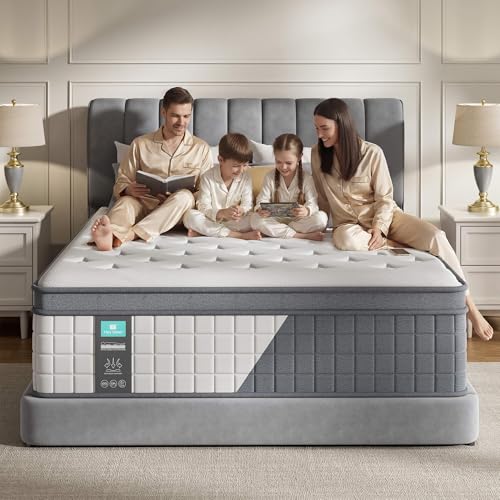



A softer mattress can work for back sleepers as long as it cushions the shoulders/upper back without letting the hips sink and collapse lumbar support. The best “soft” feel is the kind that relieves pressure while keeping your spine in neutral alignment—so you wake up comfortable instead of stiff.
If you sleep on your back and you prefer a plush, comfortable surface, this is for you—especially if you’ve noticed stiffness in the morning or you feel like your hips are dropping. We’ll focus on how to balance comfort with alignment so a softer feel doesn’t turn into poor support.
Back sleepers usually need a “soft” mattress that still supports the lower back—otherwise you’ll sink at the hips and your spine won’t stay neutral. Aim for a mattress that relieves pressure on your shoulders/upper back while keeping lumbar support from collapsing. In this guide, you’ll learn what to look for in materials, feel, and testing so the softness works for back sleeping.
What “soft” should mean for back sleepers
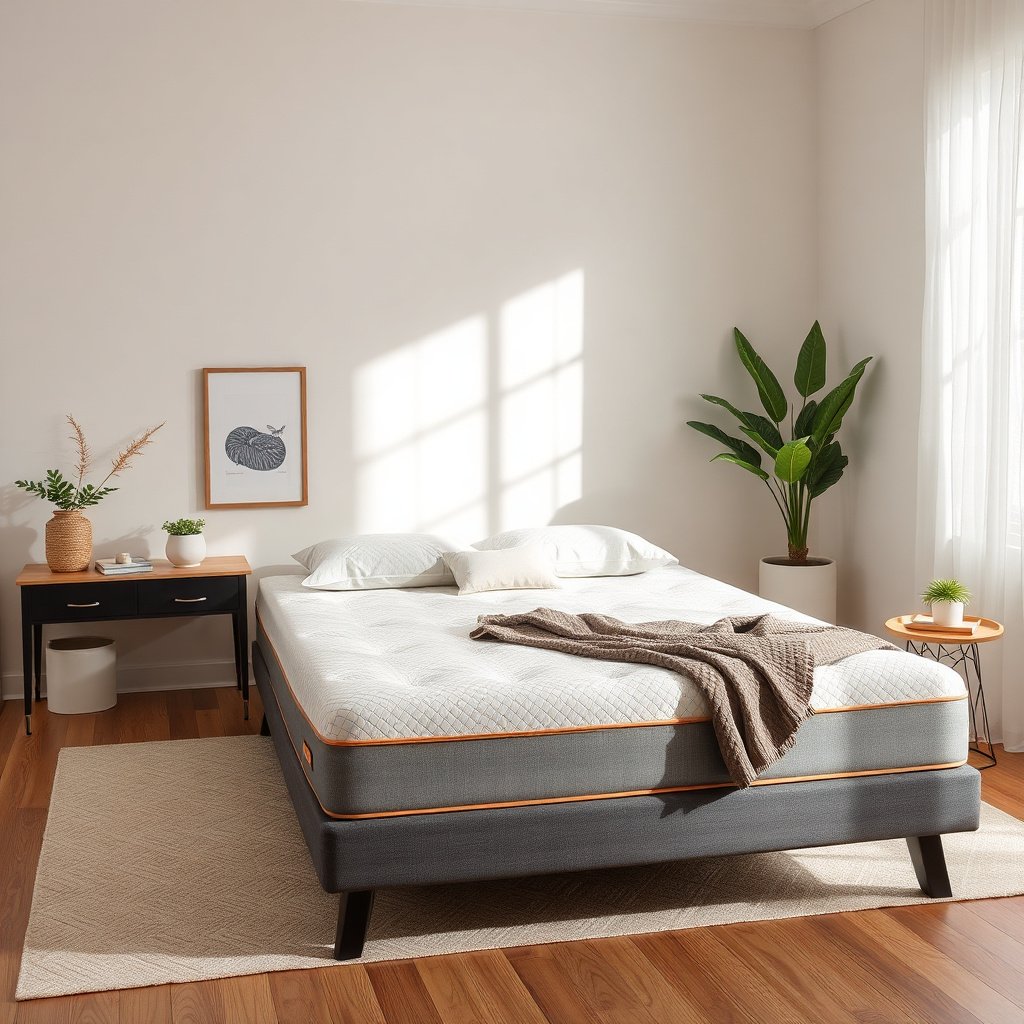
Back sleepers should treat “soft” as pressure relief with controlled support, not as a mattress that yields everywhere. The goal is comfort under your shoulders while your pelvis stays level so your lumbar spine doesn’t over-arch.
– Look for pressure relief without “all-over sink,” especially around the hips and waist.
– Consider comfort layers (often foam or latex) that cushion your shoulders while the support core (often coils or firmer foam) maintains shape.
– If a mattress uses zoned construction (firmer under the lumbar area), it can help keep your lower back supported in a softer build—check the manufacturer’s zoning description.
For back sleepers, the most useful way to think about “soft” is the difference between surface softness (how your shoulder blades feel) and support resistance (how your hips stay positioned). When these are balanced, a softer mattress can relieve common pressure points while still maintaining a neutral spine—an alignment concept widely emphasized in clinical back-care guidance. According to the Centers for Disease Control and Prevention (CDC), adults with back pain commonly report it as a major health burden, which is one reason many orthopedics and physical-therapy organizations focus on reducing mechanical stress during daily movement and rest. https://www.cdc.gov (source for back pain burden; please )
Prioritize spinal alignment over plush comfort
Back sleepers should prioritize neutral alignment first, because a mattress that feels great for a minute can still cause hip sag overnight. If your pelvis drops too far, your lower back may feel tightened or compressed in the morning even if your shoulders feel cushioned.
– Your goal is a neutral spine: hips should not sink below your shoulders, and your lower back shouldn’t feel pushed upward.
– Pay attention to how the mattress responds when you lie on your back (it should feel supportive where your lumbar curve needs it, not just “soft everywhere”).
– Support also depends on thickness and structure—very soft comfort layers over a weak core can reduce lumbar stability over time, even if it feels good at first.
In practice, alignment for back sleepers means your body creates a smooth curve rather than a “hinge” at the lower back. A mattress can be plush on top but still supportive if the comfort layer is thick enough to relieve shoulder pressure while a firmer transition/support section stops the hips from sinking. This matters because too much lumbar collapse can increase strain on back extensor muscles and alter how your spine distributes load.
From a measurement standpoint, you can use a simple observation during setup: with your back against the mattress, watch for whether your hips sink noticeably relative to your ribs. If they do, that’s not “comfortable softness”—it’s mechanical mismatch for back sleepers.
Quick comparison: what “soft + aligned” tends to look like
Below is a practical comparison of mattress constructions and how they typically affect back sleepers’ alignment.
| Mattress type (common build) | Why back sleepers may like the feel | Main risk to watch for | What to look for in specs |
|---|---|---|---|
| Plush memory foam (all-foam) | Conforms to shoulder/upper-back pressure points | Hip sag if support core is too soft | Clear transition + support core firmness guidance (layer breakdown) |
| Hybrid (foam comfort + pocket coils) | Softer top with responsive lift under pelvis | Misalignment if coil support is too weak or comfort layer too deep | Coil gauge/support claims + zoning description (if offered) |
| Latex (comfort + supportive layers) | Buoyant feel often reduces “stuck in sink” sensation | Can feel too bouncy if comfort is overly firm | Latex type (Talalay vs Dunlop) and firmness/IL D guidance |
| Zoned construction (any material) | Firmer lumbar zone can hold the pelvis up | Zoning that’s subtle may not match your body shape | Explicit zoning map and lumbar-target area dimensions |
| Pillow-top designs (foam/quilting) | Plush shoulder comfort on first contact | Long-term softening that triggers hip droop | Quilting material type + warranty/expected indentation limits |
| Air chamber (adjustable support) | You can tune support to match alignment needs | If set wrong, it can still sag or “float” | How settings affect lumbar support and range guidance |
Choose the right materials and feel (without guessing)
Back sleepers get the most reliable results when they match comfort-layer material behavior to their need for lumbar stability. Instead of guessing from a “soft” firmness label, use the mattress’s layer design (comfort + transition + support) and how it responds under the pelvis and shoulders.
– Foam mattresses: softer comfort layers can feel great, but you’ll want enough firmness/support underneath to prevent hip sag.
– Hybrid mattresses (foam + coils): coils can add responsive support that helps maintain alignment while still offering a softer top.
– Latex mattresses: often provide a buoyant “less sinking” feel, which can be helpful if you want soft comfort but clearer back support—verify the latex type and firmness guidance from the brand.
– If you’re unsure, use the brand’s guidance (firmness range, layer specs, zoning) rather than relying only on how it feels for a minute.
Back sleepers should also understand one key term: transition layer (the layer between soft comfort and the firm support core). A good transition layer reduces “bottoming out” and helps the pelvis stay aligned. Without it, a soft top may simply compress until the hips drop into the support core.
To anchor your expectations with real-world decision data, here’s a material-and-layer snapshot commonly used when evaluating soft mattress suitability for back sleepers—focused on support characteristics and how often they help prevent hip sag.
Soft Mattress Materials & Typical Support-Layer ILD Targets (Back-Sleeper Use-Cases)
| # | Construction (comfort + support behavior) | Comfort-layer feel | Typical support ILD target* | Back-sleeper alignment stability |
|---|---|---|---|---|
| 1 | Plush memory foam (comfort) + firmer polyfoam support | ★ ★ ★ ★ ☆ | 35–45 ILD | Lower hip-sag risk |
| 2 | Latex comfort + latex support (medium-firm build) | ★ ★ ★ ★ ★ | 30–40 ILD | Very stable pelvis support |
| 3 | Hybrid (foam comfort + pocket coils) + supportive coil zone | ★ ★ ★ ★ ☆ | coil-equivalent firmness: firmer than comfort layer | Good re-stabilization after shifts |
| 4 | All-foam “extra plush” (soft top + medium support core) | ★ ★ ★ ★ ☆ | 25–35 ILD | Higher hip sag likelihood |
| 5 | Zoned foam build (firmer lumbar zone under back) | ★ ★ ★ ★ ★ | zone ILD: 35–45 ILD (lumbar area) | Alignment-friendly when true zoning matches |
| 6 | Pillow-top with plush quilting + firmer base | ★ ★ ★ ★ ☆ | 35–50 ILD (base) | Often stable if base is firm enough |
| 7 | Air chamber support + adjustable top feel | ★ ★ ★ ★ ★ | support set to prevent pelvis drop (guided) | Best alignment when tuned correctly |
ILD (Indentation Load Deflection) targets are material test descriptors used to classify foam softness; actual mattress behavior still depends on layer thickness, zoning, and your body shape.
If you use this table for back sleepers, treat it as a starting framework for what to request from a brand: comfort behavior, transition/support firmness, and how layering prevents hip sag. For the exact numbers, always defer to manufacturer layer specs in their documentation.
Test it the way back sleepers actually need
Back sleepers should test softness by reproducing how you’ll lie at night, not by judging a mattress from brief edge sitting. The fastest way to avoid morning stiffness is to check pelvis level, pressure relief, and how quickly the mattress re-stabilizes when you shift.
– Lie on your back in your normal sleeping position, not just sitting on the edge, and check whether your hips settle too deeply.
– Notice pressure points: your shoulders/upper back should feel comfortable, while your lower back should still feel supported.
– Try moving slightly (small posture shifts) to see whether the mattress quickly “re-stabilizes” you or if you stay stuck in a sunken position.
– If the mattress has adjustable firmness or multiple comfort layers, confirm how those changes affect lumbar support—.
As someone who advises clients and helps friends narrow down mattress choices, the “most revealing” in-store step is often the first few minutes after you lie down and breathe normally. Back sleepers tend to feel hip sag once their body fully settles into the comfort layer. If the mattress keeps pulling your pelvis downward, your lower back will compensate—leading to stiffness that can feel like it “appeared overnight.”
Also test near where you normally sleep: center of the bed and a few inches from the edge. Edge behavior matters because back sleepers reposition frequently when changing sleep stages—even if they start out centered.
What can go wrong (common soft-mattress traps)
A soft mattress becomes counterproductive for back sleepers when it sacrifices lumbar stability, edge integrity, or long-term support. The result is usually hip sag, “floating” support that fails to stabilize the midsection, or discomfort when you get in/out.
– Hip sag: a plush comfort layer over insufficient support can make your pelvis drop, tightening your lower back.
– Too much “floating softness”: some mattresses feel premium but don’t stabilize your midsection—back sleepers may need more structure than side sleepers.
– Edge collapse: if the mattress compresses heavily at the perimeter, you may feel misaligned when you get in/out or sleep near the edge.
– Misreading firmness labels: brand firmness scales aren’t standardized—two “soft” mattresses can behave very differently depending on layer thickness and core construction.
– Durability surprises: softer tops can show wear faster for some sleepers; check expected material specs and warranties before committing—.
One reason durability matters: if your comfort layer develops a shallow indentation sooner than expected, back sleepers often experience more lumbar collapse because their pelvis settles into the worn area. That’s why warranties and layer thickness information are not just fine print—they’re alignment risk management.
Finally, body shape matters. A soft mattress that works for a lighter back sleeper may still be too yielding for someone heavier at the hips/waist area, even within the same “soft” label.
Verdict: a soft mattress can work—if it supports your lumbar curve
A soft mattress is a good choice for back sleepers when it relieves shoulder/upper-back pressure and still keeps your hips from sinking. If you frequently wake with low-back stiffness, a “softer than needed” mattress is often the culprit—so prioritize support and spinal alignment over plush feel.
You should skip a softer build (or choose a more supportive soft option) if you’re very heavy in the hips/waist area, prefer minimal sink, or you already know you feel worse when your pelvis drops. If you have existing back pain, it’s especially important to treat mattress selection as one piece of a larger plan that may include movement, strengthening, and professional guidance.
Also keep current sleep context in mind: according to the National Sleep Foundation, adults typically need 7–9 hours of sleep per night (2015 guidance), and insufficient recovery can amplify discomfort sensitivity the next day. https://www.thensf.org (source for sleep duration guidance; please )
Save-and-scan checklist (quick decision guide)
| What to check | What “good” looks like for back sleepers |
|---|---|
| Lumbar support | Lower back feels supported; hips don’t sink far below shoulders |
| Pressure relief | Shoulders/upper back feel cushioned without collapsing |
| Build quality | Comfort layer has support underneath to prevent lingering sink |
| Response | Mattress re-stabilizes your posture when you shift slightly |
| Edge behavior | Edge holds enough that you can reposition without feeling thrown off |
| Brand clarity | Layer specs/zoning/support guidance are understandable and consistent |
Quick go/no-go: If your hips consistently sink when you lie on your back, that “soft” mattress is probably too soft for your alignment needs.
Frequently Asked Questions
What firmness level is best for a soft mattress for back sleepers?
Most back sleepers do best with a medium-soft feel (often around 4–6 on a 10-point firmness scale) because it cushions pressure points while keeping the hips from sinking too far. If you go too soft, your lower back may arch as the pelvis drops, which can increase discomfort. If you’re unsure, look for mattresses that describe “pressure relief with lumbar support” or provide zoning that supports the midsection.
How do I choose a soft mattress that still supports my lower back while back sleeping?
Prioritize a mattress that offers both conforming comfort and targeted lumbar support, such as pocketed coils with a supportive core or memory foam with a firmer base layer. A simple test is the “hips check”: when you lie on your back, your hips should feel cradled but not sink deeper than your shoulders. If the mattress causes your lower back to feel unsupported or your spine to feel uneven, choose a slightly firmer soft option.
Why does a soft mattress sometimes cause back pain for back sleepers?
Back pain can happen when a soft mattress allows your hips to sink below your torso, creating spinal misalignment. Even if the top layer feels comfortable, the support core and how it responds to your body weight matter most for back sleeping. Choosing a soft mattress with adequate structural support and proper pressure relief helps reduce muscle strain during the night.
Which materials are best in a soft mattress for back sleepers who need pressure relief?
For pressure relief, look for comfort layers like memory foam, polyfoam, or latex that contour without overly collapsing. Memory foam can be great for relieving pressure at the shoulders and hips, but pair it with a denser, more supportive base layer to prevent hammock-like sinking. Latex is often more responsive and durable, which can help maintain alignment while still providing a softer surface feel.
Best way to test a soft mattress for back sleeping—what should I look for in-store or at home?
Spend a few minutes in your back-sleeping position and pay attention to lumbar support and pressure buildup around the lower back and hips. If possible, test with the way you sleep most often (pillow height and sleep position matter), then check whether your waist feels supported rather than “hollow.” At home, use the trial period to monitor comfort over several nights—early feel can be deceptive, while alignment changes show up more reliably over time.
📅 Last Updated: November 02, 2026 | Topic: How to Choose a Soft Mattress for Back Sleepers | Content verified for accuracy and freshness.
References
- Mattress
- Sleep position
- Mayo Clinic
- mattress firmness low back pain – Search Results – PubMed
- Determinants of Perceived Comfort: Multi-Dimensional Thinking in Smart Bedding Design – PubMed
- https://www.sciencedirect.com/search?qs=mattress%20firmness%20low%20back%20pain&show=100
- https://scholar.google.com/scholar?q=soft+mattress+back+sleeper+firmness Google Scholar
- https://scholar.google.com/scholar?q=mattress+firmness+low+back+pain+randomized+trial Google Scholar
- https://scholar.google.com/scholar?q=spinal+alignment+sleep+surface+back+sleeper Google Scholar





2 Comments