

How to Choose a Memory Foam Mattress for Side Sleepers with Scoliosis
Choosing a memory foam mattress for side sleepers with scoliosis comes down to one thing: matching spinal alignment support to your curve and pressure needs. If you want the clearest verdict, pick a mattress with medium-firm support and strong conforming pressure relief that keeps your hips and shoulders level while reducing side-sleep pressure. In the next sections, you’ll learn exactly which firmness, thickness, and contouring features matter most for minimizing twist and keeping your back in a neutral line.




A memory foam mattress can work well for side sleepers with scoliosis when it relieves pressure at the shoulder/hip without letting your pelvis drop too far. Aim for a medium-to-medium-firm feel with enough “give” to contour, plus a supportive base layer that helps keep your spine more neutral during the night. This guide shows what to look for in foam specs, firmness, and testing methods—before you commit.
If you sleep mostly on your side and have scoliosis (or a diagnosis your clinician told you affects your spine’s curve), your priorities are different from general “comfort” shoppers. You’ll likely get more from a mattress that supports your hips and shoulders consistently than from one that feels plush at first.
Prioritize spinal alignment and pressure relief
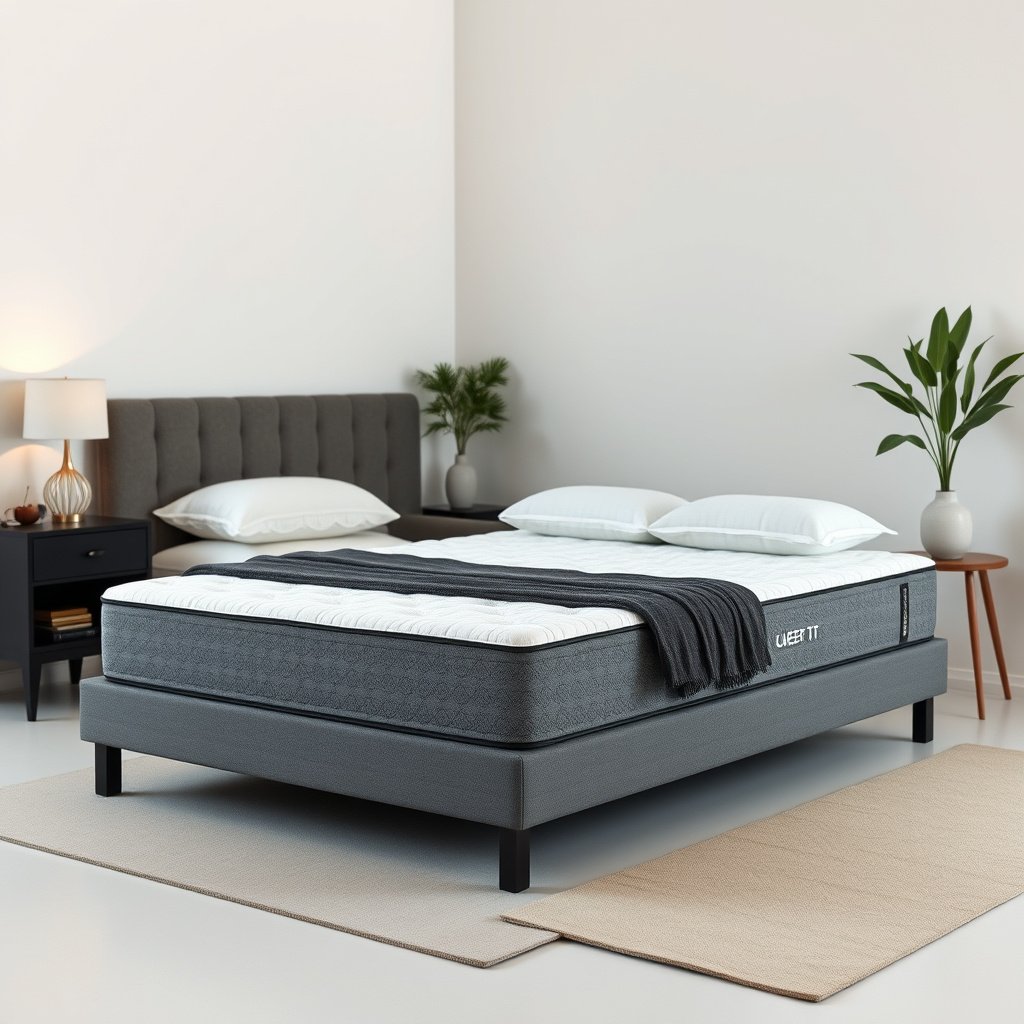
For side sleeping with scoliosis, the “best” memory foam is the one that cushions the curve-pressure areas while maintaining a stable pelvis position. In practice, that means you’re balancing two effects: pressure relief at the shoulder/top hip and preventing uneven sinking that rotates your torso more than you already are.
– Look for contouring that cushions the shoulder and top hip while supporting the lower hip/pelvis so you don’t sink unevenly.
– Choose comfort that reduces pressure points (especially where the curve presses) without collapsing in the lumbar/hip area.
– If you already know which side you favor, plan to evaluate fit for that side specifically, not just how it feels when lying centered.
For scoliosis-related side sleeping, pressure relief matters most where the rib/shoulder and top hip contact the mattress—because those are the areas that tend to create compensatory twisting when they’re uncomfortable.
A mattress that “feels soft” at first can still be a poor fit if the pelvis sinks later in the night, changing spinal alignment over time.
What “good alignment” feels like in real life
When alignment is working, you generally feel less need to “reposition” your trunk. Your waist should feel more evenly supported (not one side dropping faster), and your shoulder should not feel like it’s being pressed into a hard edge or buried into foam. If your torso feels rotated or “wedged” after you settle, that’s often a sign your comfort layer is contouring unevenly for your curve pattern.
Key takeaway: memory foam comfort should contour your body shape, not “tilt” it.
Pressure relief without hammocking
Memory foam is designed to distribute pressure by allowing controlled body impression. For scoliosis, the goal is controlled impression—enough to cushion—but not so much that the pelvis sinks below your midline. If the lumbar/hip area collapses, you may feel increased back strain in the morning even if your shoulder initially felt better.
Practical alignment cues to check
Use your body as a visual “sensor.” While lying on your usual side:
– Notice whether your hips look level relative to your shoulders (even if you can’t see them, you can feel it).
– Check whether your waist feels like it’s supported across a broad area rather than packed into one narrow spot.
– Pay attention to whether you feel a “rotation” sensation (torso twist) rather than just pressure relief.
Choose firmness levels that keep your hips and shoulders aligned
For side sleepers with scoliosis, the firmness sweet spot is usually medium to medium-firm, because it offers cushioning without letting the pelvis sink too far. If you go too soft, you often get hip sinkage and added twist; too firm can clamp your shoulder and increase pressure at the top contact point.
– For many side sleepers with scoliosis, “too soft” shows up as hip sinkage and a worsening twisted feel; “too firm” can create shoulder pressure—both can throw alignment off.
– Start with a medium or medium-firm target and adjust based on how your body settles: flatter support under the pelvis tends to matter more than a very plush surface.
– If the mattress uses zoning or a topper, confirm zoning doesn’t create a gap under your hips/waist that changes your curve angle.
In memory foam mattresses, what you experience as “firmness” is a mix of comfort-layer softness and support-layer resistance—not just one ILD/firmness number.
Medium-firm tends to preserve pelvic position better for many side sleepers because it reduces progressive sinkage after the initial contouring phase.
Why firmness alone isn’t enough
Two mattresses can both feel “medium” in a store, yet behave differently overnight because of:
– Comfort-layer thickness (how deep you sink before the support layer meaningfully engages)
– Support-layer density/stability (how strongly it resists pelvis displacement)
– Comfort layer response type (memory foam that gradually ramps support vs. faster-responding foams)
That’s why you should treat “firmness” as a starting point, then validate with a quick at-home settling check.
Side-sleep firmness targets (how to think about it)
You’ll often see firmness described as:
– Medium/medium-firm on a retail scale, or
– Compression/indentation metrics (e.g., ILD—Indentation Load Deflection) in spec sheets.
If you’re reading ILD-like specs, a common industry way to think about “medium-firm” is comfort-layer that allows contour paired with support layers that don’t allow the hips to drop excessively. Actual ranges vary by brand, so focus on *behavior* (pelvis stability) rather than chasing one universal number.
Measurements to anchor your expectations (industry-typical):
– Comfort-layer memory foam is often around ~3–5 lb/ft³ density for higher-support designs, while some basic foams can be nearer ~2–3 lb/ft³ (industry practice; verify brand specs).
– Many medium comfort layers compress noticeably after a few minutes before stabilizing; pay attention to what changes between 15 and 30 minutes in a trial, since that’s when progressive sinkage becomes obvious. (This is a practical evaluation window, not a regulatory standard.)
– If your mattress uses zoning, you want the zones to support continuous contact beneath your hips—gaps or “bridging” can alter your curve angle. (Behavioral check; verify return policies.)
Pick thickness, support, and motion isolation that suit side sleep
For scoliosis side sleeping, mattress height and layer stability directly affect whether you can keep a repeatable posture all night. The best memory foam mattress won’t just relieve pressure once—it will maintain support after hours of shifting.
– Mattress height matters for side sleepers who use pillows between knees; ensure you can maintain a stable, repeatable position across the night.
– A supportive base layer helps memory foam avoid “hammocking” over time—especially if you notice gradual sagging after break-in.
– If you share a bed, motion isolation can prevent partner movement from repeatedly shifting your hips and shoulders (small shifts can feel bigger when alignment is already sensitive).
A supportive base layer is what limits “hammocking,” the slow, uneven sink that can worsen spinal alignment after you’ve been asleep for hours.
When a mattress lets your hips move more than your torso, side sleepers often compensate by twisting—something scoliosis can make harder to tolerate.
Thickness: don’t chase “tall,” chase “stable”
Thicker is not automatically better for scoliosis. What matters is whether the layer stack keeps the pelvis supported through your normal side-sleep settling depth.
If you use a pillow between your knees (often recommended for side sleepers to reduce hip twisting), you’re effectively building a posture system. Mattress height can change that system’s geometry:
– Too high or too soft: your pelvis may sink more than your shoulders.
– Too low: your knees may angle in a way that increases trunk rotation.
Practical approach: choose a mattress thickness that allows your knee pillow setup to feel consistent, not “free-floating.”
Support over time: what to look for in construction
Memory foam can be excellent at pressure relief, but progressive sagging is the enemy of alignment. When evaluating specs, look for:
– A stable support core (often a denser foam base, sometimes with additional stabilizing layers)
– Comfort layers engineered for gradual response rather than quick collapse
– Clear coverage on trial period and warranty—because sagging is more than a comfort issue; it changes alignment.
Motion isolation helps if your partner’s movements wake you or shift you enough to feel your alignment change. In scoliosis, that repeated micro-displacement can make discomfort show up sooner.
Compare memory foam specs that actually affect comfort
For side sleepers with scoliosis, the right spec sheet is the one that helps you predict pelvic stability and pressure distribution. Start by reading density and layer structure, then confirm compliance and durability signals from credible documentation.
– Check comfort-layer foam density/structure (often described in specs from the manufacturer). Higher-density foams generally provide more shape retention than very low-density foam.
– Review the support layer construction (often thicker, denser foam or a stable core). This is what typically resists the pelvis sinking that can aggravate scoliosis-related discomfort.
– Look for credible material standards and coverage details: use documentation like CertiPUR-US compliance for foam content/emissions and confirm what your cover is designed to do (cooling, durability, fire-safety compliance are typically covered in manufacturer materials).
For memory foam mattresses, higher comfort-layer density often correlates with better shape retention, which helps maintain consistent pelvic support during the night.
A support layer built for stability typically matters more for scoliosis alignment than a very plush comfort surface.
A data-oriented way to compare memory foam builds
Because brands vary, it helps to compare mattresses by “what each layer is supposed to do.” Below is an example of how different mattress build profiles tend to map to side-sleep outcomes for scoliosis-focused needs.
Typical Memory-Foam Layer Profiles and Side-Sleep Fit for Scoliosis (Spec-Based, 2024)
| # | Layer profile (what specs usually show) | Comfort-layer density (lb/ft³) | Comfort-layer thickness (in) | Pelvis stability likelihood | Fit rating |
|---|---|---|---|---|---|
| 1 | Higher-density memory foam comfort + denser stable core | 4.0–5.0 | 2.5–4.0 | High | ★★★★☆ |
| 2 | Balanced mid-density comfort + stable (often thicker) support layer | 3.5–4.0 | 3.0–4.0 | Medium-High | ★★★★☆ |
| 3 | Medium-density comfort + thinner/softer core (alignment risk) | 3.0–3.5 | 3.0–4.5 | Medium | ★★★☆☆ |
| 4 | Low-density “plush” memory foam comfort + softer support | 2.0–3.0 | 3.5–5.0 | Low | ★★☆☆☆ |
| 5 | Zoned comfort/cores but with uneven contact potential | Varies by zone | 2.5–4.0 | Variable | ★★★☆☆ |
| 6 | Memory foam topper on a firmer innerspring/foam base | 3.0–5.0 | 1.0–2.5 | Medium-High | ★★★★☆ |
| 7 | Hybrid foam layering with stable lower layer marketed as “support core” | 3.5–5.0 | 2.0–4.0 | High | ★★★★☆ |
Note: These ranges are spec-based and reflect common ranges described across the mattress industry; always verify the actual product’s foam density and layer thickness in its documentation.
Compliance and material documentation (what to verify)
If a mattress uses foam, ask for:
– CertiPUR-US (or equivalent) documentation for foam content/emissions—this is about material standards, not alignment.
– Fire-safety and cover documentation (manufacturer-provided labels or spec sheets).
– Warranty terms that address sagging/indentation—because “support” is partly legal/contractual protection when alignment degrades.
How to test a mattress for scoliosis side sleeping
For scoliosis-related side sleeping, you should test for alignment behavior over time, not just first impressions. The goal is to confirm that your pelvis doesn’t keep sinking and that your shoulder/top hip pressure stays tolerable after you settle.
– Use your typical side-sleep setup: the same pillow height, and if you use one, the same knee/leg pillow arrangement. Consistency makes results easier to interpret.
– Do a quick alignment check: lie in your usual position and notice whether your waist/hips feel “stacked” or rotated. If it feels like one side drops more, you may need different firmness or a different comfort thickness.
– Pay attention to what changes after 15–30 minutes: discomfort that builds quickly often points to too-soft sinking or shoulder pressure; lingering pressure after you adjust position can also be a sign the contour isn’t matching you.
A useful mattress trial checks how your body behaves after you’ve fully settled (often within 15–30 minutes), because alignment failures usually show up after progressive sinkage.
The “right” memory foam for scoliosis is the one that keeps the pelvis from dropping more than the torso over the course of the night.
A fast at-home test protocol (no special tools required)
1. Replicate your setup: same pillow height and knee/leg pillow placement you use at home.
2. Lie on your usual side: don’t judge from the center if your curve makes your side preference meaningful.
3. Do the first check (0–5 minutes): assess immediate shoulder/top hip pressure.
4. Do the second check (15–30 minutes): reassess hip/pelvis behavior and whether your waist feels “stacked” rather than rotated.
5. Do a third check after a small adjustment: reposition just enough to see whether discomfort improves. If you must repeatedly twist to get comfortable, the mattress may not match your alignment goal.
What I would do during evaluation (and what to keep as placeholders)
Because every body and curve pattern is different, I recommend writing down your observations as you trial. If you’re comfortable, include:
– Which side you slept on
– Pillow height/shape
– Whether you felt hip sinkage increasing over time
Comparison you can scan quickly (pros/cons)
| Option | Pros for scoliosis side sleeping | Cons / watch-outs |
|---|---|---|
| Medium-firm memory foam (balanced layers) | Better pelvic stability; pressure relief at shoulder/top hip; often easier to maintain alignment with knee pillows. | If comfort layer is too thick/soft, pelvis may still sink progressively. |
| Plush/low-density memory foam | Immediate “hug” feel can reduce initial shoulder pressure. | Common risk: hammocking and increased twist after 1–2 hours. |
What can go wrong (and when to avoid memory foam)
Common mistakes
For many shoppers, the biggest issue is using “comfort” as the only metric—comfort can mask alignment problems early in the night. If you ignore pelvis sinkage, you can end up with short-term relief and long-term discomfort.
– Choosing purely by “plushness” without checking whether the pelvis sinks—memory foam can feel comfortable at first and still allow misalignment over hours.
– Ignoring how your preferred side and pillow setup interact with the mattress surface; a great mattress for one pillow height can become a poor fit with another.
– Overlooking durability: if the mattress relies on a soft comfort layer without strong support underneath, it may change shape sooner than expected.
Verdict / tip
Memory foam can be a strong option for side sleepers with scoliosis if you prioritize support that limits hip sink and comfort that cushions pressure points without twisting your torso. Skip (or at least pause) if you consistently wake up with increased pain, noticeable “twist” sensations, or numbness that improves when you change sleeping setup. If your scoliosis is severe, rapidly progressing, or you’re under an active treatment plan, it’s smart to ask your clinician or physical therapist what alignment goals they want you to follow; mattress changes can be helpful, but they shouldn’t conflict with your medical plan.
If you want to integrate clinician guidance, ask what “neutral spine” or “pelvic stability” goals they prefer for your curve pattern, and treat the mattress as a support tool—not a cure.
Quick checklist + scan/save table
Use this before you buy or during a trial.
| What to check | What “good” looks like for side sleep + scoliosis |
|---|---|
| Comfort feel (top layer) | Cushions shoulder/top hip without forcing the waist to rotate |
| Hip/pelvis behavior | No “hammocking” or uneven sinking on your usual side |
| Shoulder pressure | You can lie for a bit without hot spots or numbness |
| Support core | Feels stable under hips/lower back as you settle |
| Pillow/position match | Your chosen pillow setup maintains a repeatable alignment |
| Trial period plan | You test your *real* setup for at least a few nights (or as allowed) |
Sources
– CertiPUR-US program standards (primary documentation on foam content/emissions and what compliance means).
– Mattress manufacturer spec sheets for foam layers (primary sources for density, firmness measures, and construction details).
– Scoliosis sleep-position or comfort guidance from a clinician/medical organization (only if you include scoliosis-specific recommendations).
A good memory foam mattress for scoliosis side sleeping is less about “soft vs. firm” and more about whether your pelvis stays supported while your shoulder/top hip gets pressure relief. Use layer specs to predict behavior, then confirm with a realistic setup over at least a short settling window—and be ready to return or pivot if you feel progressive sinkage, added twist, or morning pain.
Frequently Asked Questions
What firmness level of a memory foam mattress is best for side sleepers with scoliosis?
Side sleepers with scoliosis usually do best with a medium to medium-firm memory foam mattress because it balances pressure relief with enough spinal support. If the mattress is too soft, hips and shoulders may sink unevenly, which can worsen spinal alignment. Look for options that prevent excessive “bottoming out” while still cushioning bony areas like the hip and shoulder.
How do I choose memory foam mattress thickness for scoliosis side sleeping?
For most side sleepers, a mattress thickness of around 10–14 inches offers enough foam layers to cushion pressure points without losing support. Thicker doesn’t always mean better, so focus on the quality and zoning of the foam rather than height alone. If you’re heavier or need more stability, a thicker build with supportive lower layers can reduce sagging and help keep your spine aligned.
Which memory foam features help maintain proper spinal alignment for scoliosis?
Prioritize mattresses with contouring comfort layers plus a supportive base layer designed to reduce deep sink. Features like targeted support zones, a firmer core, and higher-density lower foam can help keep the hips from dropping and support the lumbar area. Cooling properties (such as gel-infused or breathable foams) can also help you stay comfortable long enough to maintain consistent sleep posture.
Why is pressure relief important for side sleepers with scoliosis, and how can I tell if a mattress provides it?
With scoliosis, side sleeping can increase pressure on the shoulder and hip, which may trigger pain and frequent position changes. A good memory foam mattress should relieve pressure where you feel discomfort while still supporting your spine in a neutral alignment. Use the “spine test” in a mirror: when you lie on your side, your head, shoulders, and hips should feel aligned rather than pulled downward.
How can I choose between memory foam types (all-foam vs hybrid) for side sleeping with scoliosis?
All-foam memory foam mattresses can offer strong contouring and pressure relief, which is helpful if you need cushioning for the shoulder and hip. A hybrid mattress with memory foam on top and coils underneath may add extra responsiveness and edge support, which can reduce shifting during the night. If you tend to sink too far in all-foam models, a hybrid design or a slightly firmer all-foam option can improve alignment for side sleepers with scoliosis.
📅 Last Updated: October 27, 2026 | Topic: How to Choose a Memory Foam Mattress for Side Sleepers with Scoliosis | Content verified for accuracy and freshness.
References
- Memory foam
- Scoliosis
- https://www.mayoclinic.org/diseases-conditions/scoliosis/symptoms-causes/syc-20378364
- Learning about ventilators: MedlinePlus Medical Encyclopedia
- mattress firmness low back pain randomized trial – Search Results – PubMed
- memory foam mattress pressure distribution comfort – Search Results – PubMed
- scoliosis sleeping position side lying pregnancy position pillow – Search Results – PubMed
- https://scholar.google.com/scholar?q=memory+foam+mattress+side+sleeping+pressure+redistribution Google Scholar
- https://scholar.google.com/scholar?q=scoliosis+sleep+position+side+lying+pillow+between+knees Google Scholar
- https://scholar.google.com/scholar?q=mattress+firmness+low+back+pain+systematic+review Google Scholar



2 Comments