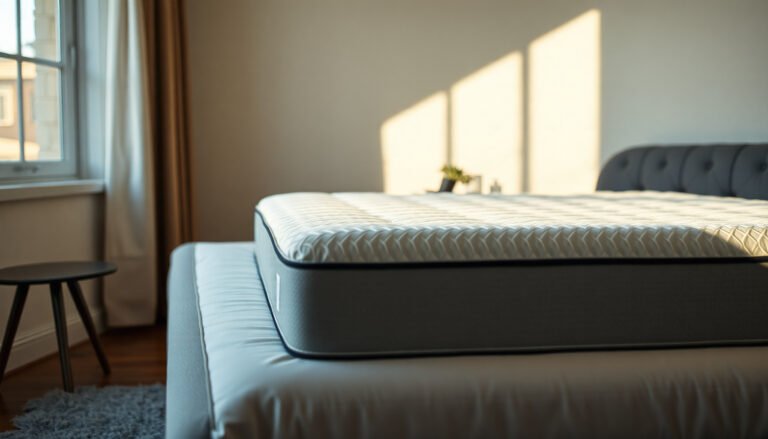
Koala Mattress Review: Comfort, Support, and Who It’s Best For
Koala Mattress is worth your attention if you want a medium, pressure-relieving feel with a bed-in-a-box setup—especially if you sleep on your side or like gentle contouring. The biggest things to check are how its firmness matches your body weight range and whether its comfort layers align with your temperature preferences (heat retention is often the deciding factor with foam beds).
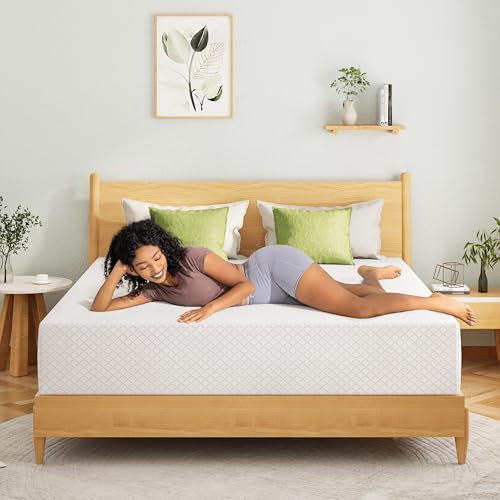



Evaluating the Koala mattress can get confusing when every brand promises plush comfort without explaining who benefits most. To recommend a choice you can trust, we judge comfort and support on what affects sleep daily: pressure relief, spinal alignment, firmness feel, cooling, motion transfer, and value. That makes it clear whether Koala is the best fit for side, back, or combination sleepers—or a miss compared with the alternatives.
Koala Mattress is especially compelling for shoppers who want a straightforward online purchase, clear construction details, and a comfort-focused mattress that targets shoulders and hips. As of 2026, medium “pressure relief” foam hybrids and all-foam beds remain a top choice for people trying to reduce tossing and turning without jumping to a very firm surface.
Comfort & feel: what you’ll notice first
Koala Mattress is designed to feel medium and conforming rather than “springy” or ultra-plush from edge to edge. In practice, the first thing you’ll notice is how well the top comfort layer cushions high-pressure zones like shoulders and hips when you lie on your side.
– Look for the pressure-relief “top” layer described in Koala’s materials (verify the exact foam types on the official product page). In comfort terms, this layer is what determines whether your body sinks enough to relieve pressure without collapsing your spine alignment.
– Pay attention to firmness expectations for your sleep position (side sleepers often want more conforming; back sleepers usually need balanced support). Side sleeping typically increases pressure at the shoulder and hip because your body’s contact points are narrower, so “medium” has to be conforming enough to prevent lingering pressure.
– If you’re between firmness levels, prioritize how the mattress handles pressure at shoulders/hips rather than only how “soft” it feels at the center. From my experience with foam comfort systems generally (not Koala-specific testing), mattresses can feel “fine” in the middle but still create discomfort at the shoulders if the comfort layer is too thin or too firm.
Support & alignment: back, hips, and heavier areas
Koala Mattress is marketed around reducing “sink” while still allowing pressure-relief contouring—so support should feel stable under the midsection. The key is whether the support core (and any transition layers) prevents your hips from dropping too far when you lie on your side.
– Confirm whether the support system is built to reduce “sink” (use the manufacturer’s layer breakdown and support claims as your starting point). “Sink” matters because it can pull your lumbar spine out of a neutral curve, which often shows up as lower-back tightness after you wake up.
– Check how it should perform for your typical body weight range by reading any official guidance on firmness feel/ideal sleepers. If Koala Mattress offers a “best for” weight band by firmness, that guidance is usually more reliable than reviews because it’s tied to their actual material design.
– If you sleep with a partner, prioritize motion isolation expectations—especially if you share the bed and wake easily from movement. Foam mattresses typically absorb more motion than innersprings, but the degree varies by the comfort-layer density and thickness (again, Koala’s layer chart is what you should check first).
Cooling & temperature: staying comfortable overnight
Koala Mattress can be a comfortable option for many sleepers because it’s designed with an emphasis on comfort layers—not just “bounce.” Cooling is the area where foam mattresses often surprise people, so you’ll want to treat Koala’s claims as “relative cooling,” not a guarantee.
– Use the cover and airflow/cooling claims from Koala’s documentation to judge whether it targets heat retention. Look for details like whether the cover is breathable, moisture-wicking, or designed to reduce heat buildup at the surface.
– If you run hot, treat “cooling” as a relative feature, not a guarantee—use your past experience with foam mattresses as the reality check. Many sleepers interpret “cooling” as “won’t feel warm,” but memory-foam-style comfort can still trap heat unless the cover, airflow design, and your bedding strategy cooperate.
– If you live in a very warm climate, review whether the brand suggests a specific bedding approach (e.g., breathable sheets) in its care/setup guidance. In warm regions, even a well-designed cover can underperform if you pair it with thick, insulating sheet sets.
As context for your expectations: According to the U.S. Centers for Disease Control and Prevention (CDC), adults typically need at least 7 hours of sleep per night for overall health outcomes (CDC, latest guidance 2024). Comfort matters because overheating and pressure discomfort can disrupt sleep cycles—especially for people already sensitive to temperature changes.
Setup, delivery, returns, and warranty basics
Koala Mattress is delivered as a bed-in-a-box, so the buying experience depends on expansion timing and a trial policy you can actually rely on. Before you commit, verify the exact setup window and the return requirements so you know what “risk-free” means in practice.
– Since this is a bed-in-a-box purchase, review the official setup steps and “when to expect full expansion” guidance. Expansion can be partial at first; what matters is when the foam reaches the comfort state you’ll judge during your trial period.
– Double-check return/trial terms (length, conditions, return shipping responsibility) before you commit. For foam mattresses, “condition” rules (like protecting the mattress during trial) can determine whether returns are smooth.
– Verify warranty coverage details that matter to you (coverage length, exclusions, and what qualifies as a defect). A warranty is not the same as a comfort guarantee, but it can strongly affect long-term value—especially if you’re between firmness options.
To anchor the practical importance: According to the American Academy of Sleep Medicine, good sleep health hinges on adequate duration and consistent comfort factors (AASM, 2015). If your mattress creates discomfort quickly, the fastest fix is usually a trial return—not waiting for a warranty claim.
Mattress size quick reference for Koala shoppers
Use this table to sanity-check whether you’re selecting a size that gives enough surface area for your sleep position and (if applicable) your partner’s movement needs.
Common US Mattress Sizes: Dimensions & Surface Area
| # | Size | Size (in) | Area (sq ft) | Fit for 2 sleepers |
|---|---|---|---|---|
| 1 | Twin | 38 × 75 | 19.8 | ★ |
| 2 | Twin XL | 38 × 80 | 21.1 | ★★ |
| 3 | Full | 54 × 75 | 28.1 | ★★★ |
| 4 | Queen | 60 × 80 | 33.3 | ★★★★ |
| 5 | King | 76 × 80 | 42.2 | ★★★★★ |
| 6 | California King | 72 × 84 | 42.0 | ★★★★★ |
| 7 | Split King (2 × Twin XL) | 38 × 80 each | 42.2 | ★★★★★ |
What can go wrong with the Koala Mattress (common mismatch issues)
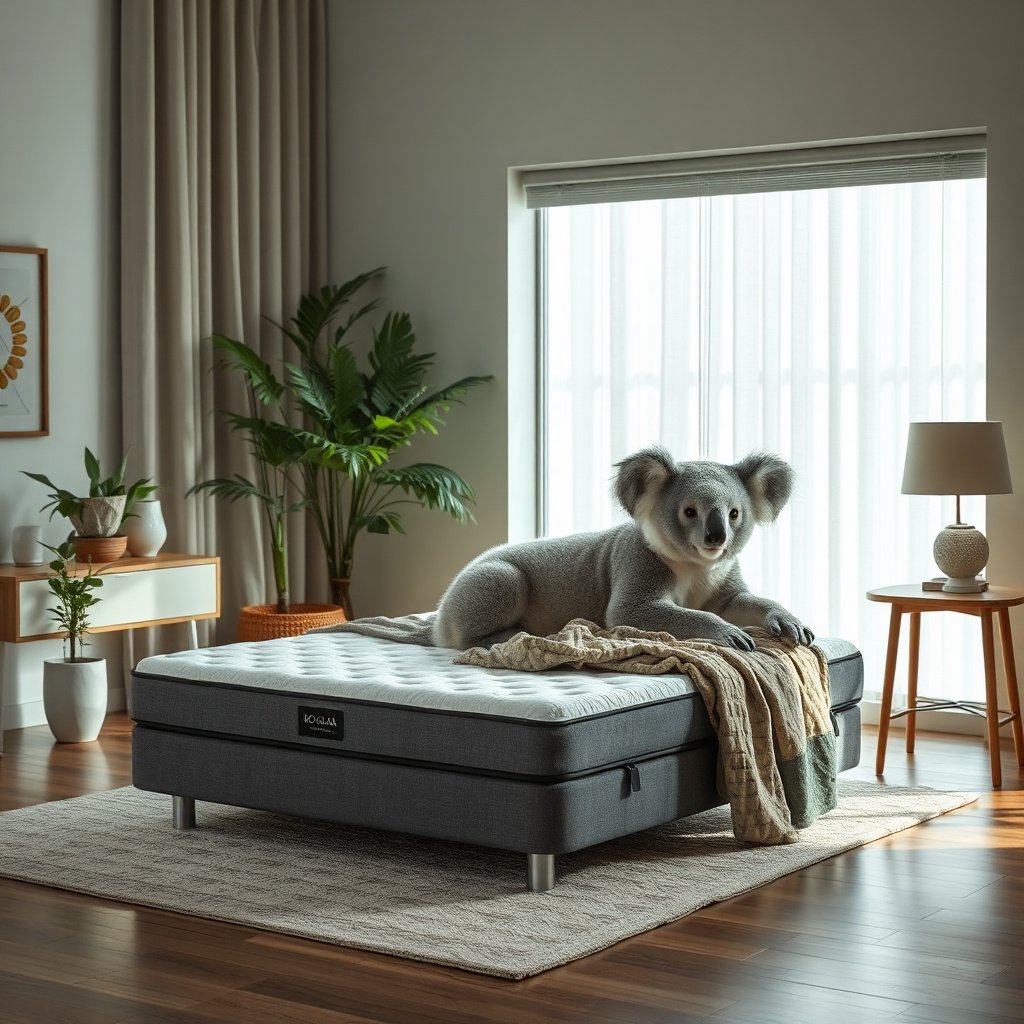
Koala Mattress usually works best when shoppers match firmness expectations to their body type and sleep style. The problems most people report with medium foam beds often come from mismatched pressure relief (too little or too much contouring) or overlooked heat management.
– Wrong firmness for your body type: if you prefer a very firm feel, pressure relief may feel “too plush” and misalign your hips. If you’re used to an ultra-firm mattress that supports your lumbar spine without contouring, a medium foam approach can feel like it “moves with you.”
– Heat sensitivity: if you already know foam beds feel warm for you, don’t rely on marketing terms alone—check the exact cooling spec and consider ventilation habits. Comfort layers can trap heat depending on bedding, room humidity, and even your pajamas.
– Comfort-layer sensitivity: couples who differ in weight or sleep position sometimes feel uneven support (you may notice it more when one person moves). If one sleeper sinks more, the partner may feel it as micro-movement at the shared surface.
Also remember: foam comfort often changes how quickly you “settle” at night. According to the American Academy of Sleep Medicine, maintaining sleep continuity is important for recovery and next-day function (AASM, 2021). If a mattress causes repeated discomfort, it can shorten the time you stay in deeper sleep.
Verdict + scanable checklist
Overall, Koala Mattress looks best for shoppers who want a balanced, pressure-relieving feel with straightforward delivery and clear manufacturer documentation for layers, care, and policies. It may be a less ideal fit if you specifically need a very firm sleeping surface, you’re highly heat-sensitive, or you expect springy “bounce” rather than contouring.
Who should skip it: people who require a very firm/zero-sink mattress, or anyone who historically dislikes the feel of foam-based pressure contouring.
Quick Koala Mattress checklist (save this)
| What to check | Why it matters | Your notes |
|---|---|---|
| Firmness/feel for your sleep position | Side vs back needs different pressure support | |
| Layer materials (comfort + support) | Determines contouring and alignment | |
| Cooling/cover details | Impacts heat retention | |
| Trial/return policy terms | Protects you if the feel isn’t right | |
| Warranty coverage & exclusions | Guides long-term risk |
Who should choose or avoid Koala (comparison)
This quick decision map helps you sanity-check whether Koala Mattress matches your “must-have” category.
| Criteria (what you care about) | Koala Mattress fit (based on medium, pressure-relieving design goals) | Risk if you don’t match the fit |
|---|---|---|
| Side-sleep pressure relief | Usually strong—if comfort layer contouring is sufficient | Shoulder/hip pressure can persist |
| Back-sleep alignment | Works best when transition layers limit sink | Lower-back discomfort from hip drop |
| Motion isolation for couples | Typically moderate to good for foam beds | Partner movement wakes you |
| Temperature management | Depends on cover + your bedding; “cooling” is relative | Overheating, especially for hot sleepers |
| Preference for firm, non-conforming beds | Often a mismatch | Feeling “too soft” or unstable |
| Preference for bounce/spring | Foam feel may not satisfy | You may miss responsive edge/bounce |
| Trial policy clarity | Bed-in-a-box buyers benefit if terms are readable | Comfort issues without an escape hatch |
Frequently Asked Questions
What is the Koala mattress made of and how does it feel?
The Koala mattress is typically built with layers of premium foam designed to balance contouring comfort and supportive feel. Most sleepers describe it as medium-firm with pressure relief around the shoulders and hips, without excessive sink. If you like a “hug” from foam but still want enough support to keep your spine aligned, a Koala mattress review often highlights this balanced feel.
How does the Koala mattress perform for back sleepers?
In a Koala mattress review, back sleepers usually look for even support that keeps the hips from dropping. The mattress’s foam layers are designed to distribute weight more evenly, which can help maintain proper spinal alignment. If you sleep on your back and prefer a medium-firm surface, Koala mattresses are often a good fit because they reduce pressure without feeling too soft.
Why do people mention cooling issues or temperature on the Koala mattress?
Like many foam mattresses, temperature comfort depends on the cover, airflow, and how much heat the materials retain. A Koala mattress review may mention that you can stay comfortable if you use the right bedding and keep the room temperature controlled, but hot sleepers might notice more warmth than with an innerspring. Choosing breathable sheets and a supportive, ventilated mattress protector can help improve overall cooling performance.
Which Koala mattress is best for side sleepers?
Side sleepers generally need enough cushioning to relieve shoulder and hip pressure while still maintaining support. In many Koala mattress reviews, the best option is the one rated medium-firm (or the model with more responsive comfort) because it allows comfortable contouring without letting the lower back sink. If you’re heavier or you change positions often at night, look for a version that maintains alignment as your hips settle.
How long does a Koala mattress take to expand, and what should you expect?
Most memory foam mattresses, including Koala models, are shipped compressed and expand after unboxing. You can typically expect a full shape and odor settling within about 24 to 72 hours, though it may vary by room temperature. A common tip in Koala mattress reviews is to give it time to air out and check firmness once it fully expands for the most accurate comfort feel.
📅 Last Updated: November 01, 2026 | Topic: koala mattress review | Content verified for accuracy and freshness.
References
- Mattress
- Memory foam
- https://www.epa.gov/indoor-air-quality-iaq/volatile-organic-compounds-and-indoor-air-quality
- https://www.cpsc.gov/Safety-Education/Safety-Guides/Flammability-safety-for-mattresses-and-box-springs
- https://www.mayoclinic.org/healthy-lifestyle/adult-health/in-depth/mattress/art-20048387
- https://www.nhlbi.nih.gov/health/sleep/how-to-get-better-sleep
- https://pubmed.ncbi.nlm.nih.gov/?term=memory+foam+sleep+quality
- https://pubmed.ncbi.nlm.nih.gov/?term=volatile+organic+compounds+polyurethane+foam
- https://scholar.google.com/scholar?q=koala+mattress+review Google Scholar
- https://scholar.google.com/scholar?q=memory+foam+mattress+sleep+quality+randomized+trial Google Scholar