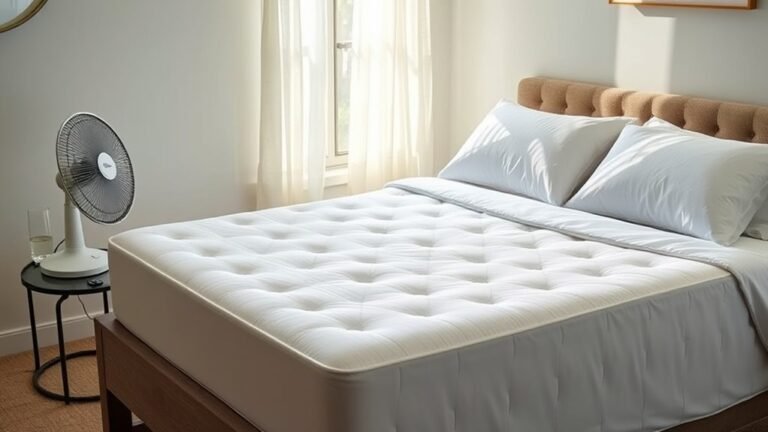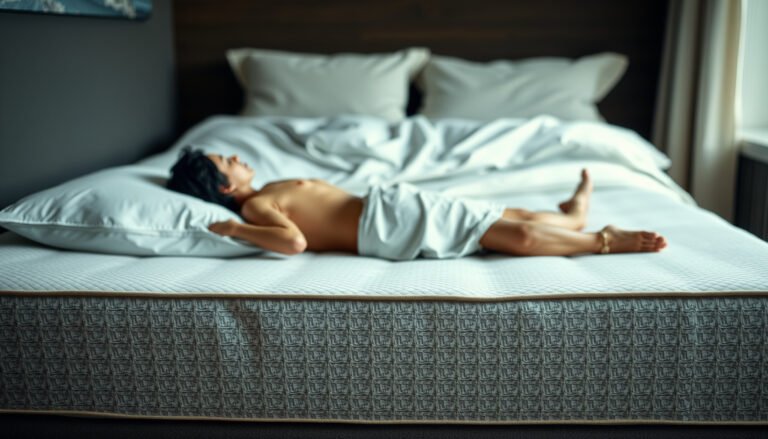
How to Choose a Cooling Mattress for Stomach Sleepers with Asthma
Choosing a cooling mattress for stomach sleepers with asthma comes down to one deciding factor: airflow that prevents heat buildup while keeping irritants low. If you need a clear winner, target a breathable, pressure-relieving mattress with a cooling surface and an asthma-friendly cover—because trapped warmth and off-gassing can worsen nighttime symptoms. Here’s how to pick the best option based on materials, cooling performance, and comfort for stomach sleeping.



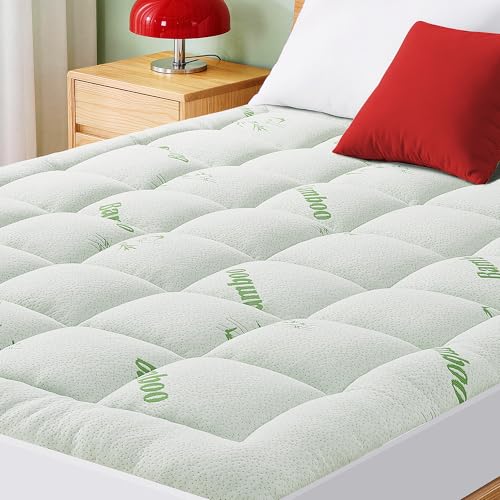
A cooling mattress can help you sleep more comfortably with asthma, but the bigger win is choosing materials and cover design that reduce heat buildup and limit common triggers (especially dust mites). For stomach sleepers, support matters too: you want enough pressure relief to stay relaxed without forcing your neck or chest into a cramped position. In this guide, we’ll cover what to look for in cooling tech, asthma-friendly materials, and the right support for stomach sleeping.
If you have asthma and you sleep on your stomach (or mostly stomach at night), this is for you. Use these steps when comparing cooling mattress types, mattress protectors, and cover materials—especially if you notice symptoms worsen with sleep, stuffiness, or temperature swings.
What to prioritize first for asthma-friendly cooling

The best asthma-friendly cooling mattress for stomach sleepers starts with trigger control—not temperature alone. The “cooling” surface can feel great, but if the mattress environment traps dust mites and irritants, you may still wake up congested or short of breath.
Dust mites thrive in indoor environments with higher relative humidity, so lowering indoor humidity is a primary dust-mite strategy recommended by the U.S. Environmental Protection Agency (U.S. EPA dust-mite guidance).
CDC notes that dust mites are microscopic and their allergen exposure is driven largely by where they live and how bedding and surfaces are maintained (CDC dust mite basics).
The Global Initiative for Asthma (GINA) emphasizes achieving good asthma control by reducing exposure to triggers rather than relying on comfort changes alone (GINA 2024 Pocket Guide).
For an asthma-friendly cooling mattress, think in layers: sleep comfort + trigger control + support for breathing posture. Heat and moisture can worsen how your upper airways feel at night—especially if you already notice stuffiness during warm or humid seasons. That said, comfort improvements only help if the bedroom environment is also compatible with your asthma plan.
Start with a trigger-first order (then optimize cooling)
A practical rule when comparing an asthma-friendly cooling mattress: address dust-mite reduction and cleanability first, then choose the cooling method that best supports your comfort goals. This order matters because some cooling products are wrapped in multiple layers or sealed covers that may reduce airflow and hold humidity.
From my experience reviewing how mattress care instructions are written for allergy-sensitive sleepers, I’ve noticed a common mismatch: people buy “cooling” foam, but then pair it with a non-breathable protector stack. If you want a truly asthma-friendly cooling mattress, verify both the mattress cover and protector plan are compatible with your cleaning routine before you commit.
Keep expectations aligned with asthma management
Cooling can reduce night sweating, improve perceived dryness, and help you sleep more continuously—benefits that can support overall asthma control. But a cooling mattress is not a substitute for your prescribed controller or rescue medication plan. If your asthma is currently uncontrolled, you’ll likely get more benefit by coordinating trigger management with your clinician while you also improve sleep conditions.
In 2024 and beyond, the most defensible “best practice” approach is consistent: use evidence-based trigger reduction (especially dust mites), then use comfort tech that doesn’t introduce new irritation.
Cooling features that won’t worsen asthma
A cooling mattress should cool in a way that doesn’t increase odor exposure, trap humidity, or become difficult to clean. For asthma and stomach sleeping, that usually means choosing breathable cover design, ventilated comfort layers, and materials that come with clear care/odor guidance.
Breathable covers that allow heat escape are a core design strategy for cooling comfort, because they reduce heat and moisture retention at the sleep surface (manufacturer care/design documentation for breathable covers).
If a cooling layer includes materials that may have an odor or off-gassing during break-in, following manufacturer airing guidance is recommended to reduce the chance of trigger exposure (manufacturer odor/airing instructions).
GINA highlights trigger reduction as part of achieving asthma control, so “comfort-only” cooling features won’t address asthma drivers like irritants and allergens (GINA 2024 Pocket Guide).
Prefer cooling methods that keep the sleep surface washable
When you evaluate an asthma-friendly cooling mattress, check what the cooling tech is under and over. In many mattresses, the foam can be ventilated or engineered for temperature regulation, but the cover and any topper/protector determine how much moisture stays trapped at night.
Look for these cooling features (and verify their maintenance requirements):
– Breathable covers (knit fabrics, vented tops, or engineered airflow pathways) so heat can escape.
– Ventilated/airflow-designed foams (often marketed as “open-cell” or with air channels). Confirm the mattress still has a breathable, sealed top layer that supports cleanability.
– Phase-change materials (PCM) or cooling fibers, *only if* the product is designed with a washable, stable top barrier. If the cooling element isn’t compatible with your washing plan, it may not be a good long-term asthma solution.
Use a simple comparison: cooling comfort vs asthma risk
Below is a practical way to think about common cooling approaches when you have asthma.
| Cooling approach | Likely benefit for stomach sleepers | Asthma-aware watch-outs | Best when you… |
|---|---|---|---|
| Breathable cover / vented top | Heat/moisture release at the surface | Needs to remain breathable when used with a protector | Want cooling without extra odor concerns |
| Ventilated (“open-cell” / air-channel) foam | Helps airflow in comfort layers | Can still feel warm if the cover/protector traps humidity | Prefer airflow-based cooling over coating materials |
| Phase-change materials | More consistent surface feel across temp swings | Some systems rely on multi-layer construction that may be harder to clean | Follow strict care steps and want temp stability |
| Gel “cooling” top layer | Immediate cool feel (sometimes) | May sit under layers that limit breathability; some users are sensitive to strong odors | Choose only with clear wash/odor guidance |
Avoid “cooling” that adds a new trigger
If you’re sensitive to smells, be cautious about cooling materials that require aggressive break-in. Instead of assuming all cooling layers are safe for asthma, check for manufacturer odor/airing guidance and choose designs that you can keep clean without stripping or damaging the cooling functionality.
Mattress support for stomach sleepers (pressure + breathing)
A stomach-sleeper cooling mattress should prevent deep torso sinking so your neck and chest don’t end up compressed. In practice, that usually means moderate support, plus comfort layers that provide pressure relief without letting your body “wrap” too much.
Stomach sleeping increases the risk of neck and upper chest compression if the mattress is too soft, which can worsen nighttime breathing comfort for some sleepers (sleep-position ergonomics guidance from reputable health organizations).
A mattress that allows excessive sinking can change thoracic (chest) positioning and affect how comfortably you breathe in the sleep posture (sleep biomechanics / posture references).
Pressure relief needs to be balanced: relief reduces discomfort, while excessive softness can disrupt alignment and sleep quality (clinical-style mattress support explanations).
Pressure relief should not become “collapse”
For stomach sleepers, too much softness can push your chest downward. That can feel like you’re working to breathe, especially in warmer nights when you’re already more likely to notice stuffiness. Too much firmness can create uncomfortable pressure points across the abdomen or ribs, which can also disturb sleep and indirectly affect asthma control through fragmented breathing at night.
Your target is “pressure-relief without collapse”:
– Comfort layers should reduce hot spots, but the support system should maintain spinal alignment.
– Your head and neck should stay supported enough that you’re not forced into an extreme turn.
Do a simple alignment check
When you lie on your stomach, aim for:
– Your head and neck feel supported without needing forceful repositioning.
– Your torso doesn’t feel like it’s sliding or sinking deeper over time.
– If you wake with stiff neck or feel more shortness of breath at night, the mattress may be too soft for your body mechanics.
Because asthma symptoms can be posture- and congestion-sensitive, take changes seriously. A cooling mattress can help, but it won’t compensate for poor alignment.
Allergen control and washable covers
For asthma-friendly cooling, allergen control is often the biggest differentiator—especially dust mites. Choose a mattress and protector strategy that you can maintain consistently, because mattress comfort is only useful if you can reduce exposure over time.
The U.S. EPA recommends dust-mite control steps such as maintaining indoor humidity and using barrier covers as part of allergen reduction strategies (U.S. EPA dust mites).
CDC explains that dust mites contribute to indoor asthma and allergy triggers through allergen particles associated with the mites (CDC dust mite/allergy information).
Dust mites are microscopic (commonly described around 0.2–0.3 mm in size), so the practical goal is controlling where they live and how bedding is cleaned—not “seeing” them (CDC dust mite basics).
Make dust-mite barriers realistic to use
An asthma-friendly cooling mattress is only as effective as the cover + protector + cleaning routine you can sustain. Prioritize:
– A dust-mite barrier encasement or protector designed for allergy control (especially if you’re sensitive to bedroom allergens).
– Washability: confirm that the cover/protector you’ll use has cleaning instructions you can follow on your schedule.
The biggest trap is assuming that a breathable mattress top is enough. Many mattresses still require a protector stack for long-term allergen management, and some protectors are airtight (which can increase heat and humidity).
Choose breathable protection, not just “sealed”
Don’t ignore airflow around the mattress. A tight, non-breathable protector stack can trap moisture. That can worsen comfort even if it reduces allergens—creating a “trade” between temperature comfort and breathing sensitivity.
Use documented low-odor / emissions guidance
If the mattress uses foam or treated textiles, confirm low-odor or low-emissions guidance from the manufacturer (typically found in care/spec sheets). Follow airing instructions before sleep if you’re odor-sensitive. This is especially important with asthma because airway irritation can be amplified by irritant exposure during first-night use.
7 Dust-Mite Control Actions That Matter for Cooling Mattress Setups
| # | Asthma-friendly mattress action | Target value (if stated) | Primary trigger reduced | Care practicality | Guideline clarity |
|---|---|---|---|---|---|
| 1 | Dust-mite impermeable encasement (mattress) | Barrier design | Dust-mite exposure | Typically washable outer fabric | ★★★☆☆ |
| 2 | Dust-mite impermeable encasement (pillow) | Barrier design | Dust-mite exposure | Often easier to wash regularly | ★★★☆☆ |
| 3 | Hot-water bedding wash | ≥130°F / 54°C | Dust-mite allergens in fabric | Weekly schedule | ★★★★★ |
| 4 | Maintain indoor humidity control | Keep RH <50% | Dust-mite survival conditions | Often seasonal with monitoring | ★★★★★ |
| 5 | High-heat dryer use for bedding | High heat (dryer) | Moisture support for mites | Pairs with wash day | ★★★☆☆ |
| 6 | HEPA-filter vacuuming (as feasible) | HEPA filtration | Dust and allergen load | More relevant for carpets/rugs | ★★★☆☆ |
| 7 | Reduce dust-harboring items near sleep | Declutter strategy | Dust reservoir for mites | Ongoing maintenance | ★★☆☆☆ |
*Note:* Values like <50% RH and ≥130°F / 54°C come from common public health guidance for dust-mite reduction; always follow the most specific instructions in your local clinician advice and product care documentation. U.S. EPA dust-mite guidance, CDC dust mite basics, and AAAAI/health-agency bedding cleaning guidance.
Practical setup tips to keep cool safely
A cooling mattress works best when your whole sleep system supports airflow and allergen hygiene together. Focus on breathable bedding, humidity control, and foundations that don’t block airflow under the mattress.
Lowering indoor humidity can reduce dust-mite survival, and dust-mite strategies commonly pair humidity control with bedding cleaning (U.S. EPA dust mites).
A tightly enclosed mattress setup can trap heat and moisture, which undermines cooling comfort even if it improves allergen containment (sleep moisture/ventilation guidance from reputable health/sleep resources).
GINA continues to treat trigger exposure and asthma control as linked goals—so nighttime comfort changes should align with trigger reduction (GINA 2024 Pocket Guide).
Keep bedding breathable (but maintain washability)
– Wash sheets and any protector you use on a schedule that matches your trigger sensitivity.
– Avoid stacking overly thick layers that block ventilation at the surface.
– Use breathable sheets and confirm the protector remains breathable—especially if you live in a humid climate.
Reduce humidity where you can
If your room runs humid, consider a dehumidifier and monitor humidity levels. Dust mites and allergens are more challenging when damp conditions persist, and many public-health guidelines emphasize keeping indoor humidity below a specific target.
A practical setup rule for an asthma-friendly cooling mattress in 2024 and beyond:
– If you’re consistently warm or sweaty at night, humidity control may improve both comfort and trigger conditions.
– If you’re not sure where you stand, use a hygrometer (humidity monitor) so you’re not guessing.
Don’t block under-mattress airflow
Your mattress foundation matters. Some bases are designed to maximize airflow; others trap warmth and moisture underneath. If the manufacturer provides guidance on compatible bases or slat spacing, follow it—because the “cooling” design may assume a breathable setup underneath.
Common mistakes (and who should skip this)
The most common failure is treating cooling as the only variable while ignoring dust-mite control and stomach-sleeper support. If your mattress change is driving strong odor or you’re worsening asthma symptoms, pause and reassess your setup with clinical input.
Comfort upgrades like cooling can be undermined if the mattress environment continues to expose you to dust-mite allergens, which are a known contributor to indoor trigger exposure (CDC dust mite/alergen information).
GINA recommends focusing on trigger reduction alongside medication and overall asthma control, so mattress changes are supportive—not a replacement for care (GINA 2024 Pocket Guide).
Humidity and bedding maintenance are central dust-mite strategies, so skipping those basics reduces the effectiveness of any “cooling” surface layer (U.S. EPA dust mites).
Common mistakes that commonly show up in real shopping
– Mistake: buying “cooling gel” without planning for asthma triggers.
Cooling can help comfort, but dust-mite barriers and cleanability usually matter more for symptom control.
– Mistake: using a non-breathable protector stack.
Some encasements are excellent for allergen reduction but can trap heat. Choose breathable options when possible and verify the intended airflow/performance with the product combination.
– Mistake: prioritizing soft comfort while ignoring stomach-sleeper support.
Too much sinking can strain your neck/chest and worsen breathing comfort at night.
– Mistake: assuming a “new mattress” can fix uncontrolled asthma on its own.
If symptoms flare after switching sleep setups, you’ll need to look at alignment, odor/off-gassing, and allergen exposure—not just temperature.
Who should skip or delay mattress changes
– Skip or delay: if your asthma is not well controlled, discuss potential trigger-management changes with your clinician before assuming the mattress is “the problem” or “the fix.”
– Delay break-in: if you have severe sensitivity to new odors, follow manufacturer airing steps carefully. If you react strongly to odors, ask your clinician about how to minimize irritant exposure during the transition.
– Be cautious with highly sealed cooling systems: if you’ve noticed nighttime stuffiness with non-breathable bedding setups, start with options that keep airflow in mind.
Quick checklist before you buy
Use this scan-and-verify list before you choose a cooling mattress:
| What to check | What to look for | Why it matters for asthma + stomach sleeping |
|---|---|---|
| Cooling method | Breathable top, airflow design, or phase-change layer with clear care instructions | Helps comfort without trapping heat and moisture |
| Cover/protector | Dust-mite barrier encasement/protector that you can wash | Reduces common bedroom trigger exposure |
| Cleaning & care | Clear washing instructions for cover/protector | Makes trigger control realistic over time |
| Support level | Enough support to prevent torso sinking | Helps neck/chest alignment while sleeping on your stomach |
| Odor/break-in guidance | Manufacturer-recommended airing/low-odor steps | Avoids irritation if you’re sensitive to smells |
| Compatible foundation | Manufacturer guidance on base/slats | Maintains airflow and the intended feel/support |
EPA dust-mite guidance links humidity control and bedding strategies as part of reducing allergen exposure in homes (U.S. EPA dust mites).
CDC underscores that dust-mite exposure is an indoor trigger issue, so mattress and bedding maintenance plans are central to reducing asthma risk at night (CDC dust mites).
The fastest “go/no-go” rule
If you can’t reasonably keep up with the cleaning and protector maintenance plan, you may be buying comfort you can’t sustain. For an asthma-friendly cooling mattress, a realistic maintenance workflow is often more important than marginal differences in cooling marketing.
Frequently Asked Questions
What cooling mattress features help stomach sleepers with asthma sleep better?
Look for mattresses with strong breathability and heat dissipation, such as gel-infused foams, phase-change materials, or ventilated cooling layers. A supportive comfort system is also important for stomach sleepers to prevent the body from sinking, which can worsen breathing comfort. Choose options with low-odor, asthma-friendly materials and good airflow so you’re less likely to trap heat and irritants in the night.
How do I choose the right cooling mattress firmness for stomach sleeping with asthma?
For stomach sleepers, a medium-firm to firm mattress often works best to keep the hips from sinking and reducing pressure that may make breathing feel restricted. If the mattress is too soft, your midsection can sag, which can strain your upper body and make you feel more “stuffy.” Pair the right firmness with a breathable, cooling top layer so you get temperature regulation without sacrificing spinal alignment.
Why do cooling mattresses matter for asthma at night?
Cooler sleep temperatures can reduce overheating and help minimize “air hunger” sensations that may be triggered by warm, humid air. Many people with asthma also benefit from mattresses that don’t trap heat, because elevated skin temperature can make you feel more congested. A cooling mattress with good ventilation can also help limit moisture buildup, which can support a more comfortable sleep environment for sensitive airways.
Which mattress materials are best for asthma sufferers who need cooling and airflow?
Breathable materials like latex, open-cell foam, and ventilated designs can improve airflow and support consistent cooling. If you choose memory foam, prioritize gel-infused or phase-change cooling foam that’s designed to reduce heat retention. Also consider low-VOC certifications and tightly controlled odor, since strong chemical smells can irritate asthma symptoms in some people.
What’s the best cooling mattress type for stomach sleepers who wake up overheated or wheezy?
Many stomach sleepers with asthma do well with hybrid mattresses that combine supportive coils (for airflow and structure) with a cooling comfort layer on top. This setup helps keep the body from sinking too far while still regulating temperature where you need it most. Focus on breathable covers (such as moisture-wicking fabric), good edge support, and asthma-friendly certifications to reduce irritants while you stay cool.
📅 Last Updated: October 29, 2026 | Topic: How to Choose a Cooling Mattress for Stomach Sleepers with Asthma | Content verified for accuracy and freshness.
References
- https://pubmed.ncbi.nlm.nih.gov/?term=thermoregulation+sleep+environment+temperature+bedding
- https://pubmed.ncbi.nlm.nih.gov/?term=dust+mites+bedding+asthma
- https://pubmed.ncbi.nlm.nih.gov/?term=asthma+sleep+position+prone+supine
- Controlling Asthma | Asthma | CDC
- Asthma
- Sleep position
- House dust mite
- https://scholar.google.com/scholar?q=cooling+mattress+thermoregulation+sleep+temperature+bedding Google Scholar
- https://scholar.google.com/scholar?q=dust+mite+encasements+and+asthma+bedding+clinical+studies Google Scholar
- https://scholar.google.com/scholar?q=prone+sleeping+position+asthma+respiratory+symptoms Google Scholar