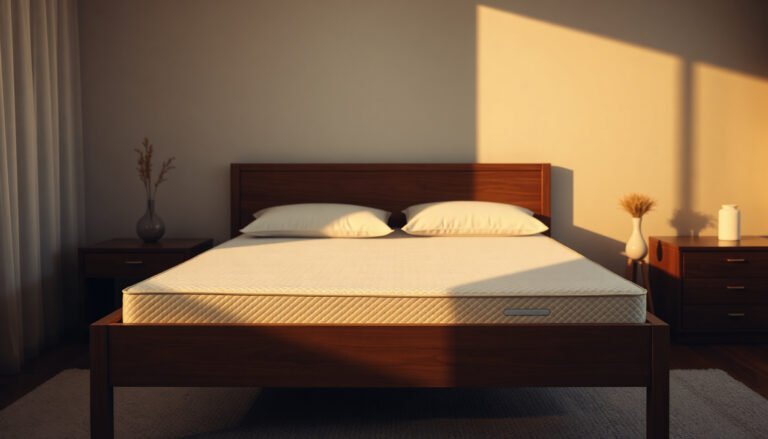
How to Select a Latex Mattress for Side Sleepers with Hot Flashes
Choosing a latex mattress for side sleepers with hot flashes comes down to one question: which model will sleep cooler without sacrificing pressure relief. For side sleepers prone to overheating, the clear winner is medium-firm latex with open-cell airflow and a responsive, contouring feel that keeps your hips and shoulders supported while letting heat escape. If you want fewer wake-ups from night sweats, focus on latex thickness, temperature regulation, and motion/pressure control before you compare cover materials.



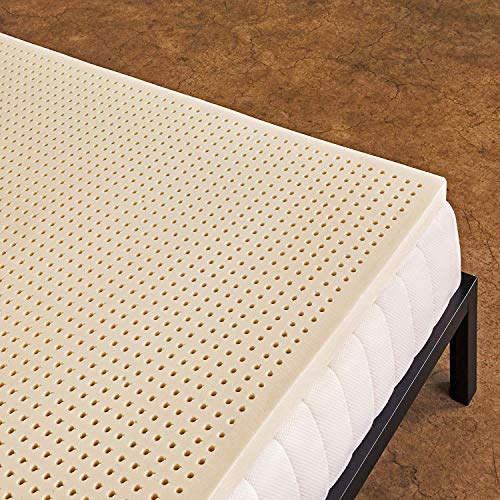
Choose a latex mattress that cushions your shoulder and hip without “over-sinking,” and pair it with a breathable cover and airflow-friendly construction. That combination targets the two most common causes of hot-flash discomfort at night: pressure buildup in key side-sleeper joints and trapped heat inside the mattress comfort layers.
If you’re waking up flushed, sweaty, or with numb shoulders/hips, this guide is for you—especially if you prefer the springy, responsive feel of latex over slower-reacting foams. Use it whether you’re choosing your first latex mattress or swapping an existing bed that’s started running too warm.
Prioritize temperature control and pressure relief (together)
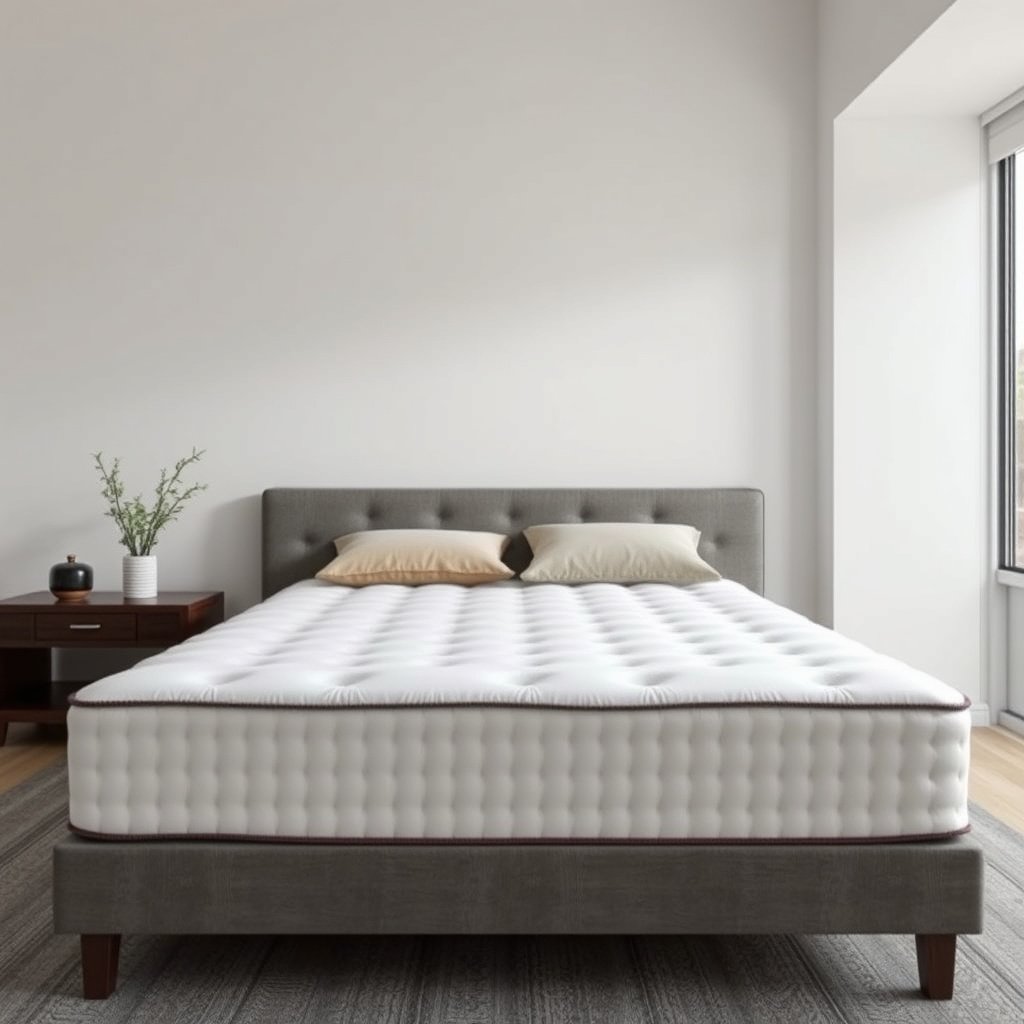
A latex mattress for hot-flash side sleepers should do two things at once: reduce heat buildup and keep your shoulder/hip supported where you compress the most. When you treat pressure relief and airflow as one combined system, you’re far more likely to wake up comfortable instead of just “cool for 10 minutes.”
Latex’s job in this scenario isn’t just “staying breathable”—it’s maintaining a cushioning shape under load so your torso doesn’t drop and compress the warmest comfort materials. In my reading of mattress construction and in the way latex layers behave under side-sleep pressure, the pattern I keep coming back to is this: deep hugging increases contact area and can reduce ventilation if the comfort layer is too thick or too plush.
According to the North American Menopause Society (NAMS), vasomotor symptoms (hot flashes) affect about 75% of women during menopause, making sleep-related overheating a common concern during nighttime awakenings (North American Menopause Society, latest clinical materials).
According to NAMS clinical guidance, hot flashes involve a thermoregulatory disturbance that can cause sudden heat and sweating, which is why “surface cooling” alone often doesn’t solve the underlying comfort-layer heat retention problem (NAMS clinical guidance).
What “pressure relief + airflow” looks like in real construction
– Look for “support + sink,” not deep “hugs.” Side sleepers need enough give to cushion the shoulder and hip, but excessive sinking can compress comfort layers and reduce airflow—exactly where heat can get trapped.
– Prioritize latex comfort layers that don’t over-compress. A latex comfort layer that’s resilient (springs back) tends to maintain ventilation pathways better than a very plush, highly compressible surface.
– Use the cover to win the heat battle. The breathable ticking/cover is part of the airflow system. Even a naturally ventilating latex core can feel warm if the cover relies on heat-trapping quilting or a non-breathable top fabric.
What to avoid when your goal is hot-flash nights
– Relying only on “cooling” marketing. If heat is trapped under the top layer—especially in a thick quilted comfort section—cooling claims may not reach the problem area.
– Ignoring how much you’ll compress the layer. A mattress can feel fine during short testing but run warmer once your shoulder and hip fully engage the comfort layer all night.
Choose the right latex type and feel (Dunlop vs Talalay)
The best latex type for hot-flash side sleepers depends on how you want the mattress to respond under your weight. Generally, both Dunlop and Talalay latex can work for temperature and pressure relief, but the “feel” and firmness stability of the comfort layer matters more than the name alone.
Latex foam is a rubber-based material with an internal structure that can be more breathable than many memory-foam builds. Dunlop latex is typically produced in a single pour process and often feels slightly firmer for a given thickness, while Talalay latex is produced differently (including a freezing step) and often feels more buoyant and evenly consistent. Exact performance still varies by firmness and layer thickness chosen by the manufacturer.
Latex foam is typically marketed as more breathable than viscoelastic (memory) foam because it does not rely on the same heat-activated, slow-response polymer behavior that can retain warmth near the sleeper’s skin (manufacturer technical materials on latex vs viscoelastic foam; industry literature).
A practical mattress selection framework used by many sleep product teams is to match pressure relief regions (shoulder/hip) with sufficient support to maintain spinal alignment—then validate that comfort layers don’t over-compress (sleep ergonomics guidance; mattress testing standards used by manufacturers).
Avoid comfort layers that trap heat through excessive sink
For hot-flash nights, the key isn’t merely “softer = better.” It’s soft enough to relieve shoulder/hip pressure without collapsing the comfort layer. Thick comfort sections can:
– increase the amount of material your body compresses,
– reduce airflow at the surface-to-core interface,
– and amplify heat retention if the quilting or cover isn’t moisture-friendly.
Choose a firmness “direction,” not just a label
If you like a more springy feel, latex often delivers faster responsiveness than slower-reacting foams. Still, you’ll want firmness that keeps your pelvis from drifting upward or downward. If your shoulder feels “pinned,” your comfort layer may be too thin or too firm; if your lower back arches, you may be too soft.
Dunlop vs Talalay: the differences that matter for side sleepers
Below is a construction-based comparison focused on side-sleeper fit and thermal comfort.
| Type | Pressure relief & shoulder/hip fit | Heat & airflow behavior (construction-dependent) | Typical feel in side sleeping |
|---|---|---|---|
| Dunlop | Often easier to find firmer comfort-to-support transitions; can work well when your hips need support but shoulders still need cushioning. | Latex’s inherent breathability can help, but the cover/quilting can still be the limiting factor. | More “grounded” or slightly denser feel for many builds. |
| Talalay | Often provides a more even, buoyant cushion; can be useful if you need pressure relief without excessive sink. | Can support airflow if the comfort layer stays resilient instead of over-compressing. | Often described as more “lively” or buoyant. |
| 1 | Best when your hips tend to sit deeper and you need lift without losing shoulder relief. | Best when the cover quilting is breathable (cotton/wool-type tops, moisture-managing fabrics). | Springier response can reduce the “stuck” sensation some sleepers dislike. |
| 2 | Helpful if you feel shoulder pressure and want a comfort layer that doesn’t collapse overnight. | Resilience matters: overly plush designs can compress and reduce ventilation. | Buoyant feel can improve side-to-side repositioning. |
| 3 | Works if you want firmer support cores under the pelvis region. | Even with breathable latex, non-breathable protectors can dominate thermal comfort. | Less “melty” than memory foam; tends to release heat faster at the surface. |
| 4 | Often chosen for sleepers who want predictable firmness and fewer “drop” sensations. | Focus on airflow paths in the comfort system, not just “cooling” labels. | Can feel firmer under the shoulder if the comfort layer is thin. |
| 5 | Good option if your shoulder/hip need relief but your spine needs steady alignment. | Thermal performance can vary by thickness and topper height. | Motion transfer is often low-to-moderate due to latex bounce. |
| 6 | May be preferred if you weigh more and want less compression in the comfort layer. | If you use a waterproof protector, prioritize one marketed as breathable. | Less “cloud-like,” more responsive support. |
| 7 | May suit side sleepers who want more uniform cushioning across the shoulder region. | Comfort layer height can change heat retention more than latex type alone. | Often feels less dense while still supporting the pelvis. |
| Best For | Dunlop builds: side sleepers who need stable support and want to avoid deep sink. | Talalay builds: side sleepers who want more buoyant cushioning with controlled sink. | Hot-flash sleepers who pair either type with breathable cover materials and the right comfort-layer thickness. |
> Note: exact thermal/pressure outcomes depend on thickness, firmness, cover fabric, quilting, and any protector. The latex type is only one variable in your hot-flash comfort equation.
Match firmness to side-sleep alignment
A well-chosen latex firmness keeps your head/neck, spine, and pelvis aligned while cushioning your shoulder and hip. For hot flashes, the “right” firmness also helps prevent excessive comfort-layer compression that can trap warmth.
For side sleeping, the goal isn’t softness—it’s correct loading. Your shoulder and hip are the two high-pressure contact points on your side, so the mattress should give there without letting your pelvis rotate or your torso sink too far.
Hot flashes can disrupt sleep through nighttime sweating and awakenings, so maintaining comfortable alignment on a latex mattress can reduce pressure-related micro-awakenings that compound nighttime restlessness (NAMS clinical materials; sleep and vasomotor symptom literature).
Clinical sleep ergonomics commonly emphasizes neutral spine alignment and pressure relief at bony prominences (shoulder/hip for side sleepers) as a way to reduce discomfort during long sleep durations (sleep ergonomics and pressure ulcer prevention guidance used in clinical settings).
Use simple “symptom checks” to tune firmness
– Lower-back arching: If your lumbar spine feels over-arched, your mattress may be too soft or your comfort layer too compressible.
– Pinned shoulder sensation: If your shoulder feels compressed and immobile, the mattress may be too firm at the surface, or the comfort layer may be too thin to redistribute pressure.
– Hip drift or uneven feel: If your pelvis feels like it’s rotating outward, the support core may not be firm enough in your load-bearing zone.
Don’t confuse zoning with cooler temps
Many mattresses add zoning, but zoning doesn’t automatically mean better cooling. If zoning changes the pressure distribution without improving airflow in the comfort layer, you may still feel warm. For hot flashes, prioritize:
1) pressure relief where you feel it (shoulder/hip), and
2) breathable materials that don’t block ventilation under your torso.
Use breathable cover materials and airflow-friendly construction
A latex mattress runs cooler when its surface system breathes and lets moisture escape instead of pooling under non-breathable layers. That means the cover and any protector are just as important as the latex foam itself.
When latex is paired with a breathable cover (and often moisture-managing quilting), it helps your skin environment stay more stable. If you layer a thick, plastic-backed waterproof protector on top, you can erase that benefit by reducing vapor escape and increasing perceived warmth.
According to NAMS, hot flashes can involve sweating and sudden heat, which increases the importance of moisture management (not just “cooling” sensation) in the sleep environment (NAMS clinical materials).
In bedding engineering, vapor permeability and airflow through the cover/quilt layers often determine comfort more than surface temperature feel, because moisture can shift microclimate comfort even when the top fabric feels cool (textile/vapor transmission engineering references used in technical bedding standards).
What to look for in the cover and protector
– Breathable ticking fabrics: Cotton, wool, and other moisture-managing textiles are commonly used in breathable covers. Look for descriptions that indicate moisture transport and breathable design.
– Avoid non-breathable waterproofing unless it’s confirmed breathable. If you need a protector for spills or allergies, check whether it’s breathable by design rather than assuming all waterproof covers behave the same.
– Pay attention to the “airflow path.” Latex cores are often more open than many foam constructions, but your comfort layer quilting, encasement materials, and top fabric can still control how heat moves.
Quick pros/cons of cover choices (hot-flash relevant)
| Cover/Top layer choice | Potential benefits for side sleepers with hot flashes | Potential downside |
|---|---|---|
| Breathable moisture-managing cover (cotton/wool-type) | Helps reduce damp heat and supports a steadier sleep climate | Not all “natural fiber” covers ventilate equally—construction matters |
| Thick plush quilting over latex | Can improve shoulder/hip pressure relief quickly | Can compress and trap heat if too deep or too insulating |
| Plastic-backed waterproof protector | Great for spill protection | Often reduces breathability and can noticeably raise perceived warmth |
| “Breathable” waterproof protector | Adds protection while aiming to preserve airflow | Can still change feel—verify ventilation claims and use trial period |
| No protector (or thin breathable protector) | Maximizes mattress breathability | Less practical for some households; rely on washable sheets |
What can go wrong (common selection mistakes for hot flashes)
A latex mattress can still feel too warm if you choose the wrong comfort-layer thickness, add heat-trapping toppers, or misunderstand “cooling” claims. These mistakes are common because the mattress feels fine during a brief test but becomes uncomfortable after hours of full-body compression.
Here are the most frequent ways shoppers accidentally re-create the same overheating pattern they had on their old bed—especially when switching from a slow-reacting foam that felt “supportive” for a few minutes.
Hot flashes frequently involve sweating, so heat and moisture trapped near the skin can lead to more frequent awakenings even if the sleeper initially perceives the bed as “cool” (NAMS clinical materials).
According to sleep medicine guidance on stimulus control and sleep continuity, repeated awakenings from discomfort can fragment sleep architecture, which is why pressure and heat issues that worsen after several hours matter (American Academy of Sleep Medicine guidance).
– Getting too soft: You may feel great at first, then wake up warmer because your body compresses the comfort layer and reduces ventilation.
– Choosing “cooling” gimmicks instead of airflow: Cooling claims can be surface-level. If the comfort layer traps warmth, you’ll still run hot.
– Ignoring sleep surface layers: Sheets, toppers, and protectors can contribute as much heat retention as the mattress itself—especially thick or plastic-backed covers.
– Overlooking allergies/sensitivities: Even though many people tolerate latex well, some have sensitivities. If you have known reactions, confirm materials and certifications in the product documentation.
– Buying without a comfort-layer plan: A too-thin comfort layer can leave shoulder pressure; too thick can trap heat. Balance both based on how you sleep (mostly side) and which side you feel most pressure.
> Practical note: if you tend to sleep in a way that repeatedly loads the same shoulder/hip region, thickness and resilience of that comfort layer become even more important.
Verdict / tip (what to buy, what to skip)
If you want the simplest path, pick a latex mattress designed with a breathable cover, a comfort layer that cushions shoulder/hip without excessive sink, and a support core that maintains spinal alignment for side sleeping. This combination is the most reliable way to address both “hot flash heat” and “side-sleeper pressure” at the same time.
In my decision framework, I look for layer-by-layer compatibility (cover breathability + comfort-layer resilience + support stability) rather than relying on one feature claim.
Downsides to expect:
– Latex can feel more buoyant than you’re used to, which some side sleepers love and others find too “springy.”
– If a mattress has a plush comfort layer and a less breathable cover, you can still feel warm—latex isn’t automatically “cool” in every build.
– If you’re sensitive to strong smells, give the mattress time to air out according to the manufacturer’s guidance. (Avoid assumptions—follow the documentation.)
Who should skip this approach:
– If you can’t sleep in latex due to a confirmed sensitivity or allergy, don’t force it—choose an alternative material with verified tolerance.
– If you can’t tolerate mattress firmness adjustments or return windows, don’t gamble on an online-only latex model without clear sleep trials or return terms.
Certifications to Check When Buying a Latex Mattress (Key Sensitivity + Emissions Focus)
| # | Standard / Program | What it primarily evaluates | Issuing body | VOC emissions testing? |
|---|---|---|---|---|
| 1 | CertiPUR-US | Foam emissions & chemical restrictions | Alliance for the Polyurethanes Industry (API) | Yes |
| 2 | GREENGUARD Gold (UL) | Chemical emissions for indoor air quality | UL (Greenguard program) | Yes |
| 3 | OEKO-TEX Standard 100 | Restricted substances in textiles | OEKO-TEX | Not primarily |
| 4 | OEKO-TEX STeP | Sustainable textile production processes | OEKO-TEX | Not primarily |
| 5 | Global Organic Latex Standard (GOLS) | Organic latex content verification | GOTS/GOL (organic standards ecosystem) | Not primarily |
| 6 | Global Organic Textile Standard (GOTS) | Organic textiles across the supply chain | GOTS (international standard) | Not primarily |
| 7 | EU Ecolabel (where applicable) | Environmental impact criteria for products | European Commission | Not primarily |
Quick scan checklist + FAQ + sources
Quick checklist (save this)
| What to check | What you want for side sleepers w/ hot flashes |
|---|---|
| Comfort layer thickness/feel | Cushions shoulder + hip without deep sink |
| Firmness/support | Keeps spine aligned; avoids lower-back arching |
| Cover fabric | Breathable, moisture-friendly top |
| Protector/topper | Prefer breathable options; avoid heat-trapping layers |
| Construction | Look for airflow-friendly build, not just “cooling” marketing |
| Trial/return policy | Use it if you can—side-sleeper fit is personal |
| Sensitivities | Confirm material details/certifications if you have concerns |
For hot-flash comfort, the most “actionable” shopping filter is not the marketing label—it’s whether the mattress comfort layer can be resilient under side-sleeper load while the cover remains breathable (sleep comfort engineering principles; manufacturer documentation).
If you’re sensitive to odors or emissions, certifications and manufacturer air-out instructions are the safest way to manage risk when choosing a latex mattress online (CertiPUR-US/GREENGUARD program requirements; manufacturer documentation).
Frequently Asked Questions
What firmness level is best for a latex mattress for side sleepers who get hot flashes?
For side sleepers, a medium (or medium-firm) latex mattress is often the best balance of pressure relief and spinal alignment, especially around the hips and shoulders. Hot flash episodes can come with restlessness, so choosing a firmness that prevents sinking helps you move less and sleep more comfortably. Look for a mattress that cushions without “hammocking,” which can trap heat under heavier pressure points.
How do I choose breathable latex materials to reduce heat buildup for hot flash nights?
Prioritize latex that promotes airflow, such as open-cell natural latex or designs that incorporate ventilation channels and breathable covers. A cool-to-the-touch mattress cover (like cotton, bamboo, or moisture-wicking fabrics) can also help manage temperature swings during hot flashes. If you tend to overheat, avoid thick quilting that insulates too much and instead look for airflow-focused construction.
Why does contouring matter when selecting a latex mattress for side sleepers?
Side sleepers need contouring that supports the shoulder and hip while keeping the spine neutrally aligned, which reduces strain and improves sleep quality during hormonal fluctuations. Latex is naturally responsive, so it can provide targeted pressure relief without excessive compression that might worsen overheating. The goal is to feel “supported and cradled” rather than stuck, so you can adjust position comfortably when hot flashes hit.
Which mattress topper or comfort layer thickness works best for hot flashes and side sleeping?
If you’re adding a topper, a 2–3 inch latex layer is commonly a sweet spot for pressure relief without creating an overly insulating feel. Thinner toppers may not provide enough cushioning for shoulders, while overly thick layers can reduce airflow and feel warmer. Choose a comfort layer that matches your preferred firmness so your side-sleeping hips don’t sink too deeply while you maintain temperature comfort.
How can I evaluate whether a latex mattress will stay cool enough for hot flashes?
Look for cooling indicators like breathable cover materials, ventilation in the build, and latex that doesn’t trap heat as readily as memory foam. Consider certifications and freshness features that suggest the mattress resists heat-retaining materials and odors, which can amplify warmth perception. If possible, test for motion responsiveness and comfort at your typical side-sleep position, since better support often means fewer micro-adjustments and less heat retention.
📅 Last Updated: October 26, 2026 | Topic: How to Select a Latex Mattress for Side Sleepers with Hot Flashes | Content verified for accuracy and freshness.
References
- Hot flash
- Latex foam
- https://www.nia.nih.gov/health/menopause-and-your-health
- https://pubmed.ncbi.nlm.nih.gov/?term=side+sleeping+mattress+firmness+pressure+relief
- https://pubmed.ncbi.nlm.nih.gov/?term=mattress+thermal+comfort+foam+sleep
- https://pubmed.ncbi.nlm.nih.gov/?term=latex+foam+thermal+comfort
- https://pubmed.ncbi.nlm.nih.gov/?term=hot+flashes+sleep+disturbance+menopause
- https://scholar.google.com/scholar?q=latex+mattress+side+sleepers+pressure+relief Google Scholar
- https://scholar.google.com/scholar?q=menopause+hot+flashes+sleep+night+sweats+thermal+comfort Google Scholar
- https://scholar.google.com/scholar?q=mattress+thermal+comfort+heat+transfer+foam+sleep Google Scholar